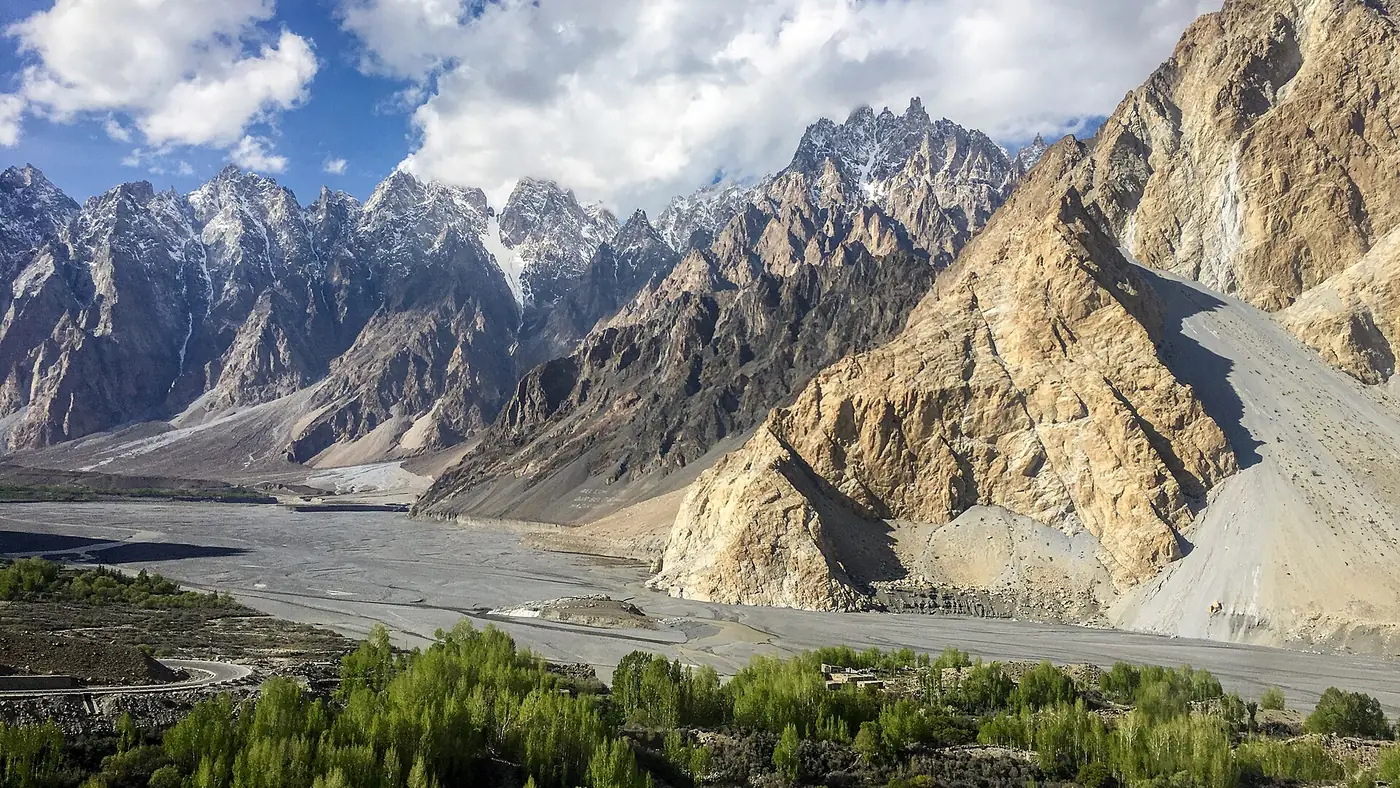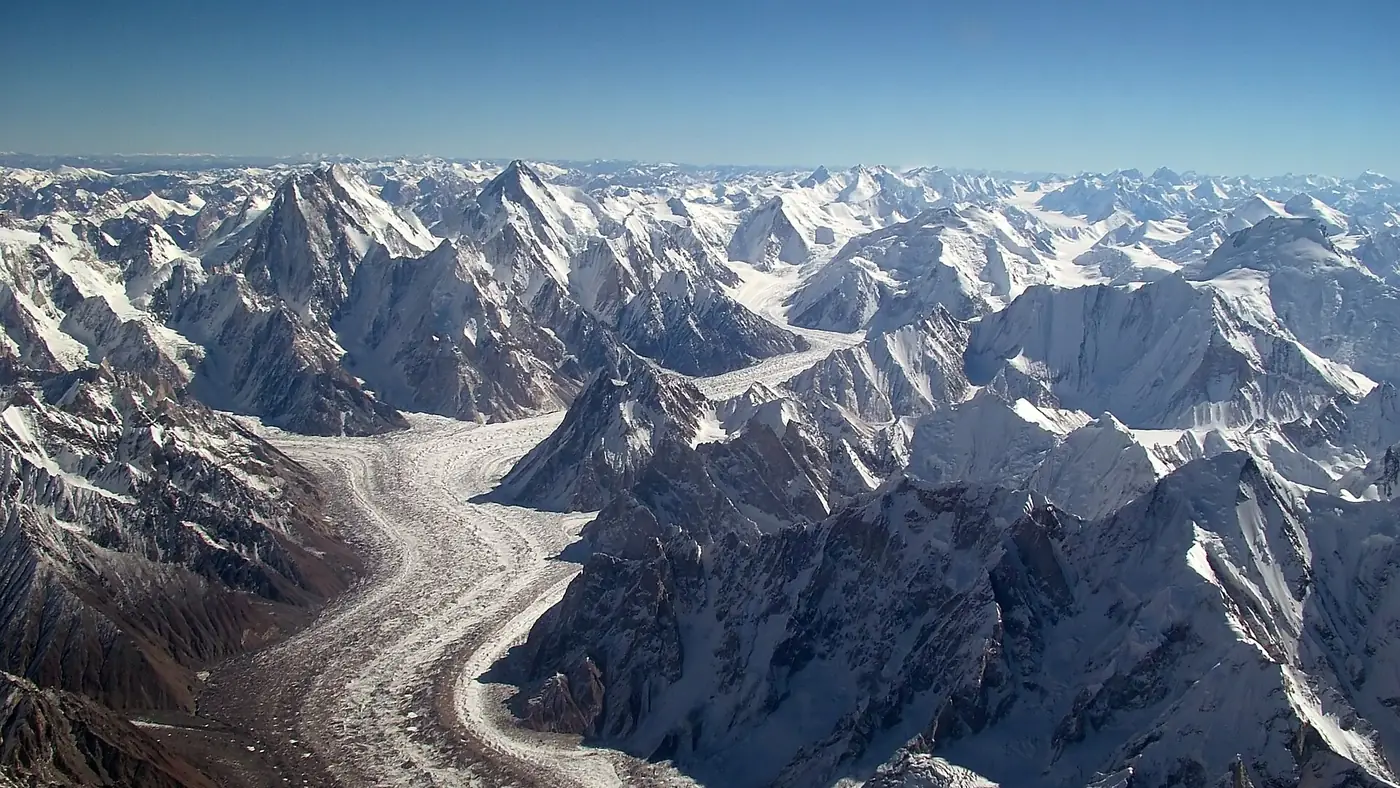
The Karambar Lake trek climbs from Imit, the last village in the Ishkoman valley, to a lake at about 4,270 metres near the Pakistan-Afghanistan border, one of the highest lakes of its size in the country. Allow three to four days round trip on this approach, most of it a steady climb through pasture rather than technical ground, though the altitude and remoteness call for proper preparation.
This guide covers the route from Imit, how long it takes, and what the trek involves.
| At a glance | |
|---|---|
| Trailhead | Imit village, Ishkoman valley, Ghizer |
| Lake altitude | About 4,270 m |
| Distance | Roughly 30 to 35 km one way from the Ishkoman side |
| Trekking days | About 3 to 4, round trip |
| Best months | July to September |
| Difficulty | Moderate; no glacier travel, but remote and high |
Where the trek starts
Ishkoman is a valley in Ghizer district, running north from the Gilgit-Chitral road towards the Afghan border, with Imit as its last settlement and the start of the walk to Karambar. Our guide to the Ishkoman valley covers the drive up from Gahkuch and the villages along the way, and is the place to check current road conditions before you plan the trek.
Karambar Lake itself sits close to the border in an area shared, in trekking terms, with routes that approach from Chitral's Yarkhun valley and from Yasin over the Darkot Pass. The Ishkoman approach from Imit is the most direct of the three and the one most trekkers from Gilgit-Baltistan use.
The route, stage by stage
- Imit to a first camp. The walk leaves the last fields around Imit and climbs into open, high-altitude grazing ground, following the valley that leads towards the lake.
- Onward and up. A second day of steady climbing through increasingly bare, high terrain, gaining most of the remaining height before the lake comes into view.
- At the lake, about 4,270 metres. A wide, cold high-altitude lake close to the Afghan border, with the Karambar Pass beyond it. Most groups spend a night near the shore before turning back.
- Return to Imit. Usually over one to two days, retracing the route.
Three to four days covers the round trip from Imit for a fit group, longer if you build in a spare day for weather or a slower pace.
Difficulty and what to expect
There is no glacier crossing or technical climbing on the Ishkoman approach, but this is still a high-altitude trek in a remote part of Ghizer, well beyond mobile signal for most of the walk. The climb is steady rather than steep, but the height gained over a short distance means altitude is the main challenge, and nights near the lake are cold even in summer.
A local guide is strongly advised, both for route-finding on ground with few other trekkers and because this is a border area where local knowledge of current conditions and any restrictions matters. Arrange guides and porters through Imit or through an operator based in Gilgit before you set off.
Season
July to September is the safest window, when the pass and high pasture are most likely to be free of fresh snow and stream crossings are lower in the morning before the day's melt swells them. Earlier in the season, snow can still cover the higher ground around the lake.
Is it worth it?
Yes, for trekkers drawn to genuinely remote, high-altitude ground rather than the more visited Baltistan base camp treks. Karambar Lake, this close to the Afghan border and this high, is one of the more striking and least crowded destinations in Gilgit-Baltistan's trekking calendar, and the Ishkoman approach is a more direct way to reach it than the Yasin or Chitral routes.
It is not a trek for anyone without previous multi-day trekking experience or for a short trip: getting to Imit itself, from Gilgit or Chitral, already takes the better part of a day. Our guide to the Ghizer valley is a good way to see the wider region if the full trek does not fit your schedule.
Frequently asked questions
How long is the Karambar Lake trek from Ishkoman?
About three to four days round trip from Imit, the last village in the Ishkoman valley.
How high is Karambar Lake?
Around 4,270 metres, making it one of the highest lakes of its size in Pakistan.
Is a guide necessary for the Karambar Lake trek?
Yes. The route sees few trekkers, crosses remote, high-altitude ground near the Afghan border, and has little to no mobile signal, so local knowledge matters.
Which is the shortest route to Karambar Lake?
The Ishkoman valley approach from Imit is the most direct route from Gilgit-Baltistan, shorter than the alternatives from Yasin over the Darkot Pass or from Chitral's Yarkhun valley.
When is the best time for the Karambar Lake trek?
July to September, when the higher ground is most likely to be clear of snow and stream crossings are easier to manage.