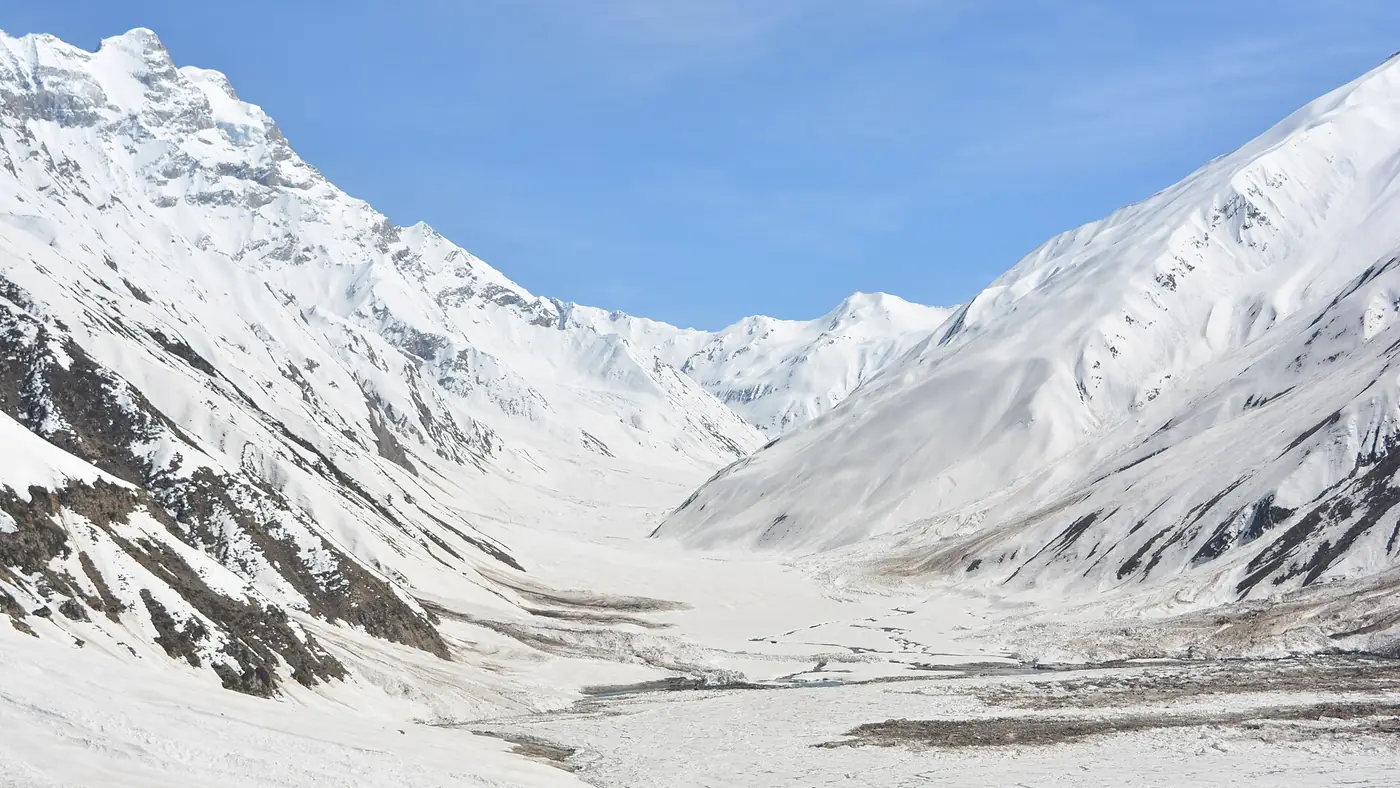
Kaghan is the small riverside town that gave the whole Kaghan Valley its name, about 23 km below Naran on the Kunhar River. It is quieter and lower than Naran, with a scattering of hotels along the river rather than a long tourist bazaar, and in winter, once Naran and everything above it shuts down, Kaghan becomes the effective end of the road.
This guide covers what is actually in the town, how it differs from Naran, where to eat and sleep, and why it matters most in the months when the upper valley is closed.
| At a glance | |
|---|---|
| Where | Balakot tehsil, Mansehra district, on the Kunhar River |
| Distance from Balakot | About 58 to 60 km |
| Distance from Naran | About 23 km below it |
| Open | All year |
| Good for | A quieter riverside night, and the last stop when Naran is closed |
What is actually in Kaghan town
Kaghan is a union council and a small market town rather than a resort. The road runs along the river, with a bazaar selling the usual valley goods, among them woollen shawls, wooden crafts and local jewellery, plus fuel, general stores and a handful of restaurants. It sits near where the Kunhar is joined by smaller side streams coming down from villages such as Mahandri and Jared, a little further downstream toward Balakot.
There is no single headline sight here the way Naran has Saif-ul-Malook or Shogran has its meadows. What draws people to Kaghan is the setting: hotels strung along the riverbank, forested slopes rising on both sides, and none of the crowding that builds up in Naran on a summer weekend. It is a place to sit by the water and eat, more than a place with a list of things to see.
Kaghan town versus Naran
The two are easy to confuse because they share a name, but they serve different purposes on a trip.
- Naran is the main tourist base: a long bazaar of hotels and restaurants, jeep stands for Saif-ul-Malook and Lalazar, and by far the busier of the two, especially in July, August and at Eid.
- Kaghan town is smaller, lower and quieter, with no jeep trade of its own. It works as an overnight stop rather than a base for excursions, since Saif-ul-Malook, Lulusar Lake and Babusar Top are all reached from Naran or further up, not from Kaghan.
If your priority is proximity to the lakes and the pass, stay in Naran. If you want a calmer night on the river and don't mind driving 23 km up in the morning, Kaghan is worth considering, particularly outside peak season when Naran's hotels are at their busiest and most expensive.
Kaghan town as the winter end point
The Kaghan Valley closes from the top down each autumn. Naran and everything above it, including Batakundi, Lulusar Lake and Babusar Top, shuts for winter from around late November: hotels close, the power is switched off, and the road itself becomes impassable with snow. Reopening typically happens in April, though full traffic can take another few weeks to resume after the first clearance.
Through that period, tourists are not left with nowhere to go in the valley. Balakot, Shogran and Kaghan town stay open and reachable, with district staff stationed to assist visitors, while Naran and the country beyond it are effectively cut off. That makes Kaghan, together with Shogran, the practical end of the road for anyone visiting the valley in winter: a way to see the lower Kaghan Valley and the Kunhar under snow without depending on a road that, in the coldest months, simply is not there.
If your trip depends on going further, check current conditions before you travel. Our guide to whether the Naran road is open or closed has the latest picture, and our overview of Naran in winter covers what the season looks like once the town itself has shut.
Hotels and food in Kaghan town
Accommodation is limited compared with Naran: a handful of hotels and guesthouses along the riverbank, generally simpler and cheaper than Naran's better-known names, plus some rooms further along the road toward Naran at points such as Mahandri and Jared. Rooms with a river view are the ones worth asking for.
Food follows the same pattern as the rest of the valley: karahi, daal, roti and tea in small roadside restaurants, plus trout from the Kunhar at some of the riverside places. Do not expect much variety. It is fine after a day's drive rather than a reason to plan a stop around.
Is Kaghan town worth stopping at?
For most people driving to Naran, Kaghan town is a pleasant few minutes on the way through rather than a destination. It earns a night if you want a quieter, cheaper riverside stay than Naran offers and are happy to drive up for the lakes rather than sleep beside them, or if you are visiting the lower valley in winter when Naran itself is shut.
If the whole point of your trip is Saif-ul-Malook, Lulusar or Babusar, stay in Naran or Batakundi instead and save the driving. For how Kaghan town fits into the rest of the valley, see our Kaghan Valley guide, and for help planning where to sleep each night, send us your plans.
Frequently asked questions
Is Kaghan town the same as Naran?
No. Kaghan is a small town about 23 km below Naran, on the same river and road. Naran is the larger tourist base further up the valley, with the jeep stands for Saif-ul-Malook and Lalazar.
Is Kaghan town open in winter?
Yes. It stays open year-round, along with Balakot and Shogran, while Naran and everything above it close from around late November to April.
How far is Kaghan town from Naran?
About 23 km, usually a well under an hour's drive on the paved N-15.
What is there to do in Kaghan town?
Not a great deal on its own: a small bazaar, riverside hotels and restaurants. It works better as a quiet overnight stop than as a base for excursions, since the lakes and passes are reached from Naran or higher up.
Where should I stay, Kaghan town or Naran?
Naran if you want to be close to Saif-ul-Malook, Lalazar and Babusar Top. Kaghan town if you want a quieter, usually cheaper riverside night and don't mind the extra drive each morning.