Everyone who treks to K2 base camp faces the same choice for the way home: walk back down the Baltoro glacier the way you came, or cross the Gondogoro La, a 5,585-metre pass, down to Hushe. The out-and-back route is a trek from start to finish. The pass crossing turns the same trip into a loop, with one very serious day of rope work and steep, loose ground, in exchange for a shorter route out and views nothing else on the trek gives you.
This guide weighs the two against each other on fitness, cost and risk, to help you decide before you commit to an itinerary. Full route detail for each is in our K2 base camp trek guide and our Gondogoro La trek guide.
| At a glance | Back down the Baltoro | Cross the Gondogoro La |
|---|---|---|
| Extra skill needed | None | Crampons, harness, fixed ropes |
| Extra days | None; same route both ways | Similar overall length, different route out |
| Weather risk | Lower | Higher: a single bad day can block the pass |
| Season | Same as the trek in, July and August best | Narrower: late June to end of August only |
| Exit point | Askole, by jeep to Skardu | Hushe, by jeep to Skardu |
| Fee | Standard park and permit fees | Adds a fee to the Hushe rope-fixing team |
The two options in short
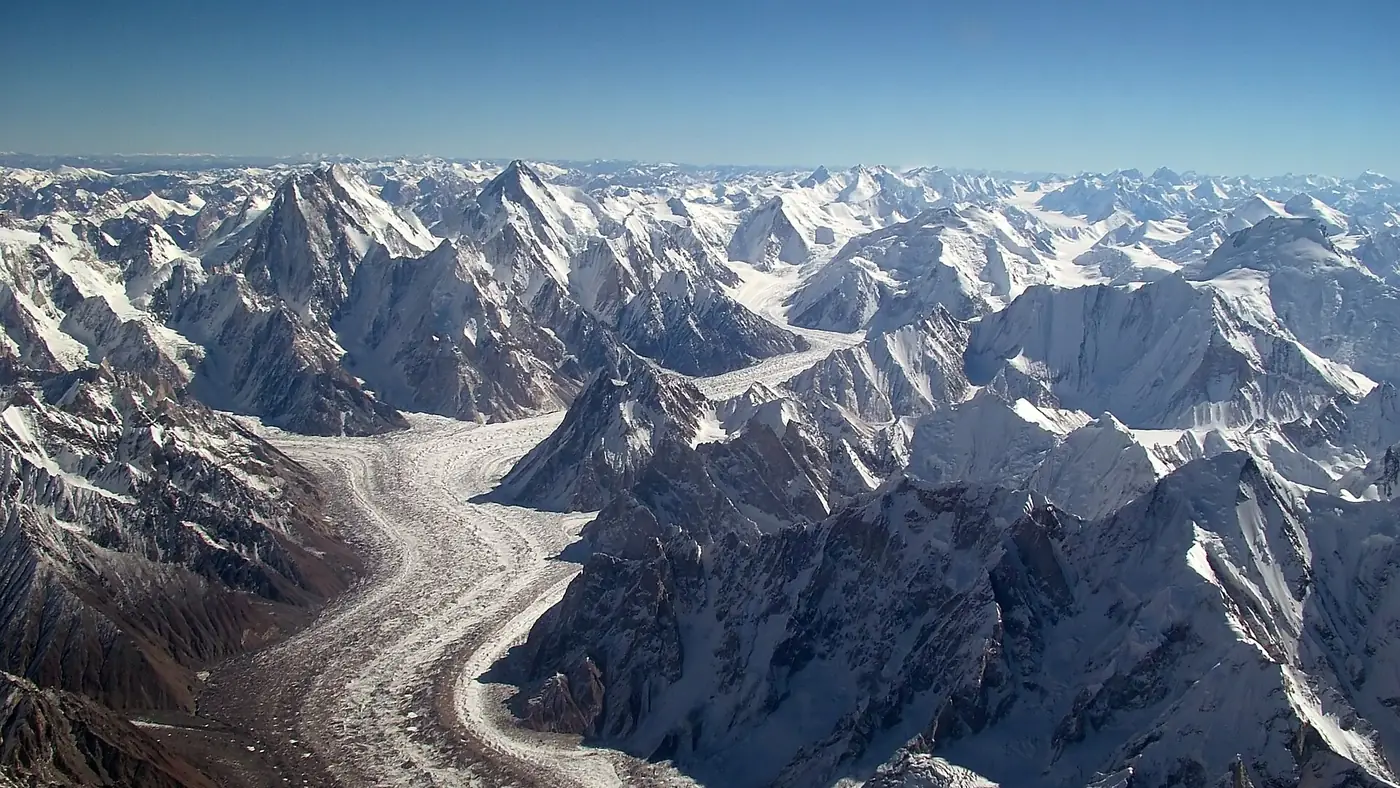
Back down the Baltoro means retracing the same stages from Concordia to Askole: Urdukas, Paiju, Jhola, then the jeep from Askole. It is familiar ground, it is entirely non-technical, and it is what nearly every trekker on the Baltoro is equipped and prepared for by default. The main cost is repetition: four or five days of scenery you have already walked through, now downhill and, for many people, faster and easier the second time.
Crossing the Gondogoro La replaces those days with a route over the Vigne glacier to Ali Camp, a midnight start, four to five hours climbing on fixed ropes to the pass, and a longer, more dangerous descent on the far side to Khuspang, before reaching Hushe village and a shorter jeep ride to Skardu. It needs a harness, crampons, a helmet and basic rope skills, and a specialist rescue and rope-fixing team from Hushe village supports the crossing through the short season it is open.
Deciding on fitness
The K2 trek itself, to Concordia and back the standard way, demands stamina and tolerance for altitude and rough ground, but no technical skill. The Gondogoro La adds a different kind of fitness on top: the ability to keep moving safely for 10 to 12 hours, much of it in the dark and cold, on steep snow and then loose rock, using a jumar and abseiling with tired legs after a week or more already spent at altitude.
If you have never used a harness or crampons, or if anyone in your group has struggled at Concordia, the pass is not the place to find out how they cope at nearly 5,600 metres. Previous experience above 4,500 metres, ideally with some rope practice, is the honest minimum. Fitness for the standard out-and-back trek is a lower bar: regular long-distance walking and some hill training, covered in our K2 base camp trek training guide, is enough.
Deciding on cost
Both routes share the bulk of the trek's cost: the flight or jeep to Skardu, the trekking permit and Central Karakoram National Park fee, guides, porters and camping for the two weeks on the Baltoro. The Gondogoro La adds specific costs on top: a fee for the Hushe rope-fixing team, which varies by group size and season, and the technical gear itself, either brought from home or rented through your operator, including a harness, crampons, an ice axe and a helmet.
Against that, crossing the pass can shorten the overall trekking distance walked, since you don't repeat the lower Baltoro stages, though the extra planning, guiding and support the pass needs generally offsets any saving rather than making the loop cheaper overall. Budget the Gondogoro La as the more expensive of the two options, not a shortcut.
Deciding on risk
This is where the two routes really diverge. The standard return down the Baltoro carries the same risks as the trek in: altitude, rough moraine, and the usual chance of illness or injury on a long remote trek, all manageable with a good guide and a sensible pace.
The Gondogoro La adds a day of real objective risk: steep snow slopes, fixed ropes that depend on a seasonal rigging team, rockfall on the Hushe side once the sun is up, and a short season, roughly late June to the end of August, outside which the pass is not attempted. In 2007, a glacier surge steepened the route and opened a crevasse that stopped crossings altogether that year, a reminder that the pass is possible rather than guaranteed even inside its usual season. If it is blocked by weather or conditions on your dates, the group walks back down the Baltoro instead, so treat the crossing as a bonus to plan for, not a fixed part of the itinerary.
So which should you choose?
Cross the Gondogoro La if you are fit, have trekked above 4,500 metres before without trouble, are comfortable with basic rope skills or willing to learn them properly beforehand, and your dates fall solidly within the pass's short season.
Return down the Baltoro if this is your first big Karakoram trek, if anyone in your group has struggled with altitude on the way up, if your schedule has little flexibility for a weather delay, or if your trip falls in June or September, when the pass is less reliably open.
Decide at Concordia, not before you leave home. Plan and pack for the crossing if you are the right kind of trekker for it, but let your guide, the Hushe rescue team and how everyone is actually feeling make the final call once you are there. If you want help weighing the two for your dates and group, send us the details through our trip planning page.
Frequently asked questions
Is the Gondogoro La harder than the standard K2 base camp trek?
Yes, considerably, for one day. The rest of both routes is similar in difficulty; the crossing day itself needs crampons, a harness and fixed-rope skills that the standard return route never requires.
Does crossing the Gondogoro La save time?
Not by much once planning and support are accounted for. It changes the route and the view more than it shortens the overall trip.
What happens if the Gondogoro La is closed when you reach Concordia?
The group returns down the Baltoro glacier to Askole instead, which most operators build into the itinerary as the default backup plan.
Do you need previous mountaineering experience for the Gondogoro La?
Not formal mountaineering, but previous high-altitude trekking and at least some familiarity with crampons and rope work are strongly advised before attempting it.
Which route has better views: the Baltoro return or the Gondogoro La?
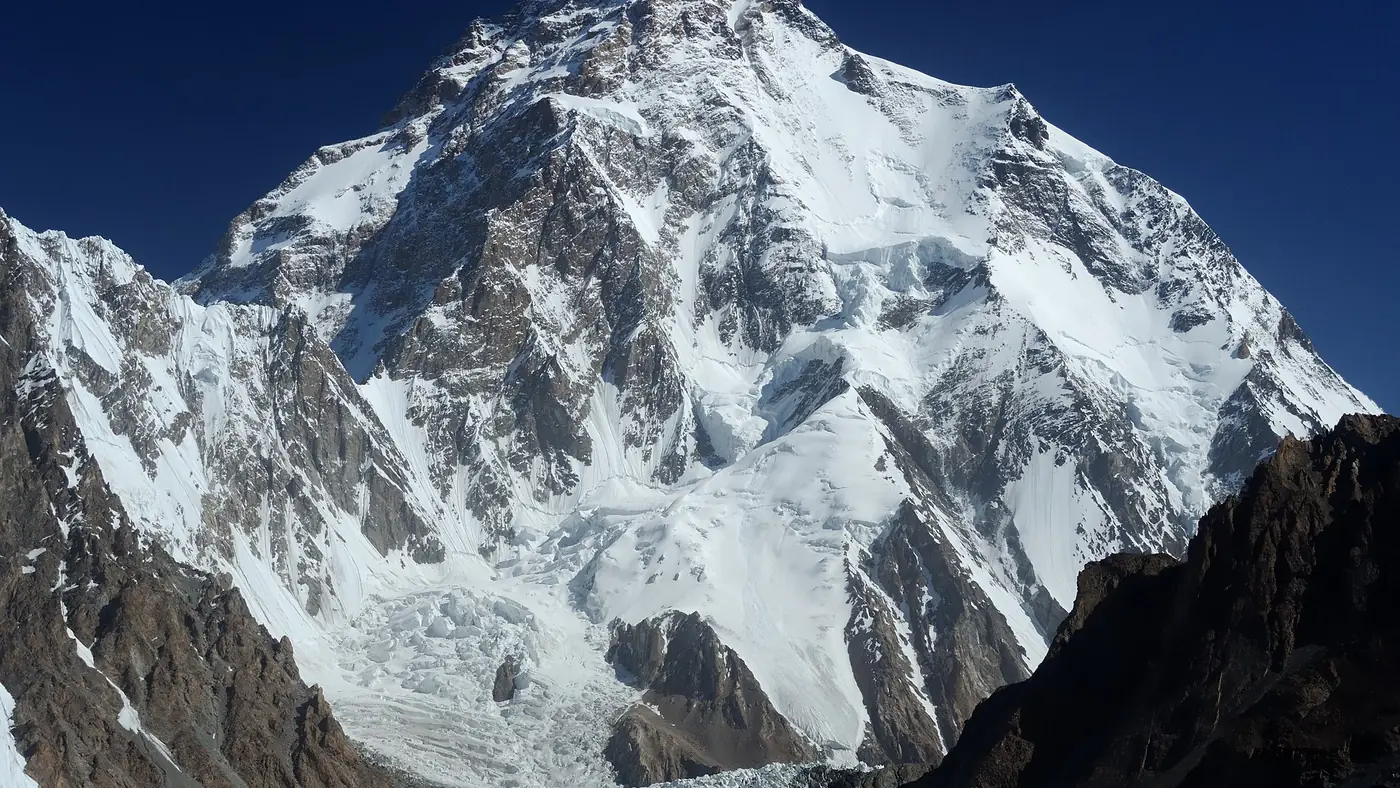
Both are dramatic. The Baltoro return repeats the glacier scenery you saw on the way in; the Gondogoro La adds a summit-level view back at K2 and the Gasherbrums, and forward to Laila Peak and the Hushe valley, that the standard route never shows you.