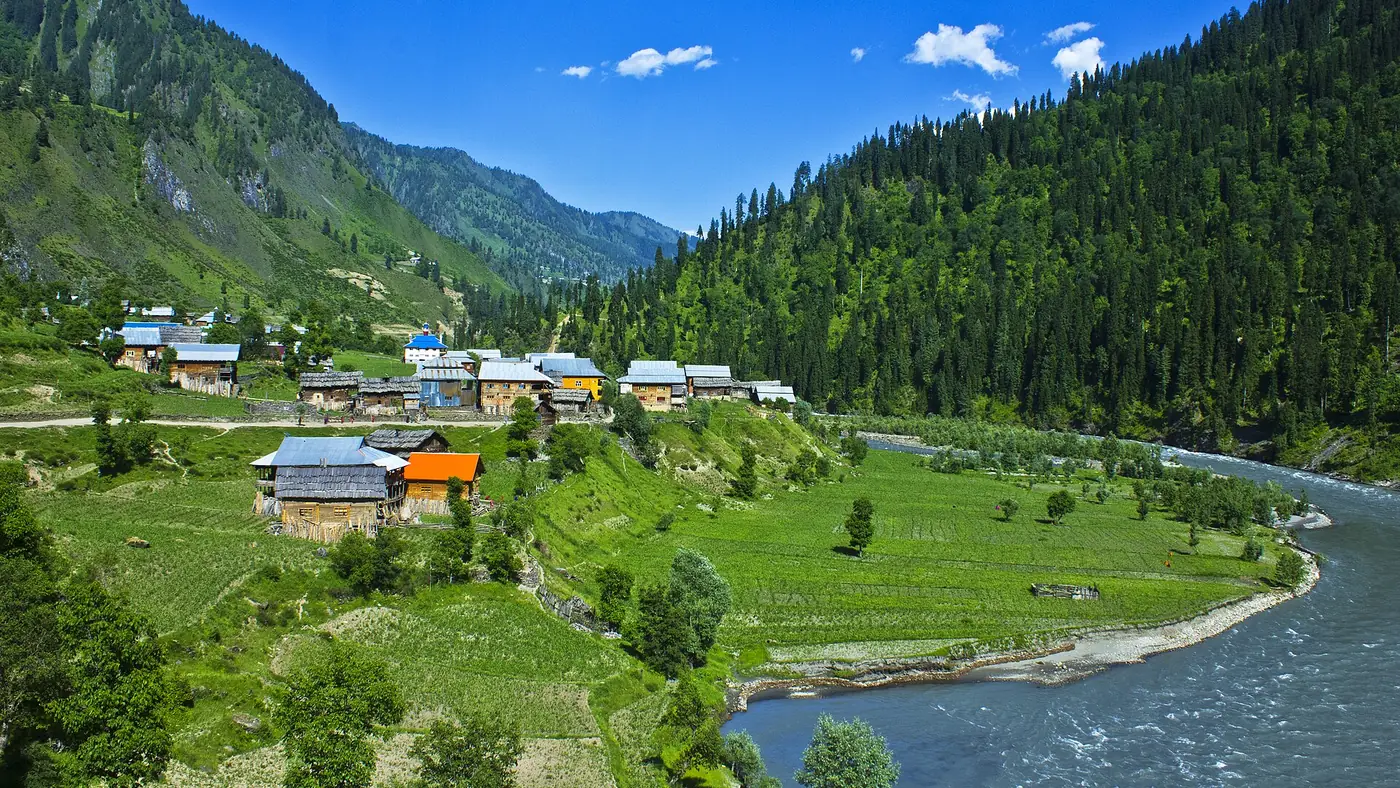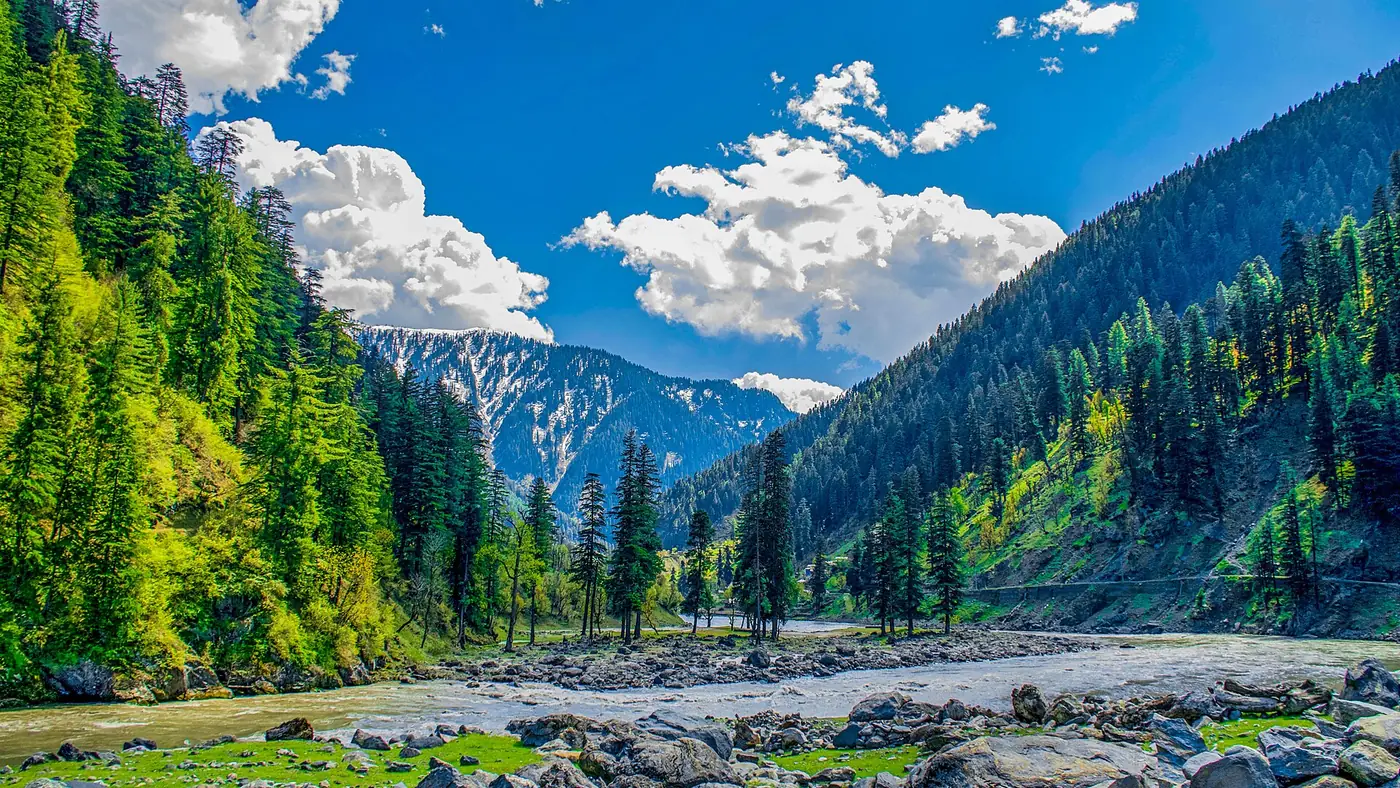
Is Azad Kashmir safe? In a normal year, the places families visit most, from Muzaffarabad and Pir Chinasi to the Neelum Valley and Mangla Lake, see hundreds of thousands of Pakistani tourists, and the everyday risks are the roads, landslides and winter weather rather than crime. But 2026 has not been a normal year. Since June, protests have brought deaths, strikes, road blockades and a 99-day internet shutdown, centred on Rawalakot, and the valleys along the Line of Control can be closed at short notice, as they were in May 2025.
So the honest answer is: usually yes, with care, but check the situation in the week you travel. This guide explains the current picture, what the Line of Control means for visitors, and the practical risks that catch families out.
| At a glance (September 2026) | |
|---|---|
| Protests | Movement still active; worst affected area Rawalakot and Poonch |
| Internet | Broadband back across most of AJK from 13 September; mobile data slower to return |
| Line of Control | Neelum and Leepa run along it; access can be stopped during tension |
| Biggest everyday risk | Mountain roads: landslides, monsoon floods and night driving |
| Documents | CNIC for every adult; foreign nationals need an NOC near the LoC |
| UK government advice | Against all travel within 10 miles of the LoC, and all but essential travel to the rest of AJK |
Is Azad Kashmir safe right now?
The 2026 unrest grew out of a protest movement led by the Jammu Kashmir Joint Awami Action Committee (JAAC), which has organised strikes over local demands since 2023. In early June 2026 the AJK government banned the JAAC under anti-terrorism law, and clashes in Rawalakot killed at least 11 people. Dozens more had died by August, with figures disputed.
What this meant for visitors:
- Tourists were asked to leave. On 5 June the AJK government advised visitors to leave and to postpone trips until 20 June. Guesthouses in the Neelum Valley were told to ask their guests to go.
- The internet was cut across AJK from 5 June. Broadband was restored across most of the territory on 13 September, after 99 days, but mobile data returned more slowly, and Rawalakot and Sudhnoti were cut off longest.
- Strikes stop transport. A "wheel-jam" strike means no buses or vans and shuttered shops. The JAAC called another region-wide strike on 9 September; reports differed on how widely it was observed, with the Express Tribune reporting markets and transport largely running.
This is not the first time. A six-day lockdown in late September and October 2025 also cut communications and sealed main roads before an agreement was reached.
What to do about it:
- Read the news the evening before you leave, and again before each day's drive.
- Call your hotel. Hotels know about strike calls and road closures before any website does.
- Don't travel on announced strike days, and keep well away from protest sites.
- Carry enough cash for the whole trip, since shutdowns also knock out ATMs and card payments.
- Build in a spare day so a closed road doesn't leave you driving at night to make up time.
What the Line of Control means for visitors
The Line of Control (LoC) divides Azad Kashmir from Indian-administered Kashmir, and the Neelum Valley runs along it for much of its length. At Keran the river itself is the line, with an Indian-administered village of the same name on the far bank.
Firing across the LoC has hit the valley before: in July 2019, shelling killed civilians at Sharda and in the Leepa valley. In early May 2025, during the confrontation between India and Pakistan, security personnel at checkpoints stopped tourists entering the Neelum Valley and let only residents through. When tension rises, this can happen again with little warning.
Along the LoC, a few rules matter:
- Stop at every checkpoint and have the CNIC of every adult ready.
- Don't photograph soldiers, posts or military vehicles, and don't fly a drone near the LoC.
- Stay on the main road and in the villages. Don't wander up side ridges or towards the river where it forms the line.
- Follow instructions from soldiers and police, even if they seem overcautious.
Foreign nationals need a No Objection Certificate to go within five miles of the LoC; our guide to the NOC rules for Azad Kashmir explains who needs what.
Landslides, floods and the monsoon
For most families the real danger is the weather. July and August bring heavy monsoon bursts, and with them landslides on the Neelum and Kohala roads and flash floods in side streams. In August 2025, flood water washed away part of the jeep road to Ratti Gali Lake, and the AJK disaster management authority spent 23 hours bringing more than 700 stranded tourists down.
Water is the other risk. The Neelum and its streams are fast and very cold, and every summer brings accidents. In 2018 an old footbridge over the Jagran stream at Kundal Shahi collapsed while dozens of students stood on it for photographs; it was meant for a handful of people at a time, and several died.
- Keep children back from riverbanks and off wet rocks.
- Don't crowd onto suspension bridges. Cross a few at a time.
- In heavy rain, stay put and wait for the road to be cleared rather than trying to get through.
Our Azad Kashmir weather guide shows when the rain and snow usually come.
Road safety and night driving
Road accidents are the risk you can do most about. The main roads are narrow, steep and busy with trucks, and beyond Kel the road becomes a jeep track. Our Neelum Valley road condition guide goes stretch by stretch.
The rules we plan around:
- Don't drive at night. Fallen rock, unlit trucks and missing barriers are far harder to see, and help takes longer to arrive. Aim to be parked by dusk.
- Don't drive tired. The long day up from Islamabad or Lahore is when drivers make mistakes. Split it.
- Check brakes and tyres before the trip, and use low gears on long descents.
- Use proper jeeps for the high tracks. Since 2025 the Neelum administration has allowed only well-maintained vehicles with licensed drivers on the roads to Ratti Gali and other high spots.
- In winter, go after snow, not during it, with chains or a 4x4.
Indoors, take care with gas heaters. Don't sleep with an unflued heater burning in a closed room.
Which places do families visit without trouble?
In normal times these are the family staples, visited by large numbers of Pakistani tourists every year:
- Muzaffarabad and Pir Chinasi. City hotels, the Red Fort and the drive up to the shrine.
- The Neelum Valley as far as Kel and Arang Kel. The valley recorded more than 550,000 visitors in 2024, and Keran, Sharda and Kutton are busy family stops every summer. It is also LoC country, so it is the first place to close when tension rises.
- Rawalakot and Banjosa. Normally a gentle family trip, but the centre of the 2026 protests. Wait until the area has been calm for a while.
- Mirpur and Mangla Lake. Low, easy and best in winter.
Places that need more care: Ratti Gali Lake (a jeep track and fast-changing weather), Taobat and Leepa (close to the LoC with more checkpoints), and Baghsar Fort near Bhimber, which sits right beside the LoC and is partly closed to visitors.
If you are an overseas visitor
The UK government currently advises against all travel within 10 miles of the LoC, which includes most of the Neelum Valley, and against all but essential travel to the rest of Azad Kashmir. Other governments may say similar things. Going against that advice can void your travel insurance, so read your own government's advice, for example the UK travel advice for Pakistan, and your policy wording before you book. Dual nationals travelling on a NICOP should also check how their insurer treats them.
Our honest view
Go now if you are a Pakistani family planning Muzaffarabad, Pir Chinasi or the Neelum Valley, you have checked the news that week, and you are willing to turn back if a strike is called or a checkpoint says no.
Wait if your heart is set on Rawalakot and Banjosa, or if you are travelling with elderly parents or small children and cannot be flexible with dates.
Go somewhere else if you are an overseas visitor whose insurance depends on your government's advice, or if the only week you have falls during announced protests. The Galiyat and the Kaghan valley give similar green hills without the LoC.
For health, altitude and packing advice across the north, see our travel guide.
Frequently asked questions
Is it safe to travel to Neelum Valley now?
In a normal week, yes: families visit Keran, Sharda and Kel in large numbers. Check the news before leaving, because access can be stopped during protests or India–Pakistan tension, as it was in May 2025 and June 2026.
Is Azad Kashmir safe for families?
The main family destinations are safe to visit with care. The real risks are roads, landslides and cold rivers, plus disruption from protests in 2026, so plan daylight driving, a spare day and enough cash.
Is it safe to drive at night in Azad Kashmir?
We advise against it. Landslides, unlit trucks and sharp drops are much harder to see after dark, and help is slow to arrive in the valleys.
Is Rawalakot safe to visit now?
Rawalakot was the centre of the 2026 protests and among the last places to get the internet back in September. Wait until it has been calm for some weeks, and call your hotel before you go.
Can tourists go near the Line of Control?
Pakistanis can visit the villages along the Neelum road with their CNIC, stopping at checkpoints. Foreign nationals need an NOC for the belt within five miles of the LoC, and nobody should approach the line itself.