The claim that the Hunza people routinely live to 100 or beyond, kept healthy by apricots and mountain air, is one of the most repeated stories about northern Pakistan. It is not supported by any reliable record of ages, and researchers who have actually studied health in Hunza found a population dealing with the same illnesses as anywhere else in the region. The valley is still worth visiting for its own reasons; the longevity claim is not one of them.
This post looks at where the Hunza people's lifespan claim came from, what was actually found when it was checked, and what is true about diet and daily life in Hunza today.
Where the "world's healthiest people" story started
The claim traces mainly to outsiders writing about Hunza in the early and mid-20th century, when the valley was a small, isolated princely state reached only on foot or by mule. A British doctor's 1930s writing on a low-salt, largely plant-based diet in the region was picked up and expanded by later popular health writers. The best known is J. I. Rodale's 1948 book The Healthy Hunzas, which credited apricots, almonds, fresh air and an active outdoor life for what it described as exceptional lifespans, with figures of 100, 120 or even 140 years quoted in various retellings. None of these figures came from birth records, because none existed to check them against.
The story fit a wider mid-century appetite for a remote "Shangri-La" untouched by modern disease, and it has been repeated in health and wellness writing ever since, largely without anyone going back to test it.
What was actually found
Researchers who spent real time in Hunza told a different story. The American doctor John Clark, who lived among the Burusho people of Hunza for about 20 months in the early 1950s running a small clinic, recorded thousands of patient visits for malaria, dysentery, parasitic worms and trachoma, alongside malnutrition, which is not the picture of a population free of disease.
There is no birth registration from that era to confirm any individual's age, which is exactly why the "supercentenarian" claims cannot be verified either way. Where researchers have estimated life expectancy for the Burusho population rather than repeating anecdotes about individuals, figures cited are far more ordinary, in the low 50s, with a wide range. Pakistan's national life expectancy at birth was about 67 to 68 years as of the early 2020s (World Bank), and there is no verified figure showing Hunza sitting meaningfully above that.
None of this means Hunza is unhealthy by regional standards, only that the specific claim of a population routinely reaching 100 or more has never been documented and does not hold up against the illness records that do exist.
What is true about the diet
The exaggeration around Hunza's diet shouldn't obscure what is genuinely distinctive about it. Traditional Hunza food leans on apricots (fresh and sun-dried), walnuts, mulberries, wholewheat and buckwheat breads, and dairy, particularly yoghurt and a local butter tea, with meat eaten less often than in the plains. Apricot kernel oil is used for cooking, and dried apricots are a staple through the long winter when fresh fruit isn't available. It is a diet shaped by altitude, a short growing season and historic isolation, not by a deliberate health philosophy. Our guide to Hunza's traditional food covers what you will actually be served.
Who the Hunza people are
The people usually meant by "the Hunza people" are the Burusho, who speak Burushaski, a language with no confirmed relation to any other language family in the world. They are concentrated in central and lower Hunza, around Karimabad and Aliabad. Upper Hunza, known as Gojal, is home to a different community, the Wakhi, with their own language and history; our post on the Wakhi people of Gojal covers that distinction. Most Hunza and Gojal residents today are Ismaili Muslims, following the Aga Khan, which has shaped strong local investment in schools and healthcare over the past several decades. For more on the valley's past, see our history of Hunza.
What to make of it as a visitor
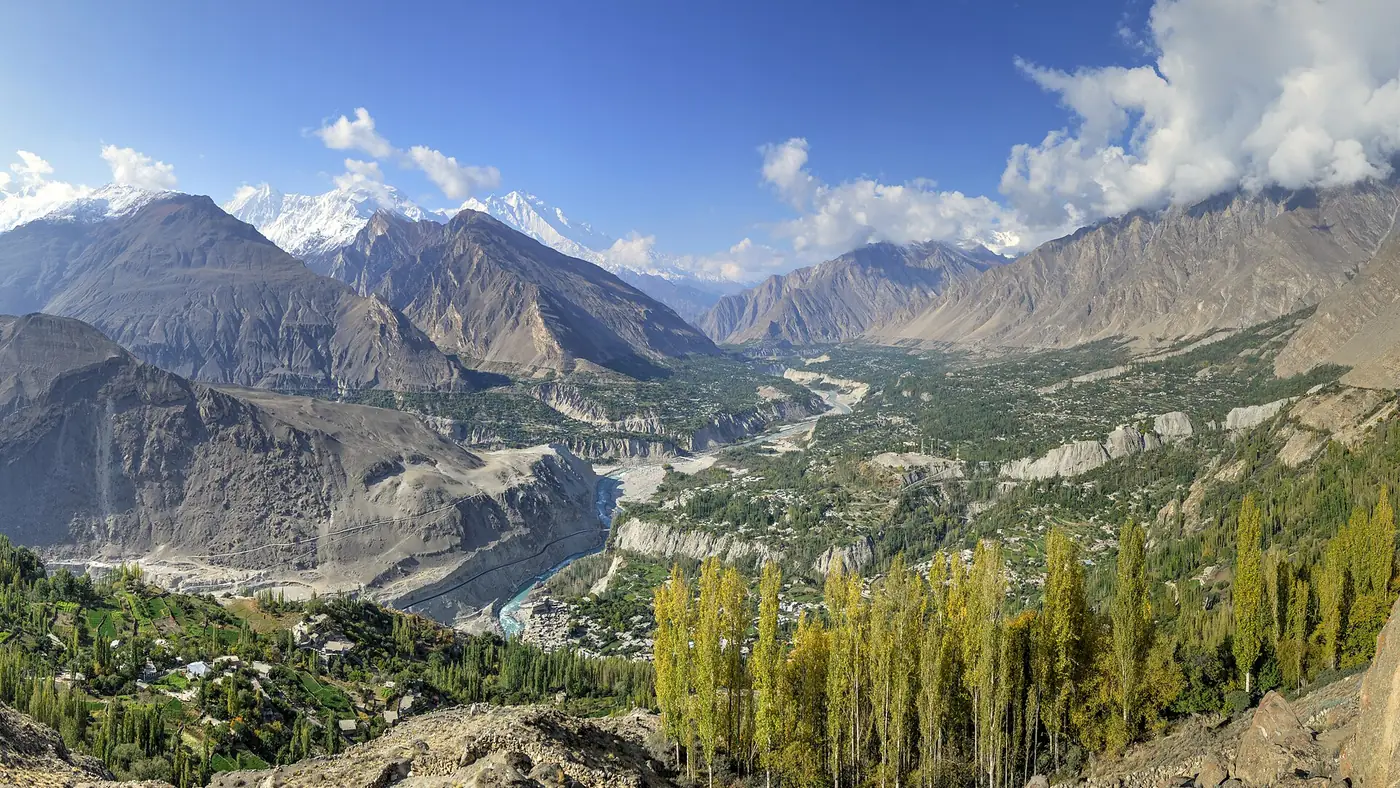
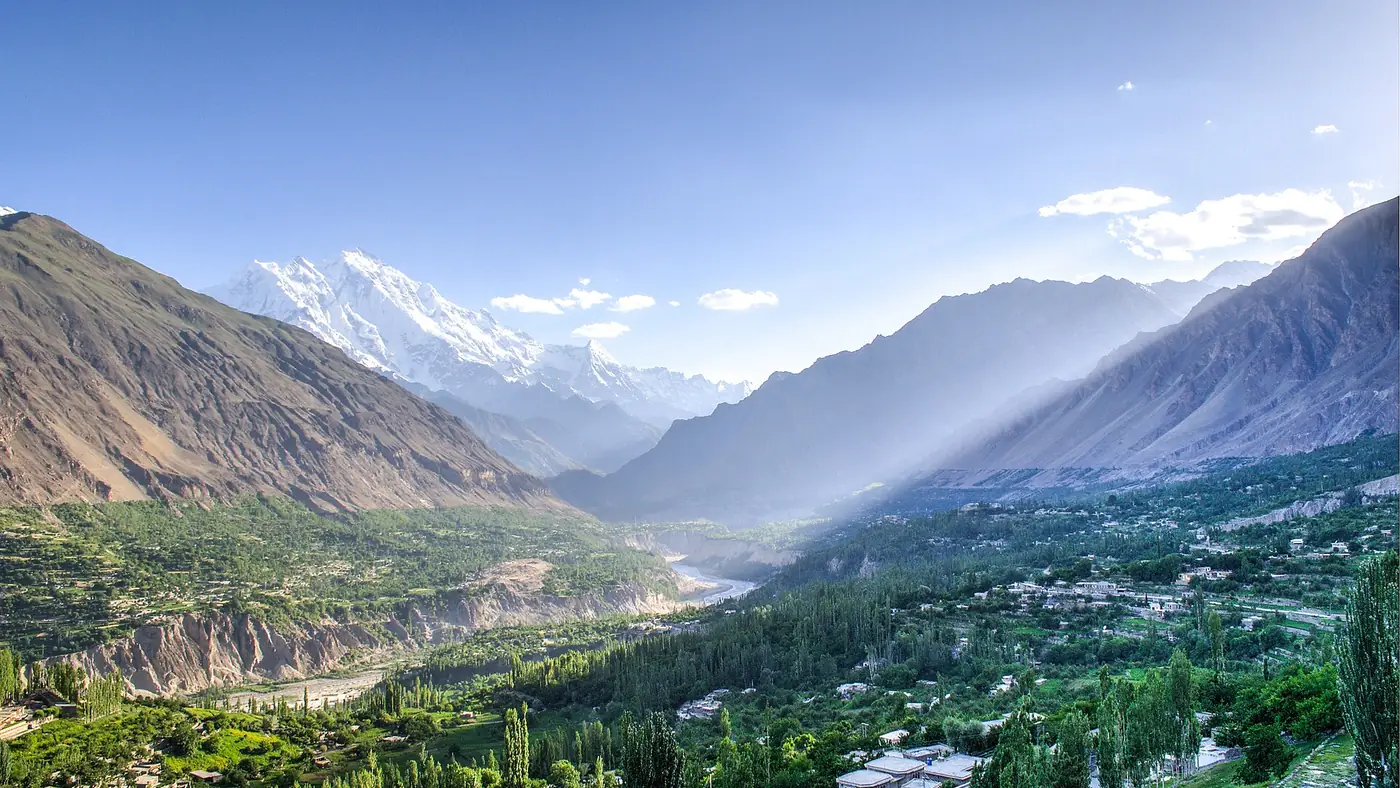
You will still hear the "100 years old" claim locally and from guides, because it is good for tourism and has been repeated for 75 years. There is no need to correct anyone, and no harm in it. What is worth knowing before you go is that Hunza's real appeal has nothing to do with the longevity story: it is the scenery, the forts at Baltit and Altit, the orchards in spring blossom and the food, not a population living to 150. Our guide to Gilgit and Hunza has more on planning a visit, and the Gilgit, Hunza and Khunjerab tour covers the valley over several days if you want time to see it properly rather than rushing through on the claim alone.
Frequently asked questions
Do Hunza people really live to 100 or more?
There is no verified documentation for this. Life expectancy estimates for the Burusho population are far more ordinary, and no birth records exist from the era the claims are based on to check individual ages.
Where did the Hunza longevity myth come from?
Mainly from mid-20th-century outsider writing, especially J. I. Rodale's 1948 book The Healthy Hunzas, which credited the local diet and lifestyle for exceptional lifespans without verified evidence.
Is the Hunza diet actually healthy?
It is largely plant-based, built around apricots, walnuts, wholegrain bread and dairy, with meat eaten less often. That is a reasonable diet, but there is no evidence it produces unusual longevity.
Are the Hunza people and the Wakhi people the same?
No. The Burusho of central and lower Hunza speak Burushaski. The Wakhi of upper Hunza (Gojal) speak a different, Iranian-family language and have a distinct history and culture.
Is this myth the reason to visit Hunza?
No. Hunza is worth visiting for its scenery, forts, orchards and food. Treat the longevity claim as a well-travelled story rather than a reason to go.