Homestays in Hunza are mostly informal: rooms in village homes and small family-run guesthouses rather than a formal scheme with a booking office. You find them around Karimabad and Altit, in the Gojal villages such as Gulmit and Passu, and in remote valleys like Shimshal and Chipursan, where staying with a family is the main way to stay at all. Expect to pay roughly what a simple guesthouse charges, from about PKR 2,400 a night for a room in 2026, with meals agreed separately, and expect to fit in with the household rather than the other way round.
This guide covers where homestays operate, what a stay includes and costs, what a traditional house is like inside, the etiquette of being a guest, and the rules foreign visitors need to know about.
| At a glance | |
|---|---|
| What it is | A room in a family home, or a small family-run guesthouse |
| Where | Karimabad and Altit; Gulmit, Passu and Hussaini; Shimshal; Chipursan |
| Price (2026) | From about PKR 2,400 for a simple room; meals usually extra |
| Usually included | Bed, bedding and tea; often breakfast |
| How to find one | Through your driver, guide or hotel, a local contact, or booking sites |
| Payment | Cash |
| Foreign nationals | Check the host can register foreign guests |
What counts as a homestay in Hunza?
The word covers a range of stays. At one end is a spare room in a family house, where you eat with the family and share their bathroom. In the middle, and most common, is the family guesthouse: a few guest rooms in or beside the family home, run by the household, with meals cooked in the family kitchen. At the other end are small hotels that call themselves homestays because the owners live on site.
In 2025 the district administration assessed 387 hotels and guesthouses across Hunza. Many of the smaller ones are family-run, and the line between a homestay and a guesthouse is often just the word on the sign. What matters is what you want: a real place at the family's table, or a private room with a host nearby. Ask before you book.
Where do homestays operate?
Karimabad, Altit and central Hunza
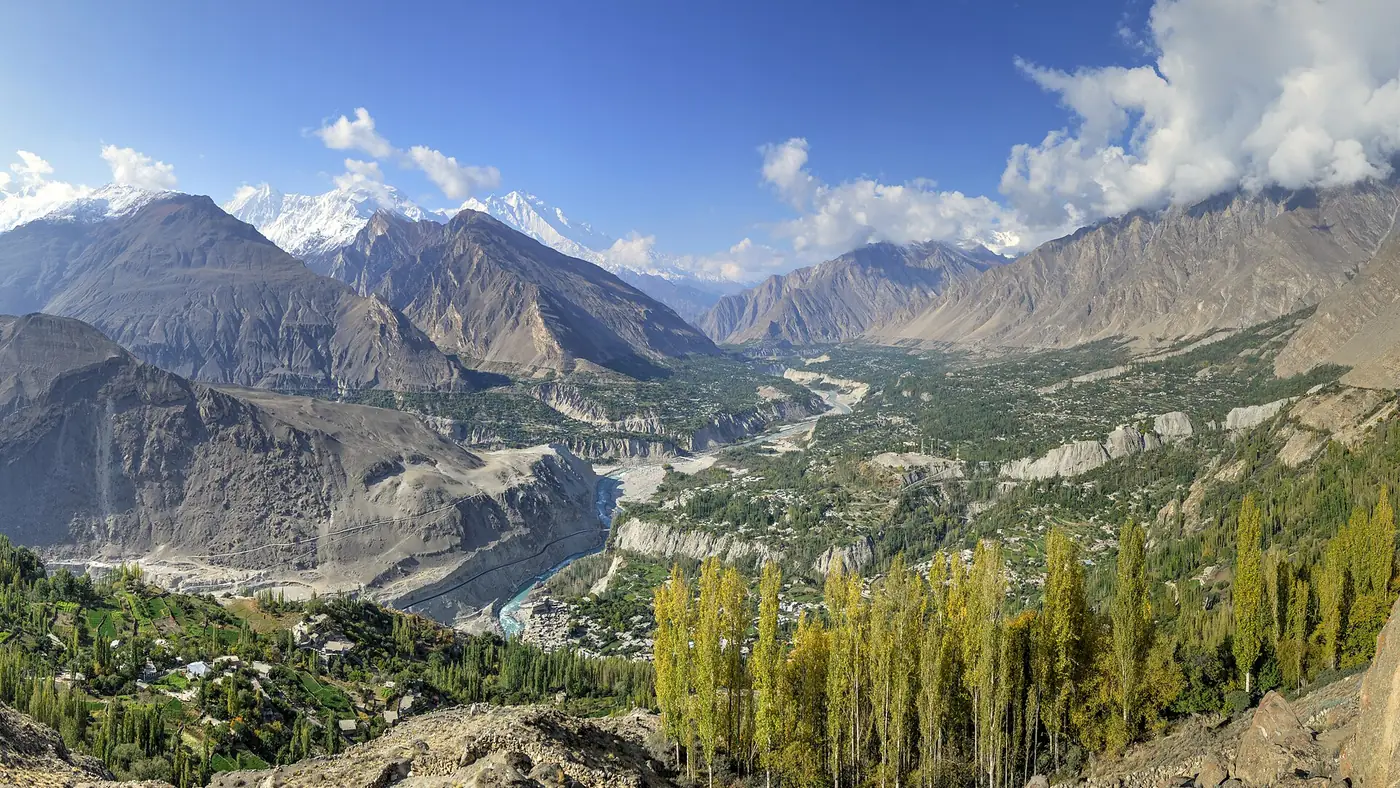
Around the old villages of Karimabad and Altit, some families let rooms in their houses or in small guesthouses in the lanes above and below the bazaar. Staying here puts you within walking distance of the forts and the water channels, with a family who know the paths. Ask your hotel or driver, or look on booking sites for family-run guesthouses rather than hotels.
Gulmit, Passu and the Gojal villages
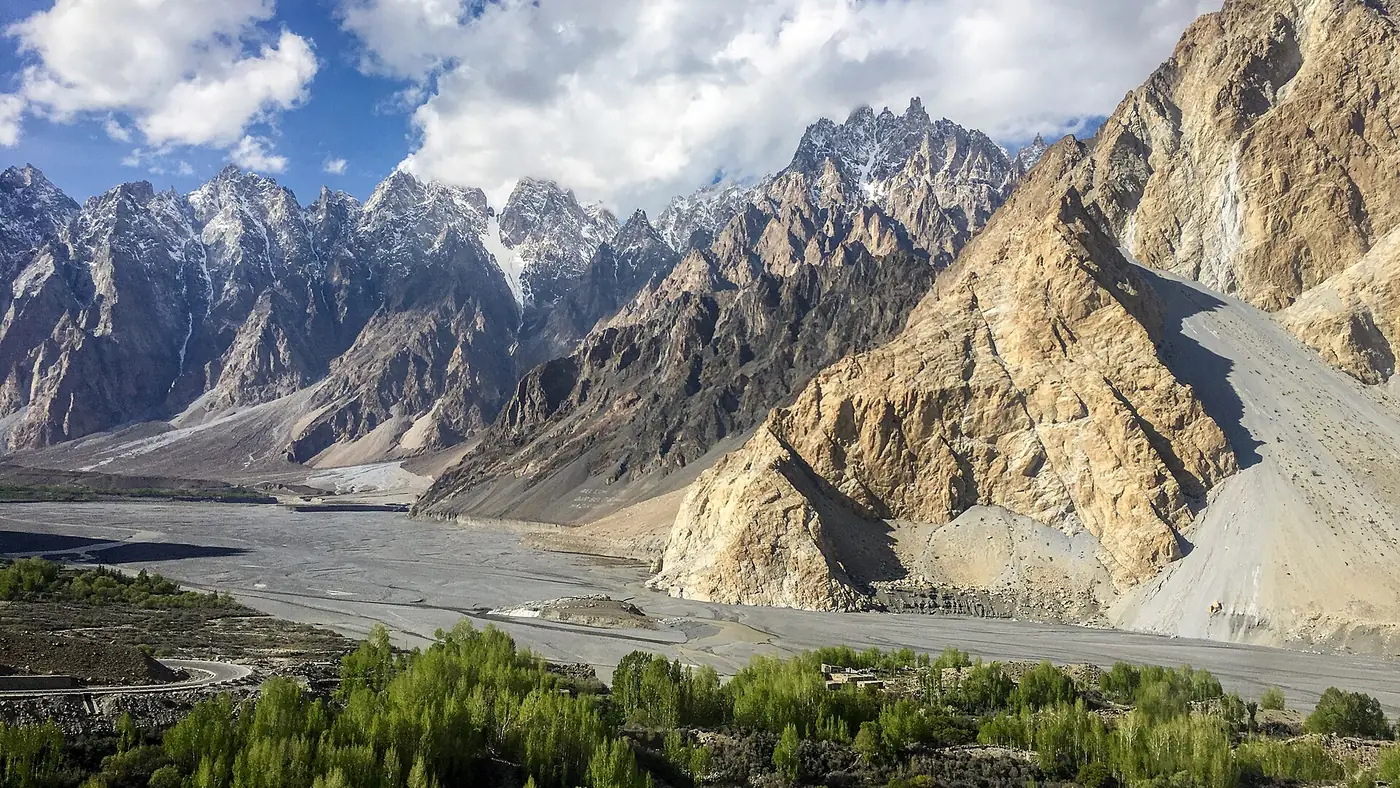
In the Wakhi villages of Gojal, upper Hunza, places to stay are mostly small guesthouses, and several describe themselves as traditional in style. In Passu, for example, the Cathedral View Guest House is a traditional-style guesthouse whose hosts can find guides for walks. Our guide to hotels in Passu and Gulmit lists the established places in upper Hunza.
Shimshal
Shimshal, at 3,113 metres the highest village in Hunza, is reached by a 56 km jeep road from Passu, finished only in 2003; the ride takes about two and a half hours by local 4x4. The village has guesthouses run by local families, whose owners also arrange guides, porters and vehicles for the treks to the high pastures. Foreign nationals have to sign in with the police at the checkpoint at the start of the road.
Chipursan
In the far north-west of Hunza, towards the Afghan border, Zood Khun and the other villages of Chipursan have long hosted visitors in simple family guesthouses and homes. On 19 January 2026 an earthquake destroyed around 300 homes in the Chipursan area and damaged many more, so families who used to host visitors may not be able to. Confirm with your hosts before going and carry what you need to be self-sufficient; our Chipursan valley guide explains the situation.
What does a stay include, and what does it cost?
There is no standard package, so agree the details when you book or arrive:
- The room. A bed or mattresses, bedding and blankets. Ask whether you will have a room to yourselves and whether the bathroom is private or shared.
- Meals. Breakfast is often included; dinner is usually extra, cooked with the family's own food. Agree whether the price is per person or per room, and whether it includes meals.
- Hot water and heating. In village homes, water may be heated on the stove and brought to you. In spring and autumn nights are cold, and in winter a heated room matters more than anything else.
- Power. Electricity is limited in winter across Hunza and in remote valleys at any time. Bring a power bank and a torch.
On price, the closest guide is what small guesthouses list: in early 2026, a shared or simple room in a traditional-style guesthouse in Passu cost about PKR 2,400. Family homes in remote valleys vary more, and prices change from season to season. Agree the full amount, including meals, before you unpack, and pay in cash; there are few cash machines north of Aliabad.
What is a traditional house like inside?
Many families now host guests in newer houses or added guest rooms, but some still live in, or can show you, the traditional house. Older homes in Hunza are built of stone laced with timber, often around one main room with a hearth in the middle and raised platforms around the walls for sitting, eating and sleeping. The whole family gathers in that room in the evening, especially in winter.
In Gulmit, the Old Gulmit House is kept as a small museum and shows the traditional Wakhi layout; our guide to things to do in Gulmit covers it. Seeing it first makes a homestay easier to understand.
Etiquette: how to be a good guest
A few simple courtesies go a long way:
- Take your shoes off before stepping onto the raised platforms or carpets, and follow what the family does.
- Dress modestly, with shoulders and knees covered, indoors as well as out.
- Eat what is offered, at least a little of everything, and accept tea. Say early if you have allergies or don't eat something, rather than leaving it on the plate.
- Use your right hand for eating and passing food.
- Ask before photographing anyone in the family, and never photograph women without their permission. Don't post pictures of the inside of the house without asking.
- Keep to the family's hours. Villages go to bed early and get up early, and loud evenings carry.
- Go easy on water and power, both of which are limited.
- Don't bring alcohol into a family home.
- Bring a small gift if you like: sweets or something from your home city go down well. It is a kindness, not an expectation.
Most people in Hunza are Ismaili Muslims, while Ganish and some other communities are Twelver Shia. Prayer halls, including the Ismaili jamatkhanas, are not sightseeing stops, so don't walk in unless invited. For the dishes you are likely to be served, from apricot-oil breads to walnut cake, see our guide to Gilgit-Baltistan traditional food.
Foreign visitors: registration and the 2025 rules
Since 2025, hotels and guesthouses in Hunza have been required to log their guests' details in a police system, so carry your CNIC, or your passport and visa if you are a foreign national.
Foreign nationals should check one more thing. In April 2025 the Hunza district administration, citing a national security audit, ordered that only hotels and guesthouses it had rated low-risk could host foreign tourists. At the time that was 45 of the 387 establishments assessed, and the order required even small family guesthouses to meet security conditions such as CCTV. Hoteliers objected strongly, and the rules may have changed since. Before you book, ask the host directly whether they are currently allowed to register foreign guests. If the answer is vague, choose somewhere that is.
Is a homestay right for you?
A homestay suits travellers who want to understand how people in these valleys live, walkers heading into Shimshal or Chipursan, and anyone happy with simple rooms, early nights and whatever is cooking. It is often the best part of a trip for couples and small groups of friends.
It suits less families with small children who need their own space and routines, anyone who needs reliable power or a private bathroom, and travellers who want to come and go late. For them, a family-run guesthouse with private rooms, or a hotel in Karimabad, is the better choice; our guide to where to stay in Hunza compares the areas.
A good middle way on a longer trip is to spend most nights in a hotel and one or two with a family in Gojal. For the wider picture of the valley, see our Gilgit and Hunza page.
Frequently asked questions
Are there homestays in Hunza?
Yes. Families host guests in their homes and in small family-run guesthouses around Karimabad and Altit, in the Gojal villages such as Gulmit and Passu, and in remote valleys like Shimshal and Chipursan.
How much does a homestay in Hunza cost?
In early 2026 a simple room in a traditional-style guesthouse in Passu cost about PKR 2,400. Prices vary with the season and the valley, so agree the full amount, including meals, before you stay.
Are meals included in a Hunza homestay?
Breakfast often is; dinner is usually extra. Agree it when you book, and say in the morning if you would like dinner so the family can prepare it.
Can foreigners stay in homestays in Hunza?
Only where the host is allowed to register foreign guests. In 2025 the district administration limited this to establishments it rated low-risk, so ask the host before booking.
How do I find a homestay in Hunza?
Ask your driver, guide or hotel, use a local contact, or search booking sites for family-run guesthouses. In Shimshal and Chipursan, arrange it through a guide or a family you have been put in touch with.