Yes, an ordinary car can reach Babusar Top from Naran in summer. The road is paved the whole way up from Naran, and sedans make the drive every season, but what actually gets you there and back safely is the condition of the car, especially its brakes, and a driver comfortable on steep, narrow hairpin bends.
This guide covers what kind of car manages the climb, what condition it needs to be in, and how to handle the steep sections without trouble.
Can a normal car make it?
Yes, in season. The N-15 from Naran to Babusar Top is paved throughout, and plenty of family sedans and hatchbacks drive up every summer without difficulty. Babusar Top is the highest point in the Kaghan valley an ordinary car can reach, unlike side tracks such as Lalazar or Saif-ul-Malook lake, which need a jeep.
What matters more than the type of car is its condition and the driver's experience: worn brakes or a driver unused to mountain roads cause far more trouble on this route than the road surface itself.
What condition the car needs to be in
Before setting off, check:
- Brakes. This is the single most important item. Brake failure on the steep descent is the most common cause of accidents on this road, so have the pads and fluid checked before the trip, not after.
- Tyres. Good tread matters on wet or gravelly patches, especially near the top, where the surface can be looser and less well maintained than lower down.
- Engine and cooling. A long, steady climb puts more strain on the engine than flat driving; make sure the car isn't already running hot before you start.
- Fuel. Fill the tank in Naran. There is no reliable fuel beyond it on the way to the top or on the descent towards Chilas.
A car in poor mechanical condition is the wrong car for this road, whatever type it is.
Handling the climb and the hairpins
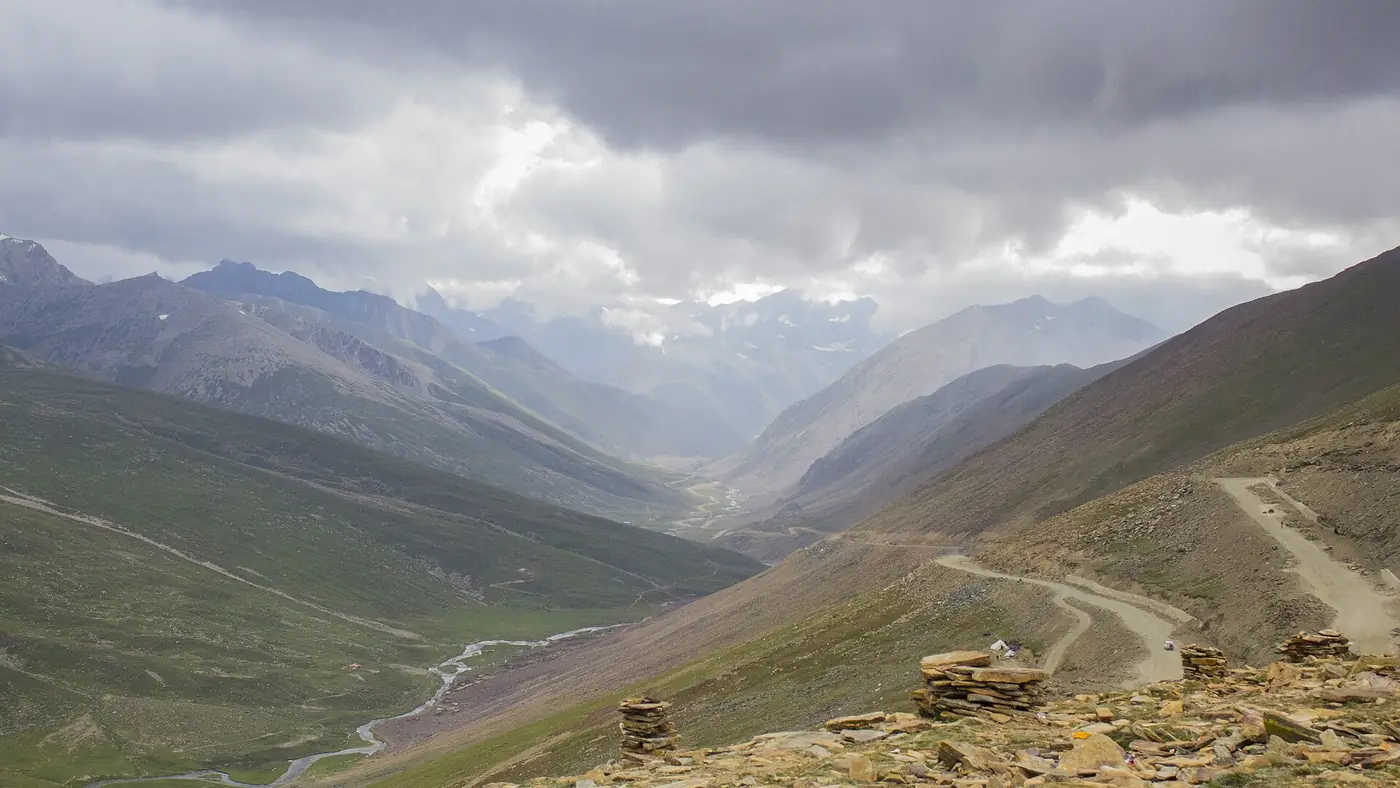
The lower part of the drive from Naran climbs gently; the last stretch to the top tightens into a series of switchbacks with sharper turns and steeper gradients. A few habits make the difference:
- Keep a steady, moderate speed rather than accelerating between bends and braking hard into them.
- Use a lower gear on climbs rather than letting the engine labour in a high gear.
- Give way on blind corners. Sections are narrow enough that oncoming traffic needs room, and horns are used on this road for a reason: sound yours approaching blind bends.
- Don't overtake on the hairpins. Wait for a straight, visible stretch.
The descent matters more than the climb
Most trouble on mountain roads happens going down, not going up, because it is easier to let speed build without noticing. On the way down from Babusar Top:
- Use a low gear and engine braking, rather than riding the brake pedal continuously.
- Stop to let the brakes cool if you smell them or the pedal starts to feel soft, rather than pushing on.
- Keep well back from the vehicle in front, since stopping distances on a downhill gradient are longer than they feel.
If you are continuing beyond the top towards Chilas on the Gilgit-Baltistan side, be aware that sections of that descent have been reported under construction or in rougher condition at times, so a careful pace and good brakes matter just as much there as on the Naran side. Our Babusar Pass guide covers that stretch of the drive stop by stop.
When not to drive it yourself
Consider a local jeep or driver instead of your own car if any of the following apply: you or your driver have little experience on steep mountain roads, the car's brakes or tyres are not in good order, you would be driving after dark, or the weather forecast for the day includes rain, snow or low cloud. Crossing hours are set by the local administration each season, and travel outside daylight hours has been restricted in recent years, so plan to be back down well before dusk regardless of which vehicle you use.
Frequently asked questions
Can a sedan reach Babusar Top?
Yes, in summer. The road is paved from Naran to the top, and ordinary cars make the trip regularly, provided the brakes and tyres are in good condition.
Do you need a 4x4 to go to Babusar Top?
Not for the main road from Naran, which is paved. A 4x4 is not required for this route, unlike side tracks such as Lalazar, though some travellers prefer one for extra confidence on the steeper hairpins.
What causes most accidents on the Babusar road?
Brake failure on the steep descent, usually linked to worn brakes, riding the brake pedal continuously instead of using engine braking, or a driver unfamiliar with mountain roads.
Is fuel available on the way to Babusar Top?
No. Fill up in Naran. There is no reliable fuel between Naran and the top, or on the descent towards Chilas.
Is it safe to drive to Babusar Top at night?
No. The road is intended for daylight travel, and night driving on this route has been restricted in recent seasons. Plan to be back down before dusk.