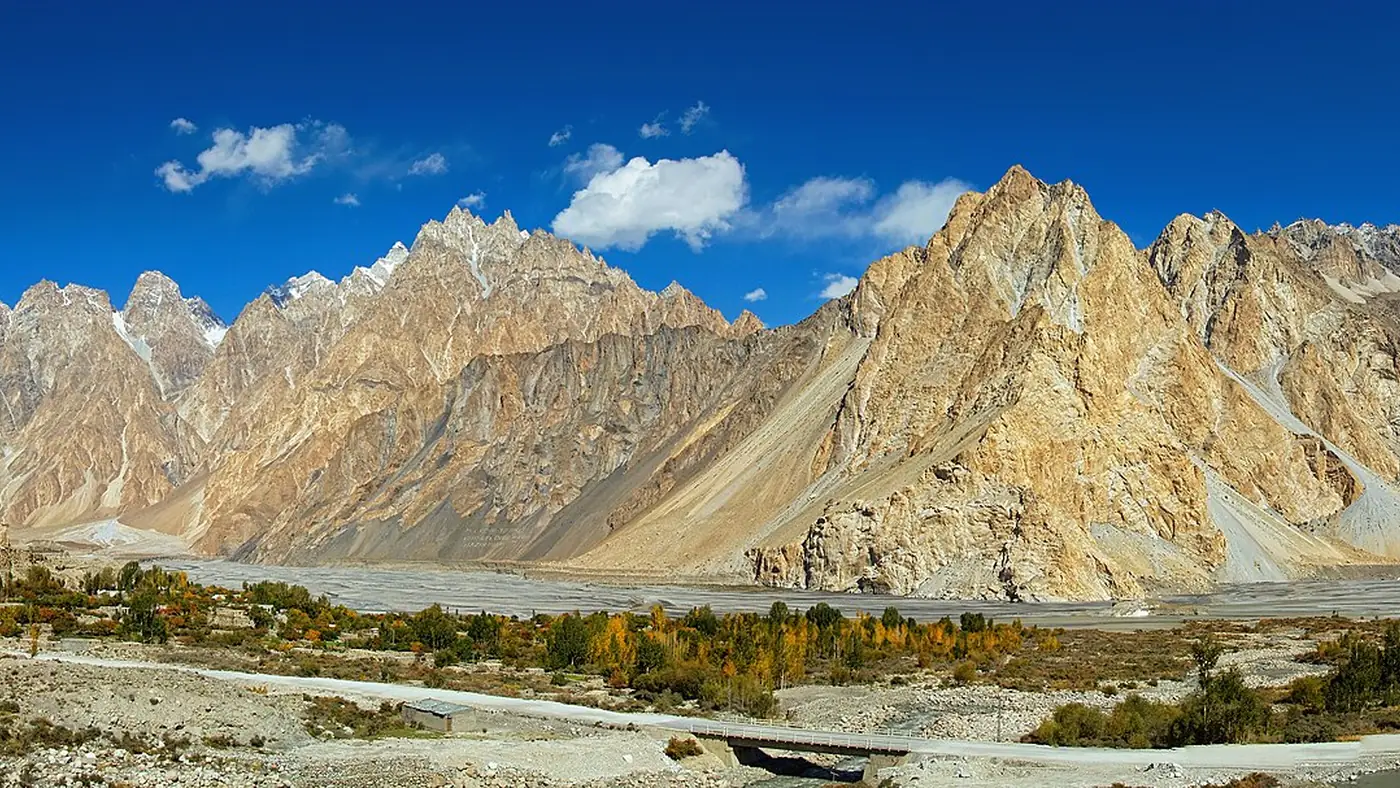
Pakistan's best treks range from a half-day walk to a meadow with no previous hiking needed, to the three-week trek up the Baltoro Glacier to K2 base camp, one of the hardest treks in the world to reach on foot. Between those extremes is a wide middle ground of three- to seven-day routes in the Karakoram, the Hindu Kush and Kashmir that suit a fit, reasonably prepared traveller.
This guide ranks the best-known treks by difficulty and length, so you can match a route to your time, fitness and experience rather than picking a name you've seen in photos.
| At a glance | |
|---|---|
| Main season | June to September for high routes; May–October for lower ones |
| Easiest starting points | Fairy Meadows, Siri Paye, the Galiyat hills |
| Hardest classic route | K2 base camp, 14 or more days on the Baltoro Glacier |
| Guides | Recommended for all multi-day treks; required for restricted zones |
| Permits | Needed for national parks and areas near the Line of Control or border |
Easy: a day or half-day, no trekking experience needed
These suit families, first-timers and anyone short on time who still wants a proper walk with a view at the end.
- Fairy Meadows to the Nanga Parbat viewpoint, a gentle walk from the meadow itself, with the classic view of Nanga Parbat's Rupal side as the reward. See our Fairy Meadows hike guide for the route.
- Siri Paye, a short walk across open meadows near Shogran, easy enough for children.
- Miranjani and Mushkpuri tops, half-day hikes above Nathia Gali in the Galiyat, both doable without a guide on a clear path.
Moderate: two to five days, a reasonable fitness level
Achievable for a fit adult without technical climbing experience, usually with porters or a guide carrying the heavier gear.
- Rakaposhi base camp, a three- to five-day route from Hunza to the foot of a 7,788-metre peak, with views rather than technical difficulty as the main draw.
- Rush Lake, a high-altitude lake trek from Nagar, tough on the lungs at altitude but not technical underfoot.
- Ansoo Lake, Dudipatsar and Katora Lake, a cluster of lake treks in Kaghan valley, each two to four days and popular as a first proper multi-day trek.
- Ratti Gali Lake, in Azad Kashmir, reachable as a long day hike or an overnight trek from Dowarian; see our Ratti Gali Lake trek guide.
- Ganga Choti and Jahaz Banda, moderate routes in Azad Kashmir and the Kalam area respectively, each doable in a long day or with one night out.
Demanding: five to ten days, real trekking fitness required
These need multiple consecutive days of walking at altitude, proper boots and layers, and ideally previous trekking experience.
- Nanga Parbat base camp, a longer and more committed version of the Fairy Meadows walk, reaching the foot of the mountain's Rupal Face over several days.
- Kutwal Lake and Chitta Katha Lake, less crowded high-altitude lake treks near Astore and in Neelum valley, each five to seven days with real elevation gain.
- Makra Peak, a demanding day-plus-overnight route in Kaghan valley that rewards a strong hiker rather than a beginner.
Expert: multi-week expedition-style trekking
These are the routes that put Pakistan on the world trekking map, and they need serious preparation, a licensed guide, and in most cases a permit.
- K2 base camp, 14 or more days up and down the Baltoro Glacier from Askole, passing beneath four of the world's fourteen 8,000-metre peaks. See our K2 base camp trek guide for the full route and what it takes.
- Gondogoro La, often combined with the K2 base camp trek as a high-altitude pass crossing back toward Hushe, adding technical difficulty and a few more days. Our Gondogoro La guide covers what makes it harder than a standard base camp trek.
- Snow Lake and the Biafo–Hispar traverse, among the longest and most remote treks in the Karakoram, for experienced expedition trekkers only.
When to go
June to September is the main season for anything above about 3,500 metres, once the high passes clear of snow and before autumn snow returns. Lower routes, like Fairy Meadows, Siri Paye and the Galiyat hikes, have a longer window, roughly May to October. Our guide to the best time to visit Gilgit-Baltistan has more on the seasonal calendar if you're planning a trek alongside the rest of a trip.
Permits, guides and porters
Most easy and moderate treks in Gilgit-Baltistan, Kaghan and Kashmir need no special permit beyond the usual national park entry fee, though a local guide is strongly worth hiring even where it isn't required, for route-finding and river crossings. Treks that enter Central Karakoram National Park, including the K2 base camp route and Gondogoro La, require a permit arranged in advance through a licensed operator, and areas close to the Line of Control or international border may need additional clearance. Independent, unguided trekking is not realistic for the demanding and expert routes; a guide and porters are how these treks are actually done.
What to carry, beyond the obvious
Every tier above needs proper boots broken in before the trip, layers for cold nights even in July and August, and sun protection strong enough for altitude. Beyond that, requirements scale with the trek: a day walk needs little more than water and snacks, while the demanding and expert routes need a good sleeping bag, a stove or porter-carried cooking arrangement, and enough medication and first-aid supplies for a group days from the nearest road. For anything above the moderate tier, go through the checklist with your guide or operator before you leave rather than assuming your regular hiking kit is enough at 4,000 metres and above.
Choosing a trek for your group
If you're not sure where to start, match the trek to the least experienced person in your group, not the fittest. A family with children under twelve is well served by Fairy Meadows or Siri Paye and no further. A group of fit adults with no technical trekking background can handle most of the moderate list in this guide with a guide and reasonable preparation. Only commit to the demanding or expert tiers if someone in the group has done a multi-day high-altitude trek before, or you're travelling with an experienced guide from day one.
Frequently asked questions
What is the easiest trek in Pakistan for beginners?
The walk from Fairy Meadows to the Nanga Parbat viewpoint, or Siri Paye near Shogran, both manageable in a few hours with no previous trekking experience.
How long does the K2 base camp trek take?
Around 14 days for the trek itself, often 18 to 21 days including travel to and from Skardu, making it one of the longest classic treks anywhere.
Do I need a permit to trek in Pakistan?
Not for most easy and moderate routes outside restricted zones, but treks into Central Karakoram National Park, including K2 base camp, do require a permit arranged through a licensed operator.
What is the best month for trekking in the Karakoram?
July and August are the most reliable months for high routes, when snow has cleared from the passes and weather is at its most settled.
Can a family with young children do a multi-day trek in Pakistan?
Stick to easy day walks like Fairy Meadows or Siri Paye with young children. Multi-day treks at altitude are better suited to older children and adults.