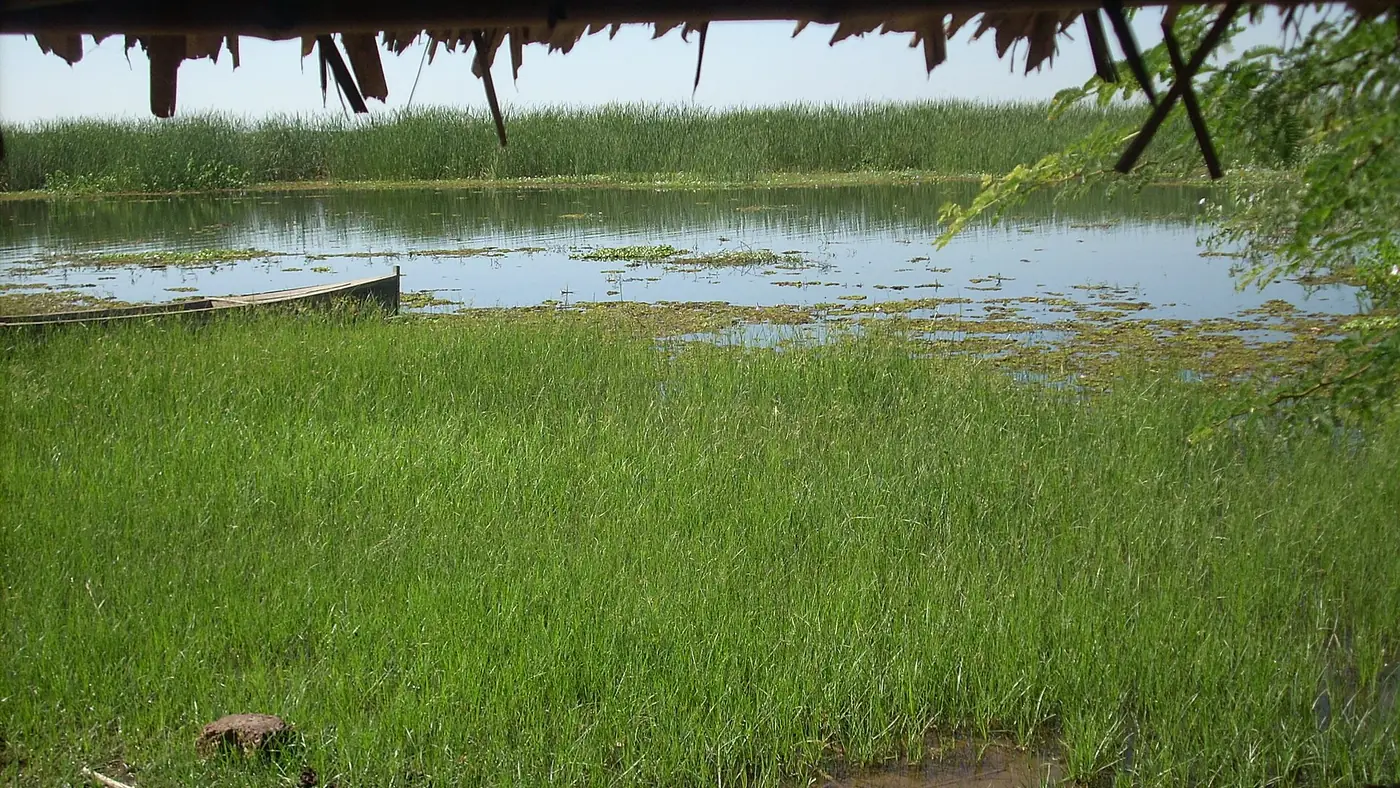
Banbhore is the excavated ruin of an ancient port city on the N-5 about 65 km from Karachi, on the bank of the Gharo Creek in Thatta district. Archaeologists have traced settlement here back more than 2,000 years, through Scytho-Parthian, Hindu-Buddhist and early Islamic periods, and the site includes the remains of one of the earliest mosques in the subcontinent. A small museum by the ruins displays what excavation has turned up. It's a site for people who enjoy ruins and history rather than a grand monument, and it pairs naturally with a longer day towards Thatta.
This guide covers the ruins, the mosque, the museum, the long-running debate over the city's identity, and how to fit it into a Thatta day trip.
| At a glance | |
|---|---|
| Where | On the N-5, on the bank of Gharo Creek, Thatta district |
| From Karachi | About 65 km, roughly an hour |
| History spans | 1st century BC to 13th century AD |
| Notable ruin | A mosque with an inscription dated to 727 AD |
| Museum | Established 1960, run by the Sindh Culture Department |
| Combine with | Chaukhandi Tombs, Makli and Thatta on the same road |
What is Banbhore?
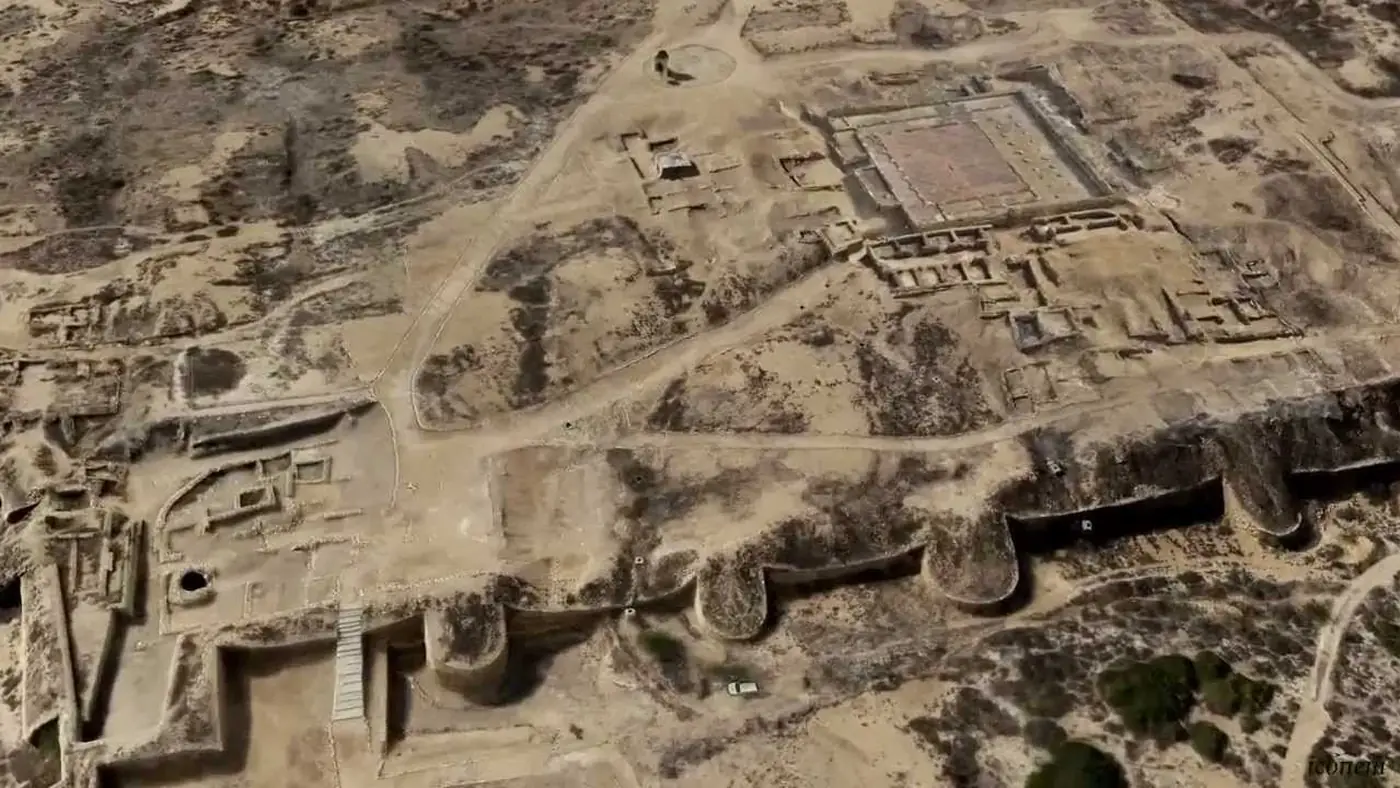
Banbhore is a low mound on the north bank of the Gharo Creek, excavated from the late 1950s onward to reveal the layered remains of a port city occupied across three broad periods: an early Scytho-Parthian settlement, a Hindu-Buddhist period, and an early Islamic city. Major excavations under Dr F. A. Khan ran from 1958 to 1965, following earlier, smaller surveys in 1928 and 1951, and uncovered fortified gateways, streets, houses, a stone structure thought to be a temple, a Shiva linga, and the remains of a mosque.
What's visible today is largely foundations and low walls rather than standing structures, laid out across the site so you can trace the old street pattern and the line of the city walls.
The mosque and the Debal question
The ruin most historians single out is a mosque with an inscription dated to 727 AD, found during excavation in 1960, sixteen years after the Arab conquest of Sindh, which makes it one of the earliest mosque remains identified in the region.
That conquest is where Banbhore's other claim to fame, and its central controversy, comes in. A long-standing theory holds that Banbhore is the site of Debal, the port city taken by the Arab general Muhammad bin Qasim in 711–712 after his defeat of Raja Dahir, the last Hindu ruler of Sindh. The identification has never been conclusively confirmed. It has been argued over for decades, including at a dedicated international conference on Banbhore in 2012 where specialists set out both sides of the case, and it remains an open question rather than a settled fact. Treat "Banbhore is Debal" as a leading theory, not a certainty, when you're at the site.
The museum
The Banbhore Museum, established by the federal Department of Archaeology and Museums in 1960 and formally opened in 1967, sits beside the ruins and now falls under the Sindh Culture Department, which took over management of the site in 2010. It displays what excavation recovered: storage jars, kitchen utensils, coins in copper and silver, metalwork, ivory, beads and precious stones, and terracotta figurines.
There's a modest entry charge, generally lower for Pakistani visitors than for foreign nationals; carry small notes, as the exact figure changes and isn't consistently published. Give the museum twenty to thirty minutes before or after walking the ruins outside.
What excavation revealed, period by period
The layered mound at Banbhore is what makes it valuable to archaeologists, since each period built over the last rather than replacing it entirely. Excavators identified an early Scytho-Parthian settlement in the lowest levels, dating back towards the 1st century BC, followed by a Hindu-Buddhist period that left behind a stone structure thought to be a temple and a Shiva linga, and finally an early Islamic city, the period the mosque and much of the visible fortification belong to.
The city was fortified with walls and at least three gateways, and excavation uncovered streets and house foundations inside them, along with structures near the creek interpreted as part of the old anchorage, evidence of the settlement's working life as a port. Reading the site this way, as a sequence of periods rather than a single ruin, is the most rewarding way to walk it.
Visiting Banbhore
The site sits right on the N-5, so it doesn't need much of a detour if you're already heading towards Thatta.
- Wear shoes that grip. The ruins are on open, uneven, stony ground with no shade.
- Go in the cooler months, November to March, for the same reason the ground at Makli is easier to walk in winter.
- Allow about an hour for the ruins and museum together, longer if you want to read the site's history properly rather than just walk through it.
- Bring water. There's little available on site.
Fitting it into a Thatta day
Banbhore sits between the Chaukhandi Tombs and Thatta on the same road, so it slots naturally into a longer day:
- Chaukhandi Tombs, about 30 km from Karachi; see our Chaukhandi Tombs guide.
- Banbhore, roughly 65 km from Karachi.
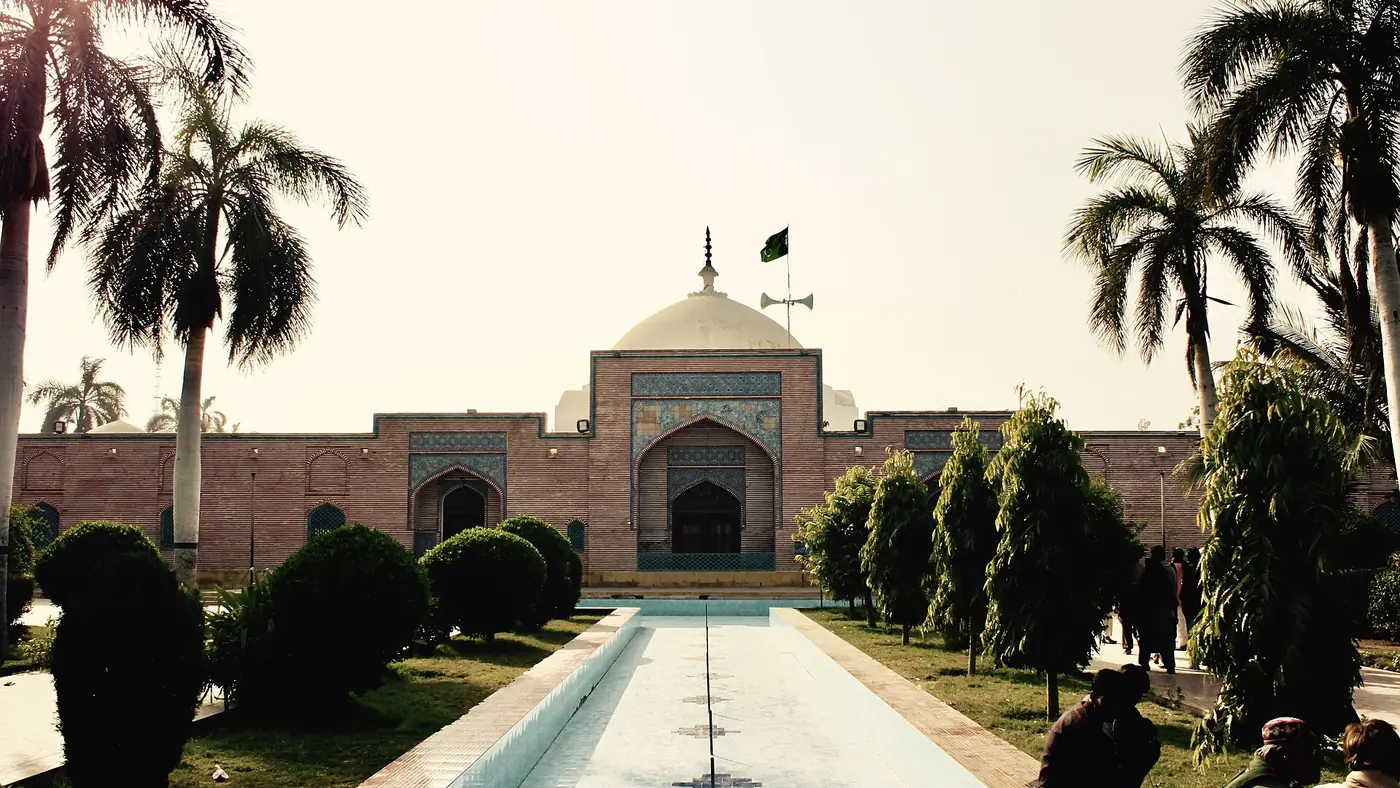
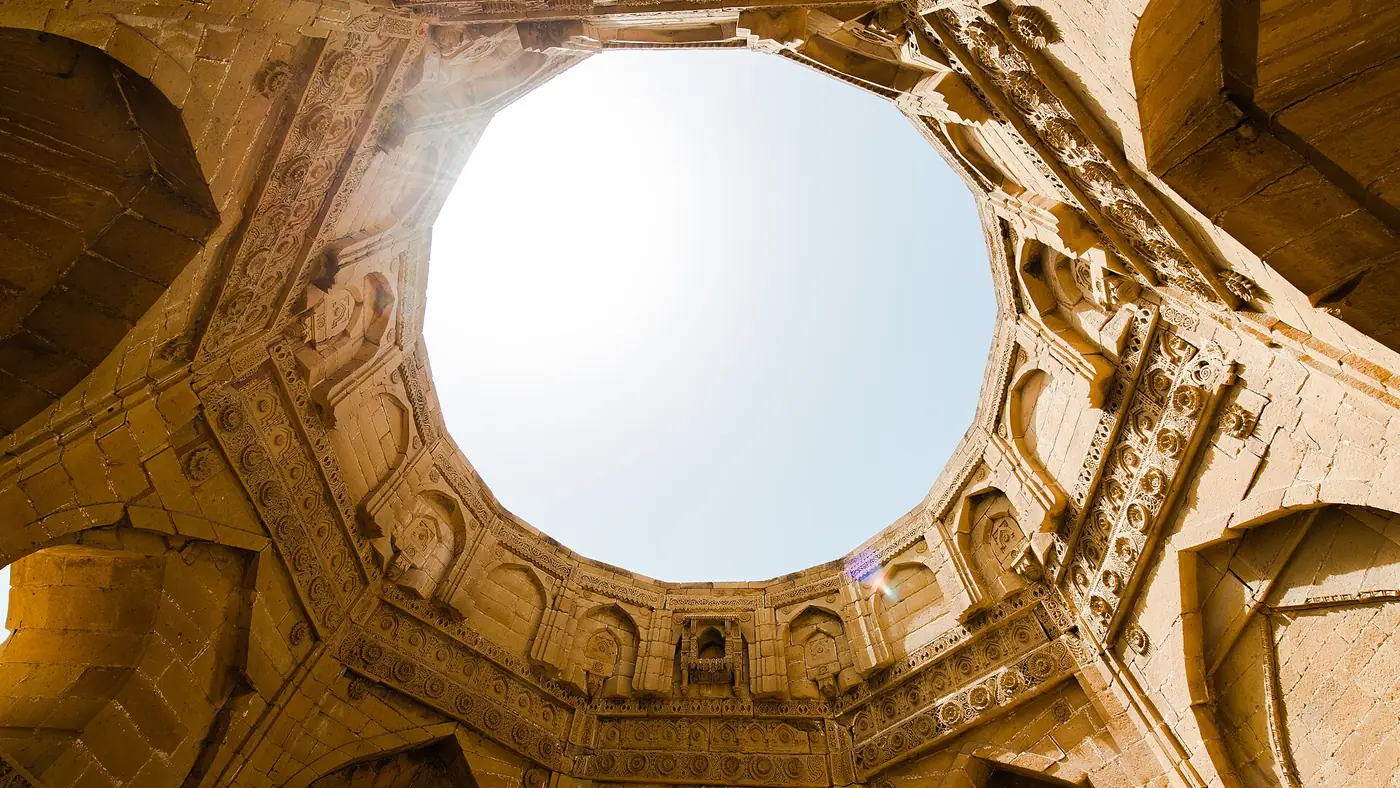
- Makli Necropolis and the Shah Jahan Mosque in Thatta, about 100 km from Karachi; our guides to Makli and the Shah Jahan Mosque cover both.
Our Thatta day trip plan sets out the full route with timings, and adding Banbhore extends that day by roughly an hour. For a wider trip through lower Sindh, our trip planning page is a good starting point.
Is Banbhore worth the stop?
For anyone with a real interest in archaeology or early Islamic history, yes: it's a rare chance to see a mosque site from within a few decades of the Arab conquest of Sindh, and the layered history beneath it is genuinely unusual. Visitors looking for a photogenic monument rather than foundations and a small museum will get more out of Makli or the Shah Jahan Mosque, and might treat Banbhore as an optional add-on rather than a must-see.
It works well combined with Chaukhandi and Thatta on the same road, and poorly as a destination in its own right, given the drive out from Karachi.
Frequently asked questions
What is Banbhore famous for?
It's an excavated ancient port city on the Gharo Creek, occupied from around the 1st century BC to the 13th century AD, and home to the ruins of a mosque dated to 727 AD, one of the earliest known in the region.
Is Banbhore the same as Debal?
Many historians believe Banbhore may be the site of Debal, the port city conquered by Muhammad bin Qasim in 711–712, but the identification has not been conclusively proven and is still debated among archaeologists.
How far is Banbhore from Karachi?
About 65 km, roughly an hour's drive on the N-5 National Highway towards Thatta.
Is there a museum at Banbhore?
Yes. The Banbhore Museum, beside the ruins, displays pottery, coins, metalwork, ivory and terracotta figurines recovered from the site. There's a modest entry fee, more for foreign visitors than for Pakistanis.
Can Banbhore be combined with a trip to Thatta?
Yes. It sits directly on the N-5 between the Chaukhandi Tombs and Thatta, so it adds roughly an hour to a day trip that also covers Makli and the Shah Jahan Mosque.