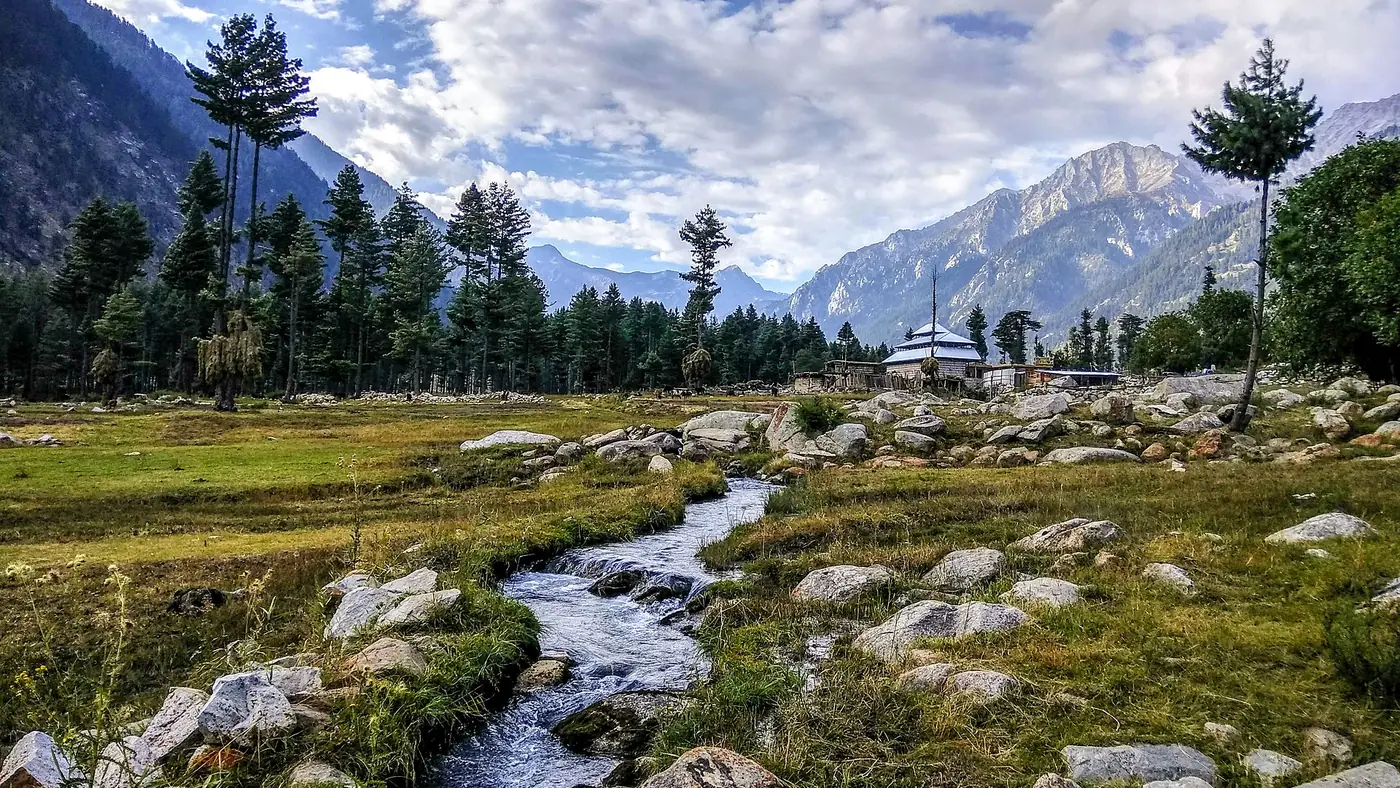
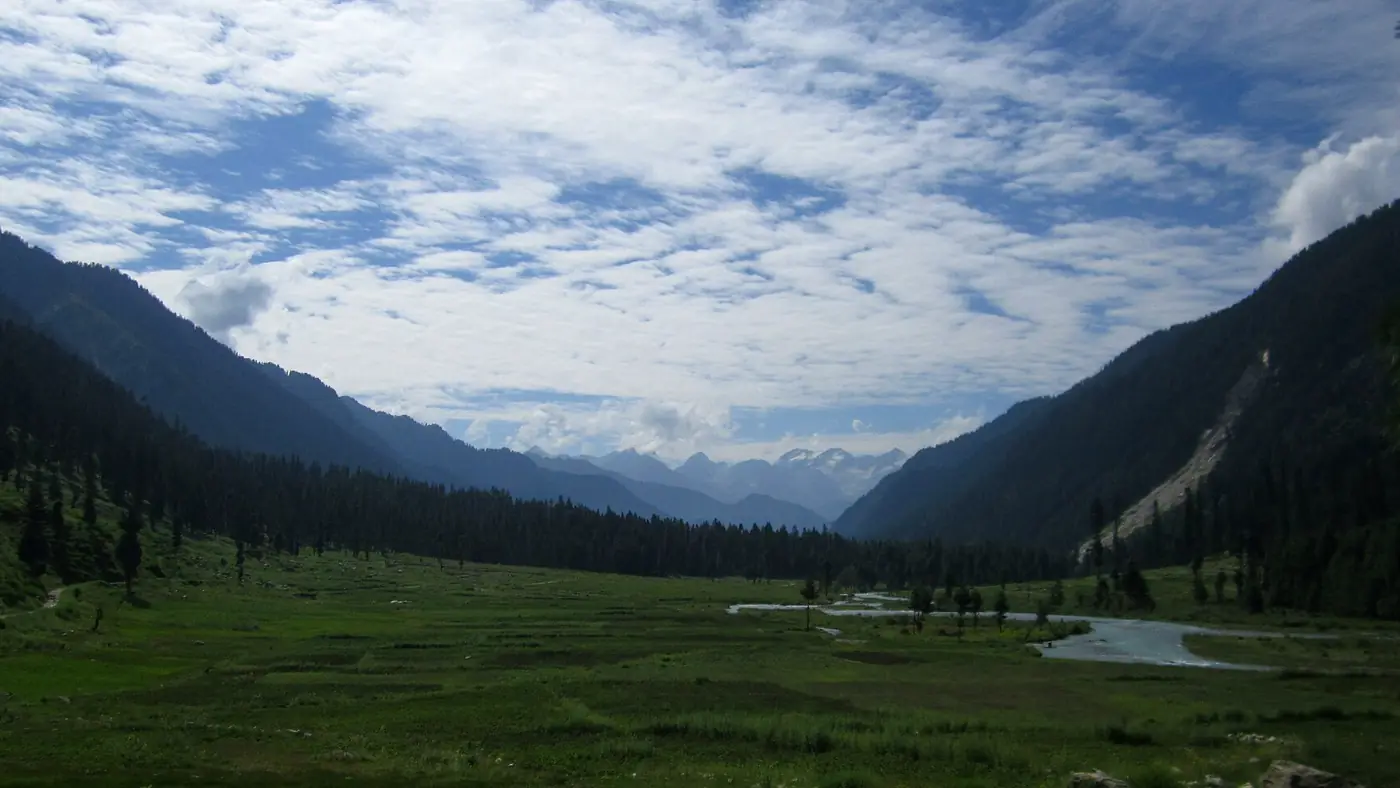
The wooden mosque of Thal, the Jamia Masjid on the bank of the Panjkora River, is one of the oldest buildings in the Kumrat valley and the reason many visitors give Thal more than the few minutes it takes to change into a jeep. Built almost entirely of deodar wood, with large hand-carried pillars and beams, it dates back to the 19th century and has survived a fire and more than a century of rebuilding.
This guide covers its history, what makes the building worth a stop, and how to visit it properly.
| At a glance | |
|---|---|
| Where | Thal bazaar, on the bank of the Panjkora River |
| Built | 19th century (commonly given as 1865) |
| Material | Deodar wood throughout, with stone in places |
| Key event | Damaged by fire in 1950, rebuilt with wood soon after |
| Later addition | A second storey, begun in 1998 and finished around nine years later |
| Visiting | Outside prayer times, dress modestly, ask before entering |
The history of the mosque
The mosque is commonly dated to 1865, built in an era when deodar, the tall cedar that fills the forest above the village, was the material at hand and the skill to work it ran deep in Dir Kohistan. Its large wooden pillars and beams are said to have been carried into place by dozens of villagers, since machinery to lift timber of that size did not exist locally at the time.
In 1950 a fire damaged part of the building. Local accounts describe the community rebuilding it soon afterwards, again in wood, keeping the structure and character of the original. Decades later, in 1998, work began on adding a second storey, a project that took roughly nine years to complete. That upper floor now looks out over the surrounding fields and the river running past the village.
What makes it worth seeing
The mosque's appeal is straightforward: a large religious building made almost entirely of carved wood, standing in a village at the edge of one of Pakistan's more remote forest valleys. The pillars are unusually large for a timber structure of this kind, and the beams and surfaces carry floral and geometric carving typical of the woodworking tradition found across Dir Kohistan and the wider Kohistan region, where similar wooden mosques and houses appear in other villages along the Panjkora.
From the upper storey, added in the 1998 to 2007 rebuild, there are views over the green fields around Thal and the river itself, a different angle on the village from the bazaar at ground level.
Visiting etiquette
The mosque is an active place of worship, not a museum, and the normal rules for visiting any mosque in Pakistan apply:
- Avoid prayer times. Visit outside the five daily prayers, and definitely outside Friday prayers, when the mosque is in use and not the moment for sightseeing.
- Dress modestly. Cover shoulders and knees, and women should bring a scarf to cover their head if going inside.
- Ask before entering, especially the interior or the upper floor. A polite request to a local person nearby usually gets a friendly answer.
- Remove your shoes before stepping onto any carpeted or matted area, as you would at any mosque.
- Keep photography respectful. Ask before photographing anyone praying or attending to the mosque, even if the building itself is a fair subject.
Fitting it into a Kumrat trip
Thal is where every Kumrat visitor changes from car to jeep, which makes the mosque an easy stop rather than a detour: most people see it while their driver is arranging the jeep or loading bags, or on the way back through the bazaar at the end of the trip. Our Kumrat Valley guide covers Thal's place in the wider valley, and our guide to places to visit in Upper Dir sets it alongside the district's other sights.
Give it twenty minutes to half an hour if you want to look properly rather than glance at it from the road. It suits anyone with an interest in traditional architecture, and it is a good, low-effort stop for families waiting on a jeep to be arranged.
Frequently asked questions
How old is the wooden mosque in Thal?
It is commonly dated to 1865, making it well over a century and a half old, though it has been rebuilt and extended since, most notably after a fire in 1950.
What is the Thal mosque made of?
Almost entirely deodar wood, including its large pillars and beams, with some use of stone. A second storey was added between 1998 and around 2007.
Can non-Muslim visitors go inside?
Ask locally before entering. Many mosques in Pakistan welcome respectful visitors outside prayer times, provided they dress modestly and follow normal etiquette.
Where exactly is the mosque in Thal?
In Thal bazaar, on the bank of the Panjkora River, at the point where most visitors arrive by car and switch to a jeep for the rest of the Kumrat valley.
Is Dir safe for overseas visitors?
Pakistani visitors still travel to Upper and Lower Dir, including Kumrat, but as of September 2026 the UK government advises against all travel to both districts. If you hold a foreign passport, check your own government's advice before you go, because travelling against it can void your insurance. Everyone should check local news and current police advice before setting out.