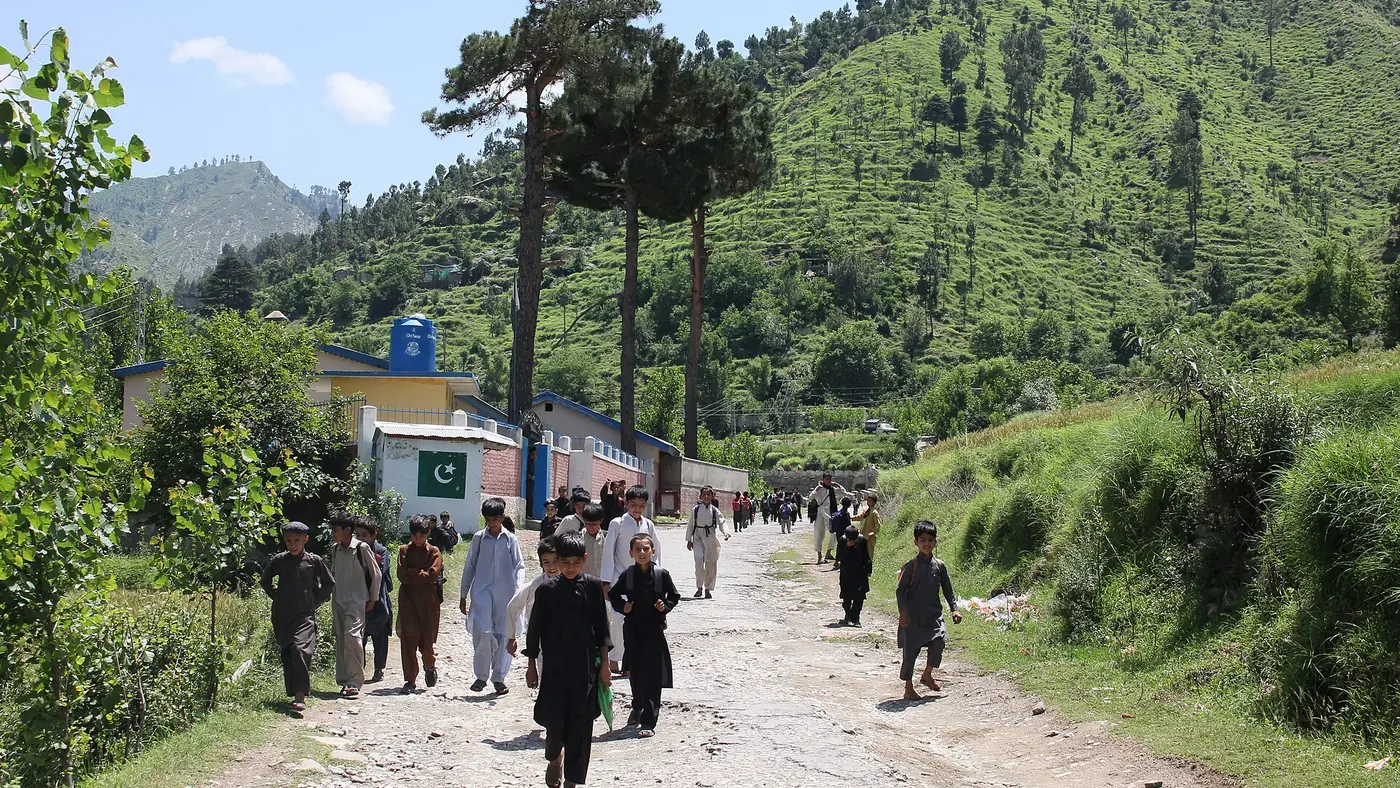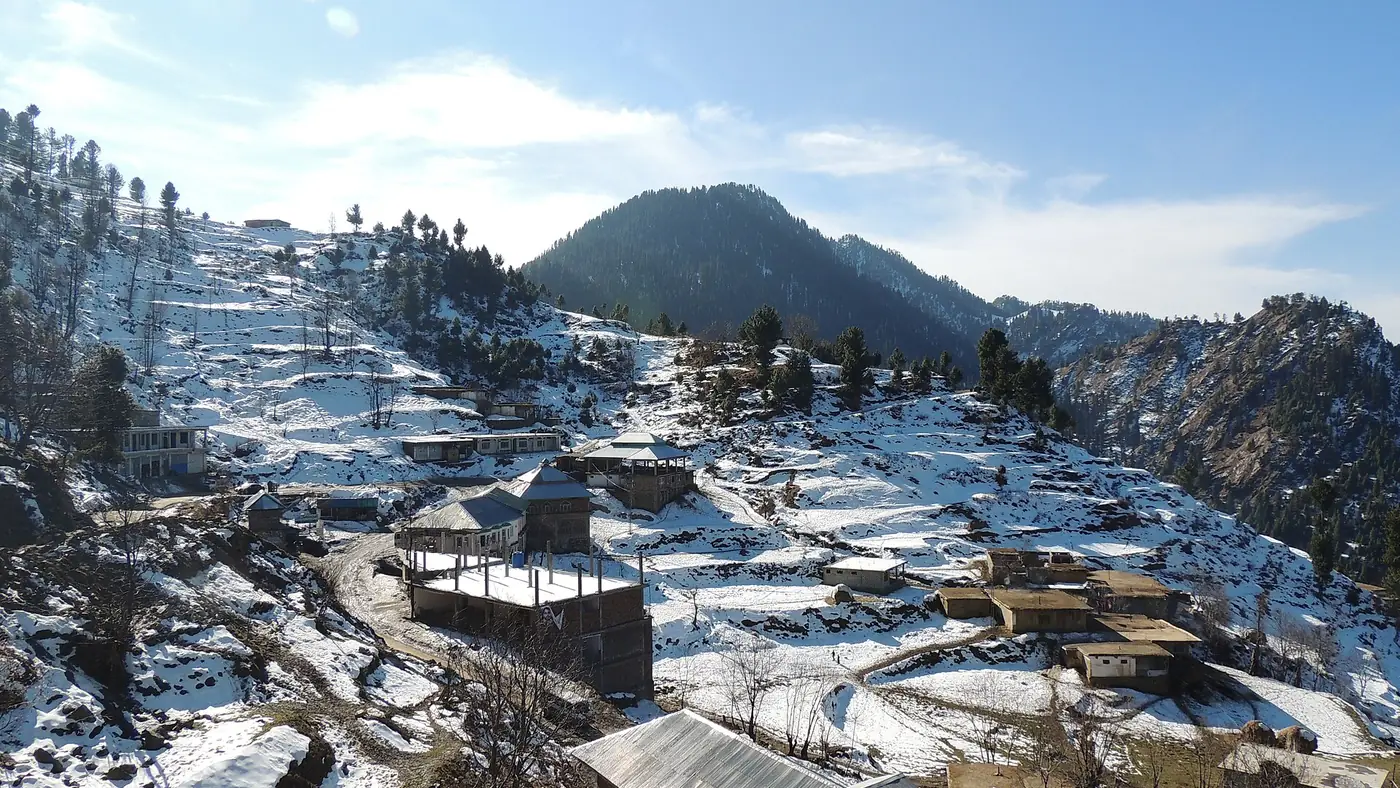
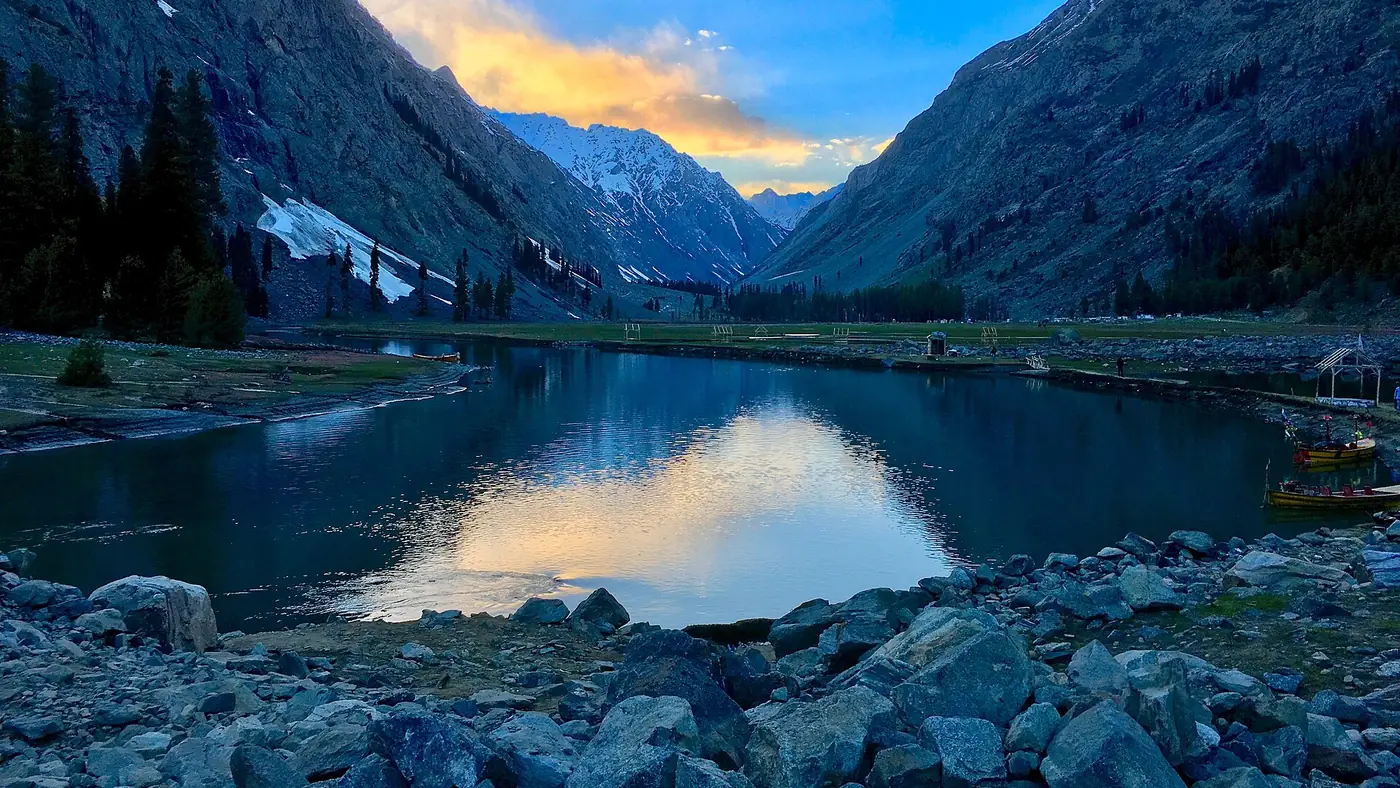
This Swat and Kalam itinerary for 5 days, from Islamabad and back, gives you two nights in Mingora and two in Kalam. That is enough time to see the Buddhist sites of lower Swat properly, ride the chairlift at Malam Jabba, walk in the Ushu forest and spend a whole day at Mahodand Lake, without a single day that starts in the dark. Only the last day is a long drive.
It suits families, couples and first-timers who would rather see fewer places well than tick off everything. Below is the plan day by day, with driving times, where to stay, what to swap in each season, and how to stretch it to six days.
| At a glance | |
|---|---|
| Start and finish | Islamabad |
| Nights | Two in Mingora or Saidu Sharif, two in Kalam |
| Longest drive | Day 5, Kalam to Islamabad, 7 to 9 hours |
| Other driving days | About 4 hours on day 1; 3.5 to 5 hours on day 3 |
| Jeep day | Day 4, Kalam to Mahodand Lake and back |
| Best months | June to early October, when the Mahodand track is open |
| Vehicle | A normal car to Kalam in dry weather; a hired jeep for Mahodand |
How this plan differs from a three-day trip
A three-day trip covers Mingora, Malam Jabba and Kalam, but it spends most of the time in the car and leaves out Mahodand and nearly all of the archaeology. Our three-day Swat itinerary is the right plan if that is all the time you have.
With five days, three things change. You get a whole day in lower Swat for the Gandharan and early Islamic sites. Malam Jabba becomes an afternoon rather than a rush. And the second night in Kalam gives Mahodand a full day of its own, with the Ushu forest along the way.
Day 1: Islamabad to Saidu Sharif, the museum and Butkara
Driving: about 4 hours. Night: Saidu Sharif or Mingora.
- Leave Islamabad around 7 am. Take the M-1 and the Swat Motorway to Chakdara, then the N-95 up the valley.
- Stop at the Shingardar stupa at Ghalegay, right by the road, for a first look at Swat's Buddhist past.
- Arrive around 11 am, check in and have lunch.
- Swat Museum in the early afternoon. Give it an hour and a half. Its Gandharan sculpture sets up everything you see over the next two days.
- Butkara in the late afternoon, when the light is softer. Allow up to an hour among the ruins of one of the oldest stupas in the valley.
- Evening at Saidu Baba's shrine and in Mingora bazaar, with dinner in town.
A late start or heavy traffic only costs you Butkara, which fits easily into day 2.
Day 2: Udegram, the Jahanabad Buddha and Malam Jabba
Driving: about 3 to 4 hours in short legs. Night: Saidu Sharif or Mingora again.
- Udegram first thing, a short drive south of Mingora. See the Ghaznavid mosque, founded in 1048–49 CE, and if everyone is up for it climb to the ruins of Raja Gira's castle above it for the view down the valley. Allow two hours with the climb.
- Back through Mingora and north to Manglor, then right onto the Malam Jabba road.
- The Jahanabad Buddha, around midday. A short, steep walk through orchards leads to the carved seated Buddha, restored by Italian archaeologists after militants damaged its face in 2007.
- Lunch, then Malam Jabba in the afternoon. The chairlift, the zipline if anyone wants it, and cooler air at the top. It is about 40 km from Mingora in all.
- Back in Mingora by early evening, with time to rest before dinner.
If you prefer history to rides, skip Malam Jabba and drive out to the White Palace at Marghazar, 13 km from Saidu Sharif, for tea on the lawns instead. Enthusiasts could add Amluk Dara near Barikot, often called the finest surviving stupa in Swat, though the site is unprotected and has been damaged by treasure hunters.
Day 3: Mingora to Kalam, slowly
Driving: 3.5 to 5 hours, about 100 km. Night: Kalam.
There is no rush today, so leave after a proper breakfast, around 9 am.
- Through Khwazakhela and Fatehpur, with the river beside you. If you have time and interest, the side road from Fatehpur climbs about ten kilometres to Miandam, a quiet hill village, for tea.
- Lunch in Madyan, about 55 km from Mingora, where the valley narrows and the air cools.
- A walk through Bahrain bazaar, 5 km further on, where the Daral stream joins the Swat river.
- Bahrain to Kalam, the slow stretch. Parts of this road were destroyed by the 2022 floods and are still broken, so take it gently and in daylight.
- Arrive in Kalam in the afternoon. Check in, then walk down to the river and through the bazaar. Save Ushu for tomorrow, when you will pass through it on the way to the lake.
Book your Mahodand jeep this evening, through your hotel or at the jeep stand. Agree the price, the stops at Ushu and Matiltan, how long you will stay at the lake, and whether the fare is for a return trip. In 2026 a return jeep costs roughly PKR 7,000 to 15,000, depending on the month.
Day 4: Ushu forest and Mahodand Lake
Driving: a full day by jeep, around 2 hours each way to the lake. Night: Kalam.
- Leave Kalam by 8 or 9 am. The first few kilometres up to Ushu are on a reasonable road through tall deodar forest.
- A short stop in the Ushu forest on the way up, while the light is still low through the trees.
- Matiltan, where the valley opens out and, on a clear morning, Falak Sar rises to 5,918 metres above it. Beyond here the track becomes rough, with stream crossings.
- Mahodand Lake by late morning. At 2,865 metres the air is cool even in July, so bring warm layers. There are tea stalls, boats and horses, all to be priced before you start. Walk along the shore away from the crowd near the road-end.
- Leave the lake by 2 or 3 pm, with a longer stop in the Ushu forest on the way down for a walk along the river in the afternoon light.
- Back in Kalam in the late afternoon.
The track is usually open from late May or June to around October. In July and August, storms can close it for a day; if that happens, swap days 3 and 4 around a rest day, or spend the day on the jeep road to Utror instead.
Day 5: Kalam to Islamabad
Driving: 7 to 9 hours, about 350 km. Night: home.
- An early start, 7 or 8 am, to do the broken road above Bahrain while you are fresh.
- Coffee or lunch in Madyan or Mingora, whichever suits your timing.
- Mingora to Islamabad, three and a half to four hours on the N-95, the Swat Motorway and the M-1.
- Home by late afternoon or early evening.
This is the only hard day of the trip. With one driver, stop every two hours, and on a Sunday or the last day of Eid expect queues at the M-1 toll plazas into Islamabad.
Where to stay
- Nights 1 and 2, Saidu Sharif or Mingora. Staying two nights in one hotel is what makes the first half relaxed. Saidu Sharif is quieter; central Mingora is closer to the food.
- Nights 3 and 4, Kalam. Choose a hotel set back from the river, with heating if you travel in late September or October. In July and August, book well ahead.
Our where to stay in Swat guide compares these bases, and Madyan as an alternative if Kalam is full.
Adjusting for the season and for security
By season
- June: the best version of this plan for families, with Kalam cool and the Mahodand track newly open. Mingora is hot, so do the museum and Butkara early and late in the day.
- July and August: it works, but keep day 4 flexible, avoid the riverbank everywhere, and check weather alerts each evening.
- September to early October: the ideal time. Clear weather, the track still open, and far fewer people.
- Late October to May: the Mahodand track is closed or uncertain, so replace day 4 with Utror or a quiet day in Kalam in autumn, and in winter swap Kalam for a second day at Malam Jabba in the snow.
Our guide to places to visit in Swat has more on each stop, including how long each one needs.
Security in 2026
Security worsened in Swat in 2026. Militants were reported in the hills of Matta and Charbagh in the summer, and on 2 August a suicide bombing at a peace rally in Kabal, near Mingora, killed 17 people. This plan keeps to the main valley and its busiest sights, but check the news in the week before you travel, keep your CNIC handy for checkpoints, and follow local advice if anything changes while you are there.
Is five days the right length?
For most first visits, yes. Five days is where Swat stops feeling like a drive and starts feeling like a holiday: you see both the archaeology of the lower valley and the forests and lake at the top, and you only have one truly long day.
It is not the right plan if you only care about snow, when two or three days around Malam Jabba make more sense, or if you want to trek, when you need a week and a guide. For the valley as a whole, see the Swat Valley page.
Stretching it to six days, or starting from Lahore
With a sixth day, add a second day in upper Swat. The best options are a jeep to Utror and on towards Gabral, or the walk from Ladu up to Kundol Lake. Alternatively, break the drive home with a night in Madyan, which turns day 5 into two easy half-days.
From Lahore, add a day at each end, or at least a night in Islamabad on the way up and the way back; Kalam to Lahore in one day is too much. Our Lahore to Swat guide covers that drive, and our Swat trip cost guide prices a trip like this for 2026.
Frequently asked questions
Is 5 days enough for Swat and Kalam?
Yes. Five days covers Mingora, the Buddhist sites, Malam Jabba, Kalam, the Ushu forest and Mahodand Lake, with only the last day spent mostly on the road.
How many nights should I spend in Kalam?
Two. The drive up takes most of a day, and Mahodand Lake needs a full day of its own by jeep, so one night in Kalam leaves no time for the lake.
Can I go to Mahodand Lake in my own car?
Not all the way. Normal cars can reach Kalam and the first part of the road through the Ushu forest, but beyond Matiltan you need a four-by-four jeep, hired in Kalam.
When is the best time for a 5-day Swat and Kalam trip?
June and September to early October. The Mahodand track is open, Kalam is pleasant, and you avoid the worst of the monsoon and the August crowds.
Where should I stay on a 5-day Swat trip?
Two nights in Saidu Sharif or Mingora and two in Kalam. Staying two nights in each place is what keeps the pace relaxed.
Can I do this itinerary with children?
Yes. It was planned with families in mind: short driving days except the last one, and plenty of time at each stop. Watch small children closely near the river and at the lake.