The Sacred Rock of Hunza, also called Haldeikish, is a cluster of large boulders beside the Karakoram Highway between Ganish and Attabad Lake, covered in carvings and inscriptions left by travellers on the old Silk Road. Most date from the first millennium AD, in scripts including Brahmi, Kharoshthi, Sogdian, Bactrian, Tibetan and Chinese. It takes only a few minutes to see from the road, and most visitors combine it with the walk through Ganish village a short drive away.
This guide covers what the carvings show, who left them, and how to find the rocks and read them with some idea of what you are looking at.
| At a glance | |
|---|---|
| Where | Beside the Karakoram Highway, between Ganish village and Attabad Lake |
| Altitude | About 2,300 m |
| From Karimabad | About 10 to 15 minutes by car |
| From Ganish village | About 5 minutes by car |
| Date of carvings | Mostly 1st millennium AD |
| Scripts | Brahmi, Kharoshthi, Sogdian, Bactrian, Tibetan, Chinese |
| Time needed | 15 to 30 minutes |
| Status | Protected cultural heritage site |
Where is the Sacred Rock of Hunza?
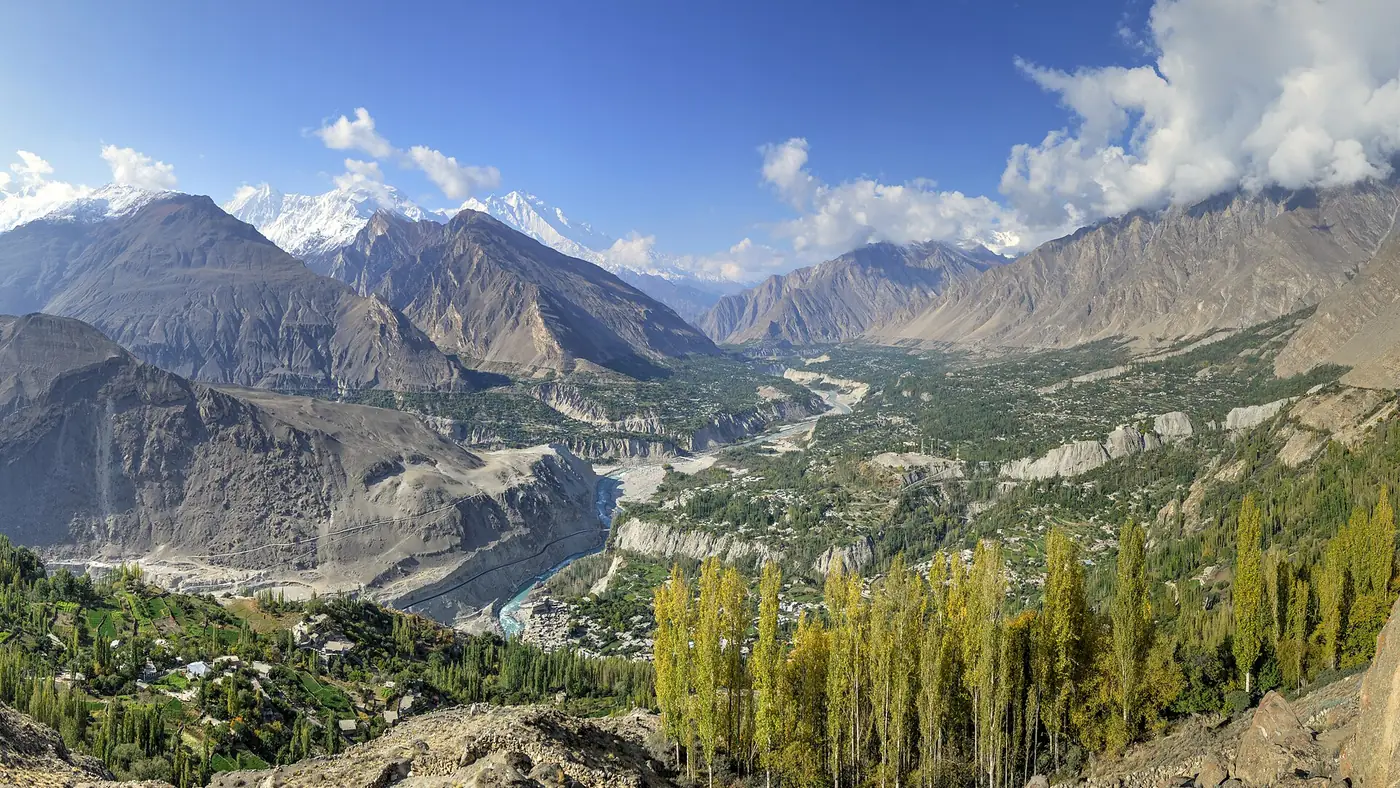
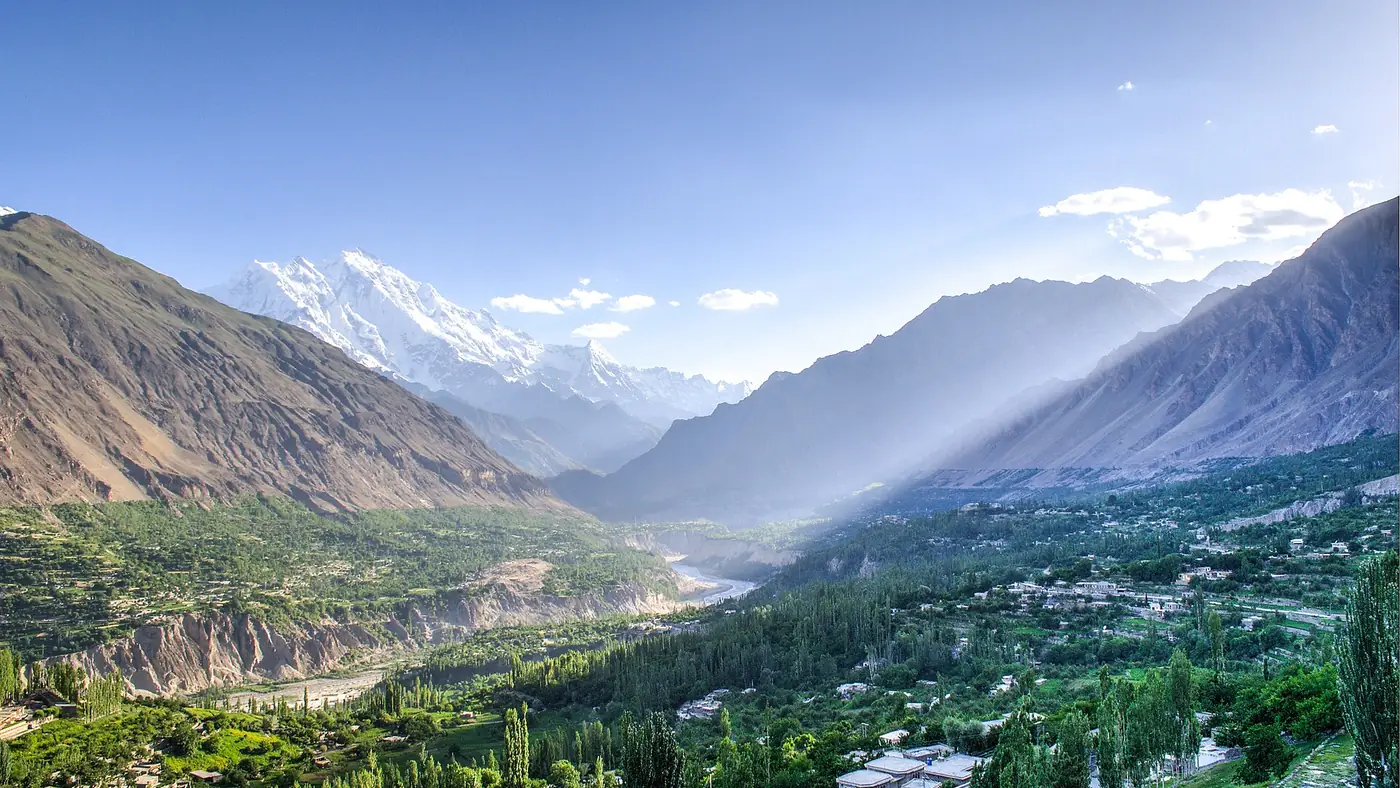
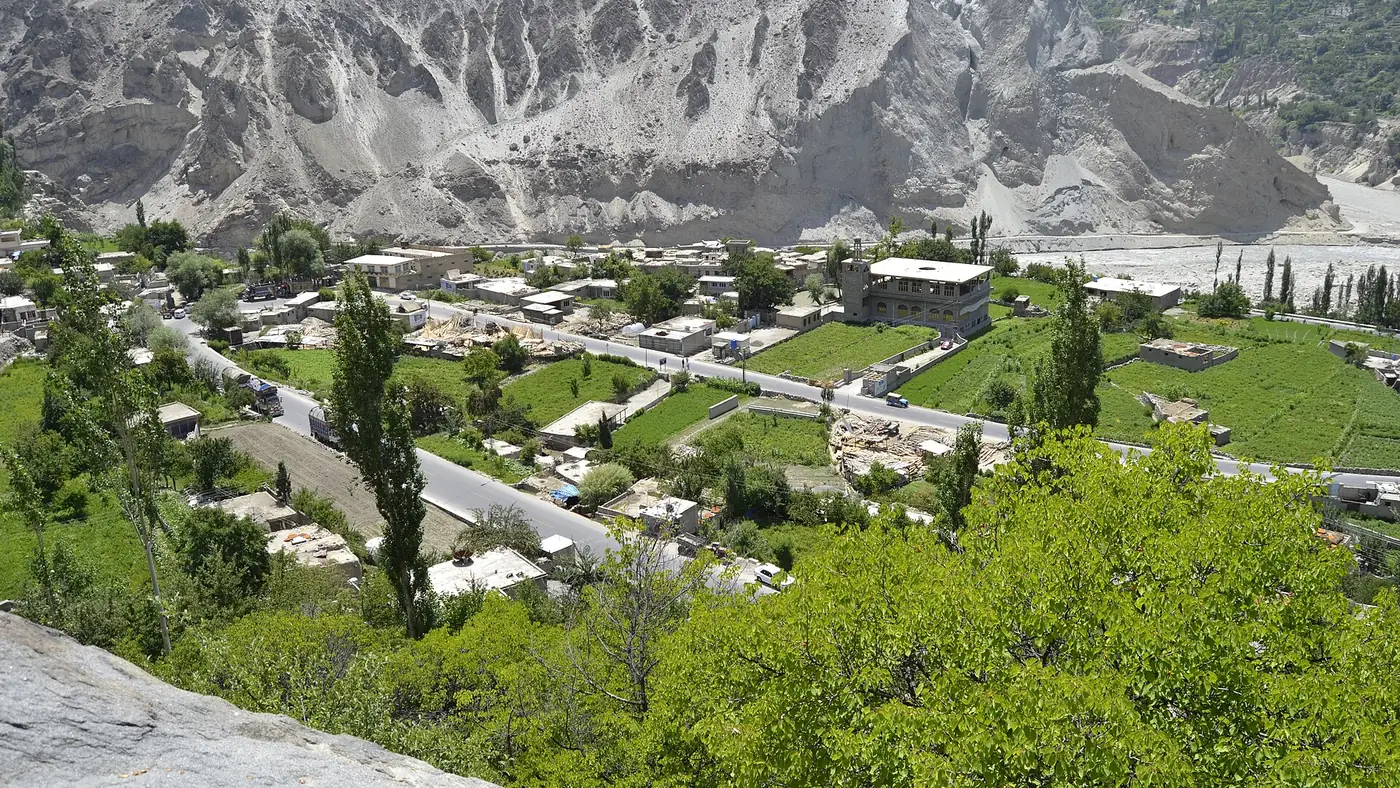
The site sits on the north bank of the Hunza river, directly beside the Karakoram Highway, between Ganish village and the southern end of Attabad Lake. Coming from Karimabad, you join the highway at Ganish and drive a short distance further along the river before the rocks appear on the roadside.
There is no formal car park. Drivers pull off where the shoulder allows, and the rock faces are visible from the road itself, so a stop takes only a few minutes if you are short on time. Because it sits on the direct route to Attabad Lake, Gulmit and Passu, most people see it on the way further up the valley rather than as a separate outing.
What is actually there
Haldeikish is not one rock but a run of large boulders along about 180 metres of riverbank, with the tallest reaching around 9 metres. The name means roughly "place of the male ibex" in the local language, and the lower faces of the rocks carry hundreds of carved ibex figures, cut by hunters and travellers passing through the valley over many centuries.
Above the animal carvings, a separate band of the rock carries written inscriptions rather than pictures: names, titles and short dedications left by traders, pilgrims and officials moving along the route between Central Asia, China and South Asia. Together the ibex carvings and the inscriptions make Haldeikish one of the largest groups of rock art anywhere on the old routes through the Karakoram.
Who left the inscriptions, and when
The inscriptions are written in several scripts, among them Brahmi, Kharoshthi, Sogdian, Bactrian, Tibetan and Chinese, reflecting how many different peoples passed this way. Most are thought to date from the first millennium AD, when the valley carried trade and pilgrim traffic between the Indian subcontinent, Central Asia and China.
Scholars who have studied the site have identified names connected to the Kushan Empire, including the emperors Kanishka and Huvishka, among the carved inscriptions. One Sanskrit inscription, written in the Brahmi script, has been read as referring to the Gupta emperor Chandragupta II and carries a date corresponding to 419 AD, making it one of the more precisely dated pieces of writing on the rock.
Because the inscriptions were added over many centuries by different travellers, the rock reads less like a single monument and more like a visitors' book kept by an entire trade route: a record of who passed through, left by people who had no idea anyone would still be reading it 1,500 years later.
How to read the carvings without a guide
Without help, most visitors see rock covered in marks and little else. A few things make the site easier to read:
- Look for the ibex first. The animal carvings are on the lower, more accessible parts of the rock and are the easiest to pick out: simple outlines of horned goats, some in groups, some alone.
- The inscriptions sit higher and are smaller. They are letters rather than pictures, and unless you read one of the ancient scripts they will look like scratches. That is normal; recognising that they are writing, and roughly where the different scripts cluster, is enough for a short visit.
- A local guide from Ganish adds the most value here. Guides who lead the Ganish village walk can usually point out the clearest ibex figures and the general area of the best-known inscriptions, since the carvings are not signposted individually.
Looking after the site
Haldeikish is a protected cultural heritage site, and the carvings are irreplaceable. Don't touch, trace or chalk the rock surface, and don't add your own marks. Keep an eye on children near the riverbank, which drops away close to the road in places.
Is it worth stopping for?
Yes, briefly, if you are already driving this stretch of the Karakoram Highway, which almost everyone heading to Attabad Lake, Gulmit or Passu does. It rewards ten or fifteen minutes rather than a special trip: the setting is a roadside riverbank rather than a dramatic site, and without some background the carvings are easy to miss.
Pair it with the guided walk through Ganish village, a few minutes back down the road, which gives the carvings more context and fills out a morning properly. For the rest of what Ganish has to offer, our Ganish village guide covers the mosques, watchtowers and how the walking tour works. For the wider valley, see our Gilgit and Hunza page.
Frequently asked questions
What is the Sacred Rock of Hunza?
It is a group of large boulders at Haldeikish, beside the Karakoram Highway between Ganish and Attabad Lake, carved with ibex figures and inscriptions in several ancient scripts, mostly dating from the first millennium AD.
Where exactly is Haldeikish?
On the north bank of the Hunza river, directly beside the highway, about 10 to 15 minutes' drive from Karimabad and about 5 minutes from Ganish village.
Is there an entry fee for the Sacred Rock of Hunza?
No fee is charged to view the rocks from beside the highway. A guide from Ganish, arranged as part of the village walk, can point out the carvings for a small charge.
How old are the carvings at Haldeikish?
Most are thought to date from the first millennium AD. One inscription has been read as referring to the Gupta emperor Chandragupta II with a date corresponding to 419 AD.
How long should I spend at the Sacred Rock of Hunza?
Fifteen to thirty minutes is enough for most visitors. Combine it with the Ganish village walk nearby for a fuller morning.