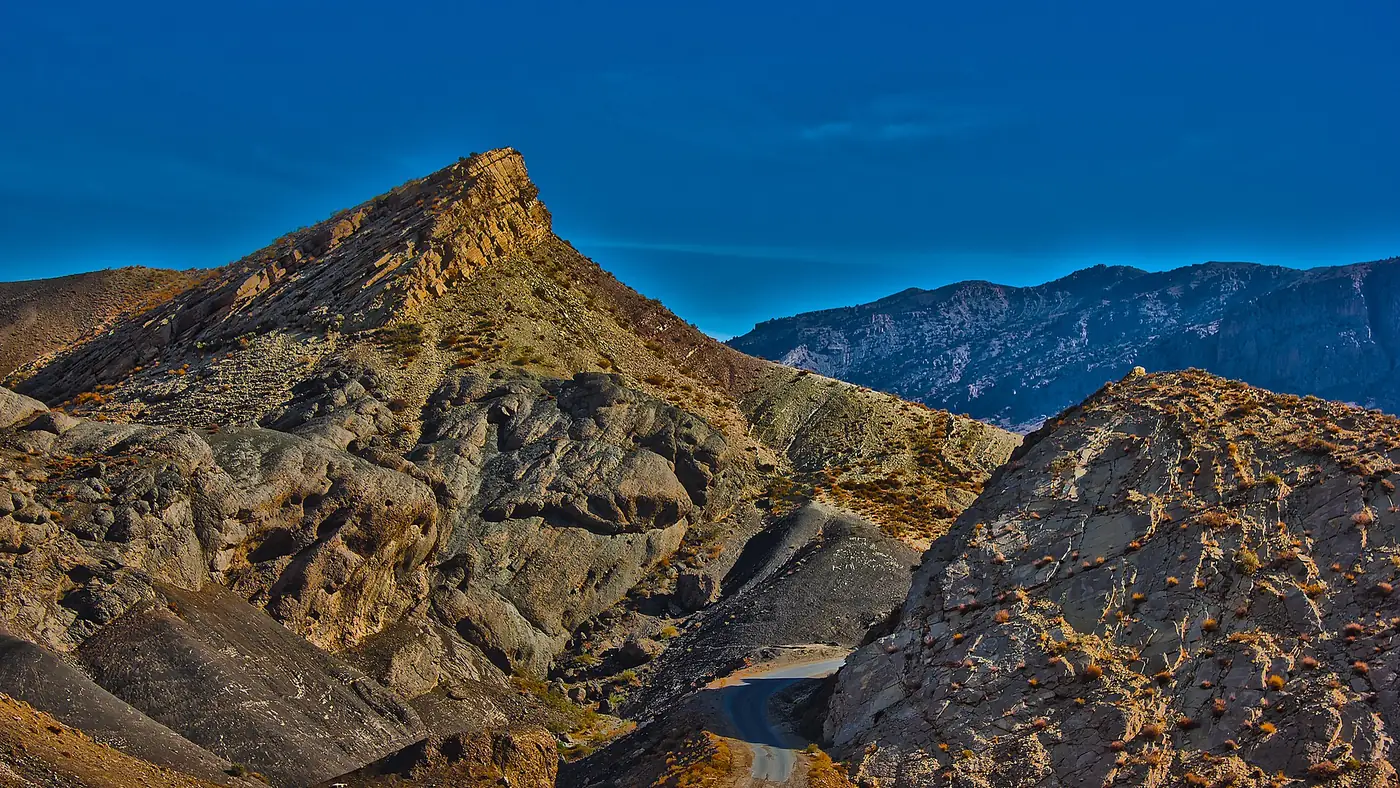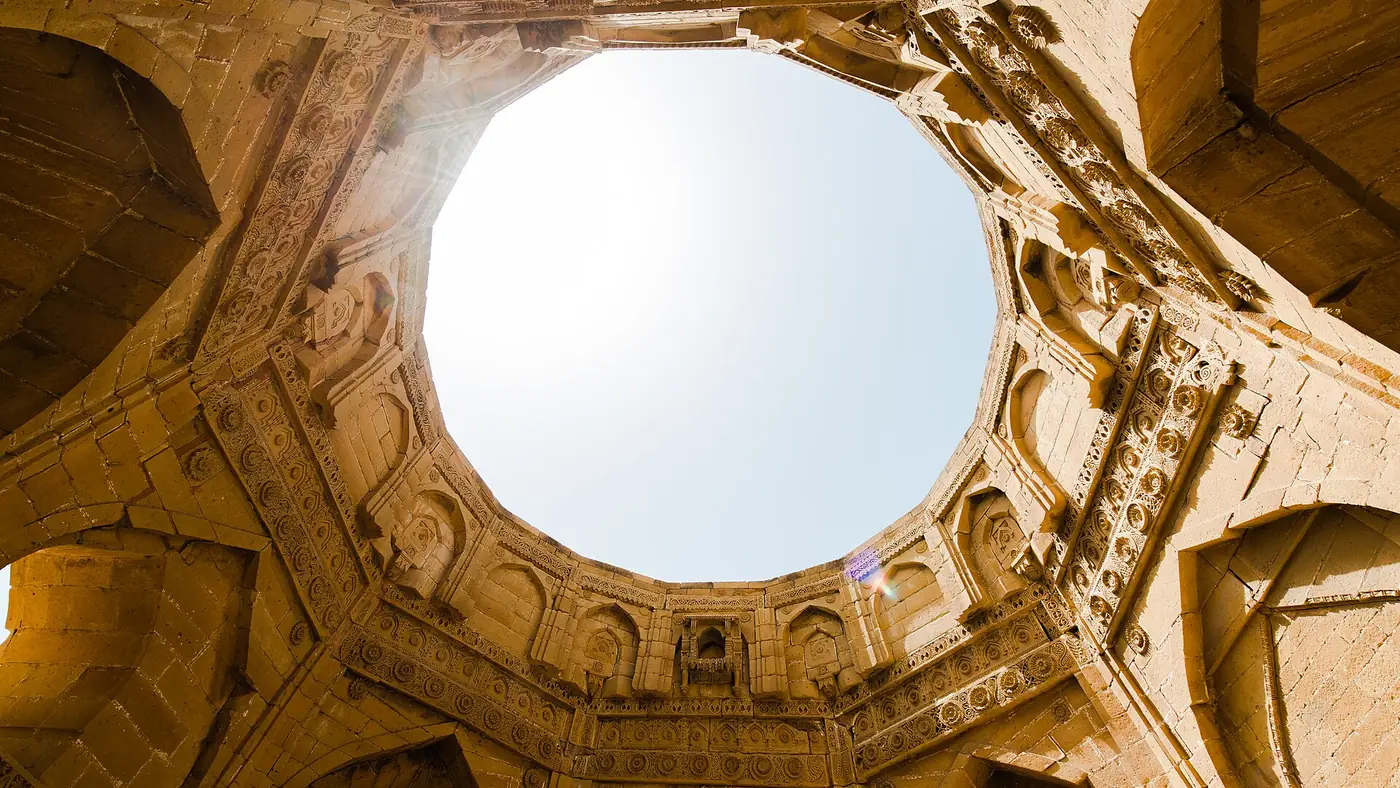
Sindh runs from Karachi on the coast up the Indus valley to the desert border with India, and its places to visit fall naturally into a few circuits rather than one single trip. Karachi and its beaches are their own outing; Thatta, Keenjhar Lake and Sehwan sit on the road north of Karachi; Mohenjo-daro and Sukkur are a further day up the Indus; and the Thar desert is a separate journey east into a different landscape altogether.
This guide groups Sindh's main sights into those circuits, with what each one actually involves and how to fit them together.
| At a glance | |
|---|---|
| Province | Sindh, southern Pakistan |
| Main hub | Karachi |
| Second hub | Sukkur, on the Indus in northern Sindh |
| Best months | November to March; summer is extremely hot away from the coast |
| Getting around | Private car or hired driver for anything beyond Karachi; the N-5 and N-55 link the main towns |
| Security note | Check current advice for northern Sindh and areas near the Indian border before travelling |
Karachi: the starting point
Most trips to Sindh begin in Karachi, Pakistan's largest city and its main port. On its own it is worth two or three days: the beaches at Clifton, Sandspit and Hawke's Bay along the coast; Frere Hall, a colonial-era hall completed in 1865; Mohatta Palace, built in 1927 and now a museum; and the shrine of Abdullah Shah Ghazi overlooking Clifton. Our Karachi two-day itinerary and guide to places to visit in Karachi cover the city in full, including where to eat.
Thatta, Keenjhar Lake and Sehwan
North-east of Karachi, a loop of about a day and a half to two days takes in some of Sindh's oldest and most visited sites outside the city.
- Makli Necropolis, near Thatta, is one of the largest burial grounds in the world, with tombs spanning several centuries of Sindhi rulers and a distinctive local style of carved stone. It was inscribed on the UNESCO World Heritage list in 1981. Our guide to Makli Necropolis has more detail.
- Keenjhar Lake, Pakistan's second-largest freshwater lake, is a short drive further on and a popular stop for boating and birdwatching, as well as a key source of drinking water for Karachi and Thatta district. Our Keenjhar Lake guide covers getting there and what to expect.
- Sehwan Sharif, further north along the Indus, is built around the shrine of the Sufi saint Lal Shahbaz Qalandar, one of the most visited pilgrimage sites in Pakistan, especially lively during its annual urs. Our Sehwan Sharif guide covers visiting the shrine.
- Manchar Lake, near Sehwan, is the largest freshwater lake in Pakistan by area, an easy add-on if you're already in the area.
- Ranikot Fort, sometimes called the Great Wall of Sindh, is a vast, sparsely visited fort in the Kirthar hills near Sann, thought to date to the Gupta era. It takes real planning to reach and is best treated as a separate trip for anyone specifically interested in it, rather than a stop on a standard itinerary.
Mohenjo-daro and the Sukkur circuit
Further up the Indus, in the north of the province, sit two of Sindh's biggest single draws.
- Mohenjo-daro, near Larkana, is one of the best-preserved cities of the Indus Valley Civilisation, dating to around 2600–1900 BC, with its grid streets, brick housing and the well-known Great Bath still visible. It was inscribed as a UNESCO World Heritage Site in 1980 and is, for many visitors, the single reason to come this far north in Sindh.
- Sukkur, on the Indus, is built around the Sukkur Barrage (also known as the Lloyd Barrage), a large colonial-era irrigation project completed in 1932, and the Lansdowne Bridge crossing the river beside it. The Sadhu Bela temple, on an island in the Indus, is another notable stop.
- Khairpur, close to Sukkur, has the Faiz Mahal, a palace built in 1798, and Kot Diji Fort, an 18th-century hilltop fort from the Talpur period.
This circuit is a genuine journey rather than a day trip from Karachi: Larkana and Sukkur are several hours' drive north of central Sindh, and most visitors combine them into a two- or three-day loop, often overnighting in Sukkur.
Tharparkar and the desert east
The Thar desert, in Tharparkar district in the far east of Sindh, is a different kind of trip: flat, sandy country running to the Indian border, with a culture and landscape unlike the Indus valley.
- Mithi, the district's main town, is known for its unusually mixed Hindu and Muslim population living side by side.
- Nagarparkar, further south, sits beneath the granite outcrop of Karoonjhar hill and is home to a cluster of abandoned Jain temples built in the Māru-Gurjara style between the 12th and 15th centuries, among the few substantial Jain monuments left in Pakistan.
- Umerkot, on the way into Tharparkar, has a hilltop fort associated with the Mughal emperor Akbar, who is said to have been born nearby.
Tharparkar is a long way from Karachi, best treated as its own multi-day trip rather than tacked on to anything else, and conditions are harsh in summer.
Putting a trip together
- Two to three days: Karachi alone, covering the coast, the museums and the old city.
- Four to five days: Karachi plus the Thatta–Keenjhar–Sehwan loop.
- A week or more: add Mohenjo-daro and Sukkur as a further two to three days up the Indus.
- Tharparkar: treat as a separate trip in its own right, given the distance and the different terrain.
Outside Karachi, distances are long and public transport is limited, so a private car or a hired driver is the practical way to see more than one circuit. Roads are generally in reasonable condition on the main N-5 and N-55 routes, but stretches can be slow, and summer heat away from the coast is severe from around May to September, which pushes most travel into the cooler months.
Is it safe to travel around Sindh?
Karachi and the Thatta–Sehwan corridor see steady numbers of Pakistani visitors and are generally straightforward to travel through with ordinary care. Further north and near the border, the picture is different: the UK government's Pakistan travel advice advises against all but essential travel to Sindh north of Nawabshah, which covers the Mohenjo-daro and Sukkur circuit, and against all but essential travel within five miles of the Indian border, except at Wagah and Kartarpur, which affects parts of Tharparkar.
This doesn't mean these places are closed to Pakistani travellers, who do visit them, but it is worth checking current local news and advice before setting out, particularly for the Sukkur–Larkana route and anywhere close to the border in Tharparkar. For overseas visitors, going against this advice can void travel insurance, so check your own government's current guidance too.
Frequently asked questions
What is the most famous place to visit in Sindh?
Mohenjo-daro, one of the best-preserved cities of the Indus Valley Civilisation and a UNESCO World Heritage Site since 1980. Within Karachi itself, Clifton beach and Mohatta Palace are the best-known stops.
How many days do you need to see Sindh?
A week covers Karachi, the Thatta–Keenjhar–Sehwan loop, and a trip up to Mohenjo-daro and Sukkur. Tharparkar is best planned as a separate trip because of the distance.
Is Mohenjo-daro worth visiting?
Yes, for anyone interested in ancient history. It is one of the most complete surviving cities of the Indus Valley Civilisation, with streets, housing and drainage still visible after more than 4,000 years.
What is the best time to visit Sindh?
November to March, when temperatures away from the coast are far more manageable. Summer, roughly May to September, is extremely hot across most of the province outside Karachi's sea breeze.
Is it safe to travel to Sukkur and Mohenjo-daro?
The UK government advises against all but essential travel to Sindh north of Nawabshah, which includes this route. Pakistani travellers do visit regularly; check current local news and advice before you go.
What is there to see in the Thar desert in Sindh?
Mithi, Tharparkar's main town; Nagarparkar, with its cluster of medieval Jain temples beneath Karoonjhar hill; and Umerkot, with its hilltop fort linked to the Mughal emperor Akbar.