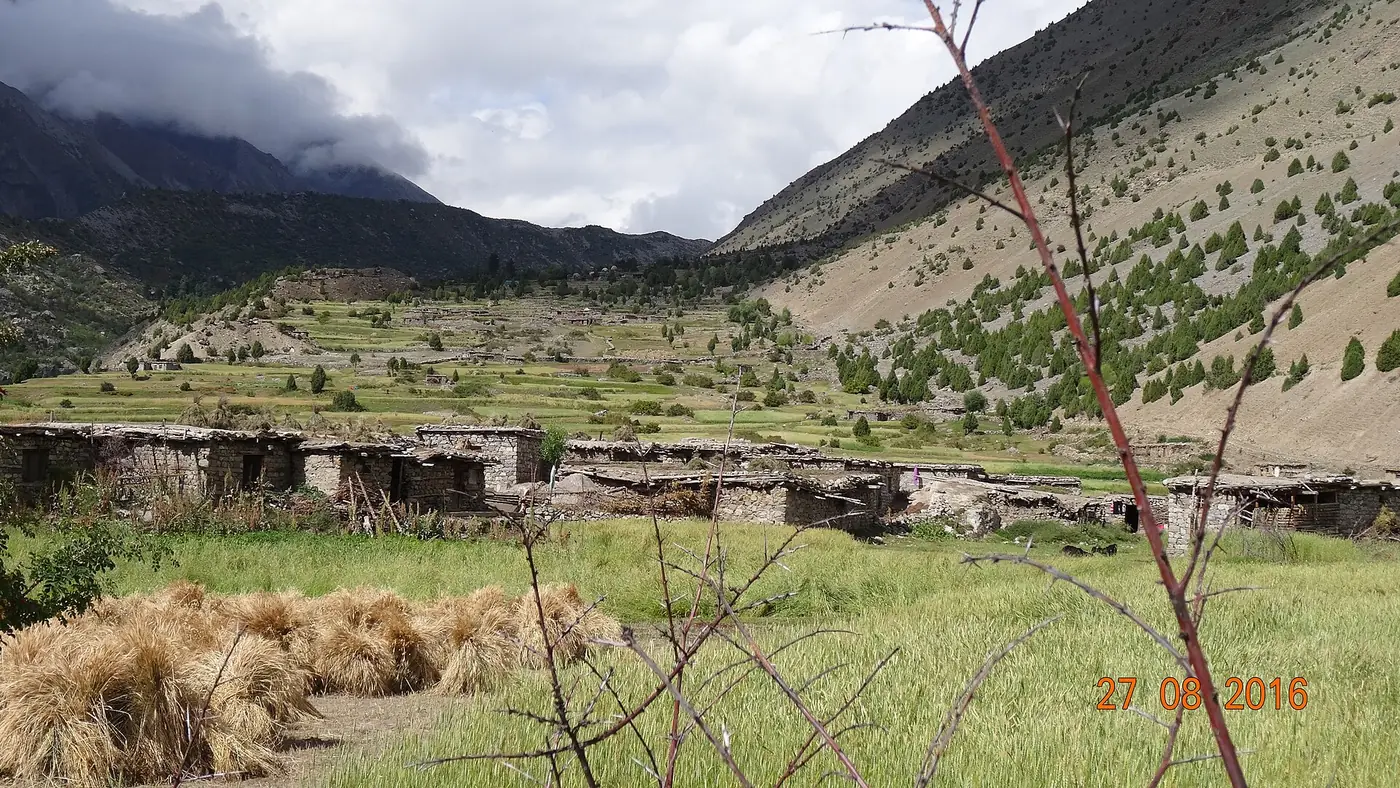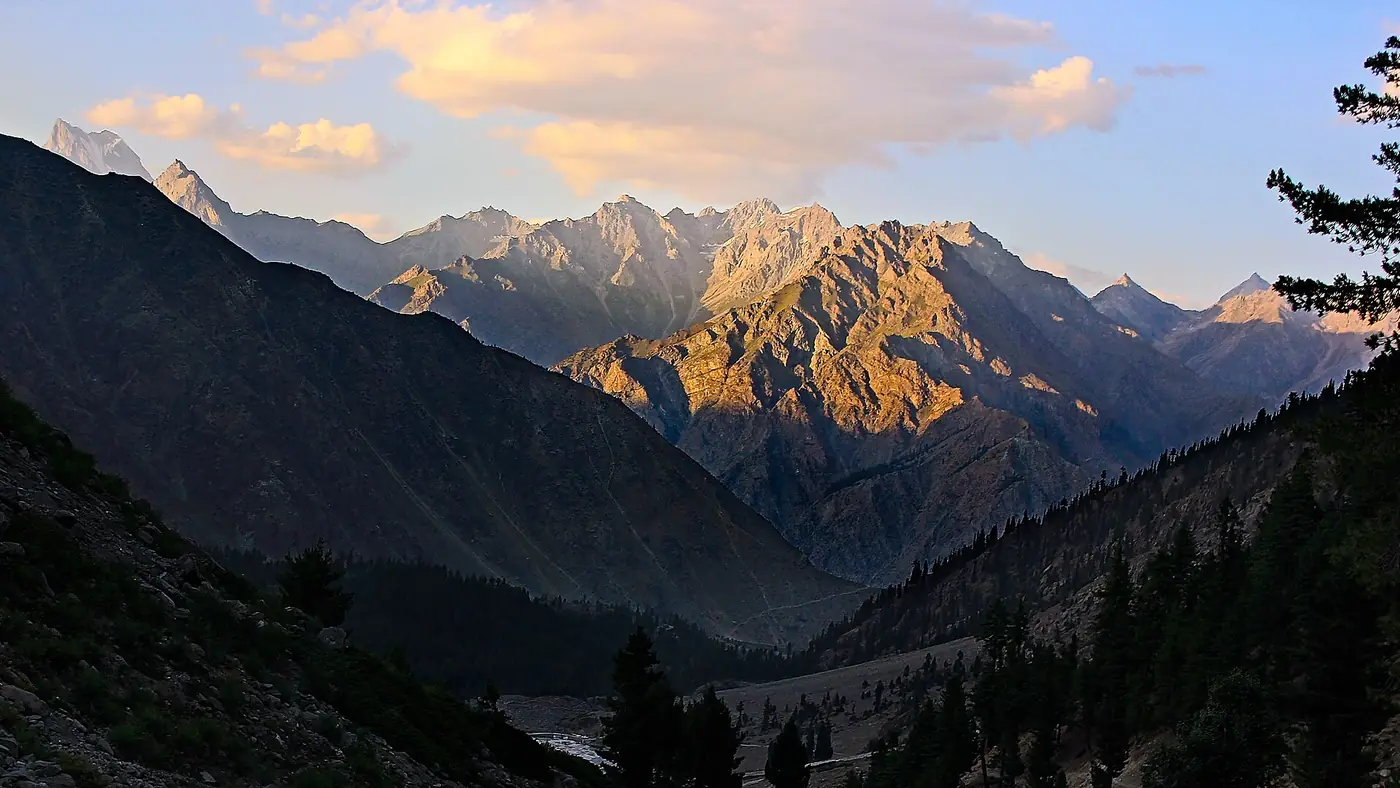
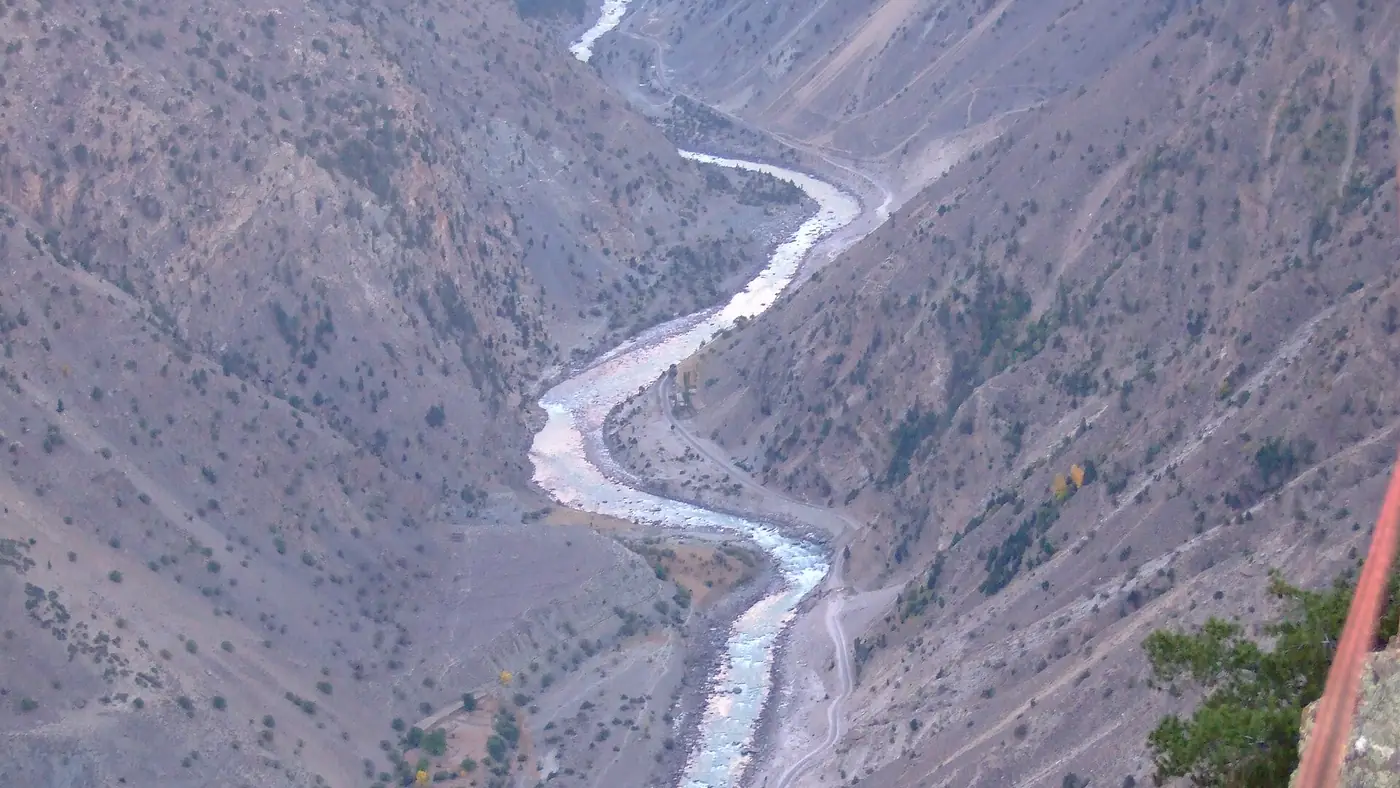
The main places to visit in Astore valley are Rama Meadows and Rama Lake above Astore town, the Rupal valley under Nanga Parbat's south face, Minimarg and Domel on the far side of the Burzil Pass, the Rattu valley, and the western edge of the Deosai plateau at Chilim and Sheosar Lake. All of them are day trips by jeep from Astore town, from about an hour for Rama to around three hours for Minimarg, and almost all are summer places, at their best from late June to September.
Astore is the quieter, eastern side of Nanga Parbat, reached by a turning off the Karakoram Highway south of Gilgit. This guide goes through each place, what it is like, how far it is, and how to fit them together.
| Place | What it is | From Astore town | Access |
|---|---|---|---|
| Rama Meadows and Lake | Forest meadow at about 3,300 m; glacier lake above it | About 1 hour | Jeep, then a walk to the lake |
| Rupal valley | Tarishing village, under the Rupal Face | About 42 km, 2 hours | Jeep advised |
| Rattu | Army cantonment valley where the Kala Pani and Mir Malik streams meet | About 33 km, 1.5 hours | Car or jeep |
| Chilim | Last village before Deosai and the Burzil Pass | About 55 km, 2 hours | Car or jeep in summer |
| Sheosar Lake, Deosai | Lake at the western edge of the plateau | About 69 km, under 3 hours | Summer only |
| Minimarg and Domel | Villages and lakes beyond the Burzil Pass | About 88 km, 3 hours | 4x4 only, ID checks |
Distances and times are from the Gilgit-Baltistan tourism department's guide to the district. On the ground, allow more.
Astore town: the base
Astore town, at about 2,550 metres, is where almost everyone stays at least one night. It is a small district headquarters with a bazaar, simple hotels and guesthouses, and the jeep drivers you will need for the side valleys. Gorikot, a little further up the main valley, is the other main settlement and the junction for the Rupal road.
The drive in is part of the trip. The Astore road leaves the Karakoram Highway at Thalichi, crosses the Indus and climbs a narrow, dry gorge before the valley opens out into fields and villages; allow about two hours from the highway to Astore town. On a clear day there is a big view of Nanga Parbat from around Thalichi before you turn off.
Rama Meadows and Rama Lake
The closest and easiest of Astore's sights, and for many families the highlight. A steep road climbs west from town into a forest of pine, fir and juniper and opens onto Rama Meadows, a broad meadow under the Chongra peaks of the Nanga Parbat massif. There are rest houses, guesthouses and campsites, and it is a pleasant place simply to sit in the grass.
From the meadow, a walk of one and a half to two hours each way leads up the valley, across the ends of small glaciers, to Rama Lake at about 3,500 metres. Our guide to Rama Meadows covers where to stay and the walks, including the one to the lake.
Best for: families, first-time visitors, anyone who wants forest and a moderate walk.
The Rupal valley and Nanga Parbat's south face
West of Gorikot, a jeep road follows the Rupal river to Tarishing, the last village, at about 2,900 metres. Above it rises the Rupal Face of Nanga Parbat, which climbs about 4,600 metres from its base to the 8,126-metre summit and is often called the highest mountain face in the world.
You don't need to trek to see it. The face is in view from around Tarishing on a clear day, and short walks onto the glacier moraine above the village or up to Rupal village bring you closer. Fit walkers can make a long day of it to the Herrligkoffer base camp meadow at about 3,550 metres. Our Rupal valley guide has the walks and where to stay in Tarishing.
Best for: mountain views, photographers, walkers who want Nanga Parbat without the crowds of Fairy Meadows.
Minimarg and Domel
Minimarg is a village of wooden houses at 2,844 metres in a green, forested valley on the far side of the Burzil Pass, close to the Line of Control. Beyond it, Domel has Rainbow Lake, the best known of the area's lakes. For many years it was open only to people with army contacts; since the early 2020s Pakistani tourists have been allowed in, with their original CNIC and registration at checkposts from Chilim onward.
Getting there is a long day: about three hours by 4x4 from Astore over the Burzil Pass at roughly 4,100 to 4,200 metres, with a series of army checkposts on the way. Ordinary cars are not allowed beyond Chilim, and foreign nationals need special permission. Our Minimarg guide explains the checks, the season and where to stay.
Best for: travellers with a 4x4, flexible dates and patience for paperwork.
Chilim and Deosai from the Astore side
The road south-east from Gorikot climbs to Chilim, the last village, where it divides. One branch continues south over the Burzil Pass to Minimarg; the other climbs east onto the Deosai plateau, reaching Sheosar Lake at its western edge in less than an hour from Chilim.
From Astore you can visit Sheosar and the western part of Deosai as a day trip, or cross the whole plateau to Skardu in a long summer day. Deosai is open only from about June to October, when the snow allows. Our Deosai National Park guide covers the routes, the wildlife and the rules on staying overnight.
Best for: anyone heading on to Skardu, and those who want to see Deosai without basing themselves in Skardu.
Rattu and Kala Pani
South-west of Gorikot, a side road reaches Rattu, a cantonment of more than a century's standing where the Kala Pani and Mir Malik streams meet, at about 2,700 metres. The Pakistan Army's High Altitude School has trained here since 1987, and in winter its ski slopes are used for training and, with prior permission, by some visiting ski groups.
In summer Rattu makes a pleasant drive, with the Kala Pani valley beyond. It is a quieter outing than Rama and needs less effort, though much of the ground around the cantonment is military and not for wandering.
Best for: a gentle half day, and winter visitors on an organised ski trip.
Other places in the district
The Gilgit-Baltistan tourism department also lists some lesser-known spots: Dirlay Lake and Allah Wali Jheel at the far end of the Parishing valley, and the Mazeno Pass on the long trekking route west from Rupal. These need local guides, time and, for the pass, full trekking gear. Ask in Astore if you want to go further than the main valleys.
How to fit the places together
Astore rewards three or four full days in the valley, on top of the long drive in and out.
- Rama and Astore town fill one easy day, with the lake walk in the morning.
- Rupal is a day on its own: two hours each way by jeep and a walk at the end.
- Chilim, Sheosar and Minimarg are in the same direction, but together they make too much for one day. Do Minimarg as a long day or with a night at Domel, and Sheosar on another day or on your way to Skardu.
The high places open in stages through the summer. Rama is usually clear by late June, Deosai some time in June, and the Burzil Pass to Minimarg often not until late June or July. Our guide to the best time to visit Astore valley sets out the months.
Who Astore suits, and who it doesn't
Astore suits travellers who have already done Hunza or Naran and want somewhere quieter, families who want forest and meadows they can drive to, and anyone who wants to see Nanga Parbat from a side most visitors never reach.
It suits you less on a short trip. The drive from Islamabad takes two days each way, the side roads are rough and mostly jeep country, and the hotels are simple. The Karakoram Highway south of Chilas has security advisories for foreign visitors, and Minimarg's rules change from season to season. If you have only four or five days, Hunza or Naran will give you more for the time spent on the road.
For help building Astore into a longer trip through Gilgit-Baltistan, send us your dates on our trip planning page.
Frequently asked questions
What is Astore valley famous for?
Rama Meadows and its lake, the Rupal Face of Nanga Parbat, and access to Minimarg and the western side of the Deosai plateau. It is the quieter, eastern side of Nanga Parbat.
How many days do you need for Astore?
Three or four full days in the valley covers Rama, Rupal and either Minimarg or Deosai. Add two days each way for the drive from Islamabad.
Can you visit Minimarg without an NOC?
Pakistani visitors have been allowed in with their original CNIC and registration at checkposts from Chilim, but the rules have changed several times. Confirm the current requirement in Astore before you go.
Do you need a jeep in Astore valley?
A car reaches Astore town, and in dry weather some cars manage Rama and Rattu. For Rupal a jeep is advised, and beyond Chilim to Minimarg only 4x4 vehicles are allowed.
When is the best time to visit Astore valley?
Late June to September, when Rama, the Deosai road and the Burzil Pass are all open. October brings autumn colour but colder nights and the first snow on the high roads.