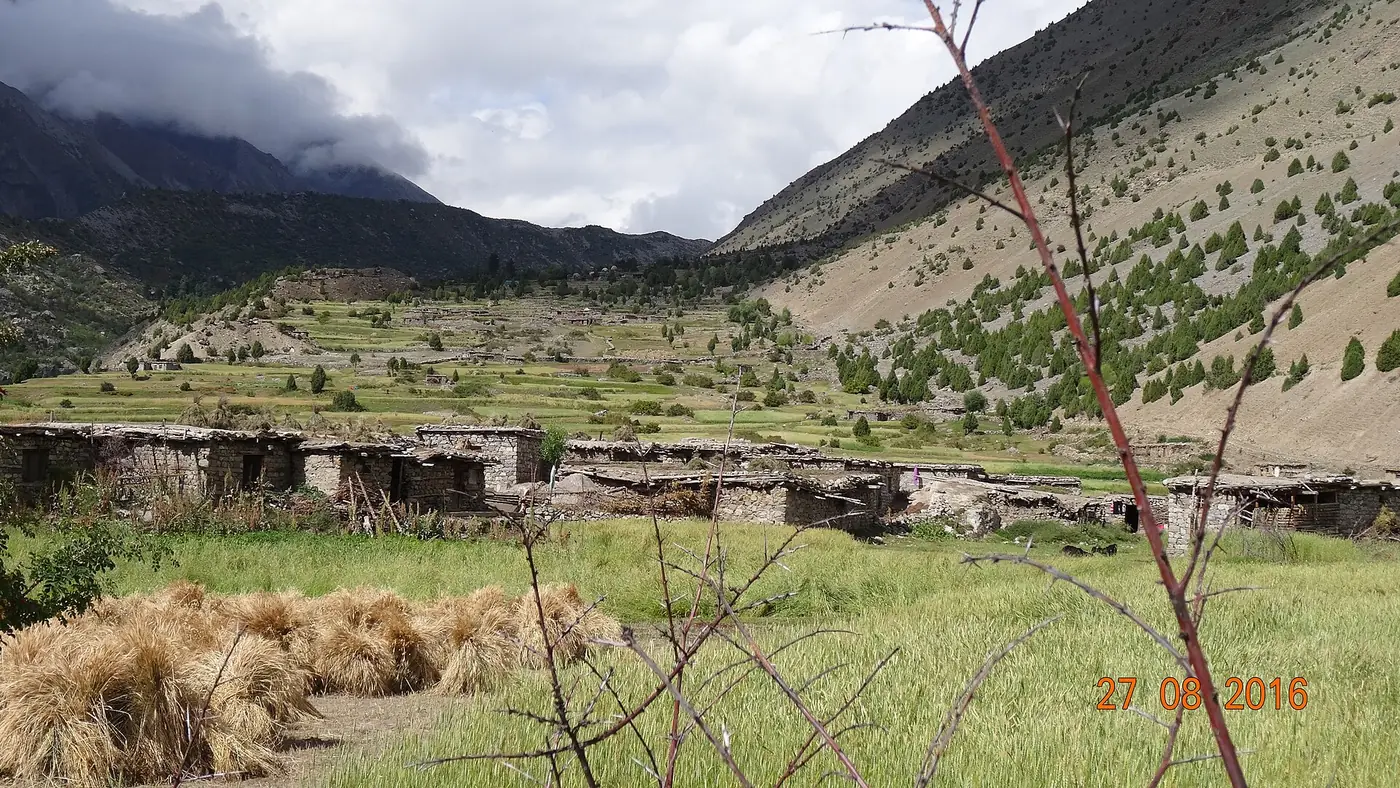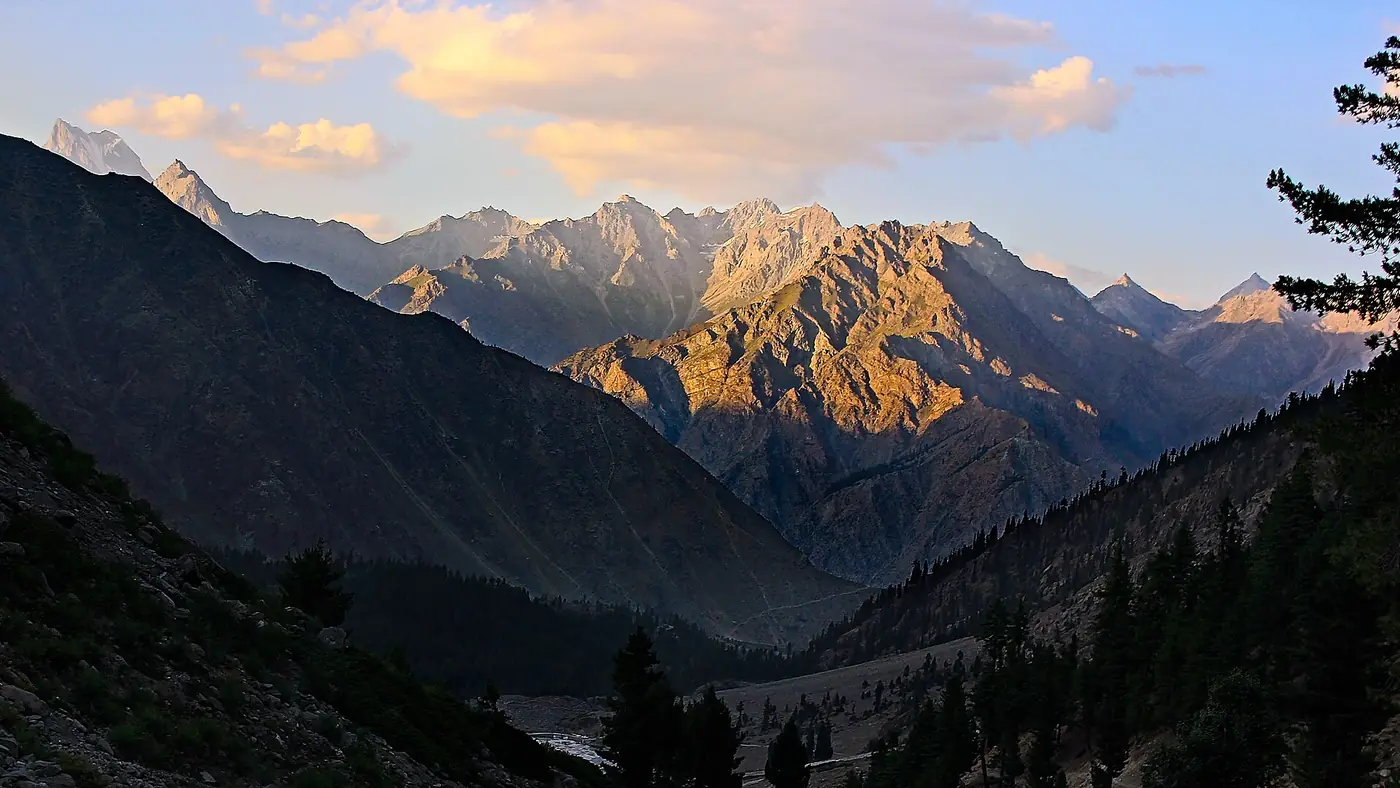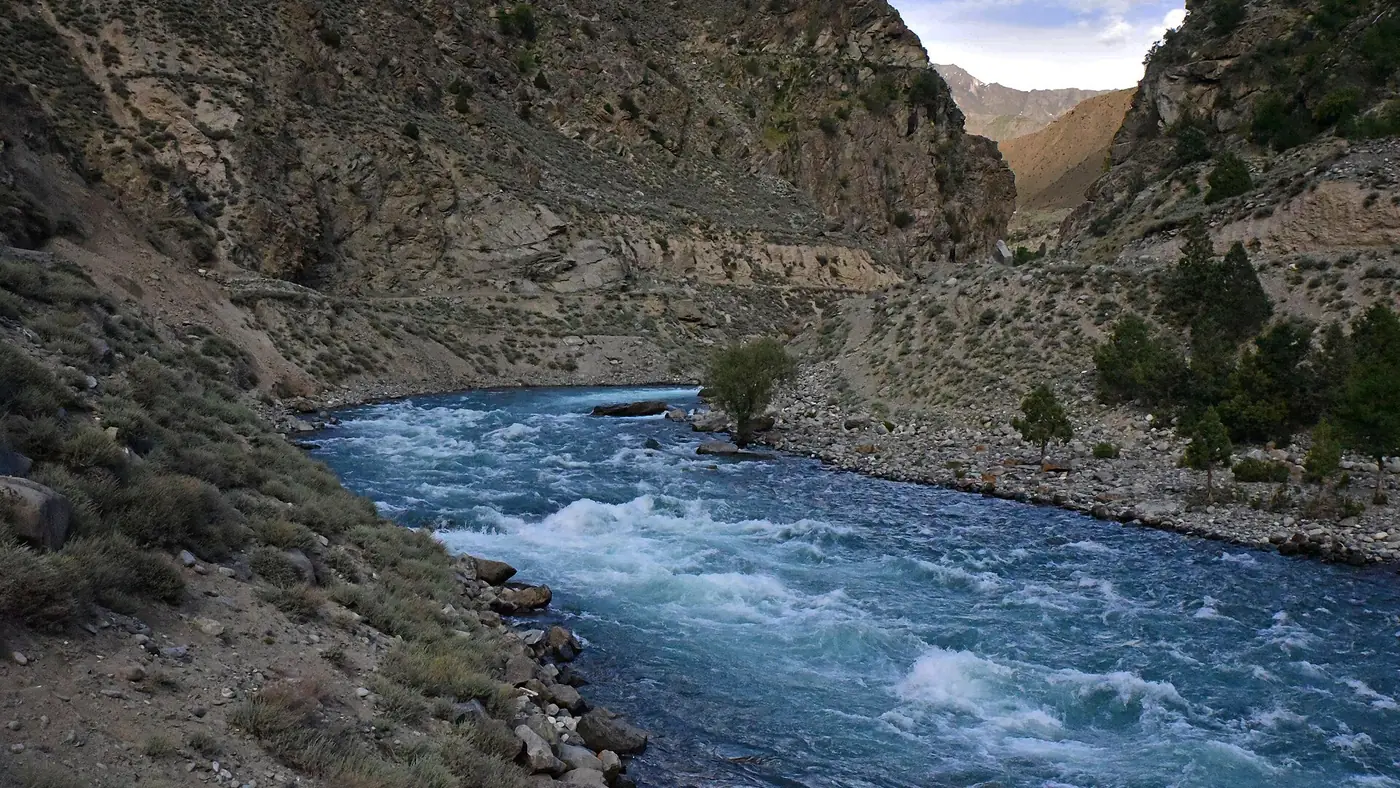
Rattu is a valley and army cantonment about 33 km, roughly an hour and a half, south-west of Astore town, at around 2,700 metres where the Kala Pani and Mir Malik streams meet. In winter it is one of the very few places in Pakistan where an ordinary skier can use an army-run slope, with permission arranged in advance. In summer it is a quiet, green valley that most visitors simply drive through on the way to Rama or Deosai.
This guide covers both sides of Rattu: the winter skiing and how to arrange it, and what there is to see when the snow is gone.
| At a glance | |
|---|---|
| Altitude | About 2,700 m (9,000 ft) |
| From Astore town | About 33 km, roughly 1.5 hours by road |
| What it is | An army cantonment and training ground, with a village around it |
| Skiing | Natural slopes used by the Army High Altitude School; open to civilians with prior permission |
| Ski season | Roughly mid-December to early March |
| Summer | A quiet valley to drive through; no major sights of its own |
What is Rattu?
Rattu is the base of the Pakistan Army's Army High Altitude School, set up in December 1987 to train soldiers in mountain warfare, skiing and survival at altitude. The cantonment sits where the Kala Pani and Mir Malik streams come together, with steep, forested slopes rising straight from the valley floor. It has been a cantonment for more than a century, one of the few in Gilgit-Baltistan, and the army is by far the largest presence in the valley.
Winters here are hard: night temperatures can fall well below −20°C, and three to six feet of snow settles on the ground, feeding the natural ski slopes the school trains on. Summers are mild and pleasant by comparison.
Skiing at Rattu
The ski slopes at Rattu belong to the Army High Altitude School and exist for training troops, not for public recreation. Civilians can ski there, but only as part of an organised group with permission arranged ahead of time, usually through a specialist tour operator who deals with the army on your behalf. You cannot simply drive to Rattu in winter and expect to rent skis.
Groups that do get permission are typically:
- Housed in army accommodation, in basic, dorm-style rooms with military-grade sleeping bags provided.
- Guided or supervised on the slopes rather than left to ski independently.
- Booked through a tour operator, which is the practical way for most visitors to arrange the paperwork.
The season runs roughly from mid-December to early March, with the deepest, most reliable snow in January and February. This is the same window, and much the same style of trip, as skiing at Naltar; our guide to skiing in Pakistan compares Rattu with Naltar and Malam Jabba for anyone deciding where to go.
Because access depends on the army's approval each season, don't book flights or fixed dates before your operator has confirmed the trip is on. Plans here change with little notice.
Rattu in summer
Outside the ski season, Rattu is mostly a place people pass through rather than stop at. The road from Astore town to Rattu and on towards the Shounter Pass and Kel in Neelum valley runs through the cantonment, and the valley itself is pleasant: forested slopes, the two streams, and far less traffic than the road to Rama.
There is little set up for tourists here in summer. Much of the ground around the cantonment is military land, and wandering off the road without asking is not a good idea. If you are driving through, it is worth the short stop for the setting, but it is not a destination to build a day around the way Rama or the Rupal valley are.
Getting to Rattu
- By road from Astore town, about 33 km on a route a normal car can usually manage in dry weather; a jeep is a more comfortable choice if the road has recent damage.
- As part of the Shounter route. Rattu lies on the road that continues over the Shounter Pass towards Neelum valley, a long and demanding drive that needs its own planning and is not a casual add-on.
For the wider picture of what else is nearby, our guide to places to visit in Astore valley sets out Rama, Rupal and the rest, and our note on the best time to visit Astore valley covers when each of them opens.
Is Rattu worth the trip?
For skiing, yes, if you are already looking for a high-altitude ski trip in Pakistan and are prepared to book through an operator and accept army-run accommodation rather than a resort. It is not a trip to arrange at the last minute.
For a summer visit on its own, no. There is no single sight that justifies the drive from Astore, and the valley works better as a stop on the way to Rattu's own ski season memories, or on the long road towards Shounter, than as a planned day out. If you want a summer valley in Astore with more to do, Rama or Rupal will reward the trip far more. For help planning either the winter or summer version of an Astore trip, send us your dates on our trip planning page.
Frequently asked questions
Can tourists ski at Rattu?
Yes, but only with prior permission, because the slopes belong to the army's High Altitude School. Most visitors arrange this through a tour operator that handles the approval and the logistics.
When is the Rattu ski season?
Roughly mid-December to early March, with the most reliable snow in January and February.
How far is Rattu from Astore town?
About 33 km, roughly an hour and a half by road in normal conditions.
Is there anything to see at Rattu in summer?
The valley itself, where the Kala Pani and Mir Malik streams meet, and the drive through it towards the Shounter Pass. There is no major sight to build a summer day trip around.
Where do skiers stay at Rattu?
Groups with permission typically stay in basic army accommodation arranged as part of the trip, not in commercial hotels.