
,_Khyber_Pakhtunkhwa,_Pakistan_cropped.jpg)
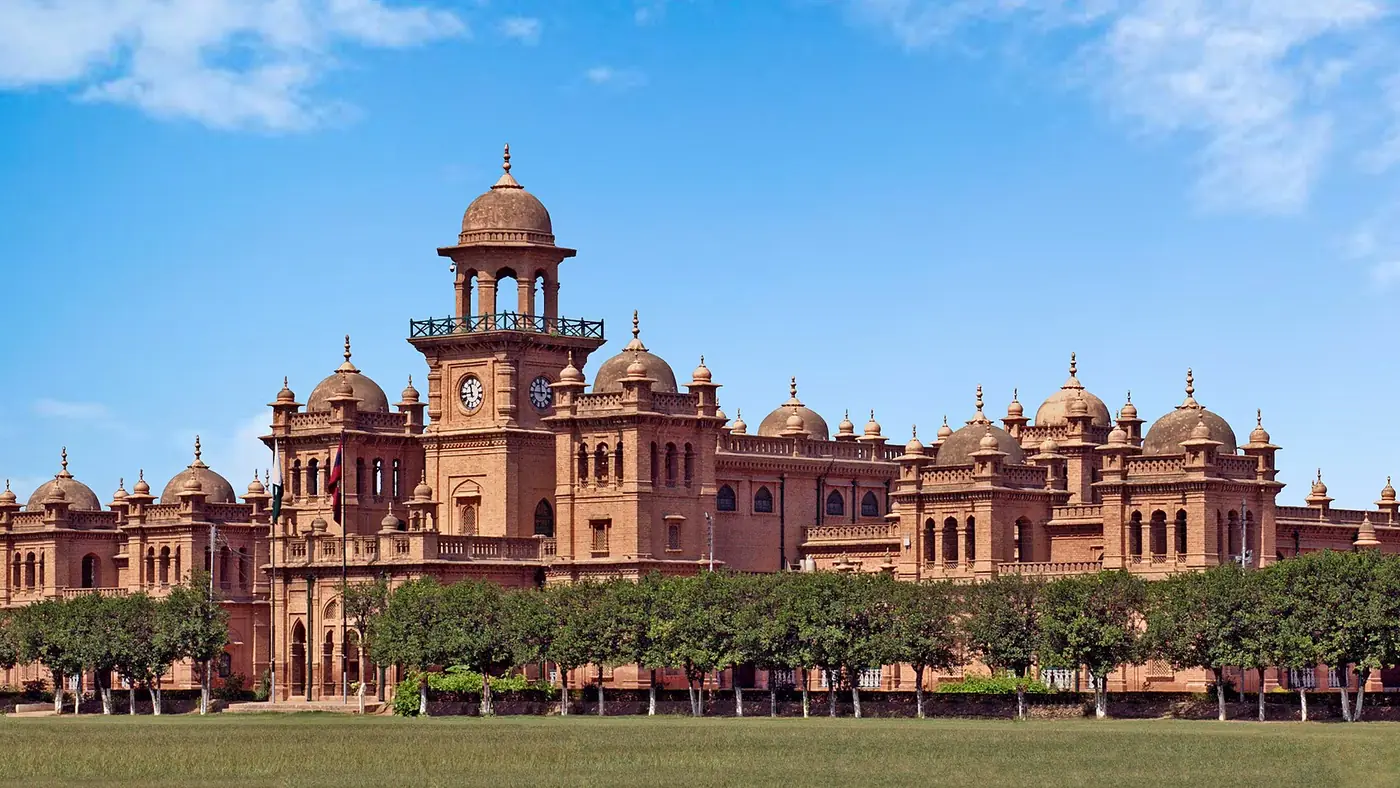
The Peshawar Museum holds one of the world's great collections of Gandharan Buddhist art, in the Victoria Memorial Hall on the GT Road between the cantonment and the old city. Its highlights are the three-metre Buddha from Sahri Bahlol, the original Kanishka casket and the carved reliefs telling the life of the Buddha. Allow one and a half to two hours. Timings have generally been 9 am to 5 pm with Fridays closed, and there is a small entry fee, so confirm both before you go.
This guide walks through the building, the galleries and the objects not to miss, then covers tickets, timings, how to fit the museum into a day, and who will get the most from it.
| At a glance | |
|---|---|
| Where | Victoria Memorial Hall, GT Road (Sher Shah Suri Road), Peshawar |
| Run by | Directorate of Archaeology and Museums, Khyber Pakhtunkhwa |
| Opened | November 1907 |
| Known for | Gandharan sculpture, 2nd century BC to 6th century AD |
| Timings | Generally 9 am to 5 pm; usually closed on Fridays |
| Entry | Small fee, paid at the gate; students have been offered free entry |
| Time needed | 1.5 to 2 hours; half a day for enthusiasts |
| Best time | Morning, before a visit to the old city |
The building
The museum's main hall was built in 1906 and 1907 as a memorial to Queen Victoria, at a cost of 60,000 rupees, and opened as a museum in November 1907. It was set up to house the sculpture then coming out of excavations at Shah-ji-ki-Dheri, just outside the city, and at Takht-i-Bahi.
The architecture mixes British and Mughal styles, with cupolas, pinnacles and a long central hall under a high roof. Side halls were added in 1969 and 1970, with upper storeys a few years later, and the museum was expanded again in the 2000s. In recent years the provincial government restored the old building, reopening arches, repairing the roof and minarets, and replacing modern oil paint with traditional lime wash. The museum also opened a small souvenir shop selling handicrafts made by prisoners, run with the prisons department.
What is in the galleries?
The museum is known above all for Gandhara, the ancient region around Peshawar, Swat and Taxila where Buddhist art took on Greek and Roman influences and produced some of the finest sculpture in Asia. But the collection goes further.
The Gandhara galleries
This is the heart of the museum. The sculpture here, in grey schist, stone and stucco, comes from sites across the old Gandhara region, among them Takht-i-Bahi, Sahri Bahlol, Shah-ji-ki-Dheri, Jamal Garhi and Shahbaz Garhi. The main hall is arranged around the life of the Buddha, in relief panels showing his birth, his renunciation of princely life, his enlightenment and his first teaching, alongside standing and seated Buddhas, bodhisattvas, relic caskets and stupa decoration.
Take the reliefs slowly. Each panel tells a story, and many are carved in remarkable detail: the folds of robes, jewellery, architecture and animals.
Coins
The museum holds thousands of coins found at sites across the province, from Bactrian Greek, Indo-Greek, Indo-Scythian and Kushan rulers to the Islamic period. For anyone interested in the region's history, they show how many peoples have ruled here.
Islamic art
Later galleries cover the Islamic period: carved wooden facades from old mosques, Arabic and Persian inscriptions, Multani glazed tiles and calligraphy.
Tribal and ethnographic galleries
The museum also has galleries on the cultures of the province: tribal dress, including from Waziristan, weapons, tools, objects from the independence movement, and carved wooden effigies from the Kalash valleys.
The highlights not to miss
- The Sahri Bahlol Buddha. A standing Buddha about three metres tall and weighing around a tonne and a half, excavated at Sahri Bahlol, near Mardan, in 1909.
- The Kanishka casket. A gilded copper reliquary found in 1908 and 1909 beneath the great stupa of the Kushan king Kanishka at Shah-ji-ki-Dheri, on the edge of Peshawar. It carries an inscription in Kharoshthi naming Kanishka and a figure of the king. It was taken to the British Museum for cleaning in 1960 and returned; the original is in Peshawar and a copy is in London. The bone relics it held were sent to Burma, where they remain.
- The life of the Buddha reliefs. Follow them in order around the main hall, from his birth onwards, and the Gandharan storytelling starts to make sense.
- The Kalash effigies. Carved wooden figures made to honour the dead, and a reminder of how different the cultures of the province are.
Ask the attendants to point out anything you can't find; displays are sometimes moved during conservation work.
Tickets, timings and photography
The Peshawar Museum has generally been open from 9 am to 5 pm, and closed on Fridays. Timings can change for public holidays, Ramadan and security reasons, so check before you go with the Directorate of Archaeology and Museums, which runs the museum.
There is an entry fee, paid at the gate. We have not found an official 2026 rate, so bring cash and pay what is posted. The provincial government has offered free entry to students and researchers, so bring a student card if you have one.
Photography rules have varied. Ask at the ticket desk whether cameras are allowed and whether a separate fee applies, and don't use flash.
How long to spend, and how to plan the day
One and a half to two hours is enough for most visitors to see the Gandhara galleries properly and walk through the rest. Anyone with a real interest in Buddhist art could spend half a day.
Go in the morning, when the museum is quiet and before the day warms up, then head to the old city for the afternoon. From the museum it is a short rickshaw ride to Qissa Khwani and Chowk Yadgar. Our old Peshawar walking tour picks up from there, and our guide to places to visit in Peshawar sets out a full day.
A few tips:
- Start with the main hall, then the side galleries. If time is short, the Gandhara collection is the part not to rush.
- Combine it with Sethi House, the restored merchant's mansion in the old city, which is run by the same directorate.
Who will enjoy the Peshawar Museum?
It is essential for anyone interested in Gandhara, Buddhism or the ancient history of the region, and a very good hour or two for anyone curious about Peshawar's past. Children often enjoy the scale of the big Buddhas and the stories in the reliefs, especially with a parent to explain them.
It is less exciting for visitors who find museums hard going; the displays are traditional, with little in the way of digital or interactive exhibits. If you only have a few hours in Peshawar and would rather walk the bazaars, the old city will teach you more about the living city.
If you are following Gandhara further, the Taxila Museum near Islamabad is the other major collection of Gandharan art. Takht-i-Bahi, whose sculpture fills much of the Peshawar Museum, is near Mardan, where some governments advise against all but essential travel, so check current advice before you plan it. If you would like the museum and the old city arranged as part of a longer trip, send us your dates.
Is it safe to visit?
The museum is a government-run site, and school groups and families visit it throughout the year. The wider picture in Peshawar is less settled: the city has a history of militant attacks, and in late September 2026 police reported an operation in Peshawar against suspected suicide attackers, after a deadly attack on the police lines in Kohat.
Check local news before you go and follow any police advice. The UK government currently advises against all travel to Peshawar, so visitors from abroad should read their own government's advice and check what it means for their travel insurance.
Frequently asked questions
What are the Peshawar Museum timings?
It has generally been open from 9 am to 5 pm and closed on Fridays. Timings can change for holidays and Ramadan, so confirm with the Directorate of Archaeology and Museums before you go.
What is the Peshawar Museum famous for?
Its Gandharan Buddhist sculpture, one of the finest collections in the world, including the Sahri Bahlol Buddha and the original Kanishka casket.
How much is the Peshawar Museum ticket?
There is a small entry fee, paid at the gate, and students and researchers have been offered free entry under a provincial scheme. Rates change, so pay what is posted.
How long does it take to see the Peshawar Museum?
One and a half to two hours for most visitors. Allow half a day if you have a strong interest in Gandharan art.
Is the Kanishka casket in the Peshawar Museum?
Yes. The original gilded copper reliquary, found at Shah-ji-ki-Dheri in 1908 to 1909, is in the Peshawar Museum; the British Museum in London has a copy.
Is the Peshawar Museum open on Friday?
It has usually been closed on Fridays. Check before you travel, particularly around public holidays.