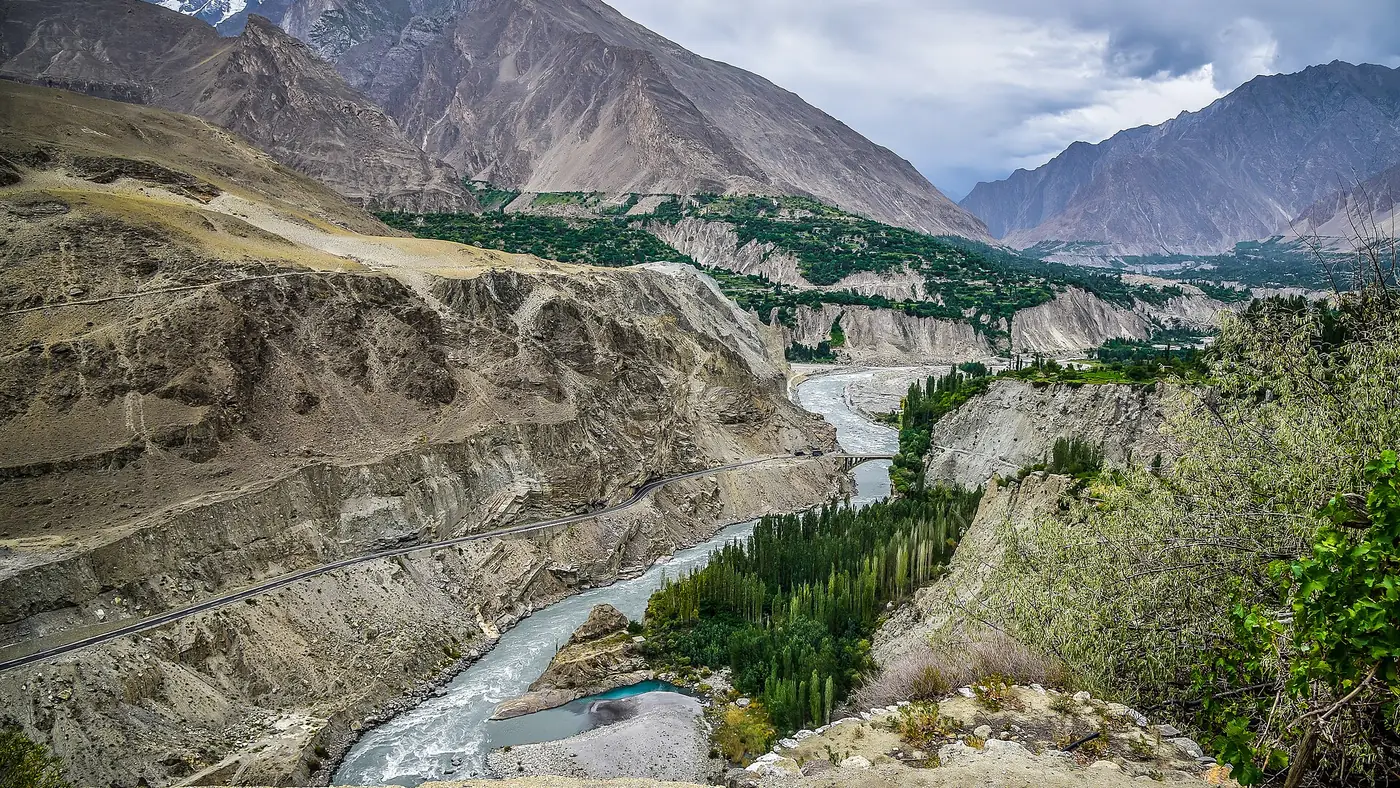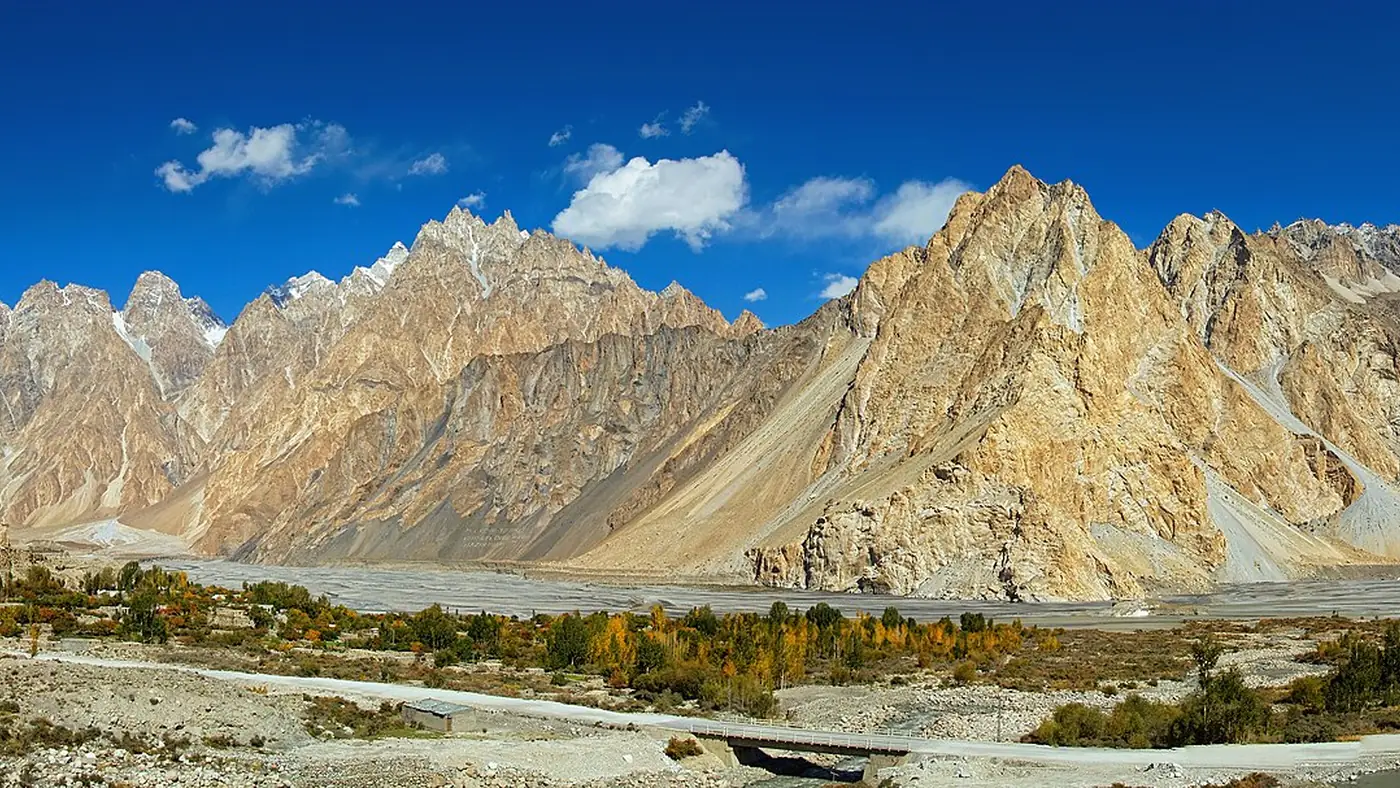
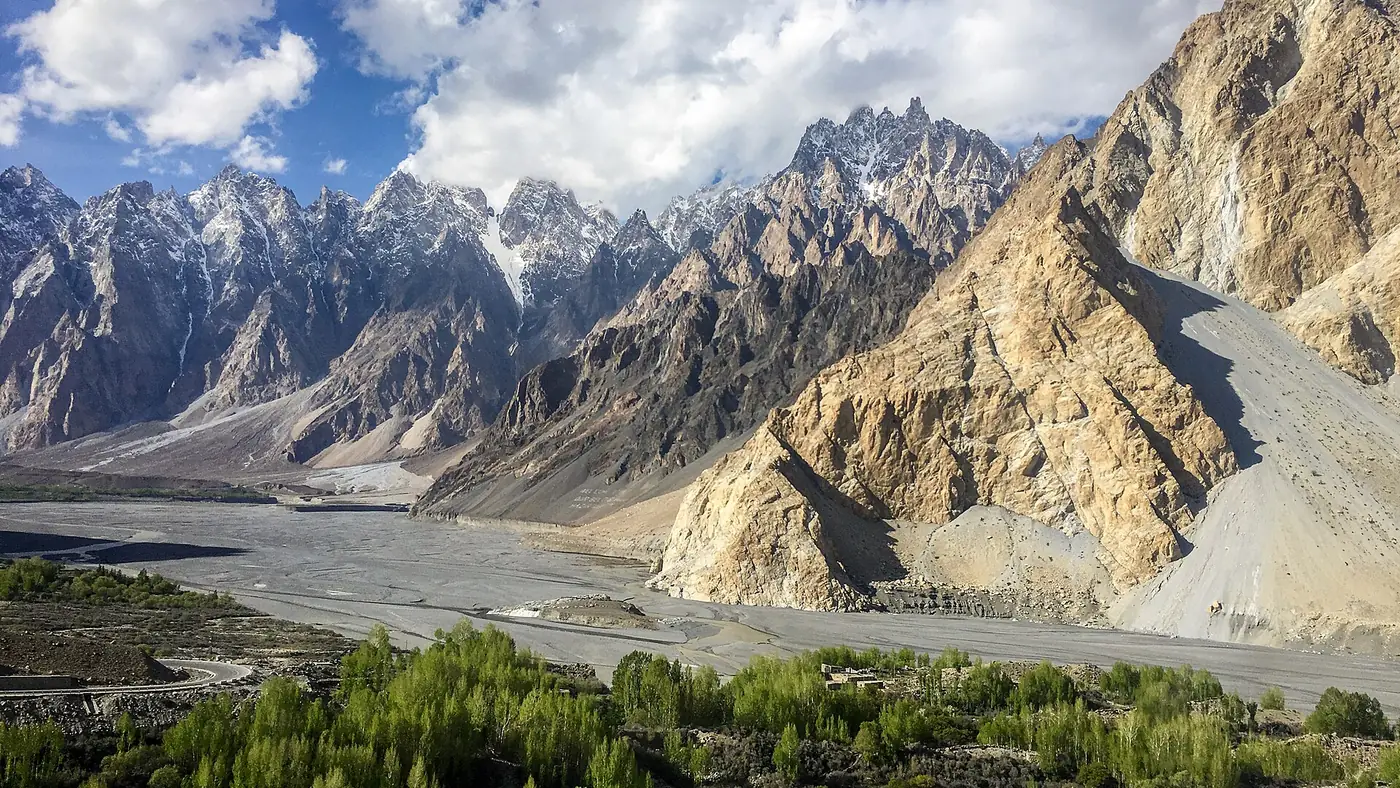
A northern areas trip with elderly parents works best on routes that stay under about 2,500 metres, with driving days kept to four or five hours, two or more nights in each hotel, and a plan for what you would do if someone needed a doctor. Skardu town, Karimabad in Hunza, the Galiyat and the lower Kaghan valley all sit at altitudes most older adults manage comfortably. The high day trips that define a lot of northern itineraries — Deosai, Babusar Top, Khunjerab, Fairy Meadows — are the parts to think hardest about, or skip.
This guide covers choosing a route, pacing the drive, altitude for anyone with a heart or lung condition, finding hotels that don't involve a hundred steps, and what medical backup actually looks like in the north.
| At a glance | |
|---|---|
| Comfortable altitude | Up to about 2,500 m: Skardu, Karimabad, Gilgit, the Galiyat |
| Think twice above | About 3,500 to 4,000 m+: Babusar Top, Deosai, Khunjerab |
| Driving per day | Four to five hours, with stops every hour to hour and a half |
| Nights per stop | Two minimum, so nobody unpacks for one night only |
| Hospitals with real capacity | DHQ Hospital Gilgit, CMH Gilgit, CMH Skardu |
| Lifts in hotels | Rare outside a handful of larger hotels; ask before booking |
| Before you go | A GP check-up, a written list of medications, and travel insurance that covers pre-existing conditions |
Choosing a route that stays low
The single biggest decision is which valley you go to, because it decides how much altitude is unavoidable.
- Skardu and the Kachura lakes sit at around 2,200 to 2,300 metres, with flat lakeside walks and short drives between sights. Deosai, at over 4,000 metres, is a separate day trip you can simply leave off the plan.
- Karimabad and Altit in Hunza are at about 2,500 metres, with the forts and old lanes reachable on foot, though both involve some steps. Khunjerab, at 4,693 metres, is a long day best left to the rest of the family.
- The Galiyat, around Nathia Gali and Dunga Gali, stay below 2,600 metres and are two to three hours from Islamabad, which makes them a gentle first or short trip.
- The lower Kaghan valley, as far as Naran at 2,409 metres, is reasonable; the push on to Babusar Top at 4,173 metres is the part to reconsider.
- The Neelum valley, climbing gently from Keran to Arang Kel, has no sudden altitude at all and is one of the easiest routes for older travellers, provided the security situation is checked beforehand, since parts of Azad Kashmir carry current advisories.
Where a trip includes both a gentle base and a high day trip, plan the high day as optional. Book a driver and hotel that can happily leave your parents resting at the hotel or exploring the town while others go up to Khunjerab or Deosai for the day.
How much driving is reasonable each day
Older adults tire on long drives in a way that has little to do with fitness: stiff joints from sitting, a fuller bladder that needs more stops, and less patience for switchbacks.
- Four to five hours of driving, not the six or seven a younger family might manage, and never as the whole day with no rest afterwards.
- A stop every hour to an hour and a half, to stand, stretch and use a toilet, rather than the longer intervals fit adults can wait out.
- Split any drive over five hours across two days, with a night at a natural halfway point such as Chilas or Besham on the way to Hunza.
- Avoid arriving after dark. Mountain roads are harder to drive at night, and arriving tired, cold and hungry is worse for an older parent than for the rest of the group.
- Build in a full rest day after any drive over five hours or any day that included a high pass.
Altitude with a heart or lung condition
This is worth taking seriously rather than optimistically. The American Heart Association's guidance on high-altitude travel notes that the heart works harder where there is less oxygen, that people with coronary artery disease can experience chest pain, breathlessness or dizziness that a lower altitude would not cause, and that sudden cardiac events at altitude are more common in older, less active adults, particularly in the first few days after arrival. The same guidance advises anyone with severe heart failure, uncontrolled high blood pressure, or a recent heart attack or stent procedure to avoid high-altitude travel altogether, and everyone else with a heart condition to see a doctor before the trip and agree a plan for climbing gradually and for what to do if symptoms appear.
In practice that means:
- See a GP before booking, especially for anyone with heart disease, high blood pressure, COPD or another lung condition, and ask specifically about the altitude of each place on your route.
- Climb gradually where you can. A night or two in Gilgit or Skardu before going higher gives the body time to adjust.
- Treat a new headache, breathlessness or chest discomfort as a reason to stop and rest, not push on. Our altitude sickness guide covers the warning signs in more depth.
- Carry regular medication in hand luggage and in duplicate, in case a bag is delayed on a flight to Gilgit or Skardu.
Finding hotels that actually work
Lifts are rare outside a handful of larger hotels, and a beautiful view often comes with a flight of steps to reach it. Before booking, ask directly:
- Is the room on the ground floor, or reachable without stairs?
- How far is the room from the car park or entrance, and is the path paved or gravel?
- Is there a Western-style toilet, since some guesthouses still have only squat facilities?
- How is the room heated, and is there hot water at the times your parents will want it?
- Is there a lift, if the hotel has more than two floors?
A family-run guesthouse with a ground-floor room close to the entrance often suits an older parent better than a hotel with a spectacular view up a long staircase. Our homestays in northern Pakistan and how to book hotels in the northern areas guides cover what to ask more generally.
Medical backup: what is actually there
Gilgit and Skardu both have hospitals with real capacity: DHQ Hospital Gilgit is the region's main tertiary facility, and CMH Gilgit and CMH Skardu also treat civilians in an emergency. Karimabad and smaller towns have basic civil hospitals, adequate for minor issues but not equipped for a cardiac emergency. Once you are away from Gilgit, Skardu or Karimabad, the nearest proper hospital can be hours away by road.
Before you go:
- Buy travel insurance that names any pre-existing condition, rather than a generic policy that may exclude it.
- Write down every medication, dose and any allergies, in English and Urdu, and keep a copy with each traveller and one in the vehicle.
- Note the nearest town with a real hospital for each stage of the route, and keep the driver informed.
- Save the tourist police and emergency numbers for wherever you are travelling; our travel guide has the practical details for the region.
Comfort on the road
Small things matter more with older parents than with the rest of a family:
- A cushion or lumbar support for long drives
- Warm layers for stops at altitude, since even a Skardu afternoon can turn cold in the wind
- Snacks and water kept within reach, not in the boot
- Regular bathroom stops built into the schedule
- A slower pace at forts with steps, such as Baltit Fort or Shigar Fort, with somewhere to sit for those who would rather not climb
Is it worth it, and what to leave for another trip
Most healthy parents in their sixties and seventies enjoy Skardu, Hunza or the Galiyat at a gentle pace, and seeing these places with them is worth the extra planning. What rarely works well is trying to fit in every famous high point on a single trip: Deosai, Babusar and Khunjerab are demanding even for fit younger travellers, and pushing an older parent through all three in one week is where trips go wrong.
Leave the highest passes as optional extras for those who want them, choose a route with a gentle base like Skardu or the Galiyat, and keep two or more nights in each place. Our Skardu and Deosai tour and Gilgit, Hunza and Khunjerab tour are both built with an experienced driver and slower days, and we can adjust either to skip the highest points and add rest days if you tell us your parents' needs when you plan the trip.
Frequently asked questions
Which northern areas are best for elderly parents?
Skardu town and the Kachura lakes, Karimabad in Hunza, the Galiyat and the lower Kaghan valley all sit at altitudes most older adults manage well. Save Deosai, Babusar Top and Khunjerab as optional day trips for fitter members of the group.
Is high altitude dangerous for older people with heart conditions?
It can raise the strain on the heart, and cardiac events at altitude are more common in older, less active adults. Anyone with a heart condition should see a doctor before travelling above about 2,500 metres and agree a plan for climbing gradually.
How long should each drive be with elderly parents?
Four to five hours at most, with a stop roughly every hour to hour and a half. Split anything longer across two days rather than pushing through in one.
Are there hospitals in Gilgit-Baltistan for an emergency?
Yes. DHQ Hospital Gilgit and the CMH hospitals in Gilgit and Skardu have real capacity for emergencies. Smaller towns have only basic facilities, so note the nearest proper hospital for each stage of your route.
Do hotels in the northern areas have lifts?
Most do not. Ask specifically about ground-floor rooms, the distance from the car park, and whether there is a lift before you book, rather than assuming a hotel with a good view is easy to reach.