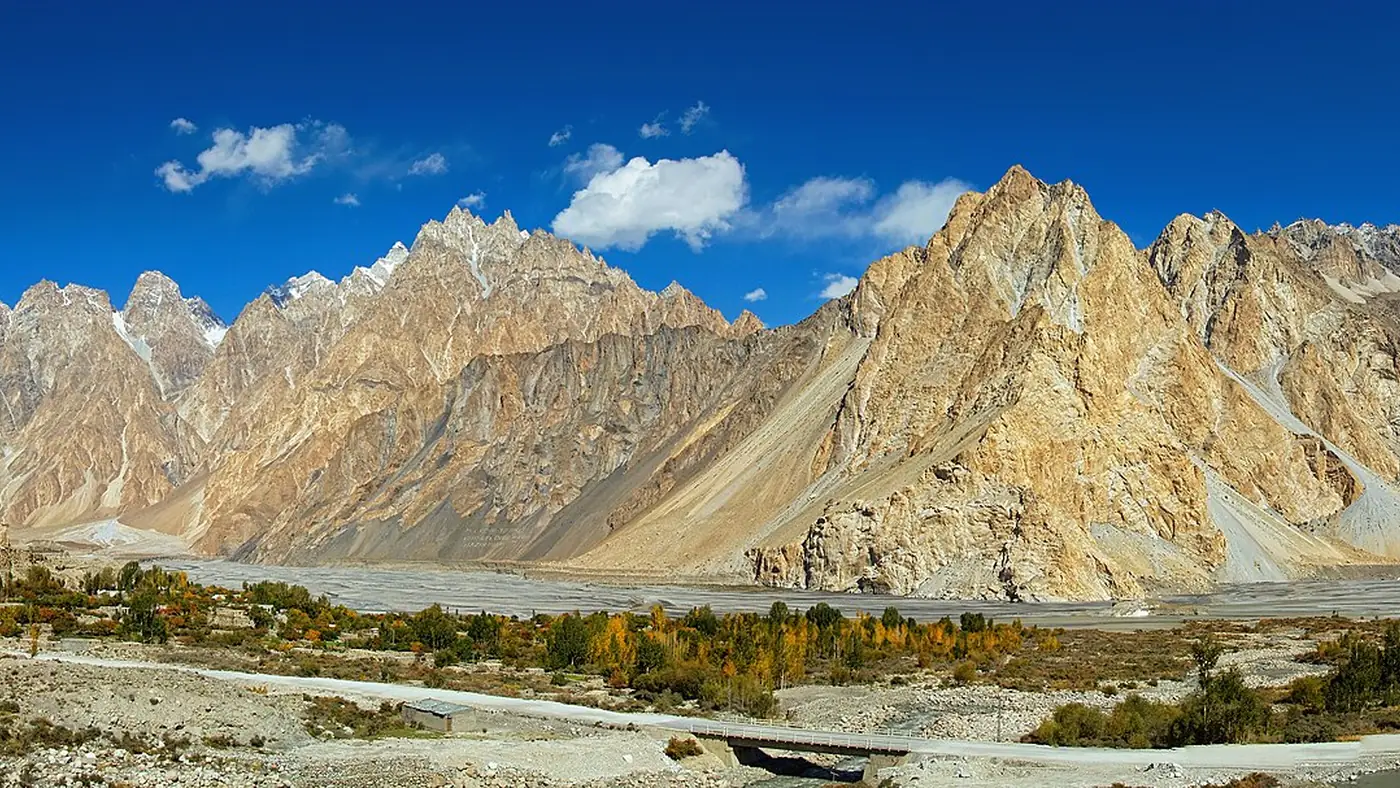
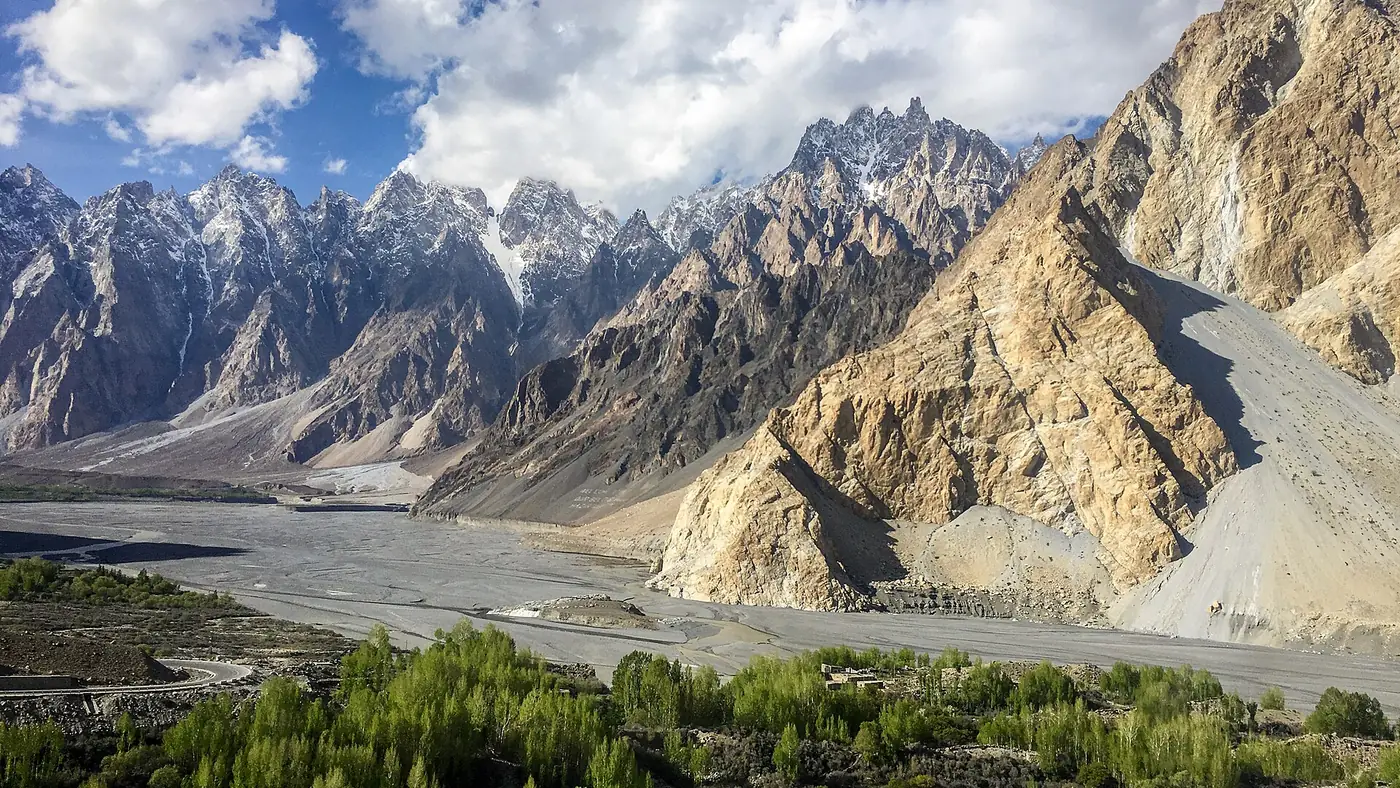
Homestays in northern Pakistan mean a spare room in a family's own house rather than a hotel, most commonly in Gilgit-Baltistan and Chitral's Kalash valleys, arranged either directly through a village guesthouse or through an Airbnb-style platform built for the region. They cost less than a hotel and come with home-cooked food and a family's company, in exchange for simpler facilities and less privacy.
This guide covers how to find one, what to expect, what it costs, and the etiquette that makes a homestay work well for both sides.
What a homestay actually is
A homestay is a room or two in a house where the family still lives, not a self-contained guesthouse with a separate entrance. Facilities are usually shared: one bathroom for the household and guests, a kitchen where the host cooks for you, and a sitting room that doubles as a common area. Breakfast, and often other meals, is typically included and cooked by the family, using local ingredients and recipes rather than a hotel menu.
This is different from a village guesthouse, which is a small, independently run property in a family compound but with its own rooms and less day-to-day contact with the hosts. Both are common across the north and often described interchangeably as "homestays."
Where homestays are most common
Gilgit-Baltistan is where homestays are best established, particularly around Hunza's villages such as Altit, and across Gilgit-Baltistan more broadly, where a platform-based homestay network has grown over the past several years.
The Kalash valleys in Chitral district (Bumburet, Rumbur and Birir) have a tradition of village guesthouses, and staying with a Kalash family is one of the more direct ways to learn about a culture that is otherwise easy to see only from the outside.
Shimshal and Chapursan valleys, both reached from upper Hunza, have family-run guesthouses that function much like homestays, useful for travellers going further off the Karakoram Highway than the main tourist towns.
How to find and book one
- Chkar, an online marketplace built specifically for lodging in Pakistan, lists homestays and family guesthouses across Hunza, Skardu, Gilgit and other northern towns, and works in a similar way to Airbnb.
- Let's Home, run through Facebook, connects travellers directly with host families, mainly in Hunza.
- General platforms like Airbnb list some rooms and homes in Gilgit-Baltistan and Chitral, though coverage is patchy compared with hotels.
- Asking on arrival still works in smaller villages, where a host's family or a village guesthouse can be found through word of mouth once you're there, though this suits travellers with a flexible schedule better than a tightly planned trip.
Book ahead for peak season, June to August and around Eid, the same as you would a hotel; our guide to hotel booking in the north covers advance payments and what to confirm before you pay.
Before you confirm, ask a few practical questions that a hotel listing would normally answer but a family homestay might not: how many people the room actually sleeps, whether the bathroom is shared with the household or set aside for guests, what meals are included, and roughly how far the house is from the main bazaar or road, since village homes can be a walk from where buses and jeeps stop.
Combining a homestay with hotel nights
Most travellers don't spend a whole trip in homestays, and there's no need to. A common pattern is hotel nights in the bigger towns, Karimabad, Gilgit or Skardu, where facilities and choice are better, with one or two homestay nights built in for somewhere smaller, such as a Hunza side valley, Shimshal, Chapursan or a Kalash village. That gives the variety of a family stay without asking a group, especially with children or older relatives, to manage shared facilities for the entire trip. Our nine-day Gilgit, Hunza and Khunjerab tour is built around hotels for this reason, but the same route works well with a homestay night added in upper Hunza for travellers arranging it independently.
What it costs
Prices are lower than a mid-range hotel and vary by location and season, so treat any figure as a rough guide rather than a quote: budget guesthouses and homestays across the north commonly run from a few thousand rupees a night including meals (2026), with platform-listed homestays sometimes priced a little higher for the convenience of online booking. Confirm the exact rate, and whether meals are included, directly with the host or platform before you travel.
Etiquette that matters
A homestay works because you're a guest in someone's home, not a hotel customer, and a few habits go a long way:
- Take your shoes off before entering the house, as is standard in Pakistani homes generally.
- Ask before photographing anyone in the household, especially women, rather than assuming it's fine because you're a paying guest.
- Keep interactions respectful and appropriately distant, particularly with female hosts, who are often doing the cooking and hosting.
- Bring a small gift if you can, fruit, sweets or something from your own city, especially where a family is hosting informally rather than running a registered guesthouse.
- Be flexible about facilities. Hot water may be on a timer or a wood-fired heater, wifi may not exist at all in places like the Kalash valleys, and meals follow the household's routine rather than a hotel's flexible timing.
Who a homestay suits
Homestays suit travellers who want to spend time with local families, are comfortable with shared and simpler facilities, and are travelling in a small group rather than a large one, since most spare rooms hold two to four people at most. They work particularly well for a night or two as part of a longer trip through Hunza or Chitral, adding a different kind of experience alongside hotel nights elsewhere.
They suit families with young children and larger groups less well, given limited space and shared bathrooms, and anyone who wants guaranteed privacy or hotel-standard facilities every night should stick to hotels for most of the trip and add a homestay as one part of it rather than the whole plan.
Frequently asked questions
Are homestays safe in northern Pakistan?
Yes, they're a well-established part of tourism in Gilgit-Baltistan and Chitral. Book through a known platform like Chkar, or a guesthouse with visible reviews, rather than an unverified arrangement made at short notice.
Do homestays in northern Pakistan have wifi and hot water?
Sometimes, but don't count on it. Wifi is patchy to absent in villages like those in the Kalash valleys, and hot water may run on a timer or a wood-fired system rather than continuously.
How much does a homestay cost in Hunza or Skardu?
Generally less than a mid-range hotel, often a few thousand rupees a night including meals (2026), though prices vary by host and season. Confirm the rate directly before booking.
Is a homestay a good option for a family with children?
It can work for one or two nights as part of a longer trip, but shared bathrooms and limited space make it less practical than a hotel for a family's main accommodation every night.
What's the difference between a homestay and a village guesthouse?
A homestay usually means a room inside a family's own house with shared facilities, while a village guesthouse is a small, separately run property in a family compound with its own rooms, though the two terms are often used loosely for the same kind of stay.