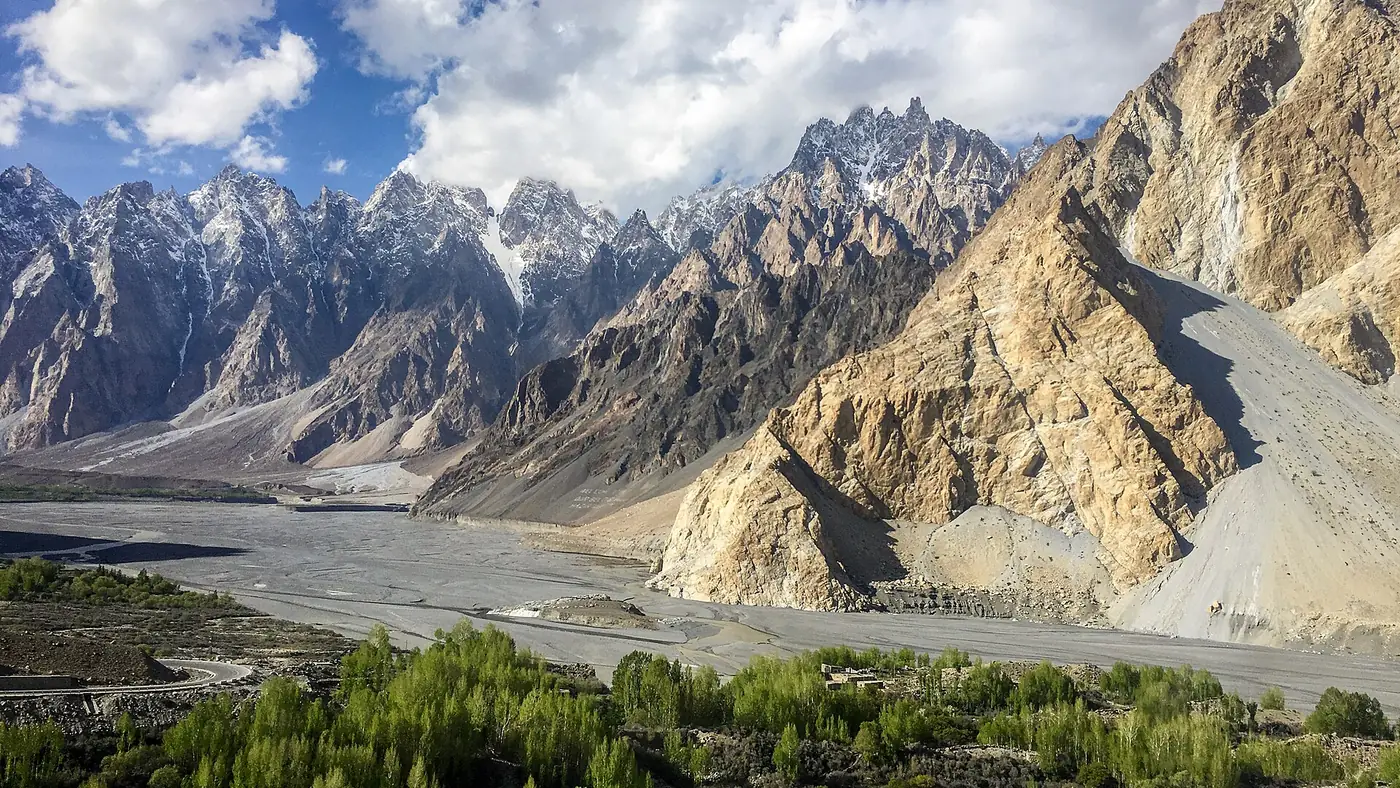
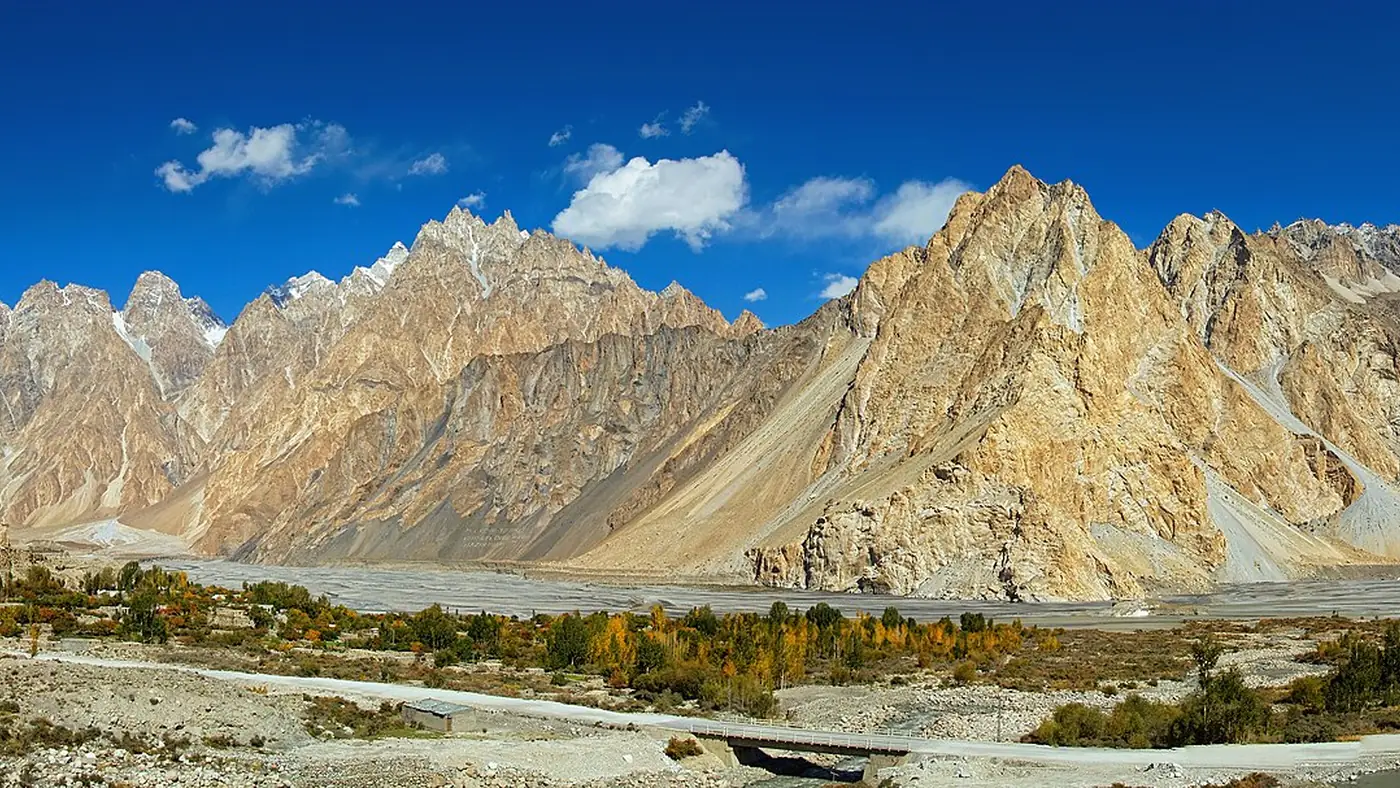
July is peak season in the northern areas. Everything is open at once: Babusar, Deosai, the Fairy Meadows jeep track and Khunjerab Pass, and it is the busiest month of the year on the roads and in the hotels, because Punjab's schools are closed for the summer through the whole month. Gilgit-Baltistan itself sees little of the summer monsoon, but the road in from Islamabad crosses parts of Khyber Pakhtunkhwa that do, so landslides and closures on the way up are the main practical risk.
This guide covers the weather, the crowds, what to book ahead, and which high-altitude spots are worth prioritising when everything is technically open at once.
| At a glance | July |
|---|---|
| Everything open | Babusar, Deosai, Fairy Meadows, Khunjerab, Shandur |
| Gilgit | Hot: afternoons around 34 to 36 °C |
| Skardu | Around 29 °C by day, 16 °C at night |
| Fairy Meadows | Cool days, cold nights; best time for the trek |
| Monsoon | Light in Gilgit-Baltistan; heavier on the KKH south of Chilas and in Kaghan and Swat |
| Crowds | At their peak; Punjab schools closed until late August 2026 |
What is the weather like in July?
July is the hottest month in the low valleys and one of the most reliable at altitude.
- Gilgit and Chilas are hot. Gilgit averages 34 to 36 °C in the afternoon, and the Kohistan stretch of the Karakoram Highway can be as hot as the plains.
- Skardu is warm but comfortable, averaging around 29 °C by day and 16 °C at night.
- Hunza, around Karimabad, is pleasantly warm by day with cool evenings, one of the more comfortable places to base yourself in July.
- Deosai and Fairy Meadows stay cool. Deosai, at over 4,000 metres, can still be cold at night even in mid-summer, and Fairy Meadows is one of the best places to escape the valley heat.
Pakistan's monsoon typically runs from late June to September and delivers most of its rain in July and August, but Gilgit-Baltistan sits largely in its rain shadow and gets comparatively little of it. The heavier rain falls further south and west, over Khyber Pakhtunkhwa's Kaghan and Swat valleys and the Kohistan stretch of the road north. For the full year by month, see our guide to the seasons.
Everything is open: how to prioritise
By July, every major high-altitude spot in the region is accessible, which is exactly why choosing where to spend your time matters more than in a quieter month.
- Khunjerab Pass is reliably open and one of the most dependable day trips of the year from Hunza.
- Deosai is at its greenest, with wildflowers through July, though afternoon cloud and short showers are more common than in June.
- Fairy Meadows is in its main season, with the jeep track and lodges fully open and the best views of Nanga Parbat when the weather is clear.
- Babusar Pass is open and generally reliable, though it can still close for a day after heavy rain or a rare summer snowfall at the top.
- Shandur Pass is open for the summer. The Shandur Polo Festival has traditionally been held on 7 to 9 July, though recent editions have moved to June (11 to 13 June in 2026), so check the announced dates for the year you're travelling rather than assuming early July.
With four or five days, most people can realistically manage two or three of these rather than all of them, so decide what matters most before you build the itinerary.
Crowds and what to book ahead
July is the single busiest month of the year in the northern areas. Punjab's schools are closed for summer from 22 May to 24 August in 2026, which means the whole of July falls inside the school holidays, and Eid travel or family holidays add to the numbers on top.
- Book hotels in Hunza, Skardu and Naran well ahead, especially for weekends and any dates near a public holiday.
- Expect queues at the Dih checkpoint on the way to Khunjerab, at the Deosai entry points and on the Babusar road at peak times.
- Traffic on the Karakoram Highway and the Naran road is heaviest in July, and travel times can run longer than the road distance suggests.
- Fuel and food stops fill up quickly in small towns like Sost and Chilas; plan to stop a little earlier than the crowd.
Monsoon risk on the way in
The bigger weather risk in July is not in Gilgit-Baltistan itself but on the road there. The Karakoram Highway south of Chilas, through Kohistan, and the roads into Kaghan and Swat are all prone to landslides and flash flooding once the monsoon sets in, and closures of a few hours to a couple of days are possible after heavy rain. Build at least one spare day into any July itinerary that depends on this stretch of road, and check conditions the morning you travel.
What to pack for July
- Light clothes for the valleys, since Gilgit and Chilas are genuinely hot, but a proper jacket for Deosai, Khunjerab and Fairy Meadows, where it stays cold.
- Sun protection. Strong sun at altitude burns quickly, even on a cool day at Deosai or Khunjerab.
- A raincoat or light waterproof, useful for both a Deosai shower and a Kaghan or Swat downpour on the way up.
- Water and snacks for long queues at checkpoints and busy viewpoints in peak season.
- A little extra time in every plan. July is the month most likely to test your schedule, between traffic, checkpoint queues and the odd road closure.
Who July suits
July suits travellers who want everything open and don't mind sharing the road and the views with everyone else. It's a strong month for Khunjerab, Deosai and Fairy Meadows together, and the warm evenings in Hunza and Skardu are some of the most comfortable of the year.
It suits families and first-time visitors less well if crowds and higher prices are a concern; for a quieter version of the same open season, June or September are better choices. Our Gilgit, Hunza and Khunjerab tour and Skardu and Deosai tour both run through July if the peak season suits your dates.
Frequently asked questions
Is July a good time to visit the northern areas?
Yes. Everything is open, from Khunjerab to Deosai to Fairy Meadows, and the weather at altitude is at its most reliable. The trade-off is the biggest crowds and highest prices of the year.
Does the monsoon affect Gilgit-Baltistan in July?
Only lightly. Gilgit-Baltistan sits mostly in the monsoon's rain shadow, so Hunza, Skardu and Gilgit itself see comparatively little rain. The road in from Islamabad, through Kohistan, and the Kaghan and Swat valleys, see much more.
Is Deosai open in July?
Yes, and it's one of the best months for it, with wildflowers through the plateau. Afternoon showers are more common than in June, so plan to be up and back before midday cloud builds.
Do I need to book hotels ahead for a July trip?
Yes. July falls entirely inside Punjab's summer school holidays, and it is the busiest month of the year in Hunza, Skardu and Naran. Book well in advance, especially for weekends.
Is it safe to travel to the northern areas in July?
Gilgit-Baltistan itself carries no current UK government advisory against travel, but the Karakoram Highway between Mansehra and Chilas does, and monsoon landslides add a practical risk on that stretch in July. Check current advice and road conditions before setting out, and keep a spare day in your plan.