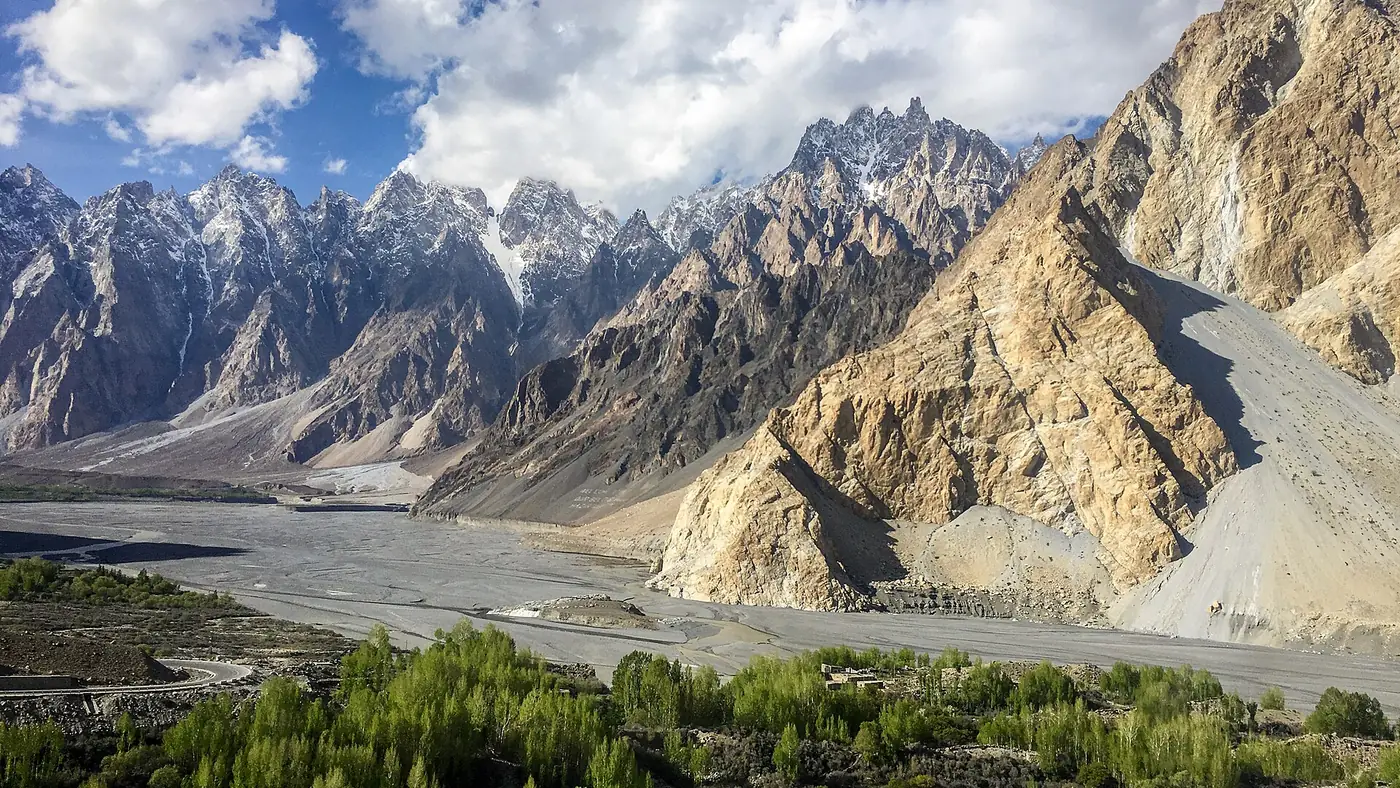
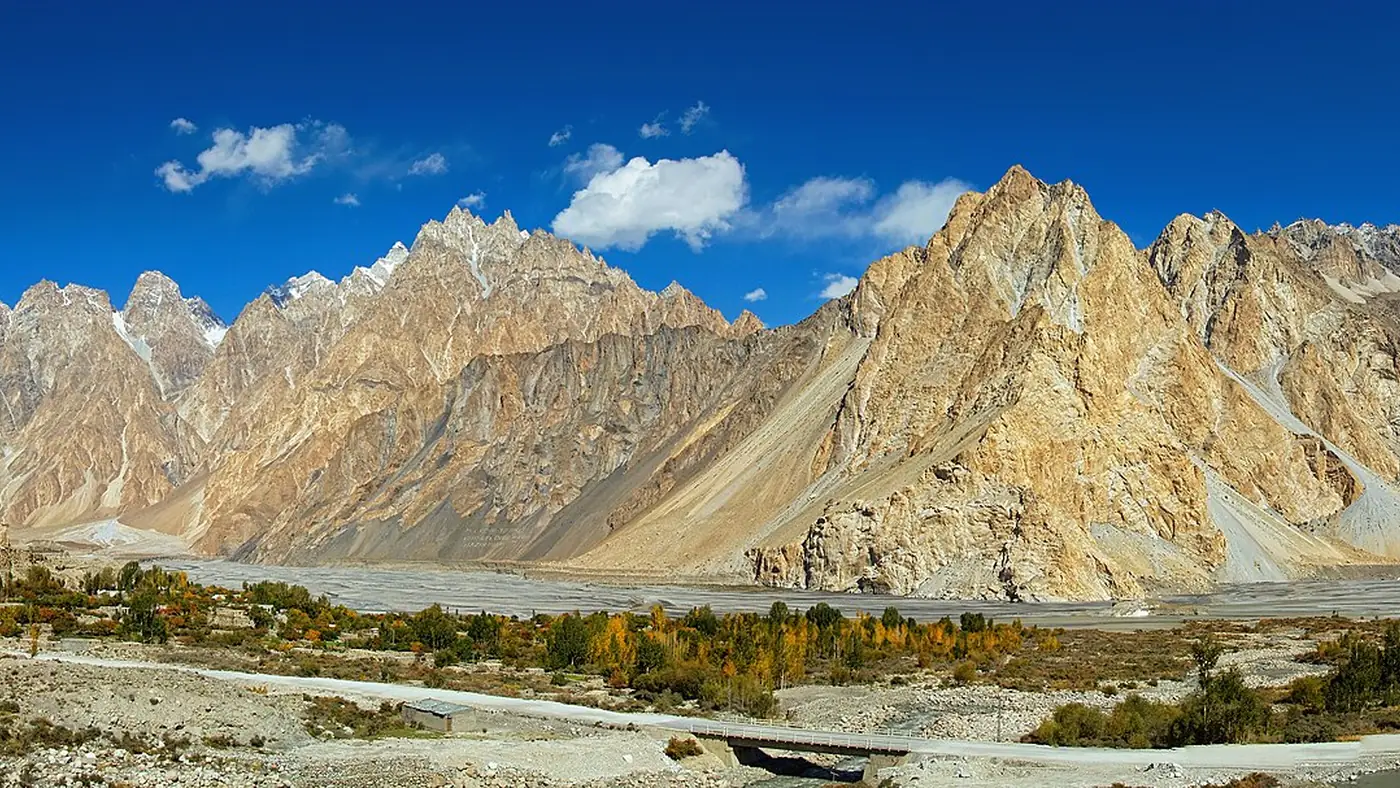
August in the northern areas combines the last weeks of peak season with the single busiest date of the year: Independence Day on 14 August. Everything is still open, from Khunjerab to Deosai to Fairy Meadows, the weather is warm to hot in the valleys, and the monsoon is at its strongest on the approach roads through Khyber Pakhtunkhwa. The two things to plan around are the crowds in the days either side of 14 August and the chance of landslides on the way up.
This guide covers the weather, the Independence Day rush, monsoon risk and how to choose a safer route and timing.
| At a glance | August |
|---|---|
| Everything open | Babusar, Deosai, Fairy Meadows, Khunjerab |
| Gilgit | Hot afternoons, similar to July |
| Skardu | Around 29 °C by day, 16 °C at night |
| Independence Day | 14 August; the busiest date of the year on the roads |
| Monsoon | Heaviest on the KKH south of Chilas and in Kaghan and Swat |
| School holidays | Punjab schools closed until 24 August 2026 |
What is the weather like in August?
August follows July closely, with the same broad pattern across the region.
- Gilgit and Chilas stay hot, with afternoons in the mid-30s Celsius, easing only slightly towards the end of the month.
- Skardu remains warm and pleasant, averaging around 29 °C by day and 16 °C at night, much like July.
- Hunza is comfortable, with warm days and cool evenings around Karimabad.
- Deosai and Fairy Meadows stay cool, and August is one of the better months for both, with the plateau's wildflowers still out early in the month.
The monsoon is at or just past its peak nationally in August, with most of Pakistan's annual rainfall falling between late June and September. As in July, Gilgit-Baltistan itself is comparatively dry because of the rain shadow effect of the surrounding ranges, while Khyber Pakhtunkhwa, including the Kaghan and Swat valleys and the southern stretch of the Karakoram Highway, sees much heavier rain. For how August compares with the rest of the year, see our guide to the seasons.
Independence Day: what 14 August changes
Independence Day, on 14 August, is a public holiday marked with flags, events and a nationwide surge in domestic travel, and Hunza and Naran-Kaghan are two of the most popular places for it. Expect the days immediately before and after 14 August to be the busiest of the entire year on the roads into the north.
- Traffic builds sharply on the routes from Islamabad towards Naran, Babusar and Hunza in the days around the holiday.
- Hotels fill up fast in Karimabad, Naran and Skardu; book well ahead if your trip falls in this window.
- Roads can be congested even at night, both on the eve of the holiday and through the day itself, as families travel to be somewhere for the celebrations.
- If your dates are flexible, travelling a week either side of 14 August gets you the same August weather with noticeably lighter traffic.
Monsoon and landslide risk
August carries the same monsoon risk as July, and often more of it, since rainfall nationally tends to be heaviest in these two months before easing off in September. The risk is concentrated on the same stretch: the Karakoram Highway through Kohistan south of Chilas, and the roads into Kaghan and Swat, rather than inside Gilgit-Baltistan itself.
Choosing a safer route and timing in August means a few practical habits:
- Check the current road status for the Karakoram Highway and any pass you plan to cross before you leave, not the night before.
- Avoid driving Kohistan or the Kaghan road after or during heavy rain, when the risk of landslides and flash flooding rises sharply.
- Build at least one spare day into your itinerary, so a closure of a few hours or a day doesn't cost you a planned stop.
- Prefer daylight driving on any mountain stretch, since visibility and reaction time both matter more in wet weather.
- Keep a full tank and some food and water in the car, in case of an unplanned wait at a closure.
Choosing a quieter route
If you want the August weather without the worst of the crowds, a few choices make a real difference.
- Travel via the Karakoram Highway rather than Babusar in the days around 14 August, since the Naran road tends to carry the heaviest holiday traffic.
- Base yourself in Hunza rather than Naran for the holiday itself; Hunza's hotels are more spread out and the valley absorbs crowds better than the narrower Kaghan road.
- Visit Deosai on a weekday rather than the holiday itself, when the entry points and the plateau's main viewpoints are noticeably busier.
- Leave early, well before sunrise if possible, for any drive that has to happen on or around 14 August, to get ahead of the day's traffic build-up.
What to pack for August
- Light, breathable clothes for hot afternoons in Gilgit, Chilas and the lower Karakoram Highway.
- A warm layer for evenings in Hunza and Skardu, and a proper jacket for Deosai, Fairy Meadows or Khunjerab.
- A raincoat, useful on both the Deosai plateau and the wetter stretches of road further south.
- Cash and snacks for delays, in case a checkpoint queue or a short road closure adds an hour or more to your day.
- Patience. August rewards travellers who build slack into their plans rather than racing a fixed schedule.
Who August suits
August suits travellers who want the full open season, don't mind heat in the lower valleys, and can either embrace the Independence Day crowds or plan around them. Deosai and Fairy Meadows are both still at their best, and Khunjerab remains reliable.
It suits fewer people than July or September if calm roads and easy bookings matter, particularly in the week either side of 14 August. If you can choose your dates, aim for the first half or the very end of the month rather than the middle. Our Gilgit, Hunza and Khunjerab tour and Skardu and Deosai tour both operate through August.
Frequently asked questions
Is August a good time to visit the northern areas?
Yes, with everything open and warm weather in the valleys, but plan around 14 August, Independence Day, when roads and hotels are at their busiest of the year.
Should I avoid travelling on Independence Day?
You don't have to, but expect heavy traffic and full hotels in the days immediately before and after 14 August. If your dates are flexible, travelling a week either side gets similar weather with far less congestion.
Does the monsoon affect the northern areas in August?
Gilgit-Baltistan itself gets comparatively little monsoon rain because of the rain shadow effect of the surrounding mountains. The heavier rain, and the greater landslide risk, is on the approach roads through Kohistan, Kaghan and Swat.
Is Deosai still good in August?
Yes. The plateau is still green and cool, and it remains one of the better months for a visit, alongside July.
Is it safe to travel to the northern areas in August?
Gilgit-Baltistan itself carries no current UK government advisory against travel, but the Karakoram Highway between Mansehra and Chilas does, and monsoon conditions add landslide risk on that stretch through August. Check current advice and road status before you travel, and keep a spare day in hand.