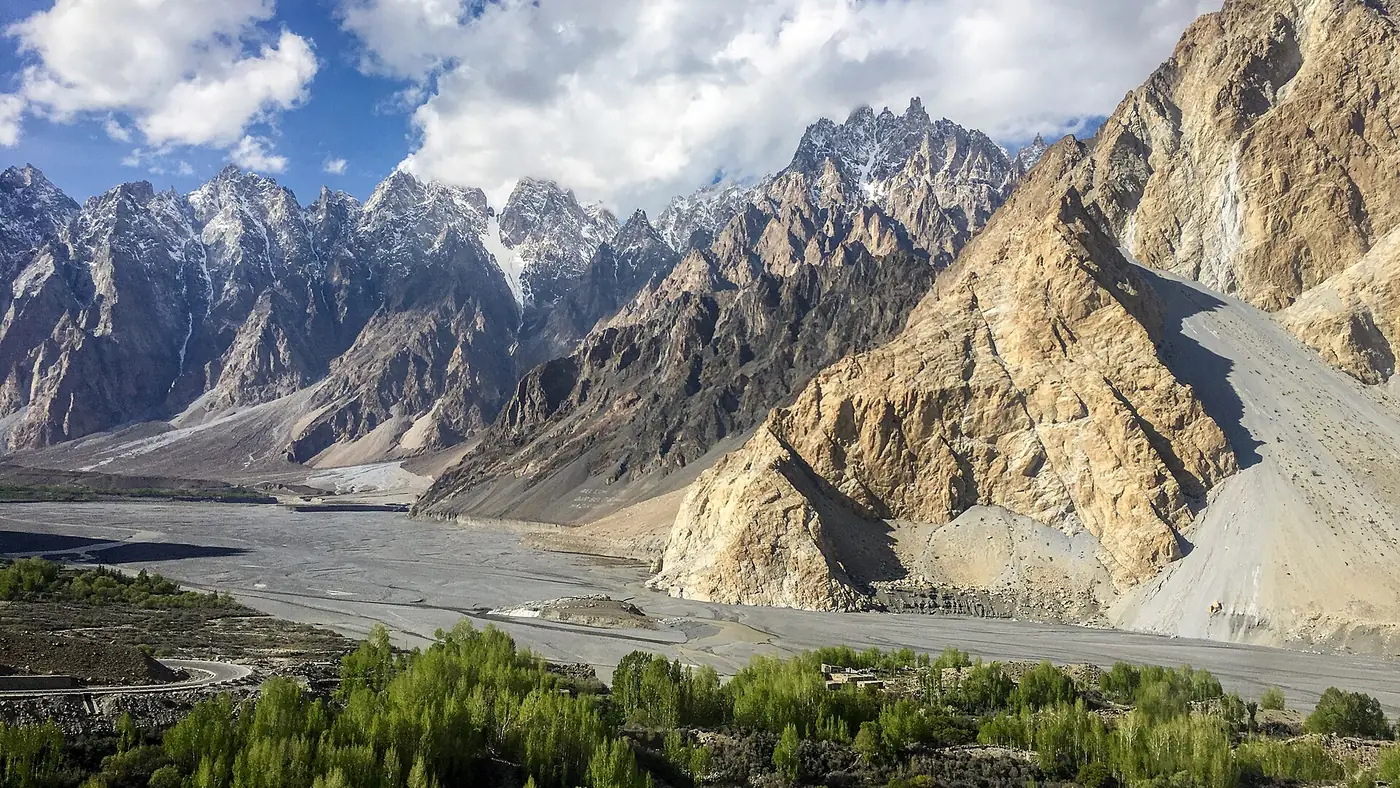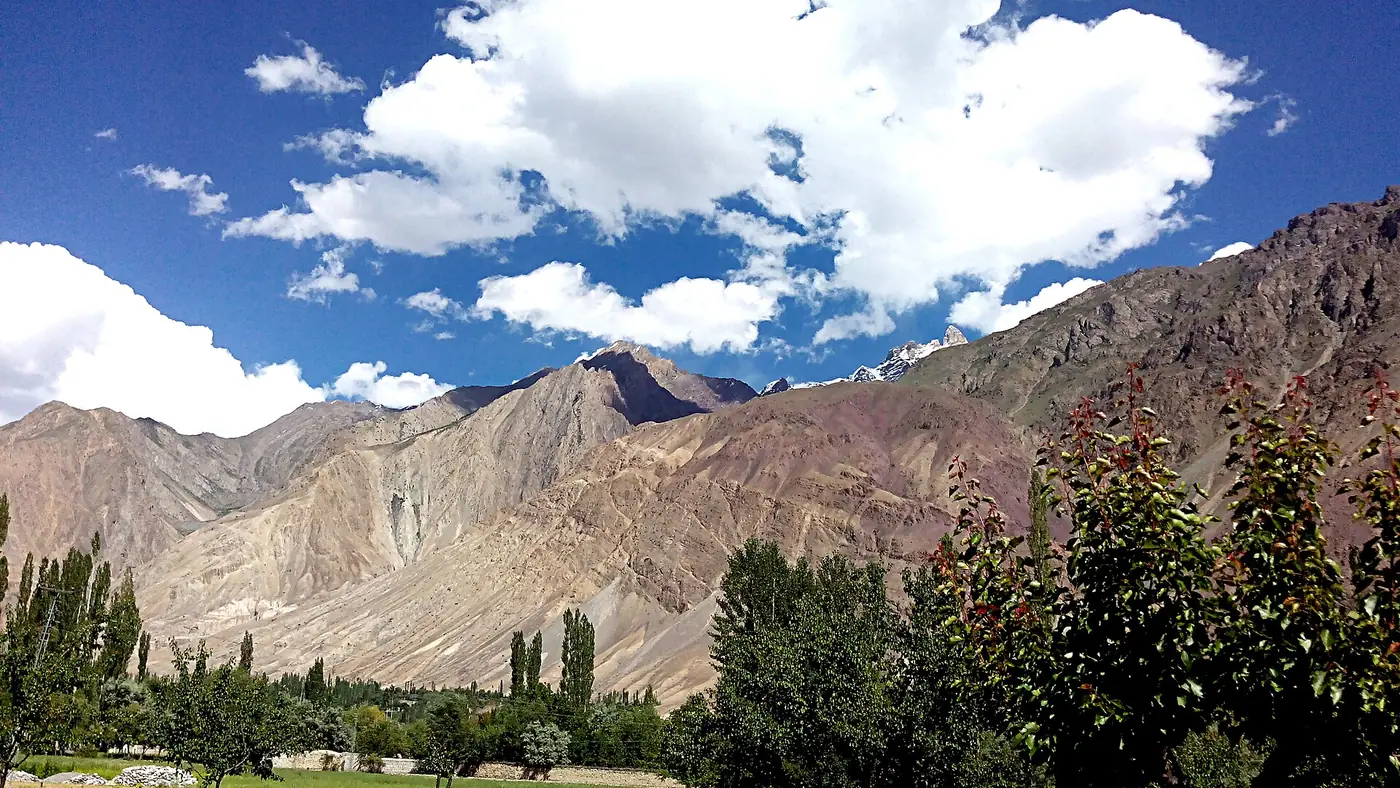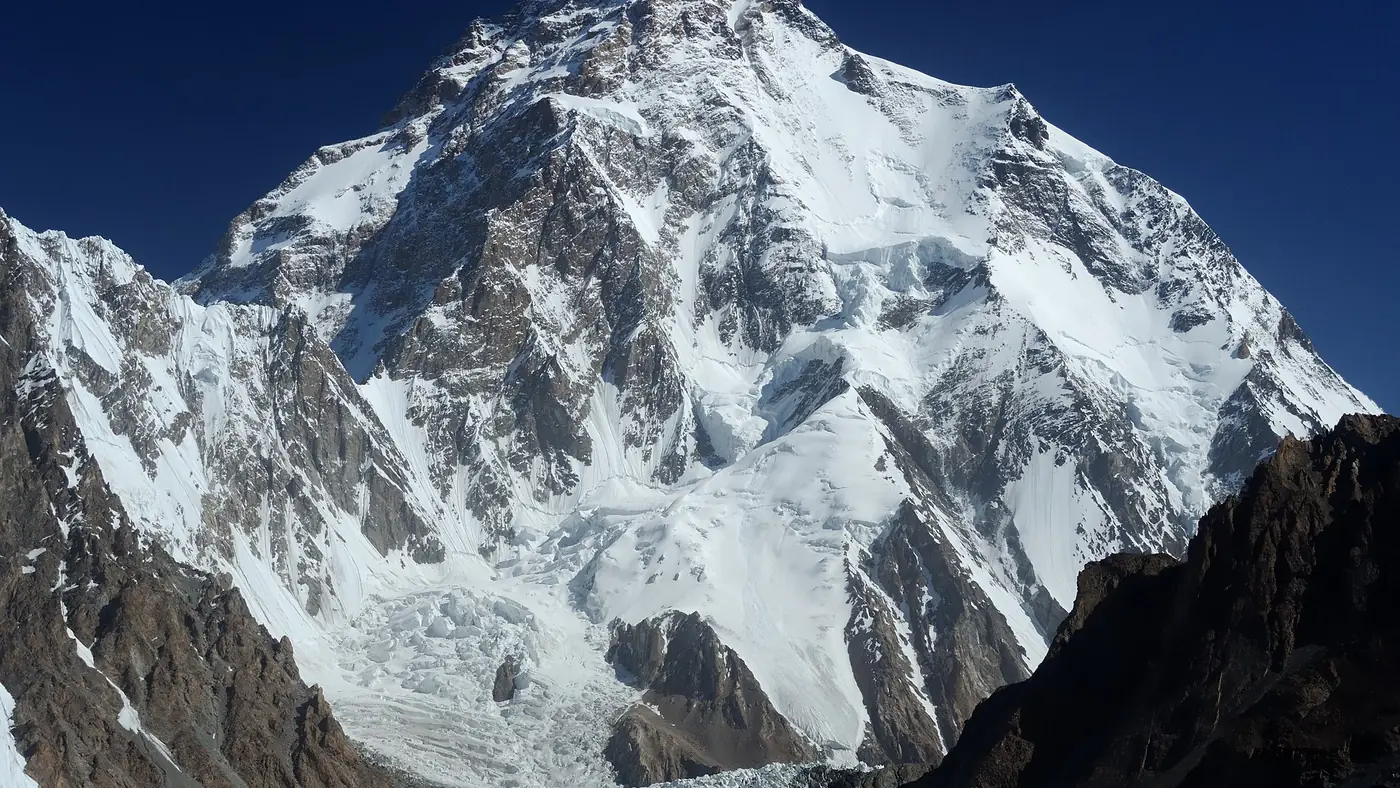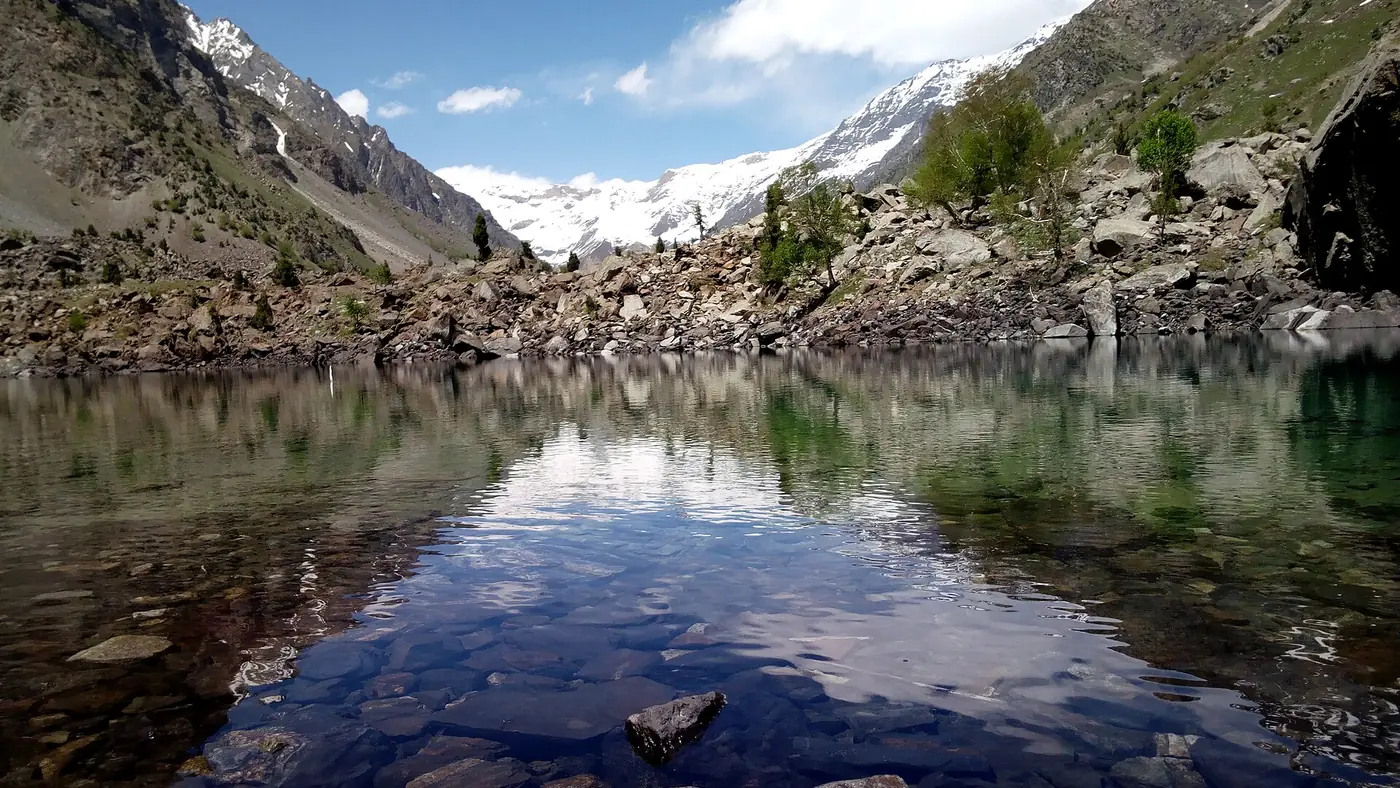
The Naltar Pass trek crosses from the Naltar lakes, above Gilgit, into the Ishkoman valley to the north, over a pass that sits at roughly 4,300 to 4,600 metres depending on the source. It is a proper high-altitude crossing, not a valley walk, and it takes most groups eight to ten days of actual trekking to complete.
This is one of the less-travelled routes in Gilgit-Baltistan. Unlike Rush Lake or the Fairy Meadows walk, it needs camping equipment, a guide who knows the route, and several days without a village, shop or mobile signal.
| At a glance | |
|---|---|
| Naltar Pass altitude | About 4,300–4,600 m, depending on the source |
| Trek length | 8–10 days trekking, more with travel and rest days |
| Start | Naltar lakes, reached by jeep from Gilgit |
| Finish | Ishkoman valley, Ghizer district |
| Best months | July and August |
| Who it suits | Experienced trekkers with camping gear and a guide |
What is the route?
The trek begins where the road ends, above the Naltar lakes. From there it follows the Naltar valley upstream through pine forest and alpine pasture, past summer Gujar and Shin herding camps, to a base camp below the pass.
The crossing itself is a long, steep day: a climb onto glaciated or snow-covered ground, over the pass, and down the far side into the head of the Ishkoman valley. From there the trail follows the Ishkoman river down through villages until it meets a jeep track, usually near Chatorkhand or further down the valley, for the drive out to Gilgit.
Wikipedia records the pass itself at 4,600 metres; several trekking operators who run the route describe the crossing point closer to 4,300 metres. The difference likely comes from exactly where each measures the trail, so treat any figure as approximate and expect a full day above 4,000 metres either way.
How many days does it take?
Most operators run the trekking days alone as eight to ten days: two or three days up the Naltar side to base camp, a crossing day, and several days descending through Ishkoman to the road. Packaged trips that add a rest day in Naltar, a day either side for the drive from Gilgit, and time to explore Ishkoman or connect onward stretch the whole trip to two weeks or more.
Build in at least one spare day near the pass. Weather can close a high crossing for a day at a time even in summer, and starting the crossing day before dawn gives the best chance of stable conditions.
When to go
July and August are the reliable months, when the pass is most likely to be clear of fresh snow and the rivers on the Ishkoman side are at their lowest for crossing. June can still have deep snow on the pass; by late September, nights at altitude are already cold and an early snowfall can close the route without warning.
Our guide to the trekking season in Gilgit-Baltistan covers how the window narrows for high passes like this one compared with lower valley treks.
What the trek demands
This is not a first trek. Expect:
- Full days of eight or more hours walking, including one long summit-and-descend day over the pass
- Camping every night, with a cook and porter team carrying food, fuel and tents
- No village, shop or reliable phone signal for several days in the middle of the route
- Snow or glacier travel on the pass itself in most years, even in high summer
A guide who has done this specific crossing before matters more here than on better-known routes, simply because there is less traffic to follow and fewer people nearby if something goes wrong.
Getting to the start
Naltar valley is reached by jeep track from Gilgit, a drive of about two hours on a rough but manageable road. Most trekkers base themselves in Gilgit or Hunza the night before. Our guide to reaching Naltar valley and our Hunza to Naltar route guide cover the drive in detail; the same road serves as the trailhead for this trek.
Is it worth it?
For a strong, well-prepared group with a competent guide, yes: this is a genuine wilderness crossing between two very different valleys, with none of the crowding of the better-known Karakoram treks. For anyone without trekking or camping experience, it is not the place to start. Consider a shorter, supported route first, such as the walk to Rush Lake or a day out from Naltar valley itself, before taking on a multi-day pass crossing like this.
Frequently asked questions
How difficult is the Naltar Pass trek?
It is a demanding, multi-day high-altitude trek with one long crossing day above 4,000 metres, usually over snow or glacier. It suits experienced trekkers rather than beginners.
How many days does the Naltar to Ishkoman trek take?
Around eight to ten days of trekking, with most full packages running two weeks once travel and rest days in Gilgit are included.
What is the best time for the Naltar Pass trek?
July and August, when the pass has the best chance of being clear of fresh snow and the route is at its most settled.
Do I need a guide for this trek?
Yes. The route crosses remote, largely unmarked high ground with no villages for several days, and local knowledge of current snow and river conditions on the pass is essential.
Where does the trek start and end?
It starts above the Naltar lakes, reached by jeep from Gilgit, and finishes in the Ishkoman valley in Ghizer district, from where jeeps run back to Gilgit.