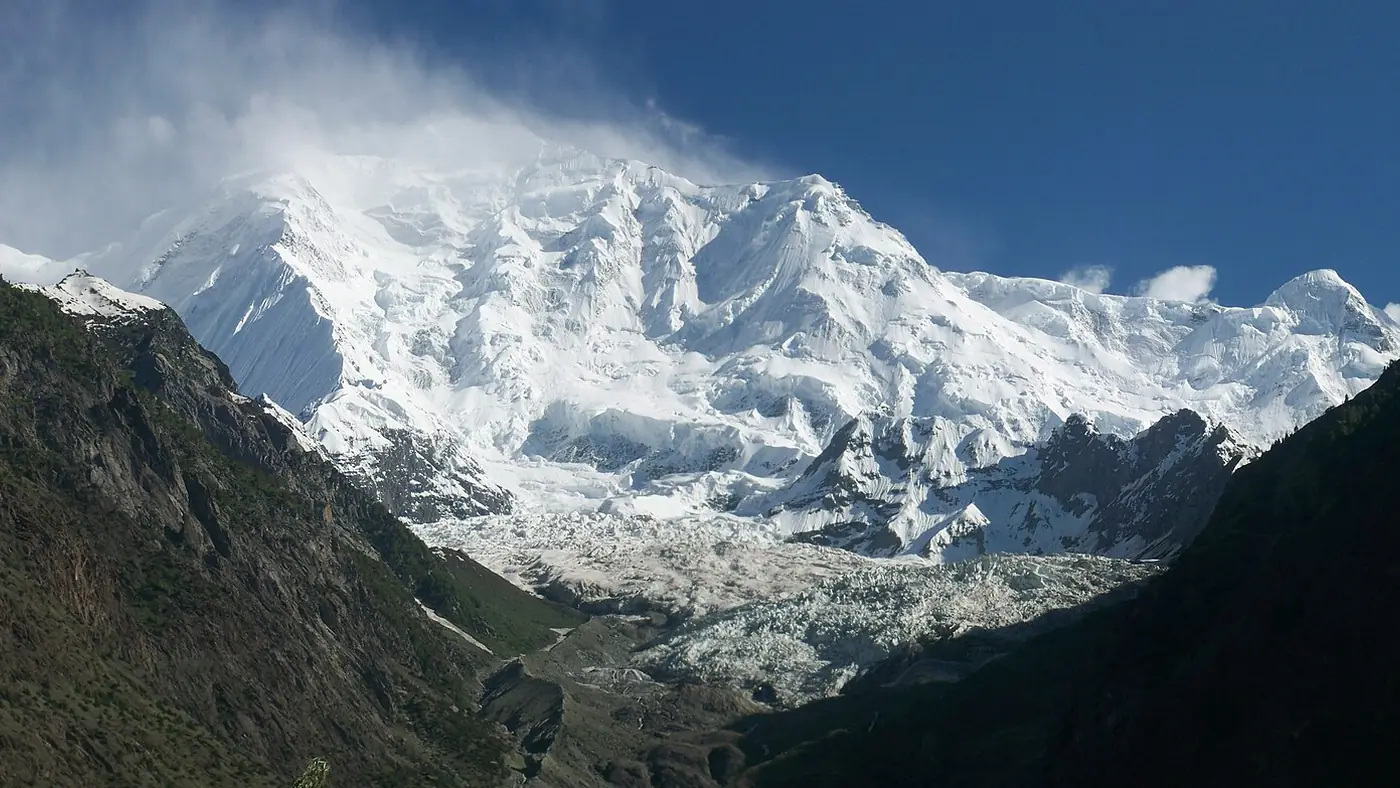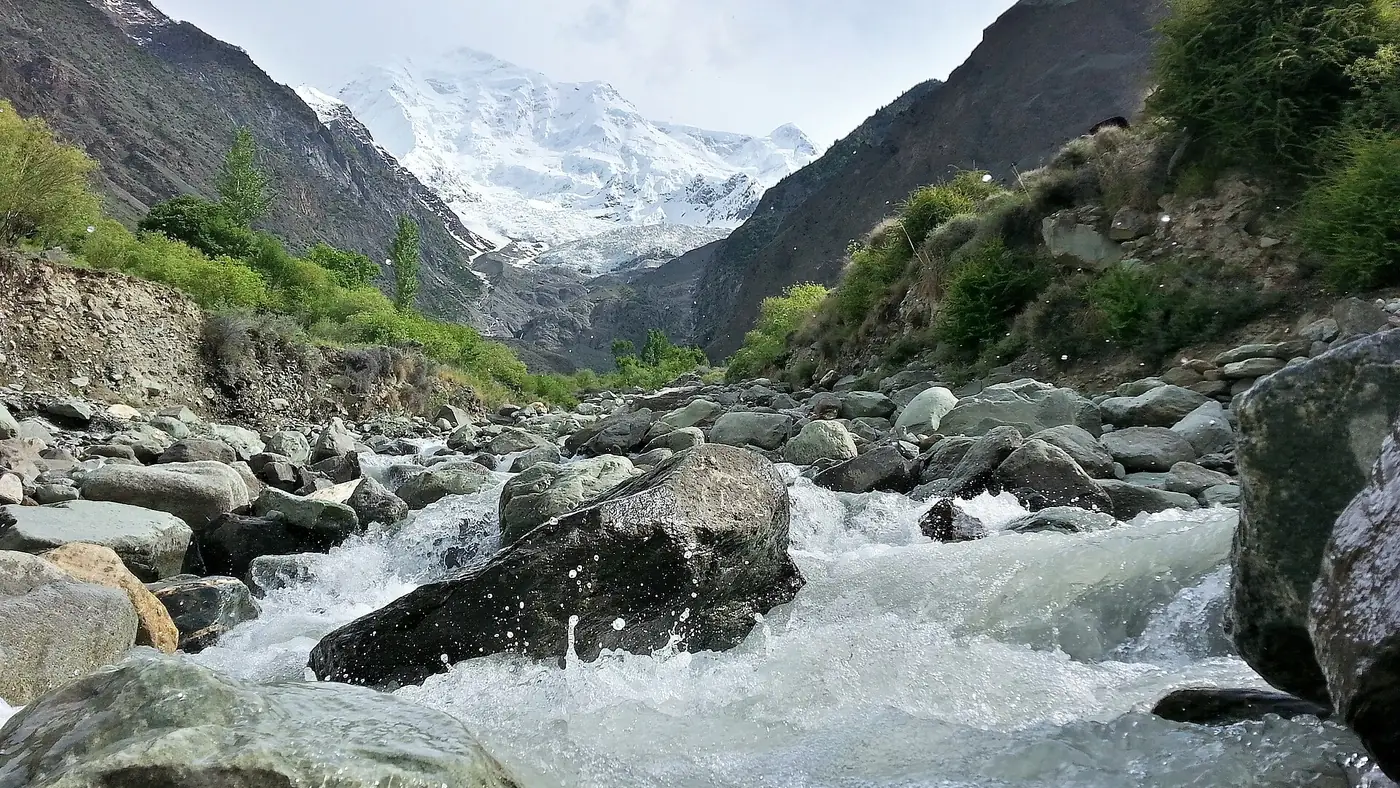
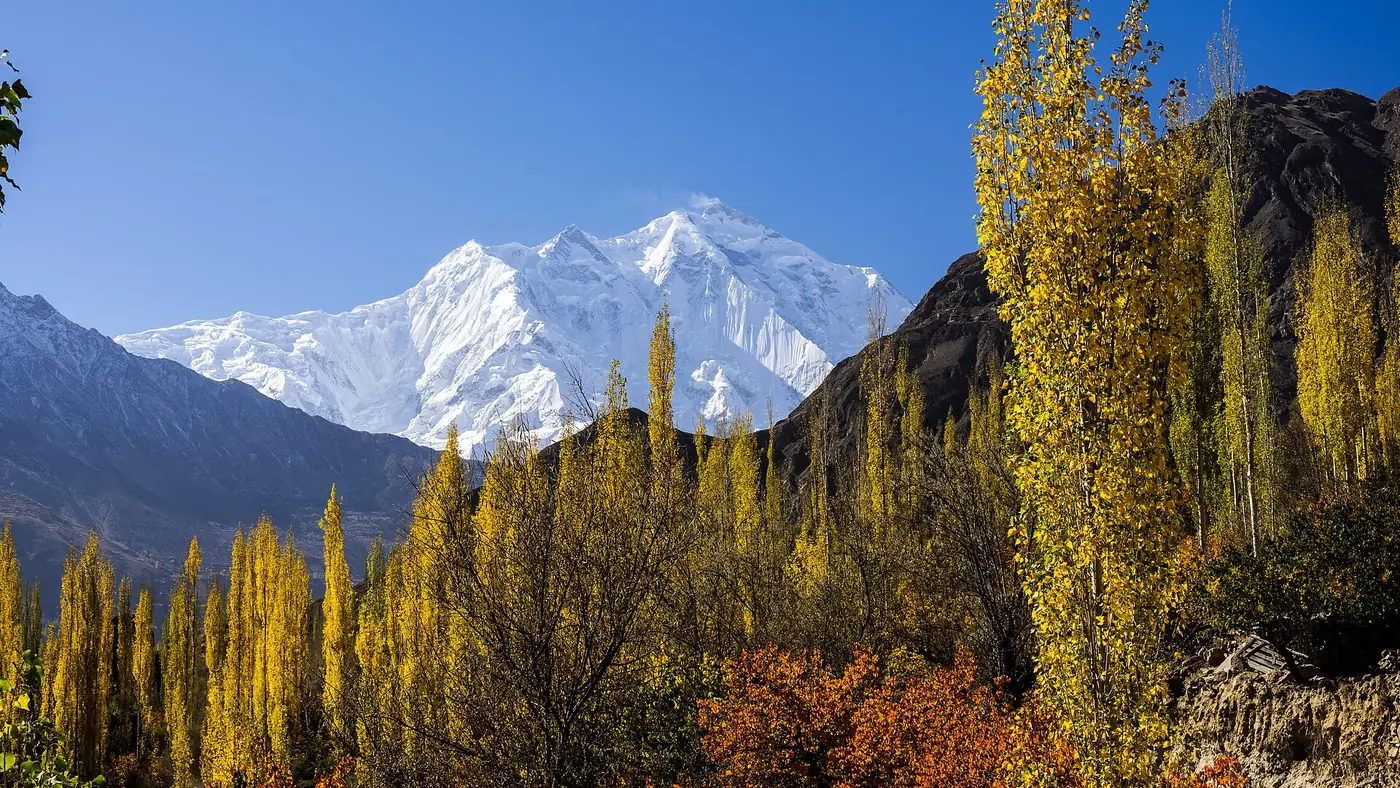
Monsoon in Gilgit-Baltistan, roughly late June to early September, brings far less rain than it does in Khyber Pakhtunkhwa or Punjab, because the region sits mostly in the rain shadow of the Karakoram and Himalaya. The real risk here is not rainfall itself but glacial lake outburst floods and flash floods, triggered by heat waves that melt glaciers fast, and they can cut roads with almost no warning.
This guide explains what actually happens in Gilgit-Baltistan during these months, which roads are most affected, and how to plan a July or August trip around it.
| At a glance | |
|---|---|
| Monsoon window | Late June to early September |
| Main risk in GB | Glacial floods (GLOFs) and flash floods, more than direct rainfall |
| Roads most affected in recent years | Karakoram Highway (Hunza), Baltistan road, Astore valley road, side valleys in Nagar and Ghanche |
| What usually reopens fastest | Main highways; side-valley roads can stay cut for weeks |
Why Gilgit-Baltistan floods differently from the rest of the north
Khyber Pakhtunkhwa's valleys sit more directly in the path of the monsoon system and take heavier direct rainfall, which is why rivers like the Swat and the Kunhar are the bigger flood risk there. Gilgit-Baltistan gets less of that rain, but it holds far more glacier ice, and a hot spell in July can melt enough of it, fast enough, to send a glacial lake outburst flood down a valley with very little warning. Pakistan's disaster management authority issued a Gilgit-Baltistan-wide GLOF risk alert covering March to September 2026, reflecting how much this pattern has become a standing seasonal concern rather than a one-off event.
What happened in 2026
In 2026, the national monsoon began around 1 July, with rain and thundershowers reaching Gilgit-Baltistan in the first days of the month. The more serious trouble came from heat rather than rain: unusually high temperatures between 18 and 21 July drove rapid glacier melt and a wave of GLOF events across several valleys. The Karakoram Highway, the Baltistan road and the Astore valley road were all blocked at points and later reopened, while side-valley roads, including the road into the Hisper valley in Nagar and routes in Ghanche district, stayed cut for far longer; the Hisper road remained disconnected for close to two months after repeated glacial floods damaged long stretches of it.
Which roads to watch
The pattern in most years is consistent: the Karakoram Highway and the other main arteries get priority for clearance and usually reopen within days of a blockage, while narrower side-valley roads, such as those into Hisper, Bagrot, Haramosh and the valleys around Khaplu and Hushe, can stay closed for weeks. If your route depends on one of these side roads, build in a genuine buffer, and have a version of the trip that works if that valley is inaccessible.
Planning a July or August trip around this
- Keep spare days, more than you would in spring or autumn, particularly if your route includes any side valley rather than the main highway corridor.
- Check conditions the evening before and again in the morning. Our guide to Karakoram Highway road status covers where to check.
- Avoid riverbanks and dry stream beds after rain or on a hot afternoon, even where the sky looks clear; a GLOF can arrive from a glacier well upstream with little local warning.
- Don't drive narrow mountain roads after dark or during active rain, and be willing to wait out a closure rather than push through.
- Watch the weather, not just the calendar. A heat wave in the days before your trip is a more useful signal than the month on its own.
Is a monsoon-season trip worth the risk?
For most travellers, yes, with the caveats above: Gilgit-Baltistan in July and August is still far less rain-affected than Swat or Kaghan in the same weeks, and the main roads are usually kept open. What changes is the need for flexibility. If your trip depends on a fixed schedule with no spare days, or on reaching a specific side valley on a specific date, this is not the safest season to lock that in. Our guide to monsoon rain across the wider north compares Gilgit-Baltistan with Khyber Pakhtunkhwa in more detail, and our when to go guide covers the rest of the year's trade-offs.
Frequently asked questions
Does it rain heavily in Gilgit-Baltistan during monsoon?
Less than in Khyber Pakhtunkhwa or Punjab, because the region is largely in the rain shadow of the surrounding mountains. The bigger risk here is glacier-driven flooding rather than the rain itself.
What is a GLOF and why does it matter for travellers?
A glacial lake outburst flood, a sudden release of water from a glacial lake, often triggered by a hot spell rather than rain. It can flood a valley and cut roads with very little warning.
Which roads are most likely to close during monsoon?
Side-valley roads such as those into Hisper, Bagrot and Haramosh have been the slowest to reopen in recent years. Main routes like the Karakoram Highway are usually cleared faster.
Is it safe to travel to Gilgit-Baltistan in July and August?
Generally yes, with spare days built in and attention to current conditions. Avoid riverbanks and stream beds after rain, and check road status before setting out each day.
How long can a monsoon road closure last?
A day or two on a main highway is typical. Side-valley roads damaged by a glacial flood have taken weeks, and in at least one 2026 case close to two months, to fully reopen.