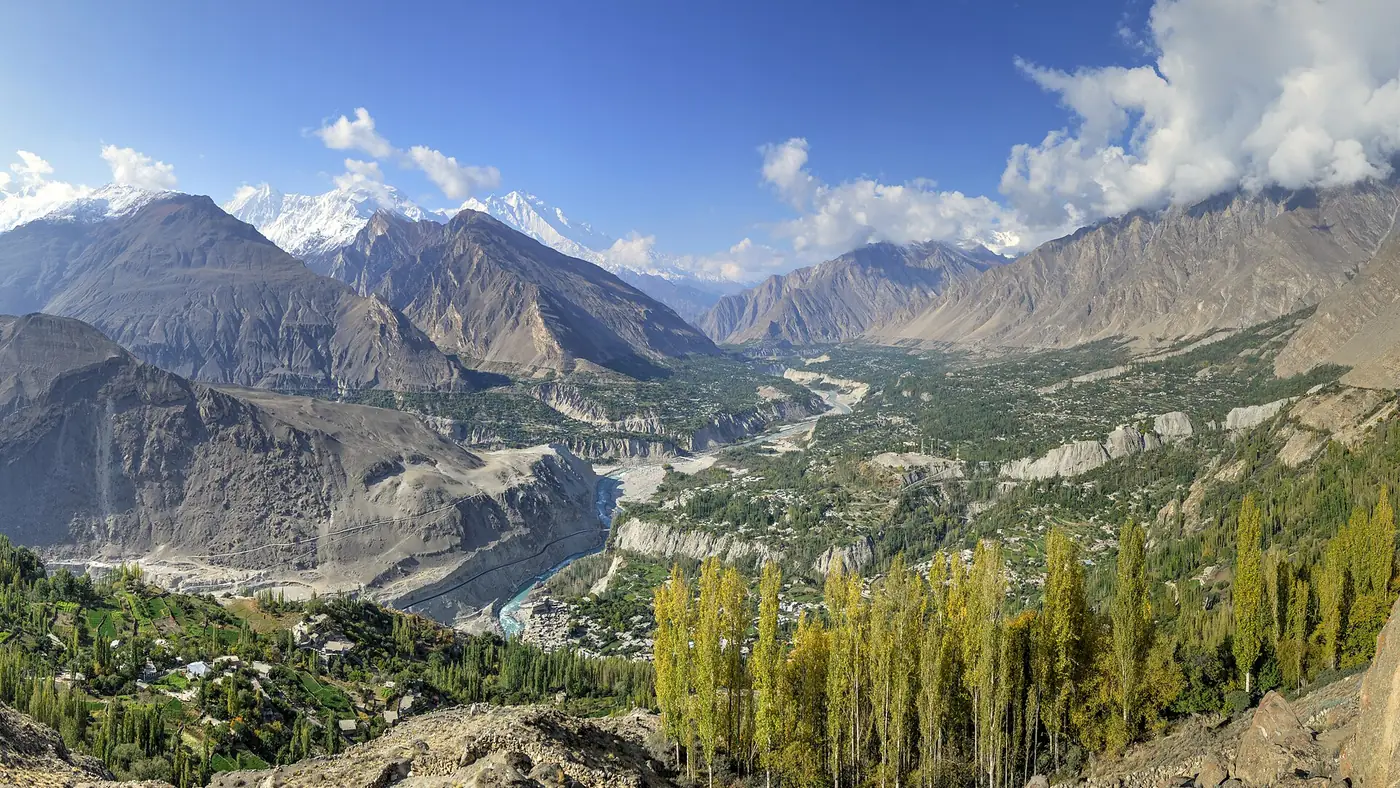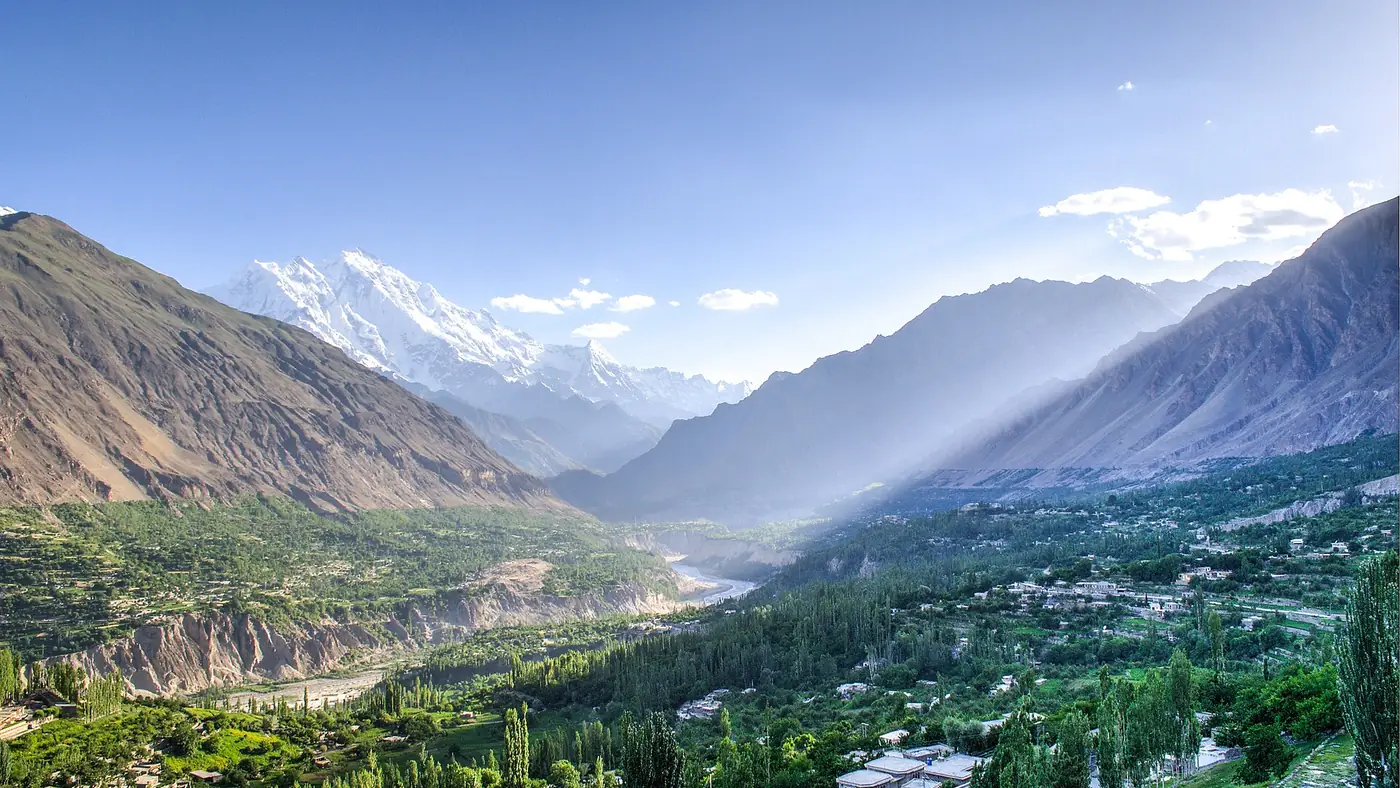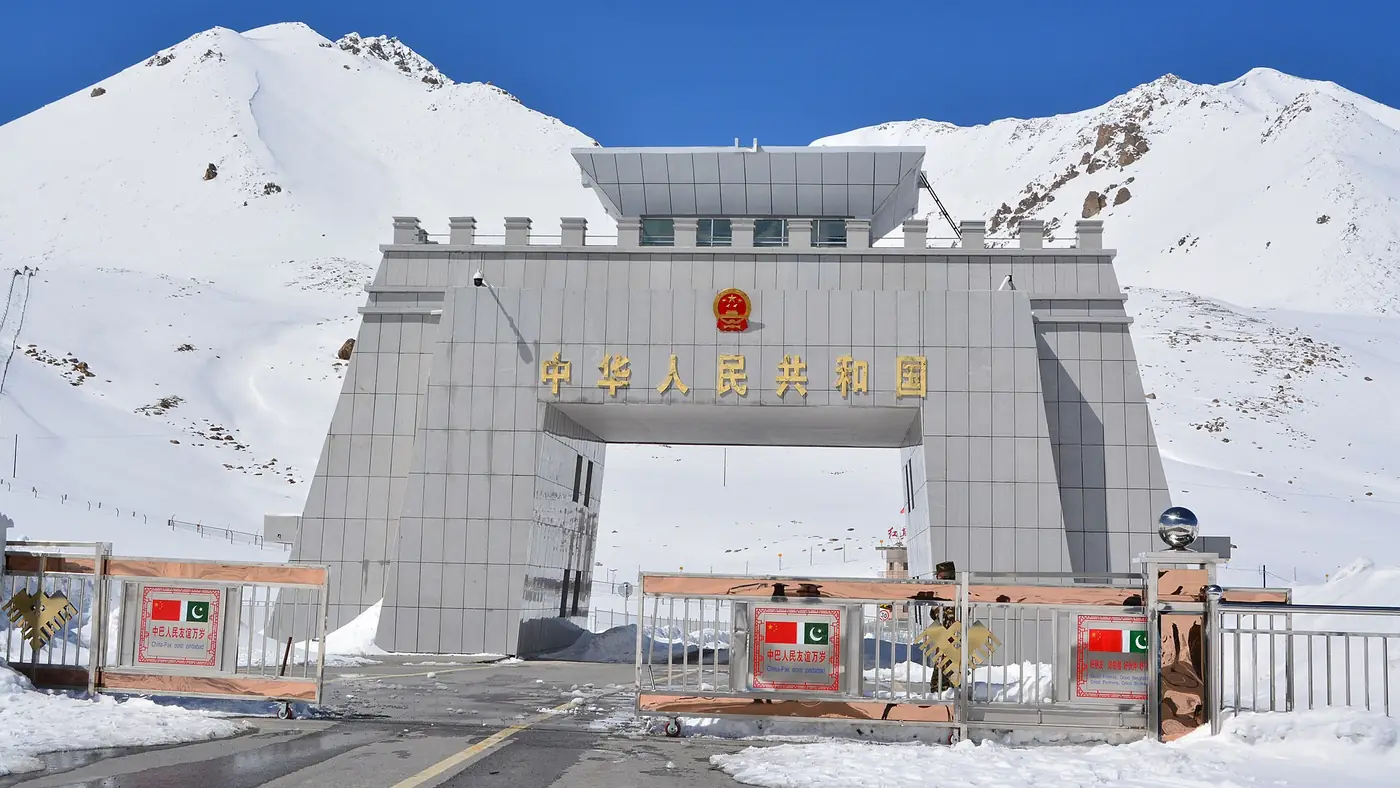
Khunjerab Pass temperature stays cold year-round, even in the middle of summer, because the border sits at 4,693 metres. Research on the wider Khunjerab National Park records summer temperatures averaging around 14°C and winter lows down to about -15°C, and at the pass itself, above most of the park, the air is colder still and the wind makes it feel colder again. Whatever the season, dress for winter, not for the warm valley you just drove up from.
This guide covers how the cold changes through the visitor season, why wind chill matters more than the thermometer, and what to actually wear.
| At a glance | |
|---|---|
| Altitude | 4,693 m at the border |
| Park summer average | About 14°C (peer-reviewed study of Khunjerab National Park) |
| Park winter lows | Down to about -15°C |
| Visitor season | Roughly May to November, weather permitting |
| Warmest months | July and August |
| Coldest edges of the season | May and November |
| Wind | Near-constant at the top; adds a significant chill factor |
How the cold changes through the season
June to September is when the road is open and the weather is most reliable, and it is also, unsurprisingly, the least cold part of the year at the pass. Even so, a study of the wider Khunjerab National Park puts the summer average around 14°C, which is a daytime figure in sheltered conditions lower in the park; at the border itself, higher and more exposed, expect noticeably cooler air and a real bite whenever cloud covers the sun or the wind picks up.
May and October to November sit at the edges of the visitor season, when the road may only recently have reopened or may be about to close again. Overnight and early-morning temperatures at this altitude are well below freezing even in late spring and early autumn, and daytime highs at the pass are far cooler than they are down in Hunza. Snow showers are possible at any point in these shoulder months, on top of the cold itself.
Winter, from around December to April, is outside the window when the road is normally open to visitors, and for good reason: the wider park's own winter lows run to around -15°C, and at the pass, higher and more exposed to wind, conditions are harsher still. This is not a season to plan a visit around.
Why the wind matters more than the number
The single biggest reason Khunjerab Pass feels colder than the forecast suggests is wind chill. The saddle at the top is wide, open and almost constantly windy, with nothing to break the air moving across it. A sunny, calm morning in Karimabad or Passu can still mean a biting, cutting wind at the pass, even in July, and that wind strips heat from exposed skin far faster than the still-air temperature implies.
This is also why the cold at Khunjerab catches people out. Visitors leave Hunza on what feels like a warm summer day, dressed for a valley at around 2,500 metres, and are unprepared for how different the air feels 2,000 metres higher with a steady wind across it.
What to wear
Dress in layers for any month you visit, adjusting the number rather than the type:
- A proper warm jacket, windproof if possible, whatever the season. A light fleece alone is not enough at the top.
- A hat and gloves. These make the biggest difference to comfort at the pass, given how much heat is lost through the head and hands in wind.
- Long trousers, not shorts, even on a hot day lower down.
- Layers underneath that you can add or remove: a thermal or long-sleeved top under a jacket works better than one thick layer.
- Sunglasses and sunscreen. The sun is strong at this altitude even when the air feels cold, and glare off any remaining snow is significant.
Keep the warm layers in the car, not packed in a bag in the boot, so they are to hand the moment you step out at the top.
How this affects your visit
The cold is one reason most people keep their time at the pass itself short, generally around an hour, rather than lingering. It is also worth building into how you plan the day: our guide to the drive from Hunza to Khunjerab Pass covers realistic timings, and the Khunjerab Pass guide explains how altitude and cold together affect visitors, especially children and older travellers.
Anyone visiting in May or November should build in a spare day where possible, since cold and unsettled weather at this altitude, not just snow on the road, can make a visit to the top unpleasant or simply not worthwhile on a given day. For the wider picture of Hunza's seasons, our guide to when to go covers the valley as a whole.
Frequently asked questions
How cold does it get at Khunjerab Pass in summer?
Research on the wider national park puts summer averages around 14°C, and the pass itself, higher and more exposed than most of the park, is typically cooler, especially with wind chill factored in. Dress warmly even in July and August.
Is Khunjerab Pass cold even in June?
Yes. June sits at the start of the warmer window, but the altitude and near-constant wind at the top mean it still feels cold, particularly in the morning or under cloud.
How cold is Khunjerab Pass in winter?
The wider park records winter lows around -15°C, and the pass is colder and more exposed still. The road is normally closed to visitors through winter in any case.
Does it snow at Khunjerab Pass outside winter?
It can. May, October and November all carry a real chance of snow showers at this altitude, on top of the general cold, even though the road may still be open.
What should I wear to Khunjerab Pass in summer?
A windproof jacket, a hat and gloves, long trousers, and a layer you can add underneath. The wind chill at the top makes it feel considerably colder than a warm summer day in Hunza would suggest.