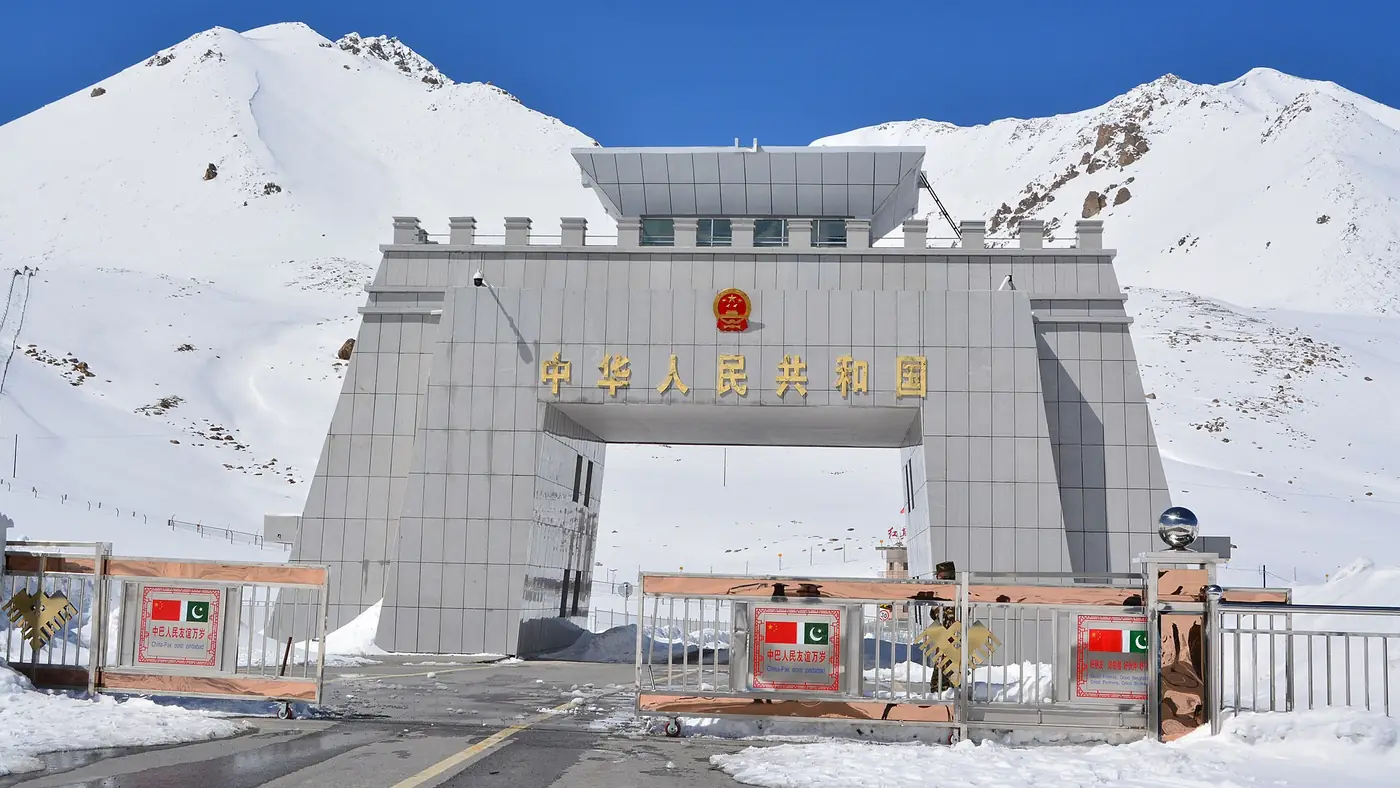
Khunjerab Pass sits at 4,693 metres, and most visitors reach it by car from Karimabad in a few hours, gaining more than 2,000 metres of height with none of the gradual acclimatisation a trekker would build in on foot. This guide looks specifically at what that does to your body, who should think twice, and how to manage the hour or so you spend at the top.
What happens to your body at 4,693 metres
At this altitude, the air holds noticeably less oxygen than at sea level or even at Karimabad's roughly 2,500 metres. Most healthy adults notice some effect: a slightly light-headed feeling, faster breathing on exertion, or a mild headache. This is a normal physiological response to reduced oxygen, not illness on its own, and for most people it passes quickly once they descend.
Acute mountain sickness (AMS) is the more serious version of this response. Medical guidance on AMS, drawn from wilderness and travel medicine research generally, describes it as beginning with headache, often along with nausea, fatigue, dizziness or loss of appetite, usually within a few hours of reaching altitude. AMS is understood to be driven mainly by how fast you ascend and how high you sleep, rather than the presence of exertion, which is the key difference for Khunjerab: this is a day trip with no overnight stay at altitude, and most visitors driving up and straight back down report at most mild symptoms rather than true AMS.
Who should be careful
The people at greatest risk of a bad day at Khunjerab are not necessarily the least fit, since AMS susceptibility varies by individual and doesn't track closely with fitness.
- Anyone with a diagnosed heart or lung condition should ask a doctor before the trip, since reduced oxygen availability puts extra strain on both systems.
- Pregnant travellers should check with their doctor beforehand; high-altitude travel guidance generally recommends caution above around 3,500 to 4,000 metres.
- Young children are harder to monitor for early symptoms, since they may not be able to describe a headache or nausea clearly. One study of rapid ascent in children in the Himalayas found AMS symptoms in nearly half of those who ascended quickly, underlining that speed of ascent matters more than the child's general fitness.
- Older travellers, particularly with any history of heart or breathing problems, should treat the same advice as anyone with a heart or lung condition.
- Anyone who has had AMS badly before, at Khunjerab or elsewhere, is more likely to get it again and should plan a shorter visit at the top.
How long to spend at the top
An hour is a sensible ceiling for most visitors, and less if anyone in the group starts to feel unwell. There is little to be gained from staying longer: the border post is a small area, the cold wind at that altitude is tiring in itself, and the main benefit of a shorter visit is simply less time spent at reduced oxygen. Our post on Khunjerab Pass covers the rest of the day trip, including drive times and what the border crossing itself involves, and our Gilgit, Hunza and Khunjerab tour builds in a night in Gulmit or Passu the evening before, which shortens the final climb.
Practical steps at the top
- Move slowly. Walk, don't jog, to the marker and gate. Skip jumping photographs.
- Drink water on the way up and while you're at the top; dehydration makes altitude symptoms feel worse.
- Watch for symptoms in others, especially children, rather than assuming everyone is fine because nobody has said anything.
- Treat a bad headache, vomiting, real confusion or unsteadiness on your feet as a reason to leave immediately. The only effective treatment for worsening AMS is to descend, and the good news at Khunjerab is that descent is quick: within 30 to 40 minutes you are back down to Sost, at a much lower altitude.
- Portable oxygen canisters, sold in Pakistan under brand names such as Oxygizer, are marketed for high-altitude use and can be bought in Islamabad or Gilgit before heading north. They give a few breaths of supplemental oxygen but are not a substitute for descending if symptoms are serious; treat them as a minor comfort measure at most, not a medical fix.
Frequently asked questions
How high is Khunjerab Pass?
4,693 metres above sea level, at the Pakistan–China border.
Can altitude sickness happen on a day trip to Khunjerab?
Mild symptoms such as a headache or breathlessness are possible, since you gain height quickly with no time to acclimatise. Full acute mountain sickness is less common on a same-day drive without an overnight stay at altitude, but it isn't impossible.
Who should avoid the trip to Khunjerab Pass?
Anyone with a diagnosed heart or lung condition, and pregnant travellers, should check with a doctor first. There is no absolute rule against going, but it's worth a conversation before the day rather than during it.
How long should I stay at the top of Khunjerab Pass?
About an hour is enough for most visitors. Cut the visit shorter if anyone develops a headache, nausea, dizziness or confusion.
Does oxygen help with altitude sickness at Khunjerab?
Portable canister oxygen, sold in Pakistan, gives short-term supplemental oxygen but is not a proven treatment for worsening symptoms. If someone is genuinely unwell, the reliable response is to descend, which is quick from Khunjerab.