Khunjerab National Park was set up in 1975, largely to protect the Marco Polo sheep, and the drive up to the pass takes you through its full stretch of high, open ground. Its wildlife is real but shy, well camouflaged or simply spread across a very large area, so what you actually see on a day trip depends a lot on timing and luck. This guide sets out what's in the park and what a realistic sighting looks like.
The park itself
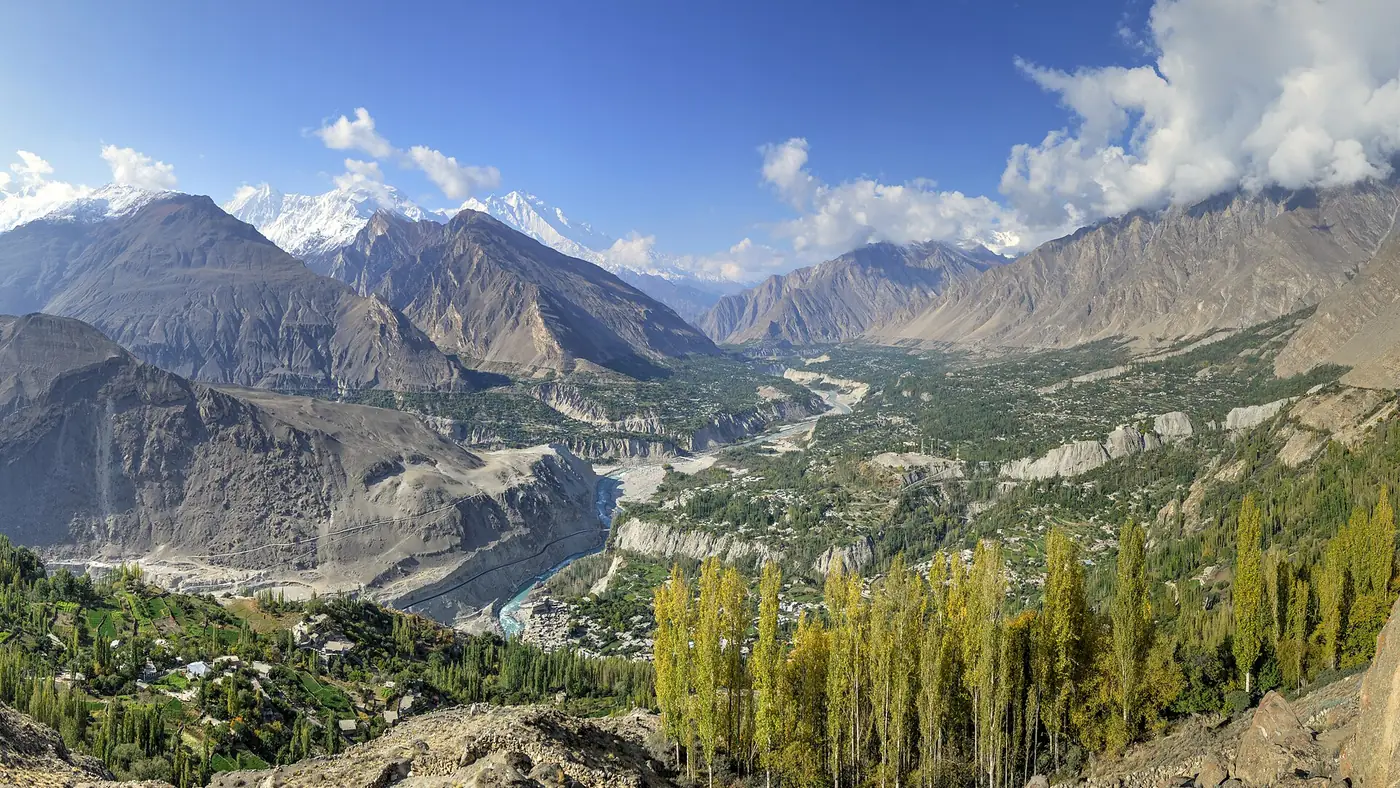
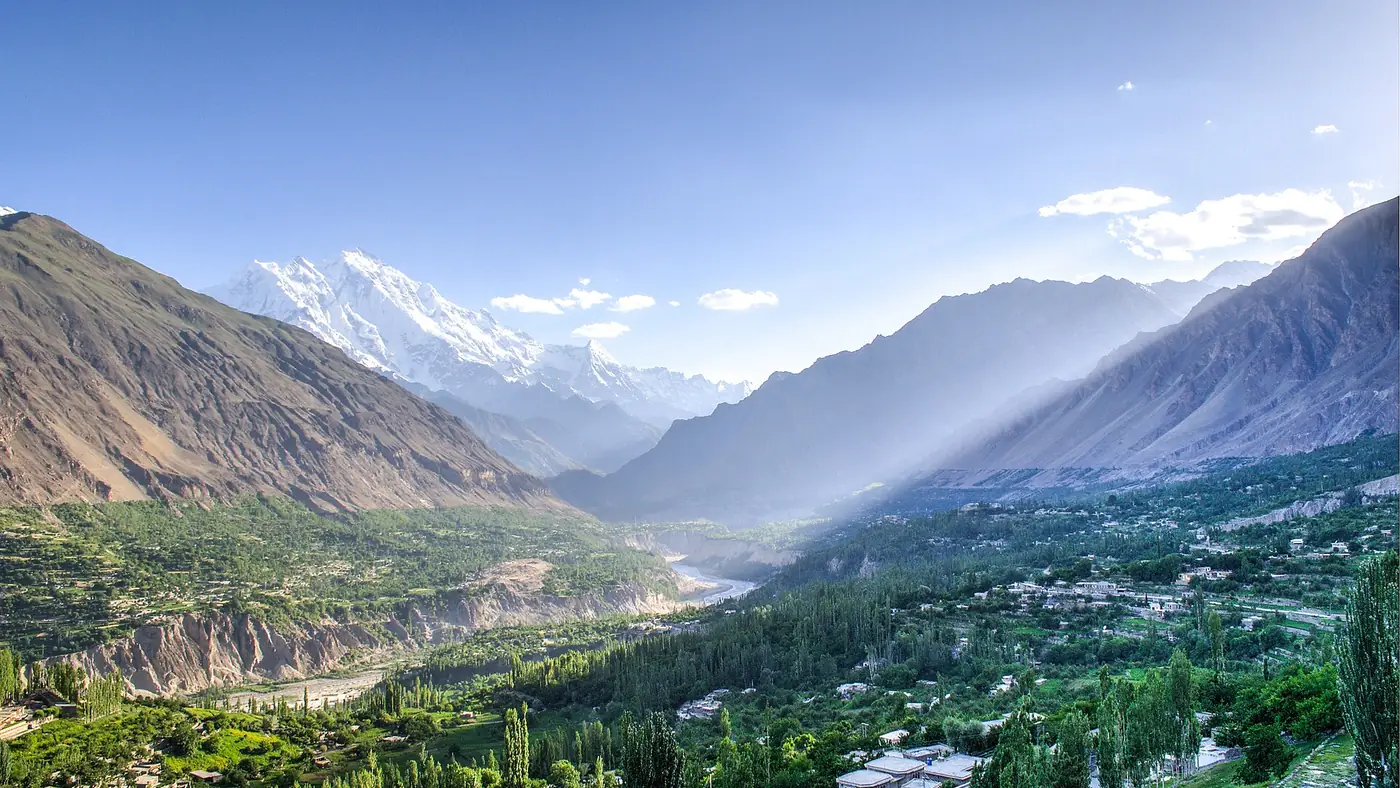
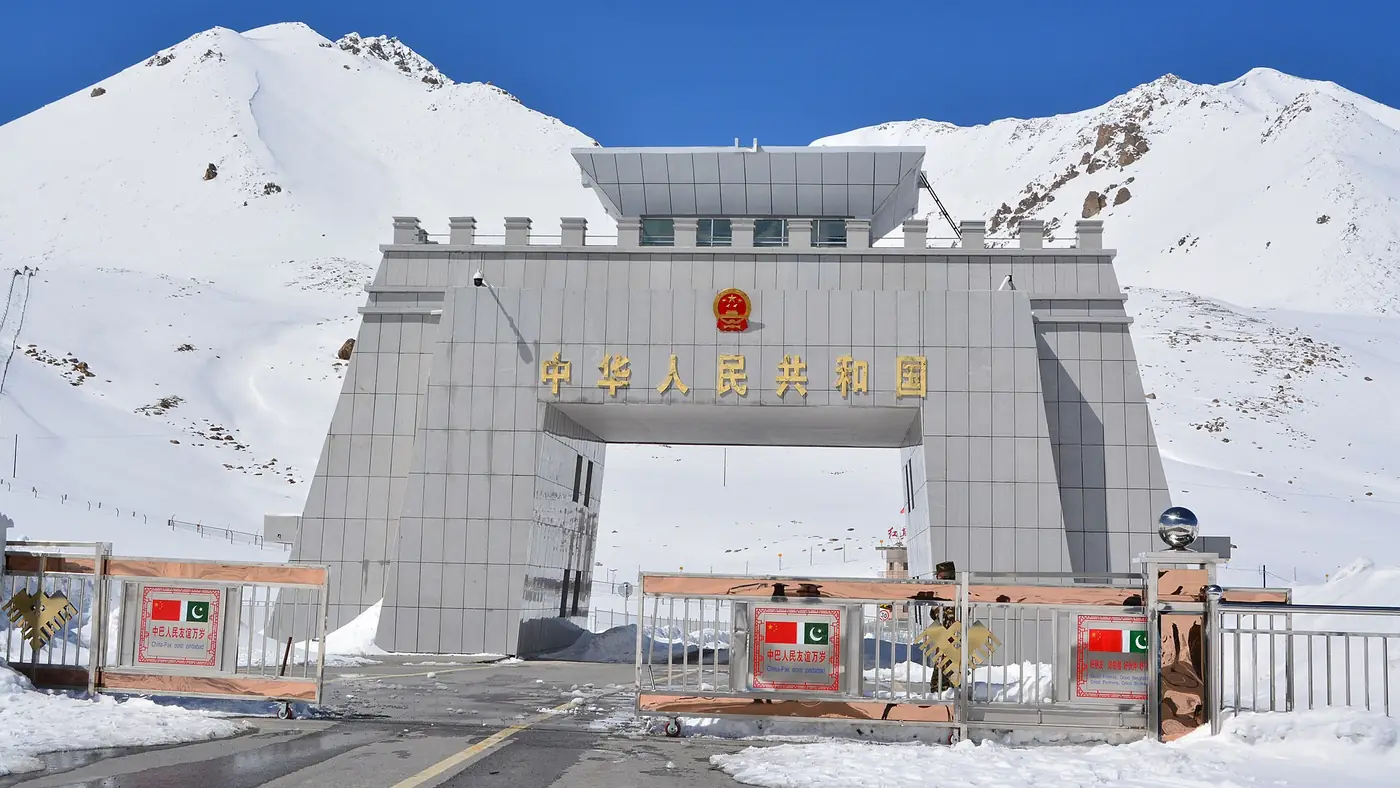
Khunjerab National Park covers roughly 2,269 square kilometres of high Karakoram terrain, with elevation across the park ranging from about 4,000 to 5,200 metres. It is one of the largest national parks in Pakistan and sits entirely within the Karakoram Highway corridor between the Dih checkpoint and the border. Our post on Khunjerab Pass covers the drive itself and what the checkpoint involves.
What you're likely to see
Long-tailed marmots are the animal you will almost certainly see. They're common along the roadside through the park, sitting upright on rocks and burrows, particularly active in the morning and again in the late afternoon. They're most visible from late spring through summer, when they're out feeding and building fat before winter hibernation.
Himalayan (Siberian) ibex are present in good numbers, with over 1,000 estimated across the park, and are your best realistic chance of seeing a genuinely wild large mammal from the road. Look on the open slopes above the highway rather than in the valley floor, and early morning or early evening light gives the best chance, since that's when they tend to be out feeding.
What's there but harder to see
Blue sheep (bharal) live in the park in meaningful numbers, with a 2025 survey counting close to 1,700 in the Shimshal area alone, though Shimshal itself is a side valley rather than something you pass on the main Khunjerab road.
Snow leopards are present, and the park is considered to hold one of the higher-density snow leopard populations in the wider Himalayan-Karakoram region. That density is measured by camera traps and survey work, not by how often people driving through actually see one. Treat a snow leopard sighting from the road as extremely unlikely rather than something to plan around.
Himalayan brown bear, Indian wolf and small numbers of kiang (Tibetan wild ass) are also recorded in the park, all uncommon sightings for a day visitor.
Marco Polo sheep, the species the park was created to protect, are now genuinely rare within it. Numbers have fallen sharply from historic counts, and recent surveys have found only a small population, largely animals moving across from the Chinese side of the border rather than a stable resident herd on the Pakistani side. Hunting pressure and disturbance along the highway corridor are generally cited as the reasons for the decline. If you see one, it is a notable sighting, not an expected one.
Birds
The park records around 45 bird species, including golden eagle, bearded vulture and Himalayan vulture among the raptors, along with the Himalayan snowcock and chukar partridge, both ground-dwelling game birds you may hear before you see. Songbirds and finches are present in the lower, vegetated parts of the park nearer Dih.
Best time to see wildlife
Summer, June to September, is the most reliable stretch for wildlife generally, since it's also when the road is most reliably open and when marmots are active rather than hibernating. Early morning and the couple of hours before dusk give better odds for ibex and any larger mammal than the middle of the day, when the sun is highest and most animals rest.
Watching wildlife responsibly
- Keep your distance and don't approach animals for a closer photo; a long lens does the job better than proximity.
- Don't feed marmots or anything else, even though they're used to vehicles stopping nearby.
- Stay near the road. Walking off it disturbs habitat and, at this altitude, tires you out faster than it looks like it should.
- Take rubbish back down with you, including anything organic, since food waste changes animal behaviour around the road.
If wildlife is the main reason for your trip, our Gilgit, Hunza and Khunjerab tour builds a slower pace into the drive north, which gives more chances to stop and look than a single rushed day trip.
Frequently asked questions
What animals live in Khunjerab National Park?
Long-tailed marmots and Himalayan ibex are the ones you're most likely to see. Blue sheep, snow leopard, Himalayan brown bear, Indian wolf and a small, declining population of Marco Polo sheep are also present but rarely seen by day visitors.
Will I see a snow leopard at Khunjerab?
Almost certainly not from the road. The park has a notably high snow leopard density for the region, but the animals are elusive and sightings by casual visitors are extremely rare.
When is the best time to see wildlife in Khunjerab National Park?
June to September, when the road is reliably open and marmots are active. Early morning and early evening give the best chance of seeing ibex on the slopes above the road.
Are Marco Polo sheep still found in Khunjerab National Park?
Yes, but in small numbers, and the park's population has declined significantly from historic levels, with most animals now considered to move in from across the Chinese border rather than resident year-round.
Can I go looking for wildlife off the main road in the park?
Stay on or near the road. Much of the park is remote, high-altitude terrain, and walking off route disturbs wildlife and is tiring and potentially unsafe at this altitude without proper planning.