The Khunjerab National Park entry fee is charged per person, in cash, at the Dih checkpoint on the Karakoram Highway, about 35 km beyond Sost and 42 km below the pass. Pakistani visitors pay a rupee rate on their CNIC, and foreign nationals pay a separate rate set in US dollars that is several times higher. The fee has been raised more than once and recent reports disagree on the amount, so we don't print a figure here: carry more cash than you expect to need, and pay what is posted at the counter.
This guide covers where and how you pay, what applies to cars and motorbikes, the rules that come with the ticket, and how to plan the money for the day.
| At a glance | |
|---|---|
| Where you pay | The park office at the Dih checkpoint, about 35 km past Sost |
| How | Cash, per person, for the day's visit |
| Rates | One for Pakistani citizens, a much higher one for foreign nationals |
| Documents | CNIC for Pakistanis; passport with visa for foreign nationals |
| Vehicles | Registered at the checkpoint |
| Season | Roughly May to November, snow permitting |
| Cash | Withdraw it in Aliabad before heading north |
| On our tour | Park fees and permits included |
How much is the Khunjerab National Park entry fee?
There are two main rates: one for Pakistani citizens and one for foreign nationals. The Pakistani rate is far lower. The foreigners' rate is set in dollars, and the gap between the two is a common complaint among overseas travellers, who point out that a day visitor sees the park from a car window.
The exact numbers are the problem. The park is run by the Gilgit-Baltistan Forest, Wildlife and Environment Department, and its Khunjerab National Park page does not publish the fees. The figures in travel blogs, forums and reviews from 2024 to 2026 don't agree with each other, for Pakistanis or for foreigners. Some are simply old: the fee for foreign visitors went from 4 to 8 dollars in 2011 and has been raised since. A wrong number could leave you short at a checkpoint far from any bank, so here is what to do instead:
- Ask the evening before. Your hotel or driver in Karimabad, Gulmit or Passu will know the current rate.
- Carry cash for everyone in the car, plus a margin. Foreign visitors should budget for the dollar rate in cash.
- Get a ticket for each person and keep them until you are back down through Dih.
- Ask at the counter about children. Don't assume they go free.
Where do you pay: Sost or Dih?
Some guides say the fee is paid at Sost. Sost is the last town before the border and has the customs and immigration post for people crossing into China, but the national park gate is at Dih, roughly half an hour further up the highway. Everyone going on towards the pass stops there.
At Dih, expect to:
- Show your CNIC, or your passport and visa if you are a foreign national.
- Register the vehicle.
- Go into the office and buy a ticket for each person, in cash.
- Drive the last 42 km of switchbacks to the border.
Sort the cash out in Aliabad, where the banks and ATMs are, before you leave central Hunza. Machines further up the valley are few and not something to rely on. Our guide to the drive from Hunza to Khunjerab Pass gives the timings for each leg, including the stop at Dih.
Is there a fee for cars and motorbikes?
Recent visitor accounts describe the ticket at Dih as a charge per person, with the car registered rather than charged separately. If that changes, it will be on the board at the counter.
A separate charge applies to the region as a whole. In January 2025 the Gilgit-Baltistan government announced an entry fee for tourist vehicles coming into Gilgit-Baltistan: Rs 2,000 for a car and Rs 500 for a motorcycle, with the money to go on roads, waste management and conservation. It is not a park fee, and the announcement did not make clear where it would be collected. If you are asked for it on the way into the region, pay it and keep the receipt.
The rules inside the park
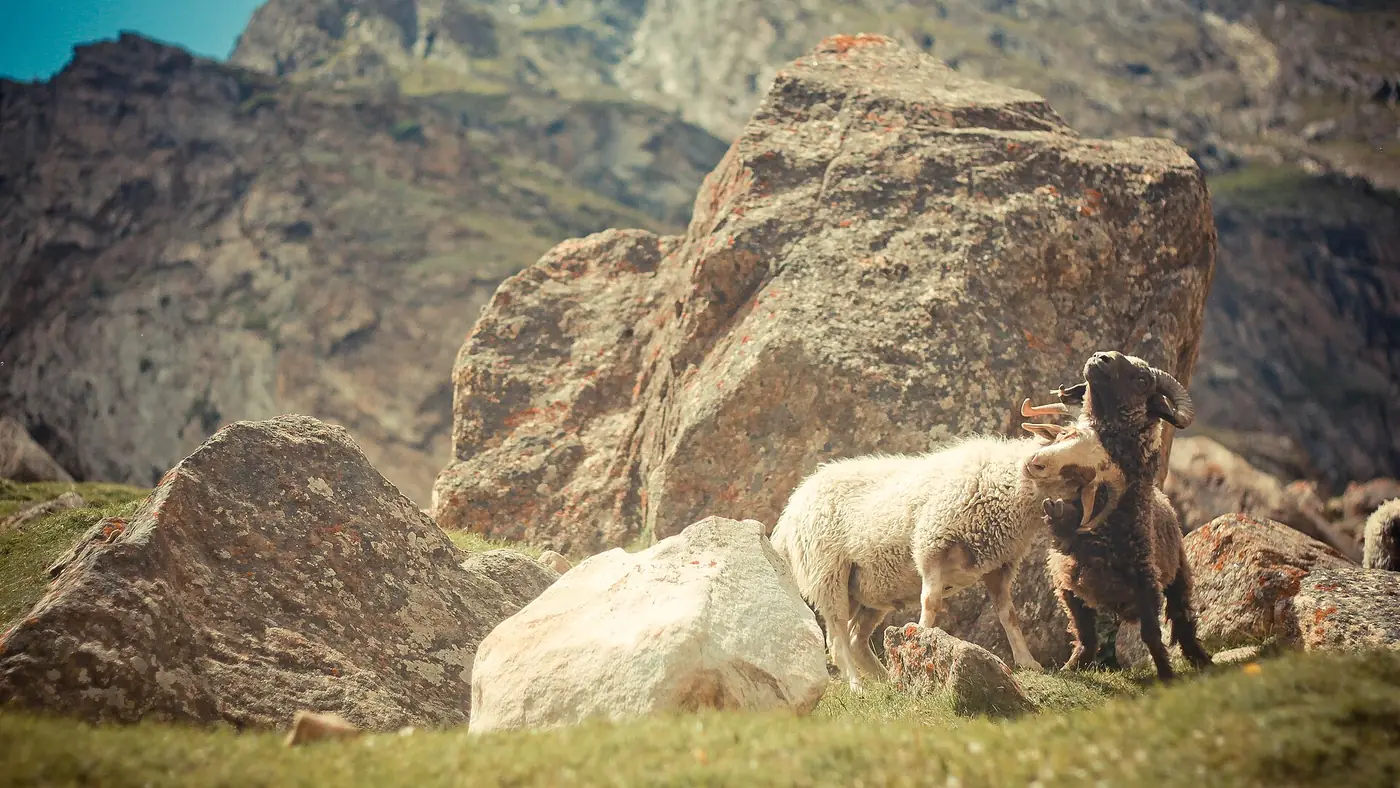
Khunjerab was declared a national park in 1975, largely to protect the Marco Polo sheep, and it is covered by the Northern Areas Wildlife Preservation Act 1975. Section 6 of the Act says nobody may enter a national park without a ticket from the entry gate. Section 7 lists what is forbidden inside. For a day visitor, these are the ones that matter:
- No firearms or hunting weapons. This includes licensed weapons, so leave them behind before the park.
- No hunting, killing or capturing any animal.
- No domestic animals. The Act bars bringing them into the park or letting them stray, so a pet dog should stay at home.
- No fires, except at designated places.
- No picking flowers or taking plants, stones or other natural objects. A rock from the top of the pass is a souvenir the law doesn't allow.
- No writing on, carving or defacing rocks, signs or buildings.
- No litter, except in the bins provided. In practice, bring your rubbish back down with you.
- Do what park staff lawfully ask.
Breaking these rules is an offence under the Act, punishable by a fine, imprisonment or both.
Two more things are not in the Act but are simply good sense. Don't feed the marmots that sit up beside the road, however tame they look, and don't chase them for photographs. And don't stop on the switchbacks to walk up the slopes after ibex; watch from the car or a safe pull-off.
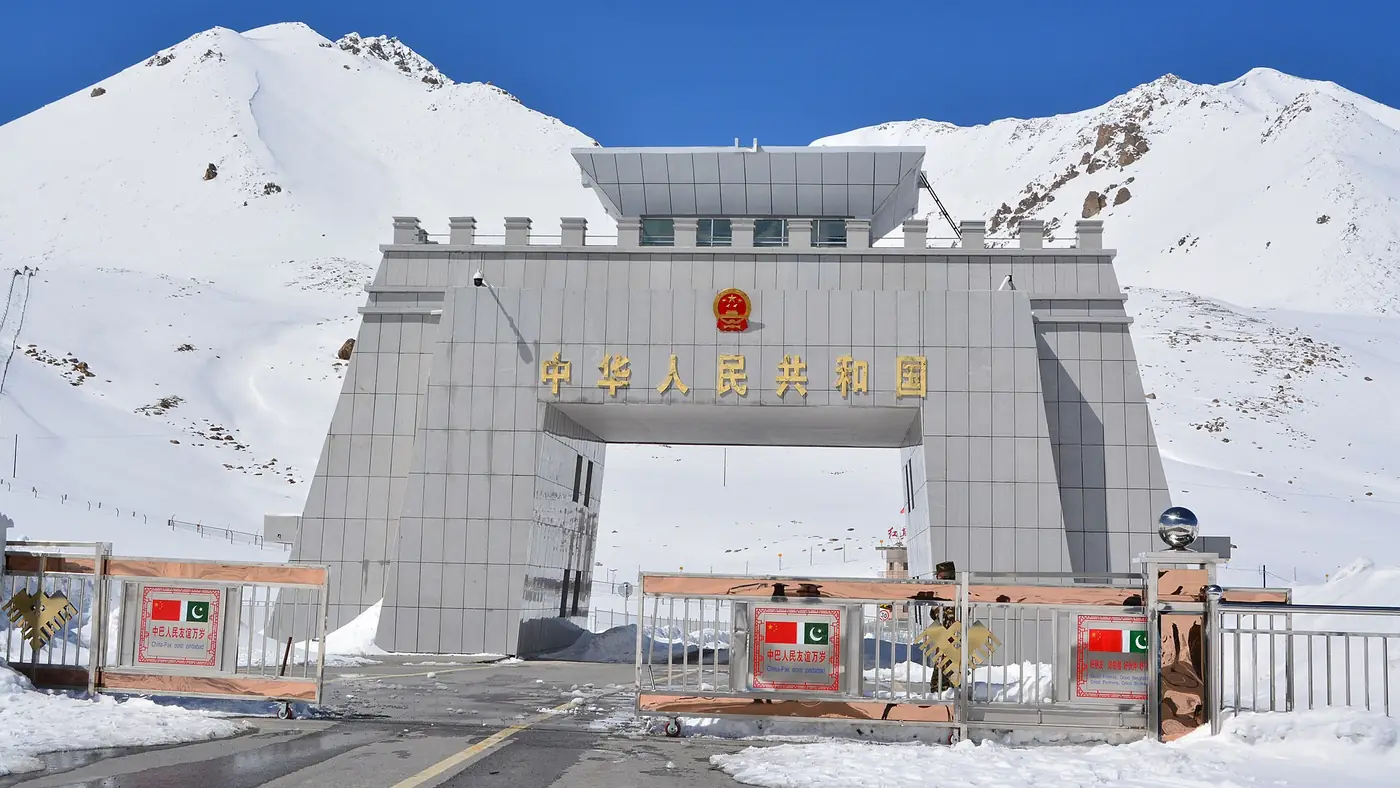
At the top, the rules come from the border rather than the park. Stay on the Pakistani side of the gate, follow what the soldiers on duty tell you, don't photograph military posts, and leave the drone in its bag. Our Khunjerab Pass guide covers what happens at the border and how to deal with the altitude.
What time do you need to pass Dih?
The park is open to visitors from about May into November, when the road is clear of snow, and closures of a day or two are possible in May, October and November.
Some guides give 4 pm as the latest time to pass the Dih checkpoint on the way up. Whether or not it is enforced on the day you go, don't plan anywhere near it. From Karimabad it takes around two and a half hours to reach Dih, then about an hour to the top, and you want to come back down the switchbacks and through the Attabad tunnels in daylight. Leave Karimabad by 7 or 8 in the morning and you will be through Dih before 11.
How much cash to carry for the Khunjerab day
For a day trip from central Hunza, the cash goes on a few things:
- The park fee for everyone in the car, with a margin.
- Fuel in Sost, the last fuel station before the border. Top up there even if the gauge looks fine.
- Tea and snacks in Sost and at the stalls near the top in summer.
- Lunch on the way back, in Sost or Passu.
Cards are not accepted at Dih, and most tea stalls and small restaurants in Gojal work in cash too. For a full costing of a Hunza trip, including fuel for the Khunjerab day, see our guide to Hunza trip cost.
Is the fee worth paying?
For Pakistani visitors the question hardly arises. The fee is part of the price of driving to the Chinese border, and it is charged by a park set up to protect some of the rarest animals in the country.
For foreign visitors it is a fair question. The dollar rate buys a day on a paved road with almost no facilities, and there is no way to see the pass without paying it. If the fee or the altitude puts you off, you can spend the day in Gojal instead: Passu, the Hussaini bridge and Borith Lake need no park ticket. If you do go up, go on a clear day, early, so that you get the views you have paid for.
If you would rather not deal with the fee, the paperwork or the driving at all, our nine-day Gilgit, Hunza and Khunjerab tour includes the Khunjerab National Park fees and permits, with an experienced mountain driver and a night in Gulmit or Passu before the pass. It is priced from PKR 90,000 per person, twin share.
Frequently asked questions
How much is the Khunjerab entry fee for Pakistanis?
Pakistani citizens pay a rupee rate, per person, in cash at the Dih checkpoint. The amount has changed several times and recent reports disagree, so ask your hotel the evening before and carry more than you expect to need.
How much do foreigners pay to enter Khunjerab National Park?
Foreign nationals pay a separate rate set in US dollars, several times the Pakistani rate. Recent reports give different amounts, so carry enough cash and pay what is posted at Dih.
Where is the Khunjerab National Park fee paid?
At the park office at the Dih checkpoint, about 35 km beyond Sost and 42 km below the pass. You show your CNIC or passport, register the vehicle and buy a ticket for each person.
Can I pay the Khunjerab fee by card?
No. Pay in cash, and withdraw it in Aliabad before you head north, because cash machines in Gojal are few.
Is there a vehicle fee at Khunjerab?
At Dih the fee is charged per person, and the car is registered. Gilgit-Baltistan announced a separate region-wide entry fee for tourist vehicles in January 2025, which is not the park fee.
Is the park fee included in tours?
On our Gilgit, Hunza and Khunjerab tour, yes. With other operators or a hired car and driver, ask whether the fee is included before you book.