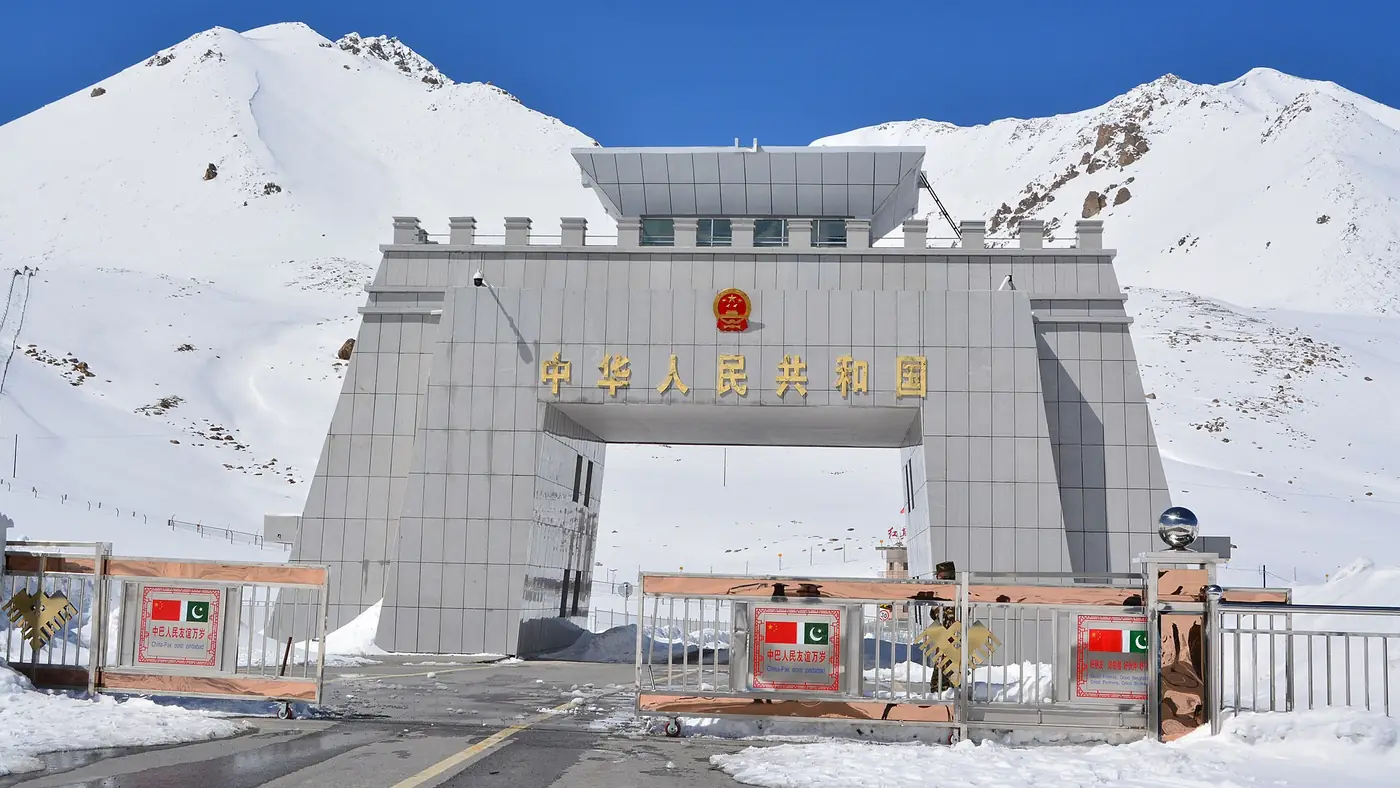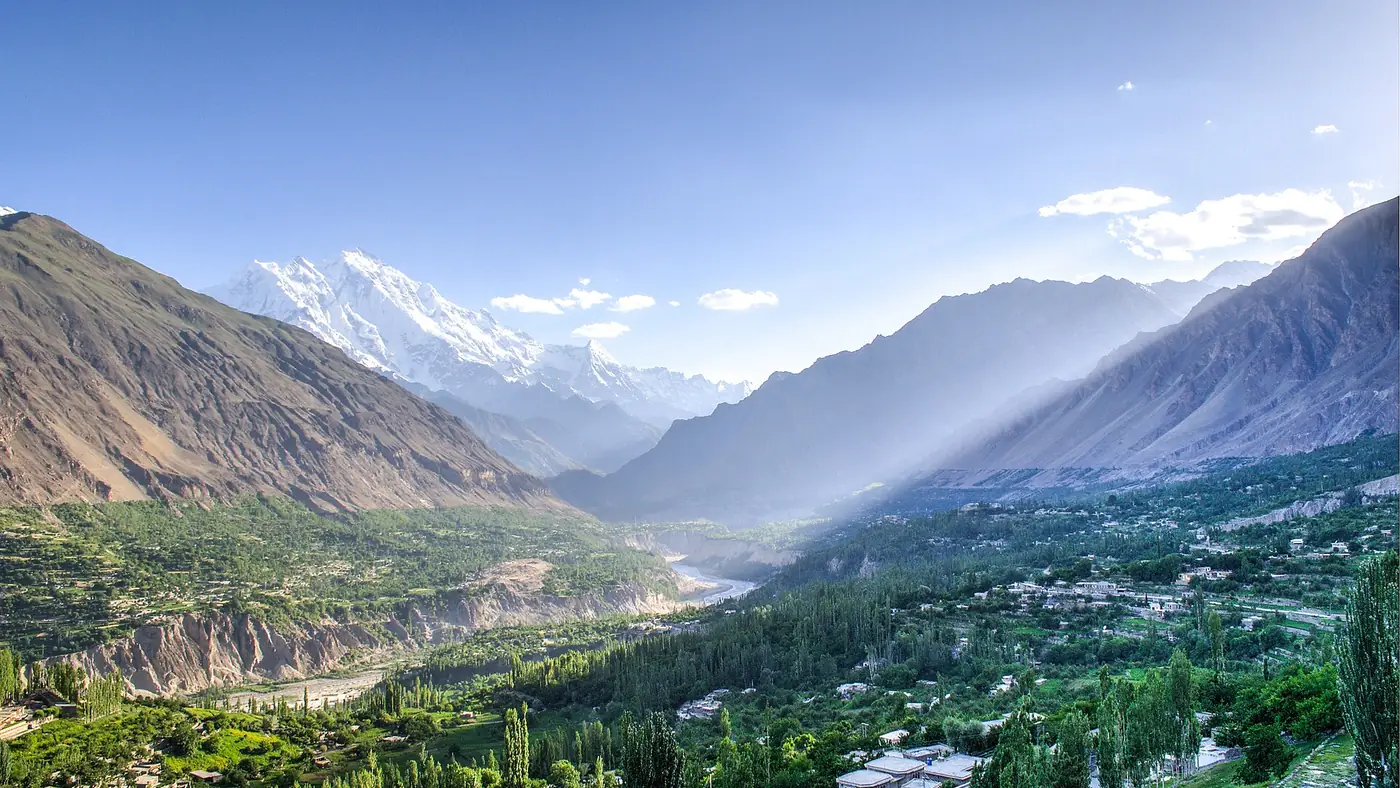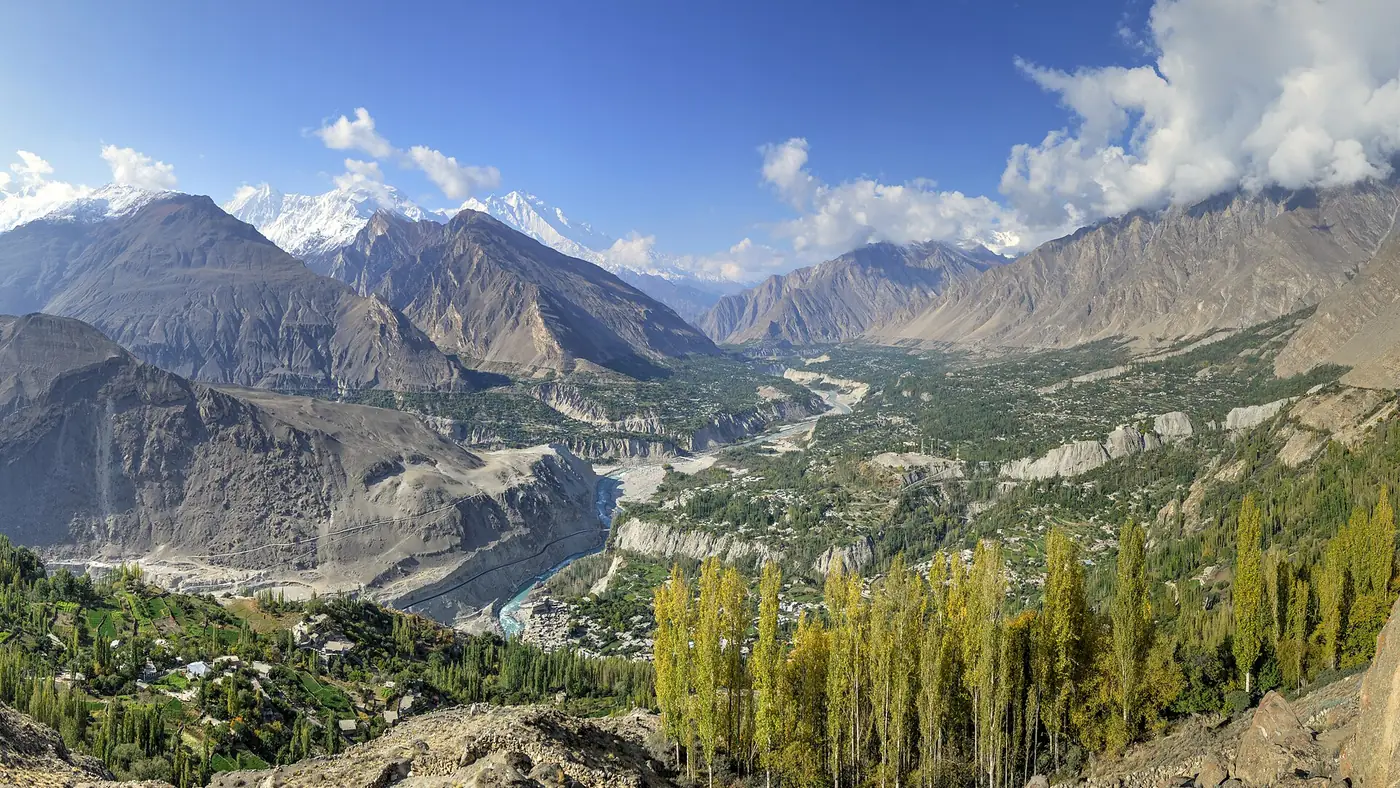
Karachi to Hunza by road covers about 2,000 km and around 33 to 35 hours of actual driving, the longest domestic road trip most Pakistani travellers will ever attempt. The route runs north through Sindh and Punjab on the motorway network, then joins the same Karakoram Highway route used from Islamabad. Spread over four days with three overnight stops, it is a demanding but manageable trip in a well-prepared car; attempting it faster is not something we would plan a family around.
This guide covers the route from Karachi to the Karakoram Highway stage by stage, where to break the journey, and what to budget for fuel.
| At a glance | |
|---|---|
| Distance | About 2,000 km to Karimabad |
| Driving time | Roughly 33 to 35 hours, not counting stops |
| Sensible plan | Four days, three overnight stops |
| Route | M-9, N-5, M-5, then the M-4/M-3/M-2 network to Islamabad, then the Karakoram Highway |
| Fuel | Roughly 200 litres each way in an average family car |
| Hardest stretch | Besham to Chilas, the same as from any other city |
The route, stage by stage
- Karachi to Hyderabad on the M-9 motorway. A short, fast 136 km stretch, usually under two hours.
- Hyderabad to Sukkur. The Hyderabad–Sukkur motorway (M-6) is still under construction as of 2026, so this stretch runs on the N-5 national highway through Sindh, a dual carriageway for much of the way but slower than a full motorway. Allow five to six hours.
- Sukkur to Multan on the M-5 motorway. A 392 km stretch of proper motorway, usually four to five hours.
- Multan toward Islamabad. From Multan, the motorway network continues north via Faisalabad and Pindi Bhattian, joining the M-2 to reach Islamabad without needing to pass through Lahore. This stage is the longest single leg of the trip, at roughly six to seven hours.
- Islamabad to Hunza. From here the journey is identical to any Islamabad-based trip: the Hazara Motorway to Thakot, then the Karakoram Highway through Besham, Dasu, Chilas and Gilgit to Karimabad. Our Islamabad to Hunza guide covers this stretch, including where the road is slowest and the summer alternative over the Babusar Pass, in detail.
A four-day plan
- Day 1: Karachi to Sukkur or on to Multan, depending on your start time and how much driving your group can manage in one day. Sukkur is the more comfortable stop for most families.
- Day 2: On to Islamabad or Rawalpindi, via Multan and the northern motorway network. This is a long day; leave early.
- Day 3: Islamabad to Chilas, on the Karakoram Highway via Besham and Dasu, the slowest and most demanding stretch of the whole trip.
- Day 4: Chilas to Karimabad, via Gilgit, arriving with time to rest before exploring Hunza itself.
Experienced drivers used to long hauls sometimes compress this into three days by combining the first two legs, but that means a single day of nine or more hours through Sindh and Punjab before an early start the next morning. With children or older parents in the car, four days with earlier, shorter driving stretches each day is the plan we would suggest.
Safety on the route
Pakistani families drive this route every summer, but two stretches of it appear in foreign travel advice. As of September 2026, the UK government advises against all but essential travel to Sindh north of Nawabshah, which covers the N-5 section around Sukkur. It also advises against all travel on the Karakoram Highway between Mansehra and Chilas, through Besham and Dasu. In summer the Babusar Pass road, which that advice does not list, bypasses that part of the highway. If you are travelling on a foreign passport, check your own government's advice before you set out, because going against it can void your travel insurance. Everyone should check local news and road conditions before each leg, and our guide to whether Gilgit-Baltistan is safe covers the north in more detail.
Fuel and other costs
At roughly 2,000 km each way, a family car doing around 10 km per litre needs approximately 200 litres of fuel for the one-way trip, more for a larger SUV or a loaded car with air conditioning running constantly through Sindh's summer heat. Both the motorway and national highway sections along the route charge tolls at intervals; these are revised periodically, so budget a reasonable sum for tolls across the whole route and check current rates before you go rather than relying on last year's figures.
Is driving the whole way worth it?
For most travellers from Karachi, no: flying to Islamabad or directly to Gilgit or Skardu and picking up a hired car there saves two full days of driving through flat, hot terrain that adds nothing to the mountain part of the trip. Driving the whole way makes sense mainly if you want your own car in the north for a longer stay, are travelling as a group that makes fuel and tolls cheaper per person than flights, or simply want the road trip itself. If you do drive, treat the Sindh and Punjab motorway stretch as a means to an end and save your energy, and your enthusiasm, for the Karakoram Highway itself. Our Gilgit, Hunza and Khunjerab tour is worth considering if you would rather fly north and let someone else handle the mountain driving.
Frequently asked questions
How long does it take to drive from Karachi to Hunza?
About 33 to 35 hours of actual driving, spread comfortably over four days with three overnight stops.
What is the best route from Karachi to Hunza?
The M-9 to Hyderabad, the N-5 national highway to Sukkur, the M-5 motorway to Multan, then the motorway network north via Faisalabad and Pindi Bhattian to Islamabad, before joining the Karakoram Highway.
Is it faster to fly to Islamabad and drive from there?
Yes, considerably. Flying from Karachi to Islamabad and driving from there cuts around two days of flat, hot driving through Sindh and Punjab from the trip.
Where should I stop overnight between Karachi and Hunza?
Sukkur or Multan on the first night, Islamabad or Rawalpindi on the second, and Chilas on the third, before reaching Karimabad on the fourth day.
Is the Hyderabad to Sukkur stretch a full motorway?
Not yet. The Hyderabad–Sukkur motorway (M-6) is still under construction, so this section currently runs on the N-5 national highway rather than a full motorway.