The Kalasha Dur museum stands at Brun, in Bumburet valley, and is the single best place to understand Kalash culture before you spend time in the villages. It holds around 1,300 objects covering Kalasha and wider Hindu Kush life, from clothes and jewellery to tools and musical instruments, in a building that mixes traditional Kalasha stone-and-timber construction with a modern museum layout.
This guide covers who built it, what is inside, and when to go.
| At a glance | |
|---|---|
| Where | Brun village, Bumburet valley |
| Opened | 2005 |
| Built by | Greek Volunteers NGO, led by Athanasios Lerounis, with Greek government support |
| Run by | KP Directorate of Archaeology and Museums |
| Collection | About 1,300 objects: clothes, jewellery, tools, weapons, musical instruments |
| Also on site | A Jestak shrine near the entrance; a school of Kalasha culture upstairs |
| Best time to go | Morning, on your first day in the valley |
Who built it, and why
The Kalasha Dur museum and cultural centre opened in 2005, the result of a project begun a few years earlier by a Greek volunteer group under the teacher Athanasios Lerounis, with support from the Greek government's aid programme. It was built to give the Kalasha a place of their own to keep and show their culture, rather than have their history collected and displayed elsewhere.
It is now owned and run by the Khyber Pakhtunkhwa Directorate of Archaeology and Museums, which covers Chitral's other museums and heritage sites too. Our guide to Bumburet valley covers the museum's place in a wider first stop in the Kalash valleys.
What is inside
The museum's roughly 1,300 objects were bought from antique dealers in Peshawar and Chitral or donated by Kalasha families from all three valleys, and they cover daily and ceremonial life across the Hindu Kush, not only the Kalash valleys themselves:
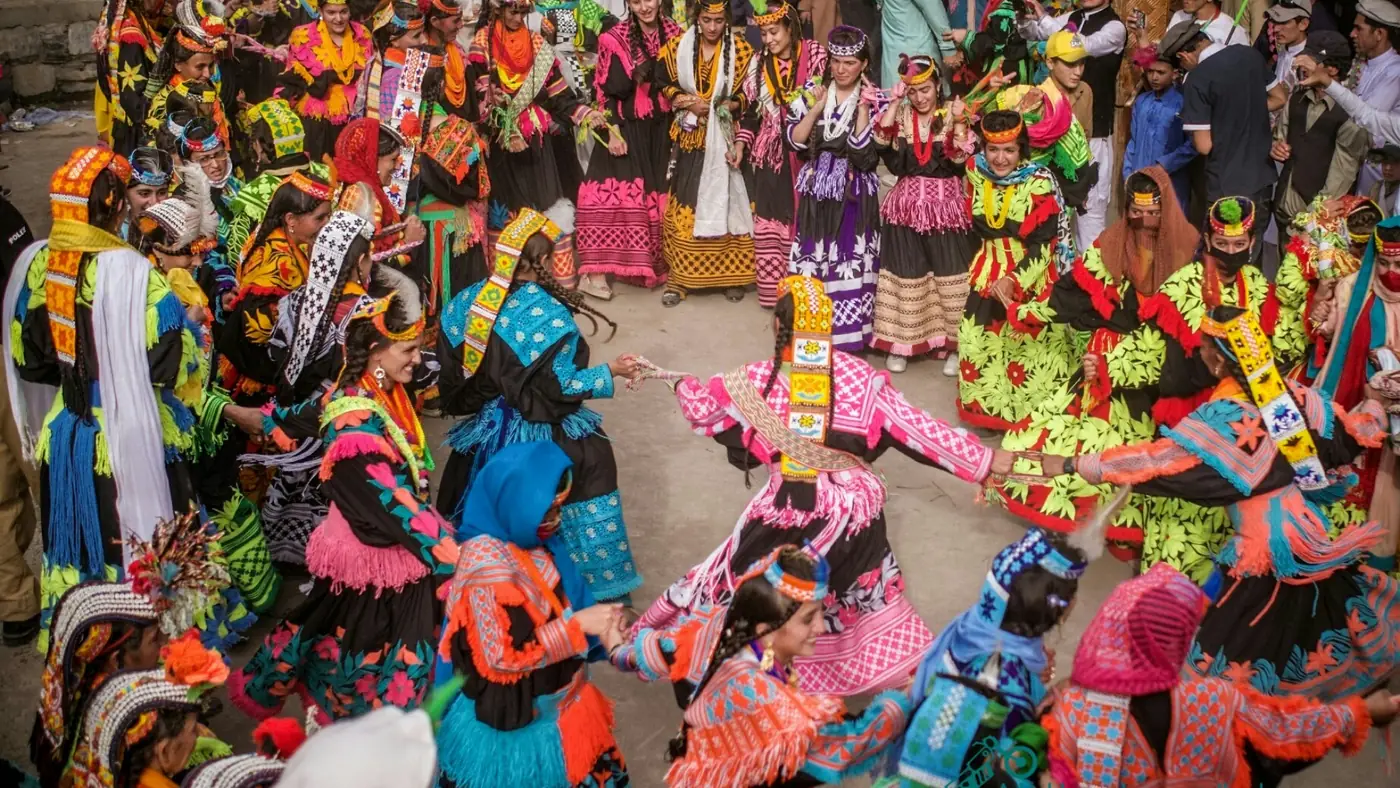
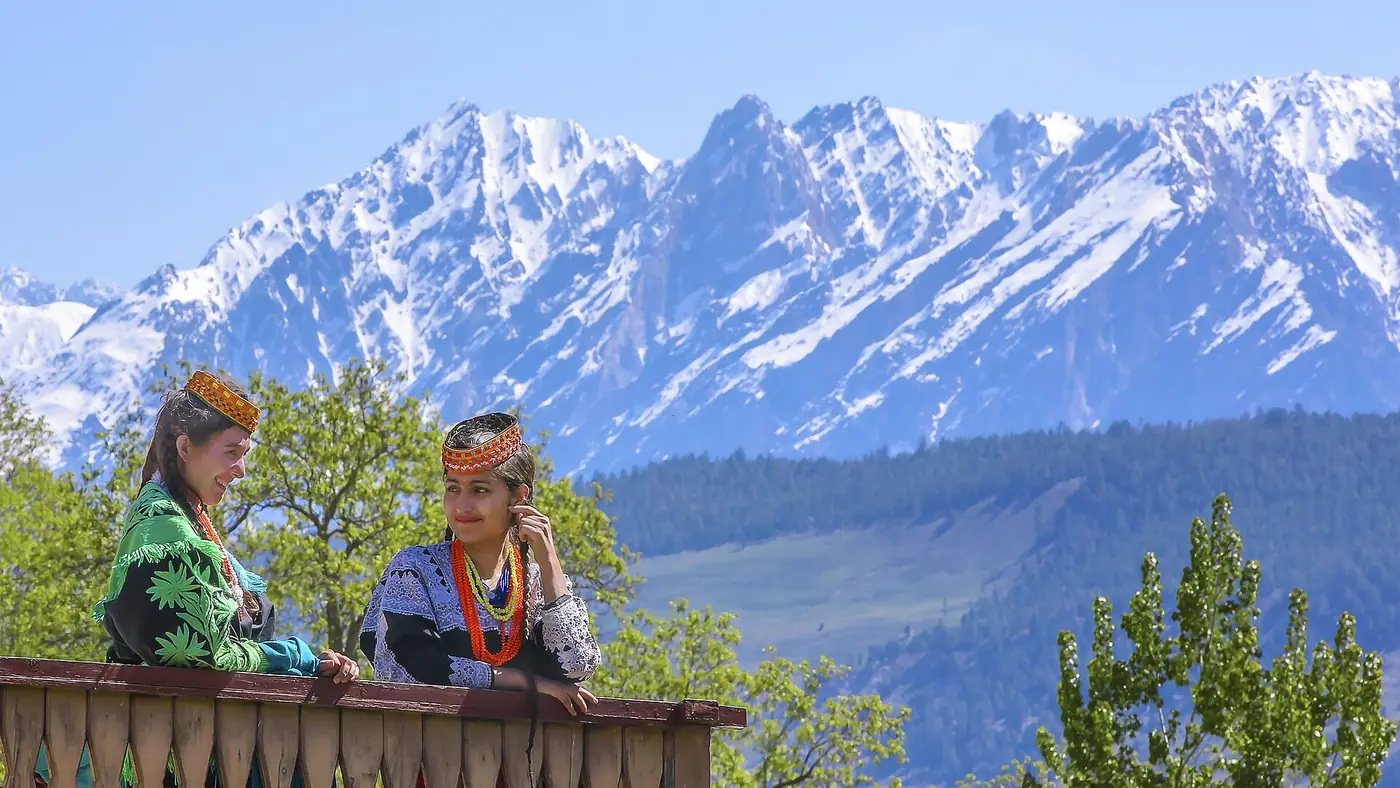
- Clothing and jewellery, including the headdresses and bead necklaces worn by Kalasha women at festivals
- Tools and household objects used in farming, cooking and weaving
- Weapons, from the region's history of raiding and defence
- Musical instruments, the kind used at Chilam Joshi, Uchal and Chaumos
Near the entrance stands a shrine to Jestak, the Kalasha goddess of home and family, built as part of the museum rather than moved from a village. The building itself sits on about four kanals of land and combines stone walls over a concrete frame with wooden beams and carved verandas, a deliberate mix of traditional Kalasha building methods and modern construction. The upper floor houses a school of Kalasha culture with a library and training space for craftspeople, part of the museum's wider aim of keeping skills alive rather than only displaying their results.
Visiting: hours and tickets
Published opening hours and ticket prices for the Kalasha Dur museum are not reliable; different sources give different hours, and neither the price nor the schedule is consistently confirmed. The safest approach is to ask at your guesthouse in Bumburet the evening before, and to go in the morning, when you have the best chance of finding it open and are not competing with afternoon tour groups.
Bring cash for the entry ticket, whatever it turns out to be on the day, and don't build a tight schedule around a single opening time.
How to fit it into a Kalash trip
The museum is a half-hour to an hour's visit, and it works best as the first thing you do in Bumburet, before you walk out into the villages. It gives context, on the objects and the shrine, that makes the rest of the valley easier to read: why houses are built the way they are, what the carved graveyard figures represent, and what the festival costumes and instruments you might see later actually are.
It is not, on its own, a reason to visit Bumburet rather than Rumbur or Birir. Rumbur and Birir have no museum of their own, so if you are staying in either, plan a stop in Bumburet on the way in or out to see it. Our Kalash valleys guide explains how the three valleys compare, and our Rumbur valley guide covers the case for basing yourself there instead.
Frequently asked questions
What is the Kalasha Dur museum?
A museum and cultural centre at Brun, in Bumburet valley, holding about 1,300 objects of Kalasha and wider Hindu Kush life: clothing, jewellery, tools, weapons and musical instruments.
When did the Kalasha Dur museum open?
In 2005, after a project led by a Greek volunteer group under Athanasios Lerounis, with support from the Greek government. It is now run by the KP Directorate of Archaeology and Museums.
What are the opening hours of the Kalasha Dur museum?
Not reliably published. Ask at your guesthouse in Bumburet the evening before your visit, and go in the morning for the best chance of finding it open.
Is there an entry fee for the Kalasha Dur museum?
Yes, a small ticket price is charged, but the current rate isn't consistently confirmed. Carry cash and pay what is posted on the day.
Is the Kalasha Dur museum worth visiting?
Yes, if you are spending time in the Kalash valleys. It is the best introduction to Kalasha culture before you walk through the villages, and it takes under an hour.
Is the museum in Rumbur or Birir too?
No. The Kalasha Dur museum is only in Bumburet. Visitors staying in Rumbur or Birir need to make a stop in Bumburet to see it.
Is it safe for overseas visitors to visit the Kalash valleys?
Pakistani visitors travel to the valleys every season, but as of September 2026 the UK government advises against all travel to the Kalash valleys and on the N45 road from Mardan to Chitral. If you hold a foreign passport, check your own government's advice before you go, because travelling against it can void your insurance. Everyone should check local news and current police advice before setting out.