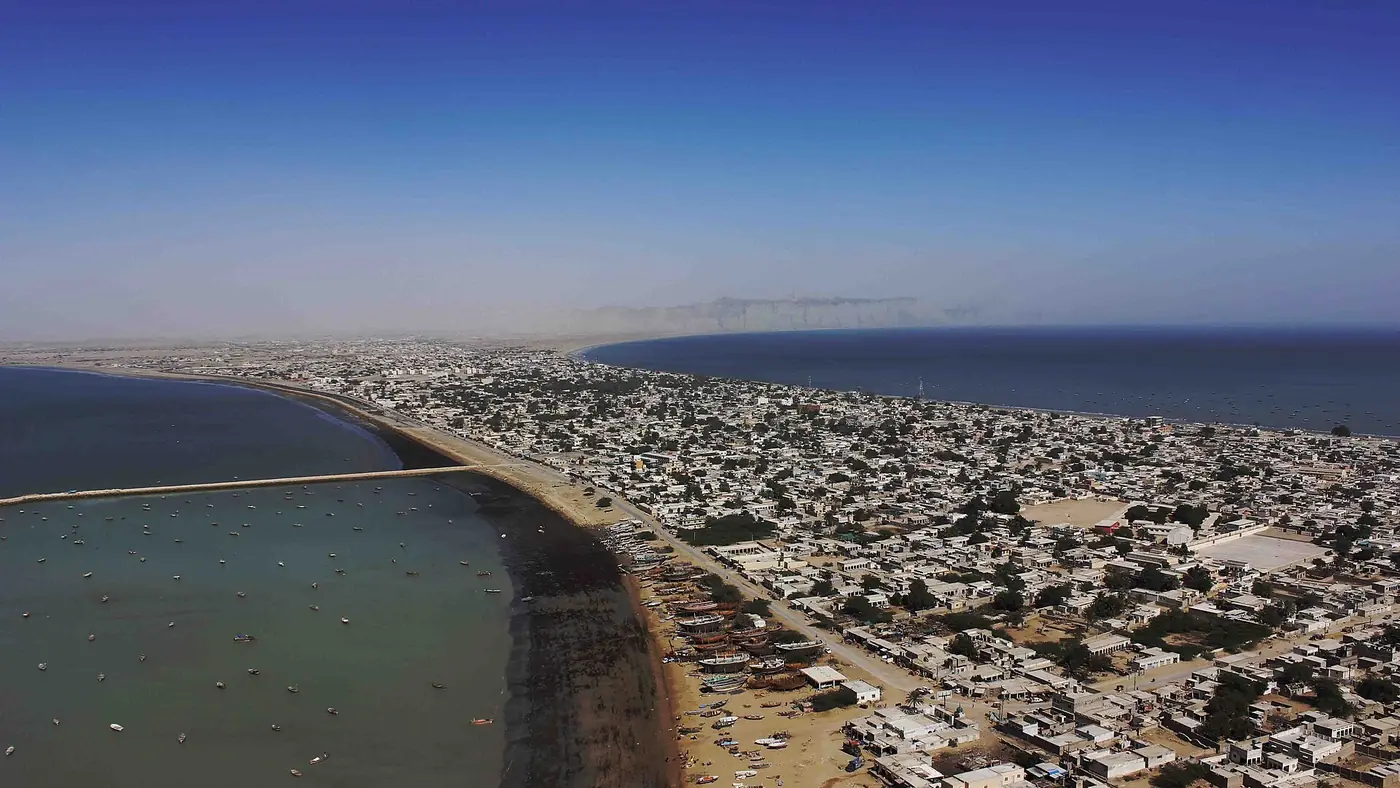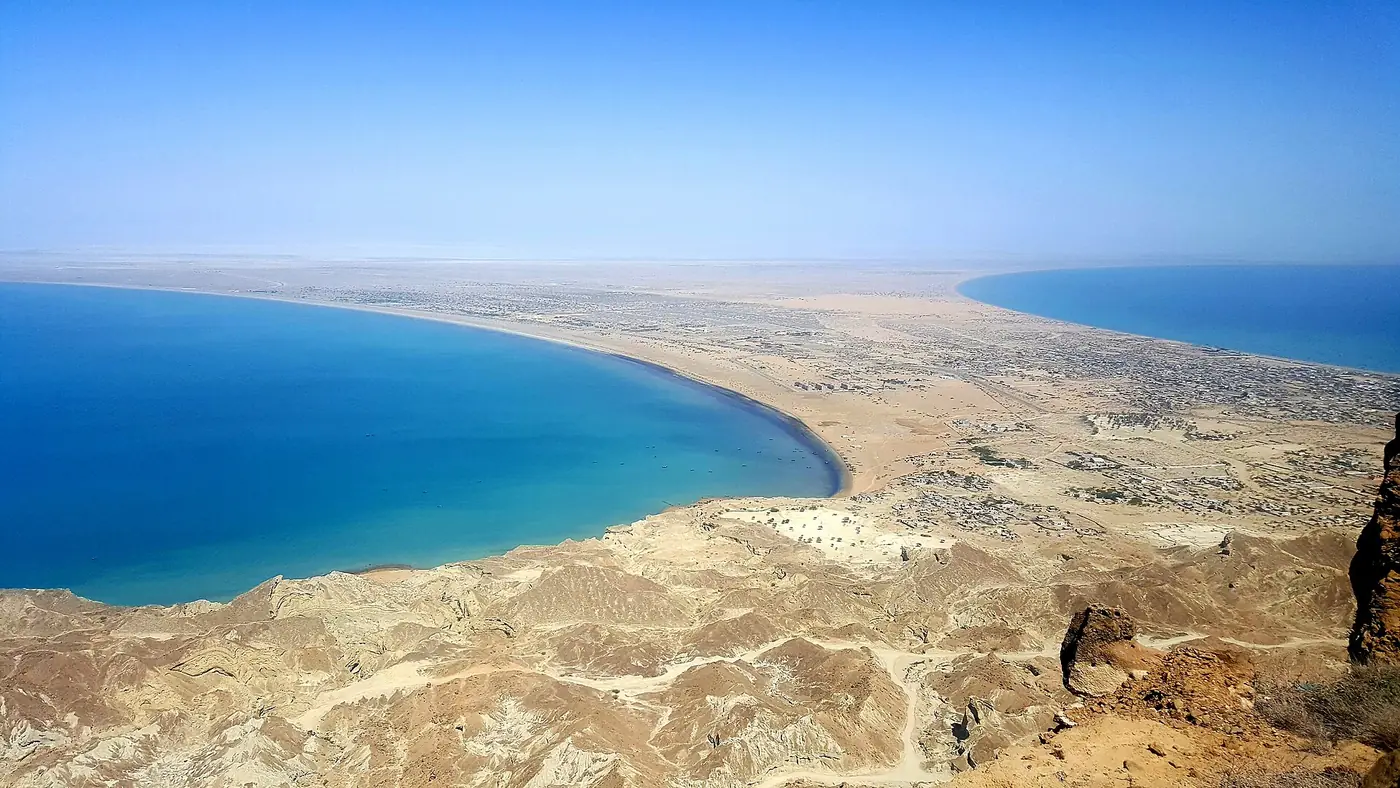
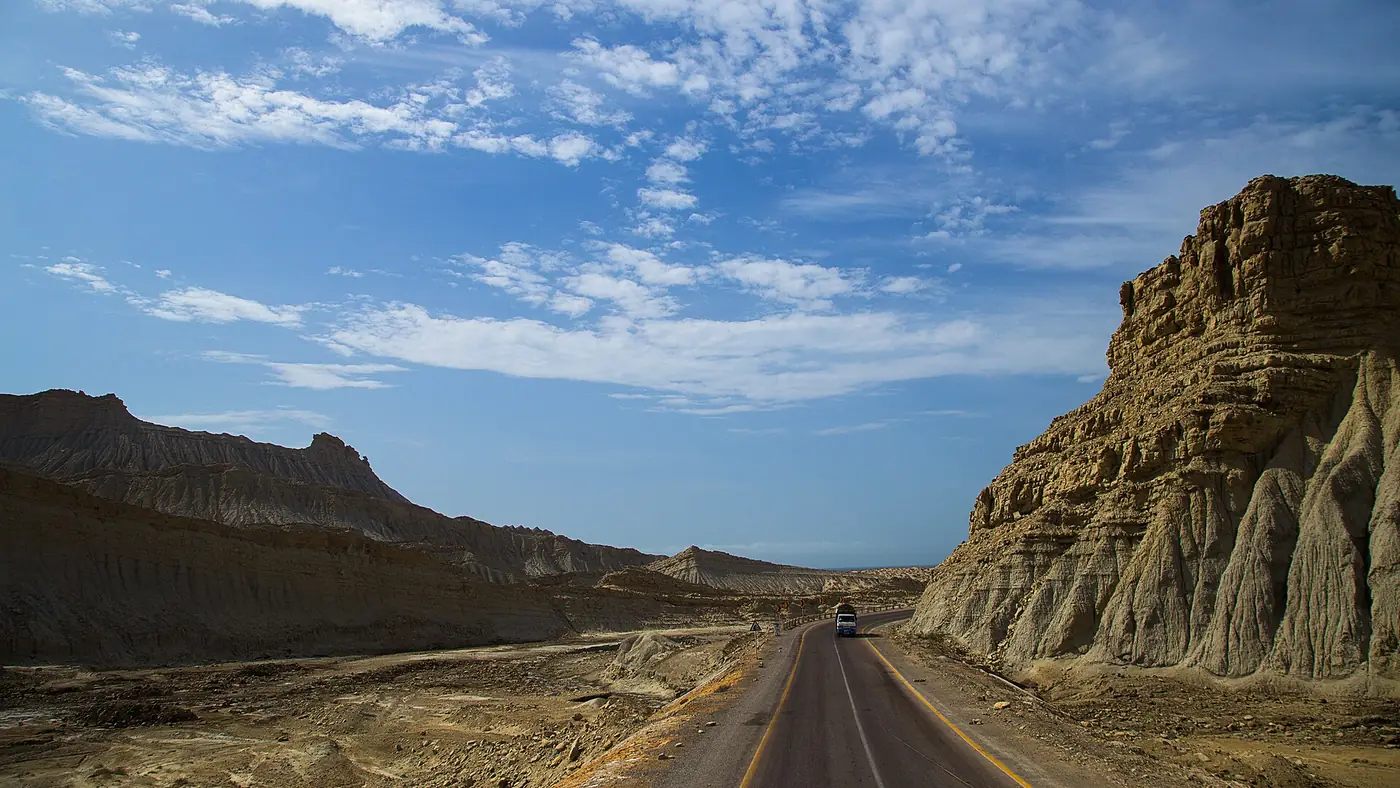
The Makran Coastal Highway (N-10) between Karachi and Gwadar is drivable and used every day by Pakistani families, but Balochistan's security situation has worsened through 2025 and 2026, and the road has seen direct attacks on travellers. Pakistani visitors can and do make the trip; the sensible way is by daylight only, in a roadworthy vehicle, with your papers in order and a plan for what happens if something goes wrong.
This post looks specifically at how safe the drive itself is: the rules now in force, what to expect at the checkposts, and how to plan for a breakdown on a road where help can be a long way off. For the sights along the way, see our Makran Coastal Highway guide; for the town at the end of it, see is Gwadar safe to visit.
| At a glance | |
|---|---|
| Road | N-10, Karachi to Gwadar, about 650 km |
| Night travel | Buses and coaches barred after dark since March 2025 |
| Public transport departure window | Karachi to Gwadar 5–10 am; Gwadar to Karachi 6 am–1 pm |
| Checkposts | Several along N-25 and N-10, run by different security forces |
| Documents to carry | Original CNIC for every adult, vehicle registration papers |
| Foreign nationals | Need a No Objection Certificate (NOC) from the Balochistan government |
| Foreign government advice | The UK advises against all travel to Balochistan |
Is it safe right now?
There is no single answer that holds for every week. Balochistan has had a difficult run: a wave of coordinated attacks across the province at the end of January 2026, further attacks on security forces and installations in July 2026, and recurring incidents on the highways themselves. None of this means the road is closed, and Pakistani travellers continue to drive it and take the coach to Gwadar. It does mean you should check the news the evening before you leave and again the morning you set off, not rely on what you read here or anywhere else weeks in advance.
The pattern worth understanding, because it shapes every rule below, is that the worst attacks on ordinary travellers on this road have happened at night, at improvised roadblocks, with gunmen checking identity cards and singling out passengers from outside Balochistan. That is exactly what the current daylight rule and the checkpost system are built to prevent.
The daylight rule
In March 2025, after gunmen stopped a bus on the highway near Kalmat, between Ormara and Pasni, and killed six passengers after checking their identity cards, the Gwadar administration barred public transport from the Makran Coastal Highway at night. Coaches were given fixed departure windows so they reach their destination before dark: Karachi to Gwadar between 5 and 10 am, and Gwadar to Karachi between 6 am and 1 pm. Operators were also told to keep GPS trackers and CCTV working on every vehicle.
The rule formally targets buses and coaches, but the reasoning applies to anyone on this road. Private cars are not stopped from driving after dark, but there is no good reason to. Signal is patchy for long stretches, checkposts thin out, and a breakdown or an incident at night leaves you with far fewer options. Plan every leg of the journey so you are parked for the night, not driving, once the sun goes down.
What happens at the checkposts
Security checkposts run the length of N-25 from Karachi and continue along N-10 all the way to Gwadar, operated by different forces including police, Levies and the Frontier Corps. Expect to be stopped at several of them.
- Carry every adult's original CNIC, not a photocopy, and keep it somewhere you can reach quickly.
- Keep the vehicle's registration book (or a copy) in the car, and a letter from the owner if you are driving someone else's car.
- Answer plainly. You will typically be asked where you have come from and where you are going. Give a straight answer and follow instructions.
- Don't photograph checkposts or the personnel at them.
- Foreign nationals need an NOC from the Balochistan Home Department before travelling on this road, and are often escorted between certain points. Rules and escort arrangements change, so confirm them with a tour operator or the relevant office before you travel, not at the barrier.
Checkposts slow the journey but are part of how the road is kept as safe as it is. Treat them as routine rather than as a reason for concern.
Planning for a breakdown
The stretch between Zero Point and Ormara, roughly 250 km, has no fuel station you should plan around and long gaps with no other traffic. A breakdown here is more of a problem than the same breakdown on a motorway near a city, so prepare for it before you leave rather than after.
- Fill the tank at Zero Point and again at Ormara. Don't let the gauge run low hoping for a fuel stop that isn't there.
- Check tyres, including the spare, brakes and coolant before you set off. Heat and rough surfaces punish a car that isn't in good order.
- Carry water, a torch, a basic tool kit and a tow rope.
- Download offline maps. Mobile signal is patchy along the highway, and mobile internet has been suspended across Balochistan for days at a time after security incidents.
- Tell someone your route and expected arrival time, and check in at agreed points, such as Zero Point, Ormara and Gwadar.
- Travel with at least one other vehicle if you can, or as part of a group. You are not alone at a checkpost if something goes wrong with the car, and other drivers on this road are usually quick to stop and help.
- If you break down, stay with the vehicle near a checkpost or populated stretch where possible, rather than walking on alone.
None of this is unique to Balochistan; it is good practice for any long, remote drive in Pakistan. It matters more here because the distances between help are longer.
Who should make this drive
The road suits confident drivers and groups travelling by day, with a roadworthy vehicle and no fixed schedule that forces a late finish. It does not suit anyone travelling alone at night, anyone who needs to be near a hospital, or anyone who would spend the whole drive anxious about the news. Overseas visitors should know that the UK's Foreign Office and several other governments advise against all travel to Balochistan; going against that advice can void travel insurance, and a Pakistani NOC is required regardless. Our trip planning page can help you weigh this route against other parts of the country.
Frequently asked questions
Is it safe to drive the Makran Coastal Highway today?
Pakistani travellers drive it daily, but Balochistan's security situation changes quickly. Check local news the evening before and the morning of your trip, keep the whole journey in daylight, and be ready to postpone.
Can I drive the coastal highway at night?
You shouldn't. Public buses and coaches have been barred from the highway after dark since March 2025, and the worst attacks on travellers on this road have happened at night. Plan your day so you are off the road before dusk.
What documents do I need for the checkposts?
Every adult's original CNIC and the vehicle's registration papers. Foreign nationals need a No Objection Certificate from the Balochistan government before travelling.
What should I do if my car breaks down on the highway?
Stay with the vehicle if you can, especially near a checkpost or populated stretch, and use offline maps and a pre-agreed check-in plan since mobile signal is unreliable. Filling up at Zero Point and Ormara and travelling with another vehicle both reduce the risk of being stranded.
Is public transport safer than driving yourself?
Both carry the same underlying risk, which is travelling after dark. Coaches now run within fixed daylight windows and have trackers fitted; a private car gives you more control over pace and stops but relies on you keeping to daylight yourself.