Hunza altitude ranges from about 2,200 metres at Aliabad to 4,693 metres at Khunjerab Pass, with Karimabad, the valley's main town, sitting around 2,500 metres. That is already high enough for some visitors to notice on arrival, and the drive to Khunjerab adds another 2,000-plus metres in a single day, which is where altitude actually becomes something to plan around rather than just a number.
This guide sets out how high each part of the valley actually is, and what that means for your body and your trip.
| Place | Altitude | Notes |
|---|---|---|
| Aliabad | About 2,206 m | Hunza's administrative and commercial centre, lower than Karimabad |
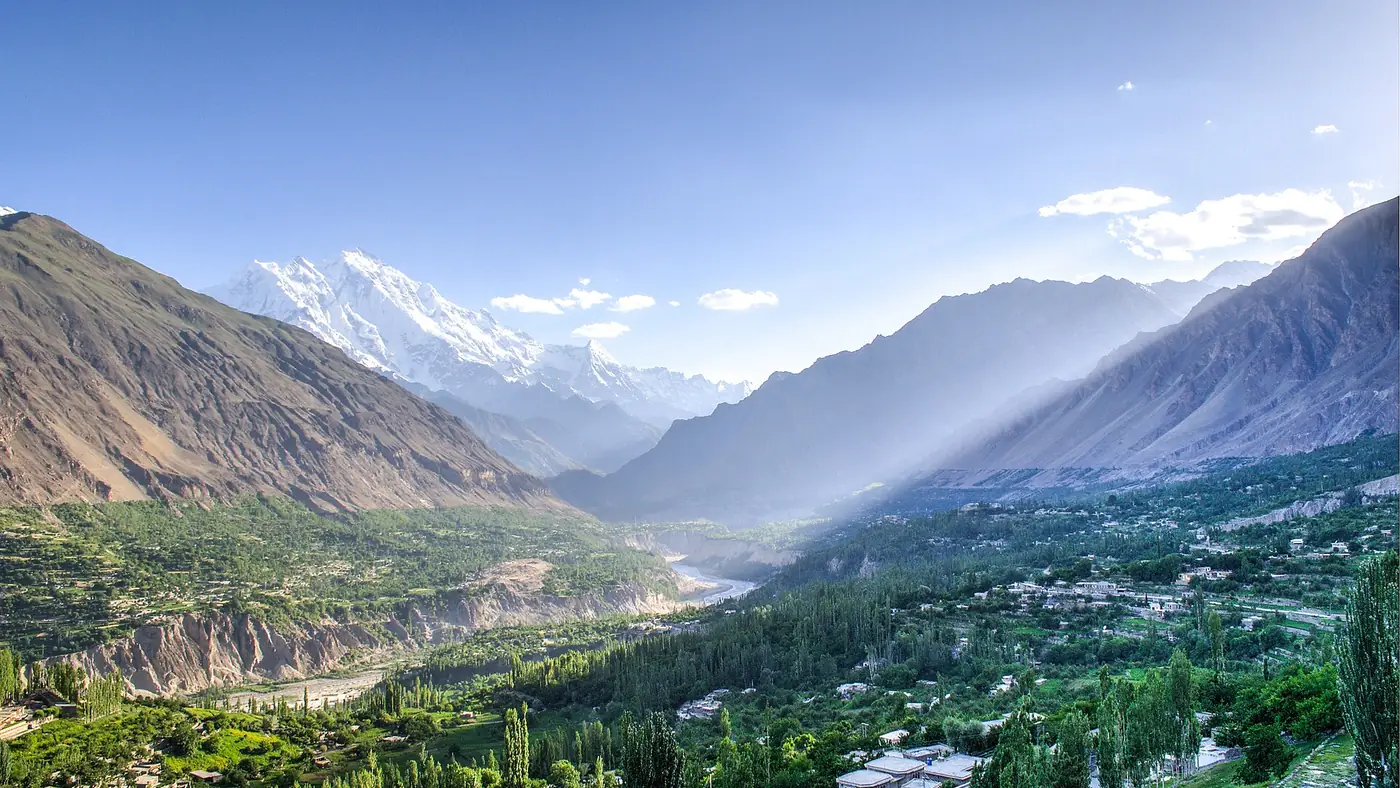
| Karimabad | About 2,500 m | The valley's main tourist base |
| Gulmit | About 2,465 m | Main village of upper Hunza (Gojal) |
| Passu | Roughly the same range as Gulmit, about 2,400 to 2,500 m | No precise figure is consistently published |
| Sost | About 2,800 m | Last town before the border |
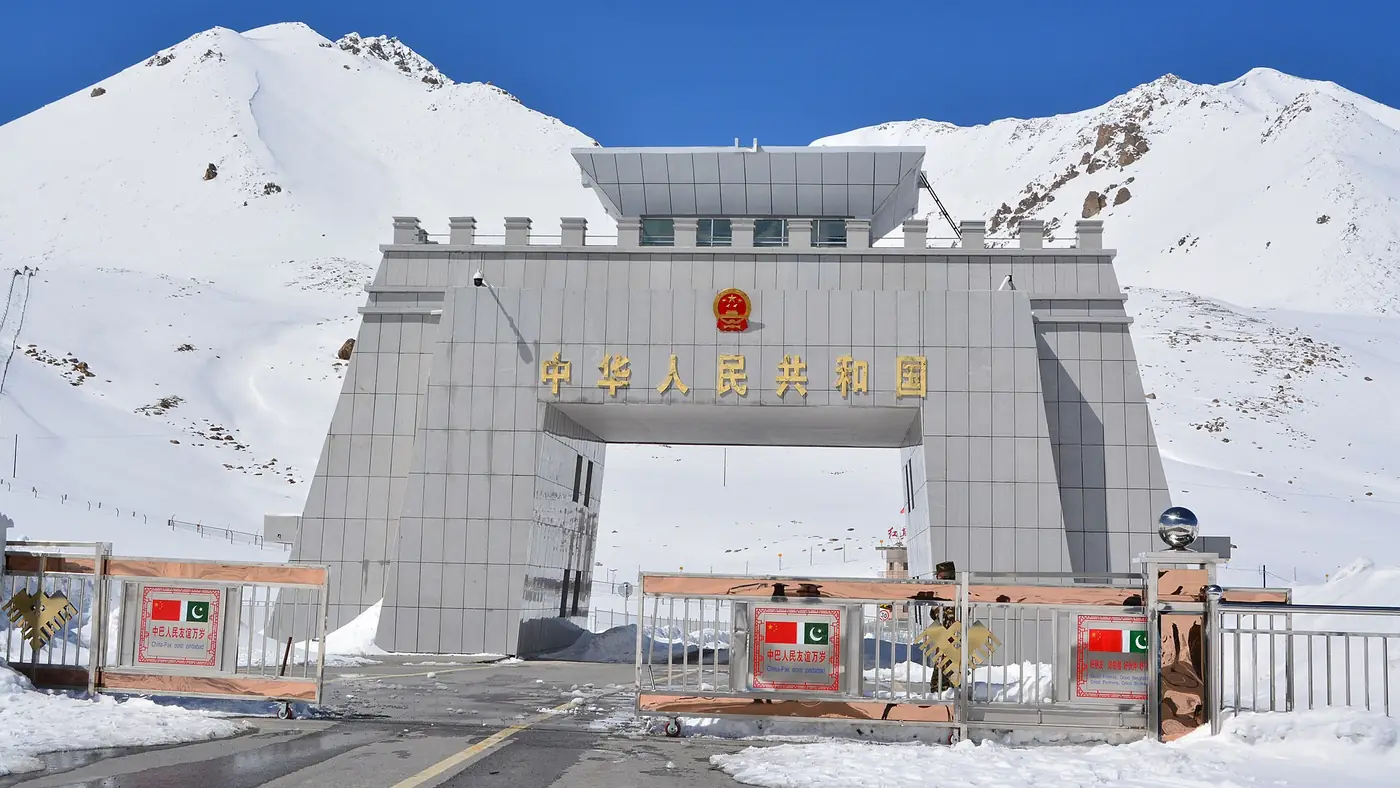
| Khunjerab Pass | 4,693 m | The Pakistan–China border |
How high is Hunza, really?
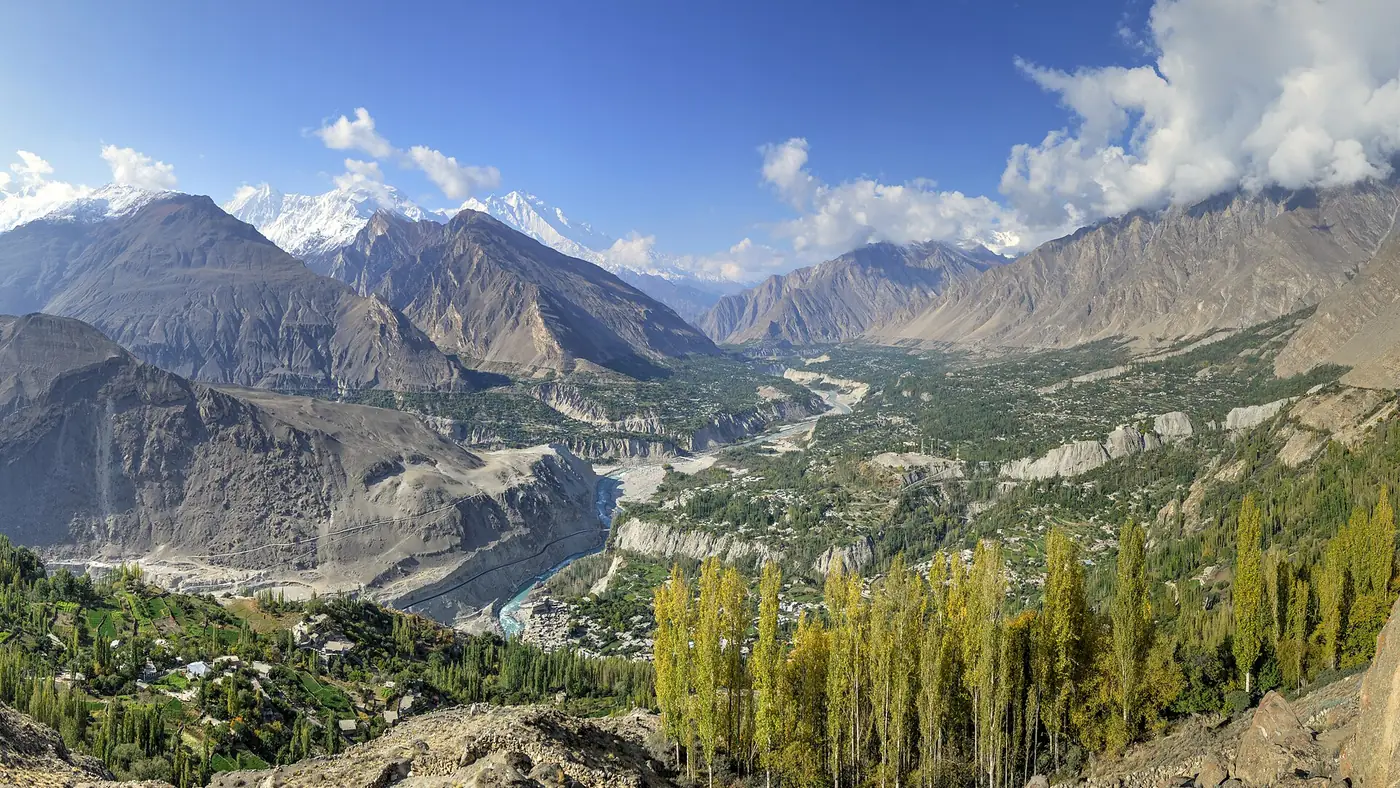
Hunza is not one altitude but a long climb. The valley runs from around 2,200 metres near Aliabad up through Karimabad, Gulmit and Passu to Sost at 2,800 metres, then climbs sharply over the final 77 km to the border at 4,693 metres. Most of that climb happens on the Khunjerab day trip, not on the drive into the valley.
For context, Islamabad sits at around 500 to 600 metres, so simply arriving in Karimabad from the capital is already a gain of roughly 2,000 metres, usually spread over one or two days of driving. Flying into Gilgit, at about 1,500 metres, and driving on to Karimabad the same day compresses that gain into a shorter window.
What altitude does to the body, and at what height it matters
Altitude sickness, properly called acute mountain sickness, becomes a real possibility above about 2,500 metres, and the risk grows with height and with how fast you gain it. A few points are worth knowing before a Hunza trip:
- Karimabad, Gulmit and Passu, around 2,400 to 2,500 metres, sit right at the threshold where some people notice symptoms: a mild headache, tiredness, or trouble sleeping the first night. Most people adjust within a day or two.
- Sost, at 2,800 metres, is higher again, and anyone already feeling the altitude in Karimabad should expect it to be a little more noticeable here.
- Khunjerab Pass, at 4,693 metres, is high enough that altitude sickness is a genuine risk, made worse by how quickly most visitors reach it: a few hours by car rather than days of walking. Breathlessness, a mild headache or feeling light-headed are common and usually pass once you descend. Severe symptoms, a bad headache, vomiting, confusion or unsteadiness, mean going down immediately.
The general rule in mountain travel is that gaining height slowly gives your body time to adjust, and driving is the opposite of slow. That is the specific reason Khunjerab catches people out more than the rest of a Hunza trip: you are not acclimatising on the way up, you are just going up.
Who should take Hunza's altitude seriously
Most healthy adults manage Karimabad and the rest of central and upper Hunza with no more than a slightly restless first night. Khunjerab is a different matter, and deserves real thought for:
- Young children, who cannot always describe how they feel and should be watched closely for irritability, poor feeding or unusual sleepiness at height.
- Older visitors and anyone with a heart or lung condition, who should ask a doctor before the trip rather than finding out how they cope at 4,700 metres.
- Anyone with a history of altitude sickness, even mild, on previous mountain trips.
- Pregnant women, who should get medical advice before a trip that includes Khunjerab specifically.
For families or groups where someone falls into these categories, a good compromise is to spend the full trip in central and upper Hunza, up to about 2,800 metres in Sost, and treat Khunjerab as optional rather than a fixed part of the itinerary. Our Khunjerab Pass guide covers how to manage the altitude on the day if you do go, including how long to stay at the top and what symptoms mean turning back.
Does altitude affect the rest of a Hunza trip?
For sightseeing within the valley, not much. Karimabad, Baltit and Altit forts, Attabad Lake and the walk to the Hussaini bridge are all at altitudes most people manage comfortably after a short rest on arrival. Where it matters more is on hikes that climb further from the valley floor, such as the Ultar meadows above Karimabad, which gain significant height on foot rather than by car and deserve the same slow-and-steady approach as any high-altitude walk.
Frequently asked questions
How high is Karimabad in Hunza?
About 2,500 metres. It is the valley's main town and where most visitors base themselves.
What is the highest point in Hunza that visitors reach?
Khunjerab Pass, at 4,693 metres, the Pakistan–China border at the top of the Karakoram Highway. It is usually visited as a day trip from Karimabad.
Is Hunza high enough to cause altitude sickness?
Central Hunza, around 2,500 metres, occasionally causes mild symptoms such as a headache or poor sleep on the first night. Khunjerab Pass, at 4,693 metres, carries a real risk of altitude sickness, particularly because most visitors reach it by car in a few hours.
Which is higher, Karimabad or Sost?
Sost, at about 2,800 metres, is higher than Karimabad, at about 2,500 metres. Both are well below Khunjerab Pass.
Should children or older travellers worry about Hunza's altitude?
Central Hunza is usually fine. Khunjerab Pass deserves real caution: ask a doctor before the trip if a child, an older traveller or anyone with a heart or lung condition will be going, and be ready to turn back if anyone develops a bad headache, nausea or confusion at the top.