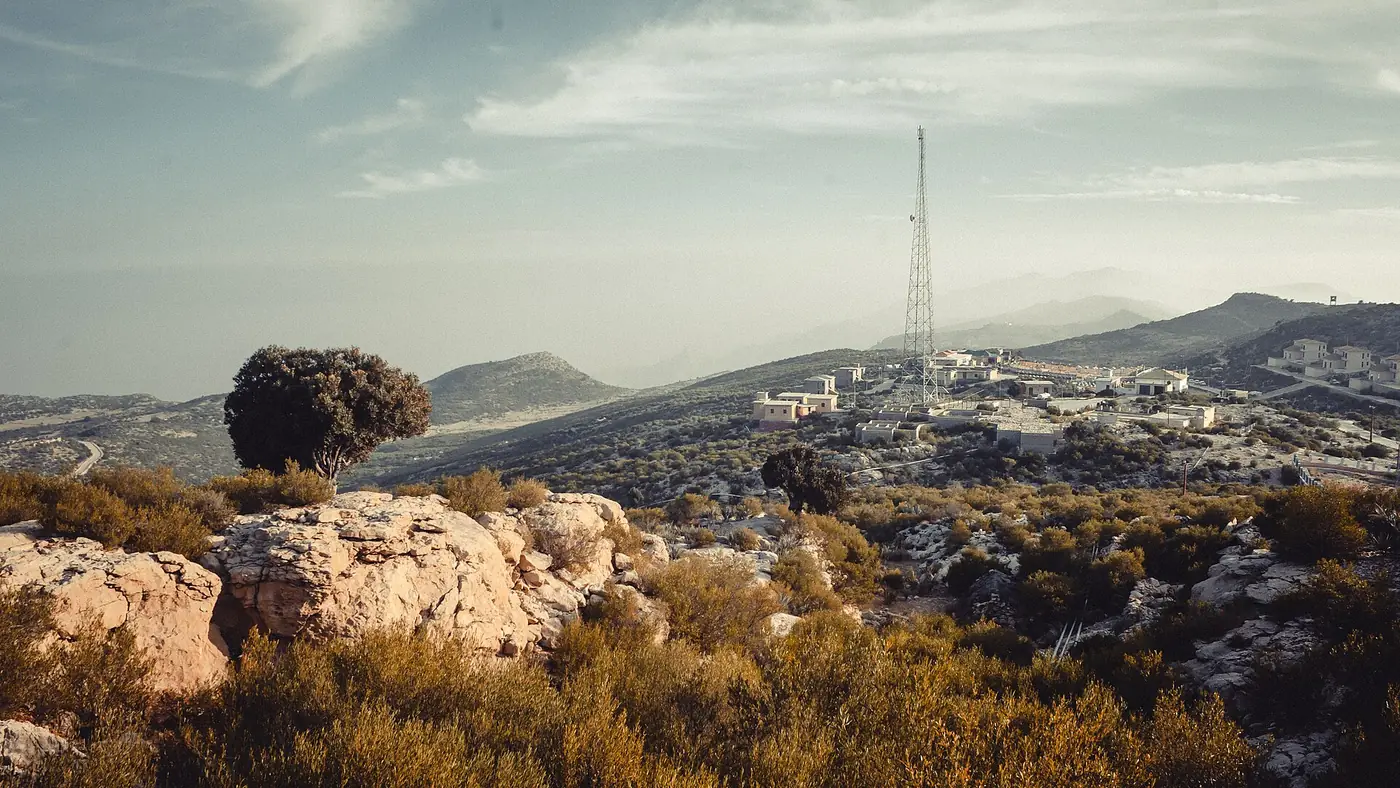
Gorakh Hill snowfall is real but rare: snow has fallen in only a handful of recent winters, always in January, and never for more than a day or two at a time. It is not something you can plan a trip around months in advance. The most anyone can do is watch the cold snaps as they build and be ready to travel at short notice.
This guide sets out what is actually known about snow at Gorakh, the pattern behind it, how to follow the forecast, and what a winter climb adds to the risk of the jeep track.
| At a glance | |
|---|---|
| Altitude | About 1,734 m (5,688 ft) |
| Months it has snowed | January, in recorded recent cases |
| Typical gap between snow years | One to several years; not annual |
| Recent confirmed falls | 22 January 2023; 28 January 2026 |
| Lowest recorded temperature after snow | -8°C (January 2023) |
| Coldest general season | December and January |
How often does it actually snow at Gorakh Hill?
Not every winter, and not on a fixed schedule. Sindh has no other spot that gets snow at all, which is why each fall at Gorakh makes the news, but on the plateau itself it is an irregular event tied to how far south a particular winter cold spell pushes.
The clearest recent record comes from local reporting. Gorakh Hill Station saw its first snowfall on 22 January 2023, described at the time as the first snow after a two-year gap, with the temperature falling to -8°C, called the lowest recorded there in the past 24 hours. The next confirmed fall was on 28 January 2026, when snow covered the plateau again and the temperature dropped to -2°C afterwards. Between those two dates, at least one winter passed with no snow reported.
That pattern, roughly one snow event every one to three years, each time in the second half of January, is the most honest way to describe Gorakh's snow: an occasional, short-lived event in a narrow window, not a season you can book around.
Why January, specifically
Gorakh's cold comes from the same winter weather systems that bring snow to the hills of Balochistan and, in stronger years, push far enough south and east to reach the Kirthar range. Late December through January is when temperatures on the plateau are already close to freezing overnight, so it takes only a modest western disturbance moving through to tip a cold, wet spell into snow rather than rain.
Outside that window the odds fall sharply. December is usually simply cold and dry; by February the systems have generally weakened, though a very cold February is not impossible. If you are chasing snow rather than just cold weather, January is where to concentrate.
How to watch for a snow chance
There is no dedicated, published snow forecast for Gorakh Hill, and no weather station on the plateau itself, so nobody can give you two weeks' notice with confidence. What you can do:
- Watch the Pakistan Meteorological Department's western disturbance and cold wave alerts for Sindh and Balochistan through December and January. A forecast of a strong cold spell with rain reaching upper Sindh and Balochistan is the closest thing to advance warning.
- Follow local and national news in the days a cold spell arrives. Both recent snow events were reported within a day of happening, by national outlets and Sindh government social media.
- Check with contacts in Wahi Pandhi or Dadu before setting out. Locals and the Gorakh Hills Development Authority staff at the site know within hours whether snow has fallen and whether the track is passable.
- Keep your plan flexible. Because the window from "cold spell forecast" to "snow reported" is short, a snow trip works best as a decision you make two or three days out, not a holiday booked weeks ahead.
The road risk a winter trip adds
Snow or no snow, December and January are the hardest months to drive the jeep track from Wahi Pandhi to the top. The road is unmade and steep in long stretches, and cold nights leave it damp and sometimes icy by morning, on top of the loose surface and tight hairpins that make it demanding in any season.
If snow has actually fallen, the risk is higher again: a wet, snow-covered dirt track with no barriers on many bends is not somewhere to test a vehicle or a driver. Local jeep drivers who do the run regularly are the safest option in winter, and even then it is sensible to wait a day after a fresh fall rather than climb immediately, so the worst of the surface water and ice has had time to clear.
Cold itself is also a bigger factor than most day-trippers from Karachi expect. Overnight temperatures on the plateau regularly sit close to freezing in January even without snow, and after a fall they can fall further. Anyone staying overnight needs proper winter bedding and warm layers, not just a jacket for the drive.
Is it worth planning a trip around snow?
For most visitors, no, not as the sole reason to go. Snow at Gorakh is genuinely striking, a white plateau above a desert province that otherwise never sees it, but it is unpredictable enough that a trip built entirely around catching it will fail more often than it succeeds. A more realistic approach is to plan a winter trip for the cold, clear days and starlit nights that Gorakh reliably offers in December and January, and treat snow, if it happens while you are there or in the days before, as a bonus rather than the plan.
If seeing snow is what matters most to you and you have flexibility, the better strategy is to watch the forecasts through January and be ready to travel on short notice when a strong cold spell is confirmed, rather than fixing dates in advance. Our Gorakh Hill weather guide has month-by-month temperatures if you are deciding when else to go, and our Gorakh Hill Station guide covers what is actually at the top.
Frequently asked questions
Does it snow every year at Gorakh Hill?
No. Snow has been recorded in some recent Januaries, including 2023 and 2026, but with gaps of a year or more between falls. Most winters at Gorakh are cold and dry rather than snowy.
What month does it usually snow at Gorakh Hill?
January, in every recent confirmed case. Snow outside January is unusual, though not impossible in a very cold spell.
How can I find out if it has snowed at Gorakh Hill?
Follow Pakistani news outlets and the Pakistan Meteorological Department's cold wave alerts through January, and check locally in Wahi Pandhi or Dadu before you travel, since there is no dedicated forecast service for the plateau itself.
Is it dangerous to drive to Gorakh Hill after snow?
Yes, more than usual. The unmade jeep track can be wet, muddy or icy after a fall. Wait a day if you can, and use an experienced local driver rather than attempting it yourself in those conditions.
How cold does it get at Gorakh Hill when it snows?
In the two most recent recorded falls, temperatures reached -8°C in January 2023 and -2°C in January 2026. Nights are close to freezing through most of January even without snow.