
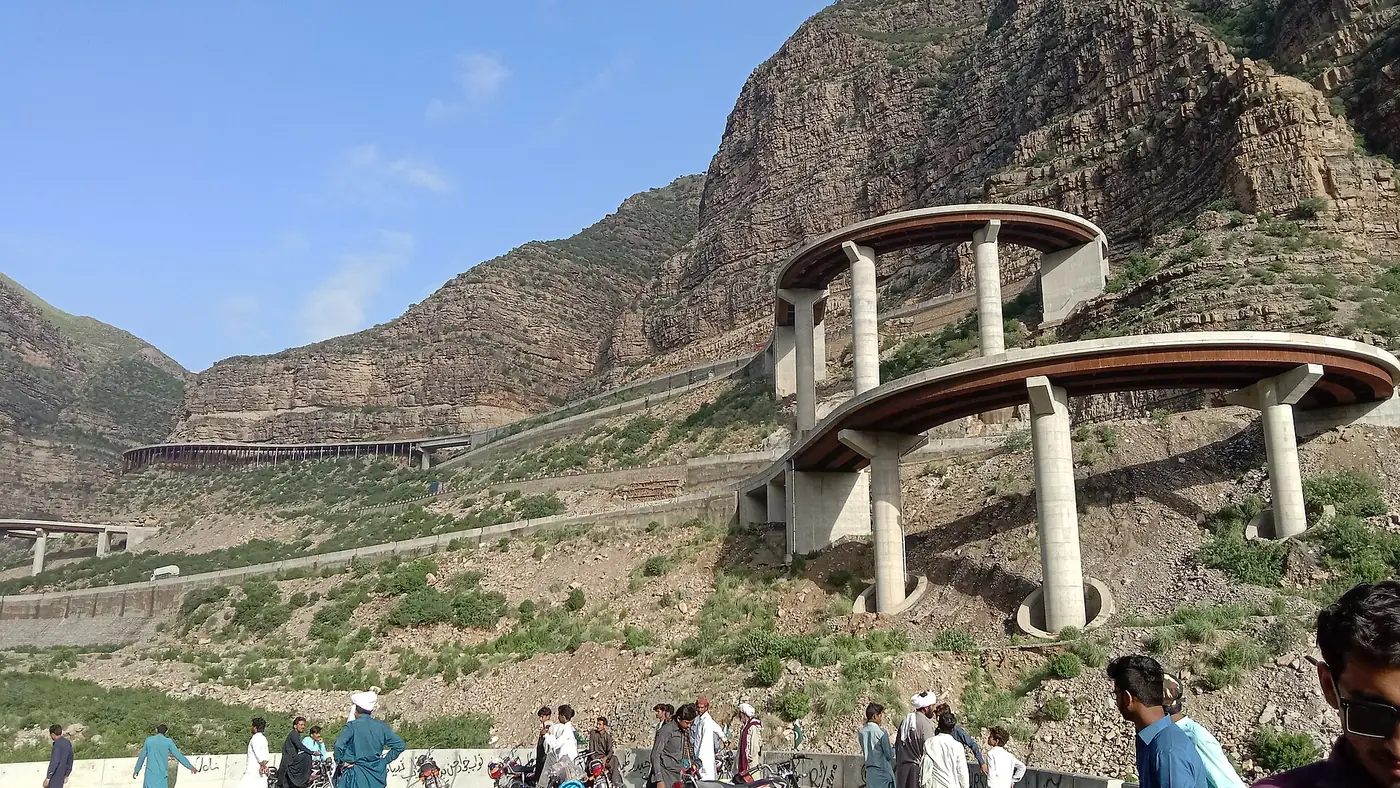

Fort Munro's weather is mild through the summer and cold in winter, which is the whole reason South Punjab families drive up to it. At about 1,970 metres (6,470 feet) in the Sulaiman range, it sits well above the Dera Ghazi Khan and Multan plains, where summer heat is among the most extreme in Pakistan. This guide goes through the year month by month, so you know what to pack and when to go.
There is no long-running weather station at Fort Munro with published monthly averages, so this guide describes the pattern rather than quoting exact daily figures that no reliable source confirms. Where a number is solid, such as Multan's summer heat, it is given; where it isn't, the advice is to pack for a wider range than you expect.
| At a glance | |
|---|---|
| Altitude | About 1,970 m (6,470 ft) |
| Summer feel | Warm by day, noticeably cooler than the plains, cold after dark |
| Winter feel | Cold, with a real chance of snow between December and February |
| Monsoon | Rain is possible from July into September, which also fills Dama Dam lake |
| Best months to visit | May to September for cool relief from the heat; winter for a chance of snow |
Why Fort Munro is cooler than the plains
Temperature drops with altitude everywhere, and Fort Munro's climb from the Indus plain into the Sulaiman range is steep enough to feel the difference within a couple of hours' drive. Multan, the reference point for most South Punjab travellers, is one of the hottest cities in the country: its average June daytime high is around 46°C, and it has recorded temperatures above 50°C. Dera Ghazi Khan, closer to Fort Munro, sees similarly punishing summer heat.
Fort Munro does not escape the heat entirely. Afternoons in the hottest months are still warm, but the air is thinner and drier than on the plains, and evenings cool quickly once the sun drops. That gap between the plains and the hill station is the main reason to make the trip.
Summer: April to June
This is the build-up to the hottest part of the year on the plains, and Fort Munro's relative coolness is at its most welcome. Days are warm and sunny, mornings and evenings are pleasant, and the bazaar and TDCP resort are at their busiest. Pack light cotton clothes for the day and a light jacket or shawl for the evening.
Monsoon: July to September
Rain reaches the Sulaiman range with the monsoon, though less reliably than in the wetter parts of the country, and the amount varies a lot from year to year. When rain is good, Dama Dam lake fills and the hills around Fort Munro turn green; in a dry year, expect the lake to be a fraction of its usual size. Roads can be greasy after rain and the drive up from Dera Ghazi Khan is best done in daylight. Carry a light waterproof layer.
Autumn: October and November
The air clears, days stay mild and nights turn properly cold. This is a quieter time to visit, with none of the summer crowds and none of the risk of a winter closure. A warm jacket for the evening is essential even though the day can still feel pleasant.
Winter: December to February
This is Fort Munro's coldest stretch, and the one time it genuinely resembles a northern hill station rather than a warm-weather retreat. Snow falls in many winters, most often between December and February, and when it does, families travel up specifically to see it. Nights are well below the comfort of a normal Punjab winter, so a heated room matters more than the view from it. Our guide to Fort Munro snowfall covers what to expect if you are chasing snow specifically.
What to pack, whatever the season
- A warm layer for the evening, even in the hottest months. Nights at this altitude are cooler than in Dera Ghazi Khan or Multan.
- Sun protection for summer and monsoon visits: the sun at altitude is stronger than it feels.
- A proper jacket, gloves and a hat for any winter trip, and heavier layers again if snow is forecast.
- A light waterproof if you are travelling in the monsoon months.
- Cash. ATMs are not reliable this far from Dera Ghazi Khan.
How the weather affects the drive
The N-70 up from Dera Ghazi Khan climbs hard through the hills before Fort Munro, and weather changes how that drive feels more than it changes the town itself. In summer, go early to avoid both the worst of the plains' heat on the lower stretch and the afternoon traffic on the climb. In the monsoon months, a heavy shower can leave the road slick on the bends, so allow more time and keep speeds down. In winter, snow or ice on the final stretch is the main hazard, and the road can back up for hours once word of snowfall spreads. Our guide to reaching Fort Munro has more on the route itself and how long to allow.
Planning your visit
If your main goal is escaping the heat, aim for May to September and go early in the day, since the drive up the N-70 is more pleasant before the afternoon traffic and heat build on the plains. If you want a chance of snow, watch the forecast in December and January and be ready to travel at short notice, because a snowfall here draws crowds fast and the road up can back up for hours. For the wider picture of when different parts of Pakistan suit different trips, see our guide to when to go, and for help building a route around Fort Munro, our trip planning page.
Comparing Fort Munro's seasons
No two years follow the pattern exactly, which is worth keeping in mind if you are planning weeks ahead. A summer with a strong monsoon means a fuller Dama Dam lake and greener hills through August and September; a dry summer leaves the lake low and the landscape browner by comparison. A mild winter may bring no snow at all in a given year, while a colder one can bring several separate falls between December and February. Treat every month's description here as a general pattern rather than a guarantee, and check recent reports or local social media pages before a trip timed around a particular kind of weather.
Frequently asked questions
What is the best month to visit Fort Munro?
May to September, if you want reliably cool relief from the plains without winter cold. Late December to February is the choice if you specifically want a chance of snow.
Is Fort Munro hotter than Multan?
No. It sits at about 1,970 metres, well above Multan's plains, and stays noticeably cooler, though it is not cold in summer daytime.
Does it rain a lot in Fort Munro?
Rain is possible from July into September with the monsoon, but the amount varies considerably by year. It is enough to fill Dama Dam lake in a good year and leave it low in a dry one.
How cold does it get in Fort Munro in winter?
Cold enough for regular snowfall in many years, usually between December and February. Nights are well below what most South Punjab visitors are used to, so check that your room has heating before booking a winter stay.
Do I need warm clothes in summer?
Yes, for the evening. Days are warm, but once the sun goes down the temperature drops noticeably compared with the plains below.