
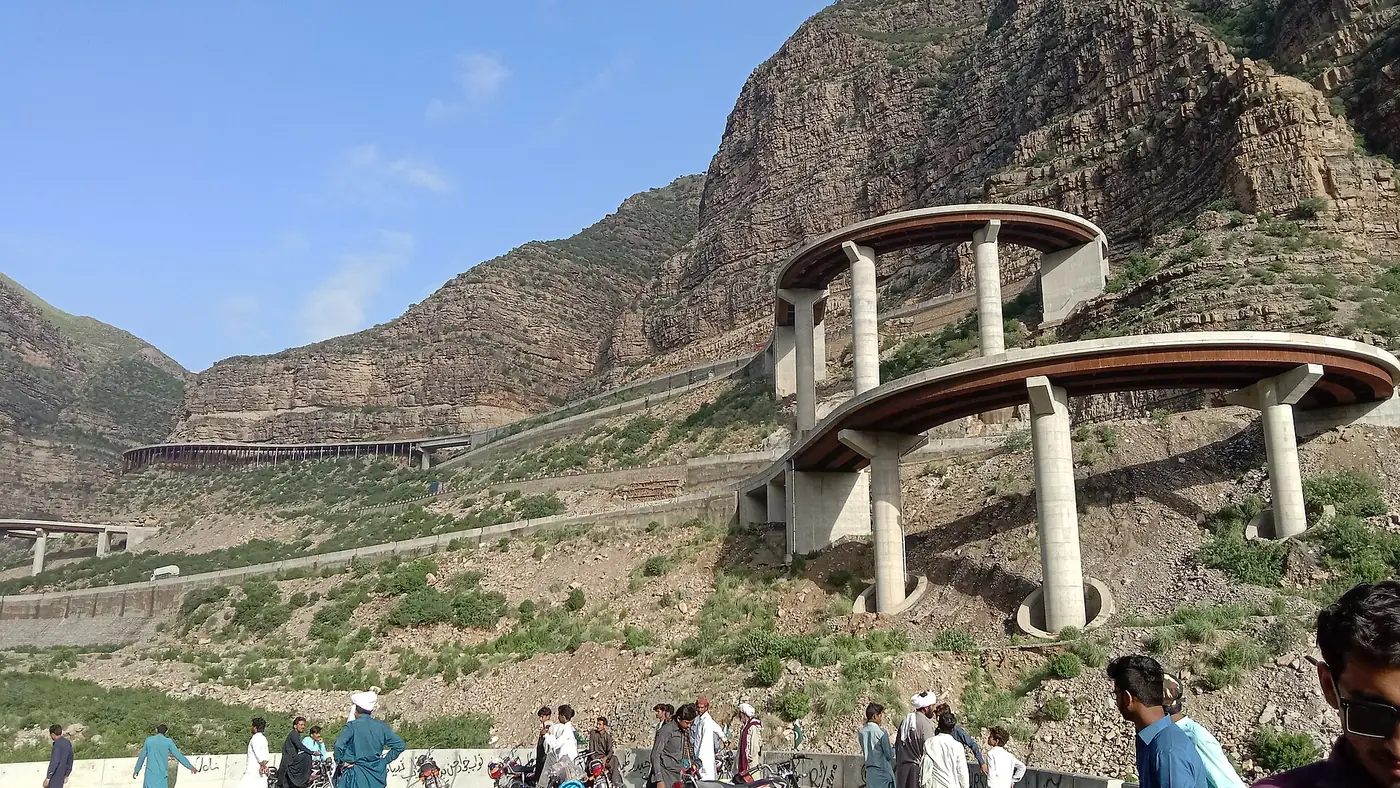

Fort Munro is one of the very few places in Punjab where it snows, and that is exactly why a snowfall there draws crowds fast. Snow falls in many winters, most often between December and February, and each time it does, the road up from Dera Ghazi Khan can back up for hours as families rush to see it. This guide covers when snow is most likely, what happens on the road when it falls, and how to prepare if you want to catch it.
| At a glance | |
|---|---|
| Snowiest months | December to February, most often January |
| Snowfall | Not guaranteed every year; varies with the winter |
| Road effect | Long traffic queues from Rakhi Gaj to Fort Munro are common |
| Managed by | District administration and police, who can restrict entry once the town is full |
| Preparation | Warm layers, chains or good tyres, a full tank, and patience for the queue |
When does it snow in Fort Munro?
Snowfall at Fort Munro is a winter event, concentrated between December and February, with January the month most often reported. It is not an annual certainty: some winters bring several separate snowfalls, others bring none at all, and there is no fixed date to plan a trip around. The most reliable way to know it's happening is local news coverage and social media posts from Dera Ghazi Khan district accounts once a fall starts, since these tend to spread within hours of the first snow settling.
A recorded example: in January 2023, Dawn newspaper reported the season's first snowfall at Fort Munro, with district authorities expecting it to get heavier over the following days and preparing hotels, restaurants and rest houses for an influx of visitors.
Why the road jams when it snows
Because a Fort Munro snowfall is rare enough to be an event rather than a routine winter condition, word travels fast and a large number of vehicles head up from Dera Ghazi Khan, Multan and across South Punjab within the same day or two. The road up the N-70, including the climb through Rakhi Gaj and the Girdu pass, is a single route with limited capacity, and it does not take many extra cars to turn it into a queue that stretches for miles.
District administrations have responded to this pattern before by deploying police and Border Military Police to manage traffic, and by restricting further entry once parking and accommodation in the town are full. If you're heading up specifically because snow has been reported, expect delays, expect that you may not get all the way to the top of the town quickly, and build slack into your day rather than a tight schedule.
Snow has also, on at least one occasion, combined with landsliding on the same stretch of road, closing it until machinery could clear the debris. This is a reminder that a snow-chasing trip to Fort Munro is not a guaranteed same-day round trip; have a plan for what you'll do if the road is blocked for several hours.
Preparing for a winter visit
- Check the forecast and recent reports for Dera Ghazi Khan and Fort Munro before setting out, rather than relying on a plan made days in advance.
- Leave early. Getting ahead of the crowd, rather than joining it once news of snow has spread, makes a real difference to how long the drive takes.
- Fill your tank in Dera Ghazi Khan. There is no reliable fuel stop on the climb, and a long queue in cold weather is not where you want to run low.
- Dress for real cold, not just a cool day out. Nights and mornings at Fort Munro in winter are well below what most South Punjab visitors are used to, and standing around in a traffic queue in the cold is part of the experience if snow has just fallen.
- Carry water, snacks and any medication in the car, in case the drive up or back takes longer than planned.
- Book ahead if you plan to stay overnight, since rooms fill quickly once a snowfall is reported. Our guide to where to stay in Fort Munro covers the options.
- Check tyres and brakes before the trip. The climb has enough bends that worn tyres or weak brakes are a real risk once the road is wet or icy.
Driving on snow and ice
The section of the N-70 above Rakhi Gaj is a mountain road with sustained bends, and snow or ice on that surface changes how it should be driven:
- Slow down well before a bend, not on it, and avoid braking hard on a curve.
- Keep a longer following distance than you would on a dry road; trucks and other vehicles take longer to stop.
- If you don't have experience driving on snow or ice, consider whether this is the trip to gain it on, particularly with family in the car.
- Follow instructions from police managing traffic at Rakhi Gaj and along the climb; they are there because this exact situation repeats most years.
Is it worth chasing the snow?
For many South Punjab families, yes, precisely because it's rare. Seeing snow within a few hours of Multan or Dera Ghazi Khan, without the cost or distance of a trip to the northern valleys, is genuinely special, and it is why Fort Munro fills up whenever a fall is reported. The trade-off is the traffic, the cold, and the uncertainty: you may set off on a promising forecast and find the top of the town has already reached capacity by the time you arrive.
If a guaranteed snow experience matters more than the novelty of catching it in South Punjab, the hill stations of Murree and the Galyat, or the northern valleys, offer a longer and more predictable winter season. If the appeal is specifically a South Punjab snow day with family, Fort Munro is the only realistic option in the region, and it delivers when it comes together. Our travel guide has more on planning a winter trip, and our guide to Fort Munro's weather through the year puts the winter snow chance in context with the rest of the seasons.
Frequently asked questions
Does Fort Munro get snow every winter?
Not reliably. Some winters bring several snowfalls, usually between December and February, and others bring none. There is no fixed pattern to plan around.
What month does it usually snow in Fort Munro?
January has produced the most widely reported snowfalls in recent years, though snow is possible anywhere from December through February.
Why does the road to Fort Munro get so busy after snowfall?
Because snow there is rare enough to draw visitors from across South Punjab within a day or two of it being reported, and the N-70 up from Dera Ghazi Khan is a single road with limited capacity, so traffic backs up quickly.
Is it safe to drive to Fort Munro when it snows?
It can be done, but the climb above Rakhi Gaj is a mountain road with sustained bends that becomes harder to drive on snow or ice. Go slowly, keep distance from other vehicles, and follow police instructions on the road.
Can the road to Fort Munro close because of snow?
Yes. Heavy snow or a combination of snow and landsliding has closed the road for periods in the past until it could be cleared. Check current conditions before setting out and have a backup plan.