Fairy Meadows photography is really about two things: being in the right spot at first light, and keeping your camera working at 3,300 metres. The meadow faces Nanga Parbat directly, so almost anywhere you stand gives a view; the difference between an ordinary photo and a good one is arriving before sunrise, choosing a foreground, and having a battery that still has charge after a cold night.
This guide covers the viewpoints worth walking to, when sunrise and the night sky are at their best, and the cold-weather habits that stop a camera from letting you down.
| At a glance | |
|---|---|
| Altitude | About 3,300 m |
| Best light | First light before and during sunrise; last hour before sunset |
| Sunrise window | Roughly 4:45 am in June to 5:45 am by mid-September |
| Night sky | Clearest on moonless nights, roughly April to October |
| Main viewpoints | The meadow itself, the reflection lake, the Beyal camp trail |
| Cold-weather risk | Batteries drain fast; condensation on lenses moving between temperatures |
| Carry | Spare batteries kept warm, a lens cloth, a head torch with a red setting |
Where to shoot Nanga Parbat from
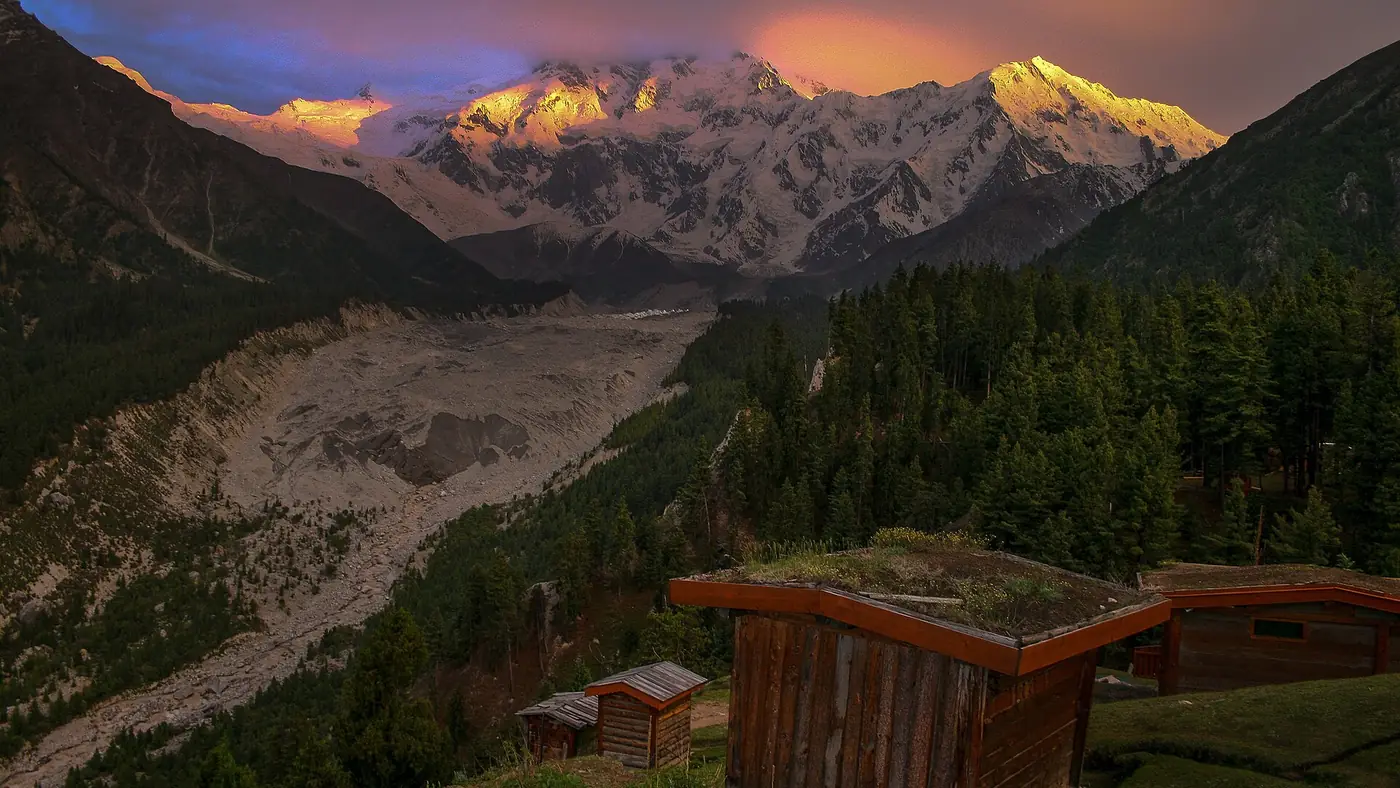
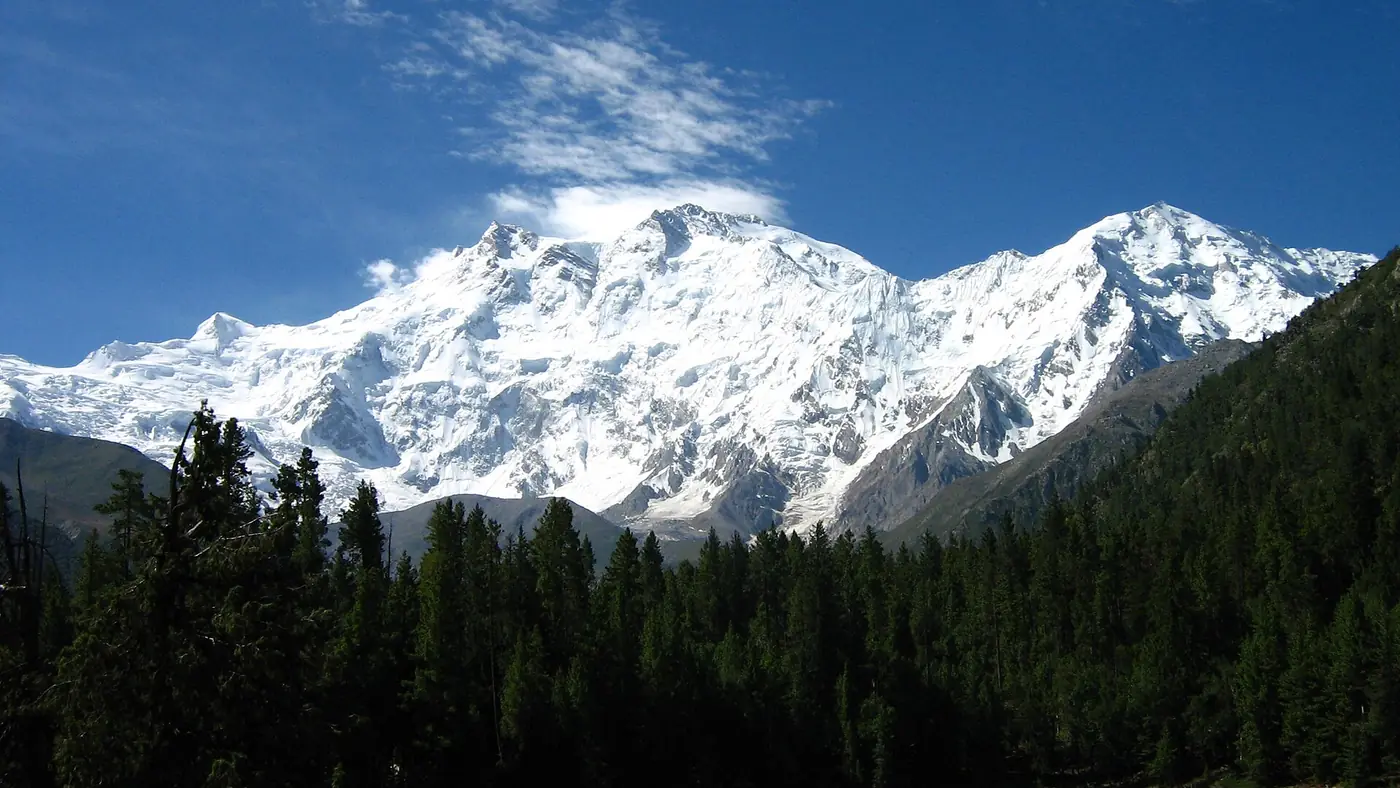
The meadow itself needs no walking. Nanga Parbat rises directly to the south, and any open ground between the lodges gives a clean view with grass, scattered pines or grazing horses in the foreground. This is the easiest option for anyone not up for a pre-dawn walk.
The reflection lake, a pond at the northern end of the meadow, gives a mirror image of the mountain on a still morning. It only works before the wind rises, so you need to be there before or at first light. Our guide to the reflection lake covers exactly where it is and how the timing works.
The trail towards Beyal camp, about an hour to ninety minutes on foot from the meadow, climbs above the tree line and opens up a wider view of the Rakhiot face, closer and with less foreground clutter than from the meadow floor. Push on towards the Nanga Parbat viewpoint beyond Beyal, another hour or so, for the closest view most visitors reach without mountaineering. Our guide to things to do in Fairy Meadows covers the walk and timings in full.
Each spot rewards a different kind of shot: the meadow for scale and grazing horses, the lake for the mirror image, Beyal and the viewpoint for a tighter, uncluttered frame of the face itself.
Sunrise and blue hour
The summit of Nanga Parbat catches the sun before the meadow does, so the best light happens in the twenty or thirty minutes before official sunrise, when the peak turns pink and then gold while the meadow is still in shadow. That window moves through the season, from around 4:45 am in June to about 5:45 am by mid-September, so check locally rather than guessing. Whichever viewpoint you choose, be in position at least fifteen minutes early; the change in light happens fast and is easy to miss while you are still setting up.
A second, gentler light comes in the last hour before sunset, when the sun moves round to light the face from the side. It is less dramatic than sunrise but far easier to plan around, since you don't need to leave your bed in the dark.
Night sky and star photography
With no town, no road and almost no artificial light, the sky over the meadow on a clear night is genuinely dark, and the Milky Way is visible with the naked eye for much of the year, roughly April to October. A few things make the difference between a disappointing frame and a good one:
- Check the moon phase before you go. The week around the new moon gives the darkest sky. A near-full moon washes the stars out but lights the mountain itself, its own kind of photograph.
- Brace the camera on something solid. A star exposure of several seconds is impossible to hold by hand.
- Set focus to manual and infinity, checked in daylight if you can, since autofocus struggles in the dark. A phone on a small tripod with a night mode still picks up the brighter stars and the mountain's outline.
Keeping a camera working in the cold
Nights at the meadow drop to around freezing even in summer and well below it outside June to September, and that is hard on batteries and lenses.
- Keep spare batteries in an inside pocket, close to your body, not in a bag left outside overnight. Cold drains batteries fast, and one that reads empty often recovers once it warms up.
- Let the camera warm up slowly back in a room. Moving cold glass into warm, humid air causes condensation on and inside the lens; a plastic bag around the camera as it warms keeps the moisture on the outside of the bag instead.
- Wipe the lens before shooting, since breath and dew fog it quickly in the cold, and change lenses in a sheltered spot rather than the open wind, which carries dust on the jeep track and the trail from Tato.
Is it worth carrying serious camera gear?
For most people, yes, if you are already planning two nights or more, since one clear sunrise is not guaranteed and a second morning doubles your chances. If your trip is a single overnight or the forecast is poor, a phone with a good night mode will still get a memorable shot of the mountain and, on a clear night, the stars above it; a heavy camera bag adds weight to a walk that already gains real altitude.
Whatever you carry, our Fairy Meadows packing list covers the warm layers a dawn shoot needs, and our guide to the best time to visit weighs up which season gives the clearest views overall.
Frequently asked questions
What is the best time of day to photograph Nanga Parbat from Fairy Meadows?
The twenty to thirty minutes before sunrise, when the summit turns pink and gold while the meadow is still in shadow. The last hour before sunset is a gentler second option.
Do I need a professional camera for Fairy Meadows?
No. A phone with a good night mode captures the mountain and, on a clear night, the stars. A camera with a wide, fast lens and a tripod gets more out of low light and star shots, but is not essential.
When is the Milky Way visible at Fairy Meadows?
Roughly April to October, on clear nights with little or no moon. The week around the new moon gives the darkest sky.
How cold does it get at night for photography?
Around freezing even in July and August, and well below freezing outside that window. Keep spare batteries warm in an inside pocket, since cold drains them quickly.
Is the reflection lake the best spot for photos?
It gives the most photographed shot, a mirror image of the mountain, but only on a still morning. The meadow itself and the trail towards Beyal camp give different, less crowded views worth trying as well.