Eid ul Fitr trip ideas depend more than usual on the calendar, because the Islamic calendar is lunar and the date moves back by around ten or eleven days every year against the solar calendar. Eid ul Fitr fell in March in 2026, and is expected around 10 March 2027, so over the coming years it drifts from late winter into deep winter and, eventually, back through autumn. That means the right destination changes from year to year, not just the itinerary.
This guide is built around that shift: match your Eid break to whatever season it actually falls in this year, rather than assuming it's always spring.
| At a glance | |
|---|---|
| Holiday length | Typically 3 days official, often extended to 4–5 with weekends |
| 2026 date | Around 20 March |
| 2027 expected date | Around 10 March (unconfirmed until moon sighting) |
| Why it moves | The Islamic calendar is lunar, roughly 11 days shorter than the solar year |
| Best planning approach | Match the destination to the season the date falls in, not a fixed itinerary |
Why the date matters more than usual
Eid dates are set by the sighting of the new moon and confirmed only shortly before the holiday, so exact dates are always provisional until close to the time. More importantly for trip planning, the date itself moves earlier each year on the solar calendar, by around ten or eleven days. A trip plan that worked for a spring Eid a few years ago may fall in the middle of winter a few years later, and the destinations that suit each are very different.
Check the confirmed date close to the holiday rather than booking a fixed itinerary far in advance, since moon sighting can shift the holiday by a day either way even once it's broadly expected.
If Eid falls in late winter or early spring
This has been the pattern recently, and it favours lower-altitude destinations over the high mountain passes, which are typically still closed at this time of year. Good options:
- Islamabad and the Galiyat hills for a short break with snow still likely at Nathia Gali and Ayubia, an easy drive from the capital.
- Lahore for a city break built around its historic sites, timed well since spring weather there is pleasant and summer heat hasn't arrived.
- Lower Swat, around Mingora and Saidu Sharif, where spring blossom is often starting even while higher valleys are still under snow.
Hunza and Skardu are less suitable for an early-spring Eid trip, since the high passes and Deosai are still closed and the weather at altitude is cold. If Eid falls in March, treat it as a lowland or hill-station trip rather than a northern-areas trip.
If Eid falls in deep winter (December to February)
As the date continues to move earlier over the coming years, Eid will eventually fall in genuine winter. In that case:
- Murree and the Galiyat for snow, if that's specifically what you want; short travel time from Islamabad and Lahore makes it manageable even with a short holiday.
- Karachi and the southern coast, for a warm-weather option that avoids winter entirely, since Sindh's winter climate is mild by comparison with the north.
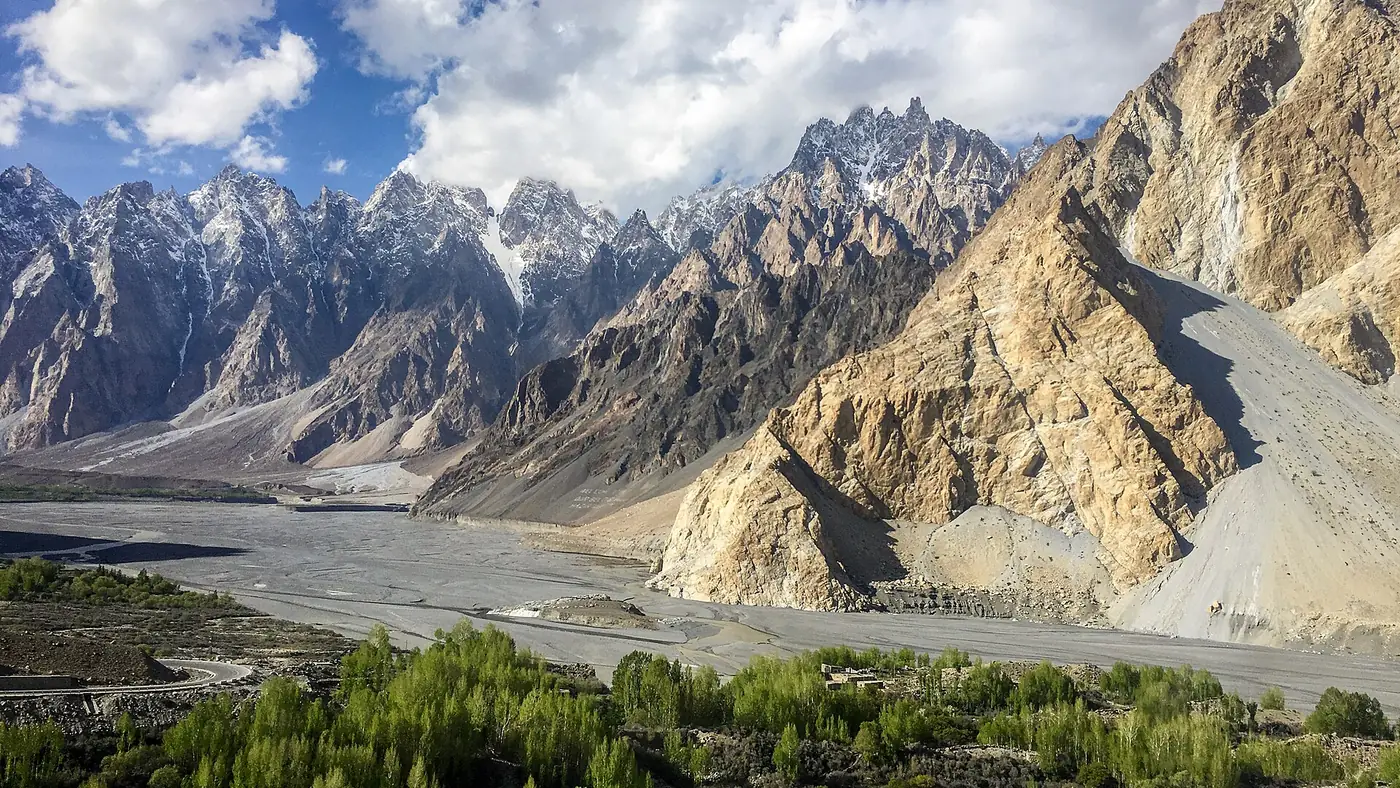
- Hunza, for a short trip built specifically around winter scenery rather than the full northern-areas circuit; see our guide to which northern areas are open in winter for what's realistic in that season.
If Eid falls in autumn (further ahead)
Further into the future, as the lunar calendar continues its drift, Eid will eventually land in autumn again. That's a strong match for the north: autumn colour in Hunza, Kaghan and Swat, described in our guide to autumn in Pakistan, pairs well with a short Eid break, since the roads are in good condition and the passes are still open, if closing soon at the end of the season.
If Eid falls in summer
The same lunar drift means that, further into the future, Eid ul Fitr will eventually land in the middle of summer, decades from now given how slowly the cycle moves, but worth knowing the pattern. A summer Eid puts the full northern-areas circuit back in play: Hunza, Skardu, Naran and Khunjerab Pass are all open and at their most accessible, and a three-to-five day break can realistically include one full northern destination rather than just a hill station. The trade-off is that summer is already the peak domestic travel season, so a summer Eid compounds the usual July-August crowding and hotel rates with the holiday rush itself.
Making the most of a short holiday
Eid ul Fitr's official holiday is typically three days, though it's common for it to be extended, or for people to take extra leave either side to make a longer break. For a 3-4 day trip, prioritise destinations within a reasonable drive of your starting city rather than somewhere that eats a full day each way in travel. Our trip planning guide covers how to structure a short break so the travel time doesn't swallow the time you actually have on the ground.
Booking and crowds. Eid is one of the busiest domestic travel periods in Pakistan, alongside Eid ul Adha and the summer school holidays. Hotels in popular hill stations and northern towns fill up quickly, and roads out of major cities are busiest in the day or two either side of the holiday. Book well ahead if your dates are fixed, and consider travelling a day before or after the peak rush if your schedule allows it.
Is a short Eid trip worth planning around the moving date?
Yes, and it's worth building the habit of checking the season rather than defaulting to whatever trip worked last time. A three-to-five day Eid holiday is genuinely enough for a hill-station break, a city trip, or a short northern-areas visit if the season and road conditions allow it; it's rarely enough for a long-haul circuit like a full Hunza-to-Skardu loop, which needs closer to a week regardless of season.
Frequently asked questions
When is Eid ul Fitr in 2027?
Around 10 March 2027, based on current calculations, though the exact date is confirmed only close to the time by moon sighting.
Why does the Eid ul Fitr date change every year?
Because the Islamic calendar is lunar, about ten or eleven days shorter than the solar year, so Eid moves earlier through the solar calendar year on year rather than falling on a fixed date.
Is Hunza a good Eid ul Fitr destination?
It depends on the season the holiday falls in. In late winter or early spring, the high passes and Deosai are typically still closed, so Hunza works best as a shorter, lower-key winter-style trip rather than the full northern circuit.
How many days should I plan for an Eid trip?
The official holiday is usually three days, often extended with weekends or extra leave to four or five. That's enough for a hill station or city break, but tight for a long northern-areas circuit.
Should I book accommodation early for Eid ul Fitr?
Yes. Eid is one of the busiest domestic travel periods, and hotels in popular destinations fill up well before the holiday. Book as early as your dates allow, particularly for hill stations near major cities.