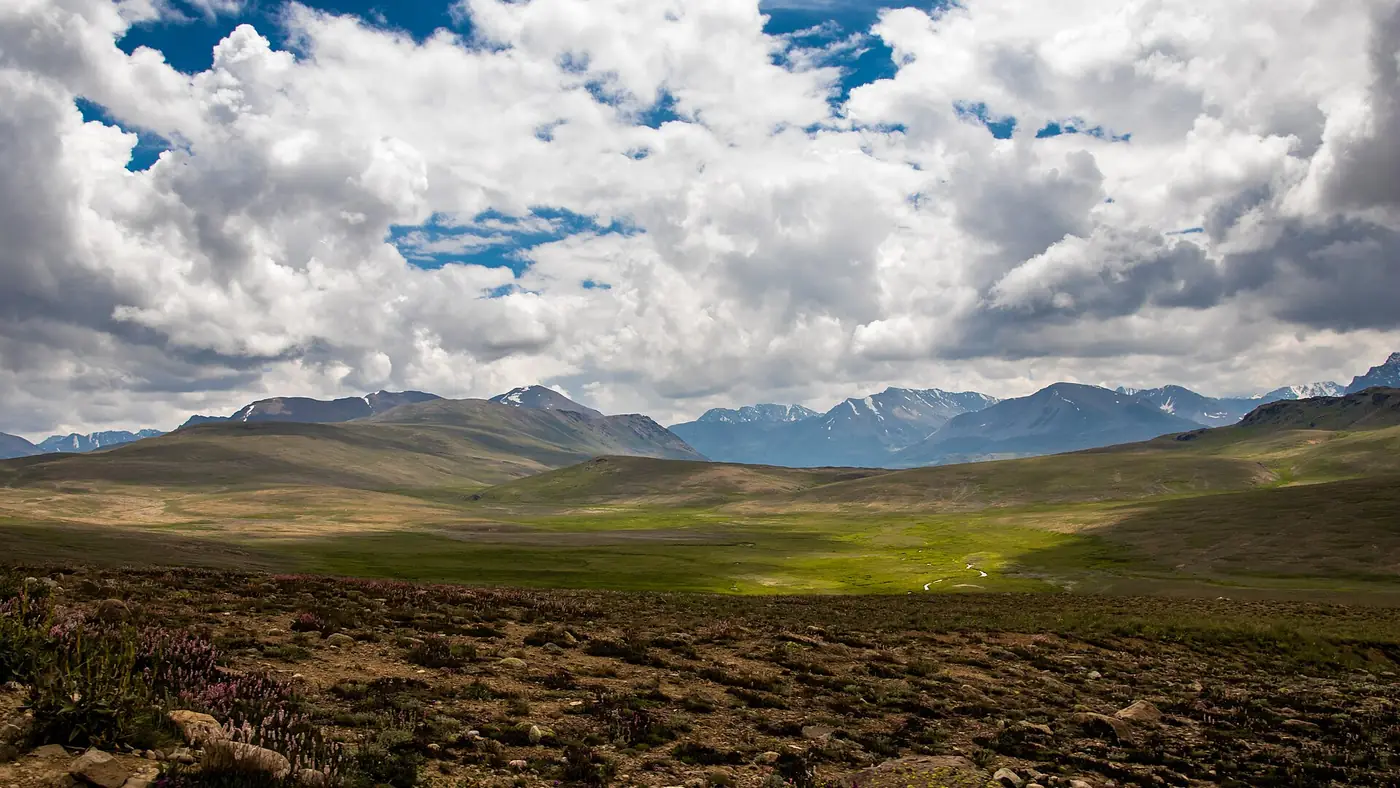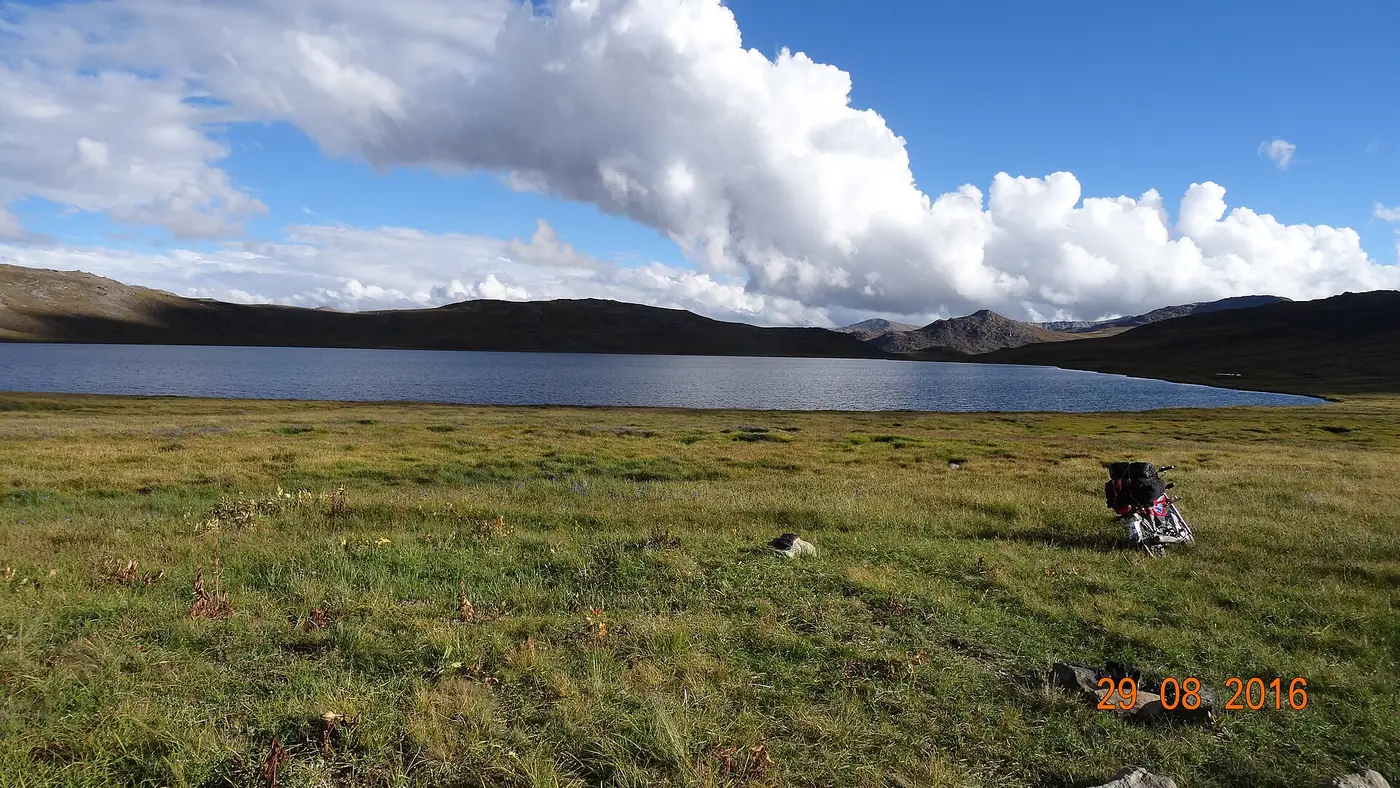
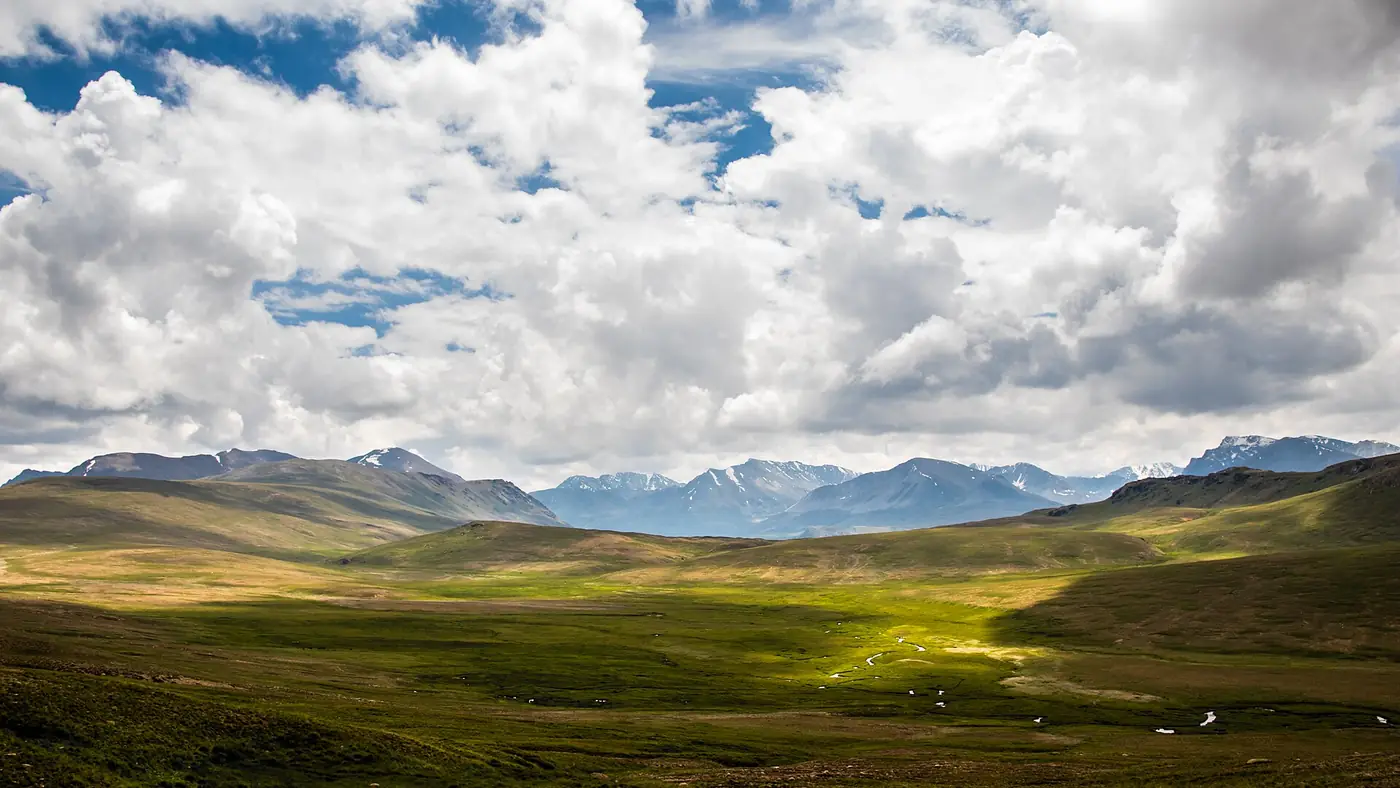
Deosai in winter is closed to ordinary visitors. From around November to May the plateau lies under deep snow, the jeep track is not cleared, and there is no vehicle access, no shelter and no help nearby if something goes wrong. The plateau's name in Balti, Ghbiarsa, means "the summer place", because for more than half the year it is unusable for anything but a proper winter expedition on foot.
This guide covers what actually happens to Deosai in winter, why it closes, and the difference between the plateau being simply closed and the small number of organised expeditions that cross it in the snow.
| At a glance | |
|---|---|
| Closed to visitors | Roughly November to May |
| Vehicle access | None; the jeep track is not cleared |
| Condition | Deep snow across the whole plateau |
| Temperature | Well below freezing, especially at night |
| Who can go | Only organised winter trekking expeditions with a guide |
| What's open instead | Skardu town and its valley, all winter |
Why Deosai closes in winter
Deosai averages 4,114 metres, among the highest plateaus in the world, with no shelter belt of trees and nothing to break the wind across it. Snow builds up over the winter months and stays until the following summer's melt clears the track, which is why the plateau is under snow for roughly half the year.
There is no winter maintenance of the road. Skardu's own roads are ploughed as needed, but the Deosai track, once it climbs past Sadpara, is left to the snow until the season turns. Reopening happens only once the melt is well under way, which is usually some time in June, and even then the road opens gradually rather than all at once. Our guide to when Deosai opens and closes covers the return of access in more detail.
What winter on the plateau actually looks like
With nobody living on Deosai and no vehicles reaching it, most of what is known about the plateau in winter comes from occasional official access and the handful of expeditions that cross it. The picture that comes through consistently is a landscape buried in snow, wind-scoured in places and drifted deep in others, with none of the streams, grass or flowers that define the summer plateau. Temperatures fall well below freezing, particularly at night, and the wind across open, snow-covered ground brings the effective cold further down still.
Occasionally the road has been cleared out of season for official reasons rather than tourism. In December 2019, for instance, Skardu's district disaster management authority cleared snow up to the edge of Deosai at the request of the Pakistan Air Force, the first time that stretch had been opened in winter. That kind of one-off clearance is not a sign the plateau is open to the public, and it should not be read as one.
Winter expeditions: not a normal visit
A small number of trekking operators run winter crossings or approaches to Deosai as a genuine mountaineering-style expedition, distinct from anything a day visitor would attempt. These are multi-day trips on foot or ski, with a certified guide, full winter camping equipment and a team used to travelling on snow at altitude. They are built for experienced winter trekkers, not for a family outing or a first trip to the north.
If you are considering one, treat it the way you would any serious winter mountaineering trip:
- Go only with an established operator who runs winter routes in Gilgit-Baltistan regularly and can show you their safety record.
- Expect full winter kit: mountaineering tents, sleeping systems rated well below freezing, snow travel gear, and a team carrying it, not a car boot's worth of warm clothes.
- Build in acclimatisation. Sleeping at over 4,000 metres in winter is a serious undertaking even for fit, experienced trekkers.
- Understand there is no quick way out. Once committed to the plateau in winter, a rescue is slow and depends on the weather clearing.
This is a niche, expedition-grade activity. It is not a version of the summer day trip with warmer clothes.
Should an ordinary visitor try to reach Deosai in winter?
No. There is no road access, no shelter, no phone signal, and nobody stationed on the plateau to help if a vehicle got stuck or a group got into trouble. The stranding of local travellers on the Deosai road for more than 29 hours in heavy snow, in November 2024, happened at the edge of the season on a track that was still nominally open; deep winter, with the road fully closed, is a different order of risk entirely.
If Deosai is the reason you are heading to Gilgit-Baltistan and your trip falls in winter, change the plan rather than the season. There is no safe way to improvise access to a closed high-altitude plateau.
What to do instead if you're in Skardu in winter
Skardu itself stays open and interesting through the cold months, at a far gentler altitude:
- Shangrila and Upper Kachura lakes, both a short drive from town and often striking under snow
- The Katpana cold desert, especially in the low winter light
- Shigar Fort and the old town, an easy day trip along a paved road
- Skardu bazaar and the valley's orchards and villages, quiet in winter compared with the summer rush
For the rest of Gilgit-Baltistan's winter picture, including which roads and passes stay open, see our guide to Gilgit-Baltistan in winter and our seasonal guide to when to go.
Planning around the closed season
If a Deosai visit is part of a wider trip, put it in the June-to-September window, when the track is reliably passable and the plateau is at its best. Our guide to the best time to visit Deosai breaks that season down month by month, and our seven-day Skardu and Deosai trip runs entirely within it.
Frequently asked questions
Is Deosai open in winter?
No. From roughly November to May the plateau is closed to visitors, buried in snow, with no vehicle access and no facilities.
Can you drive to Deosai in winter?
No. The jeep track is not cleared in winter, and there is no way to reach the plateau by road once the season closes.
Has anyone crossed Deosai in winter?
Yes, a small number of organised winter trekking expeditions cross or approach the plateau each year, with full mountaineering equipment and experienced guides. This is not something an ordinary visitor can attempt.
When does Deosai reopen after winter?
Usually some time in June, once enough snow has melted for jeeps to get through, though the exact date changes every year depending on how heavy the winter was.
What can I see near Skardu if Deosai is closed?
Shangrila, Upper Kachura, the Katpana cold desert and Shigar Fort are all open through winter and sit at much lower altitude than the plateau.