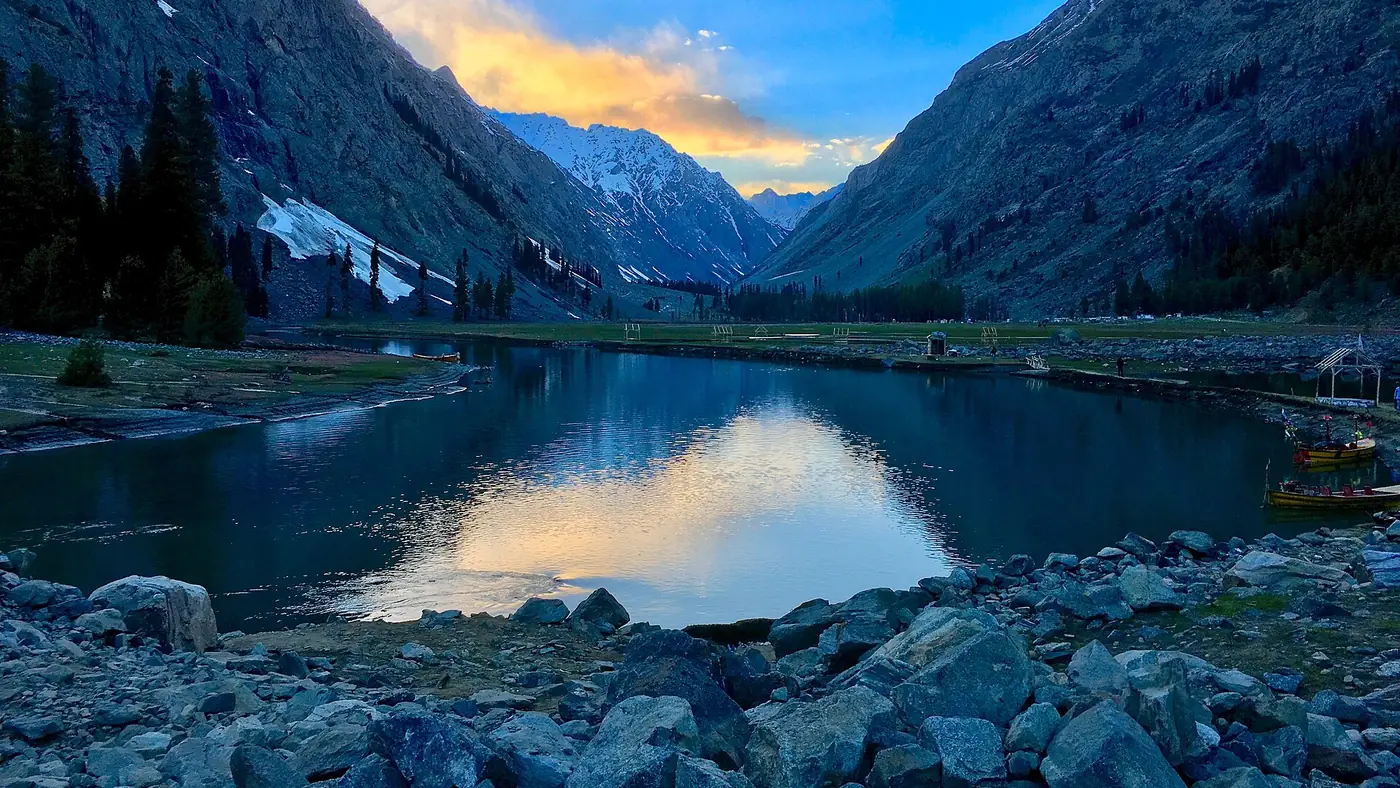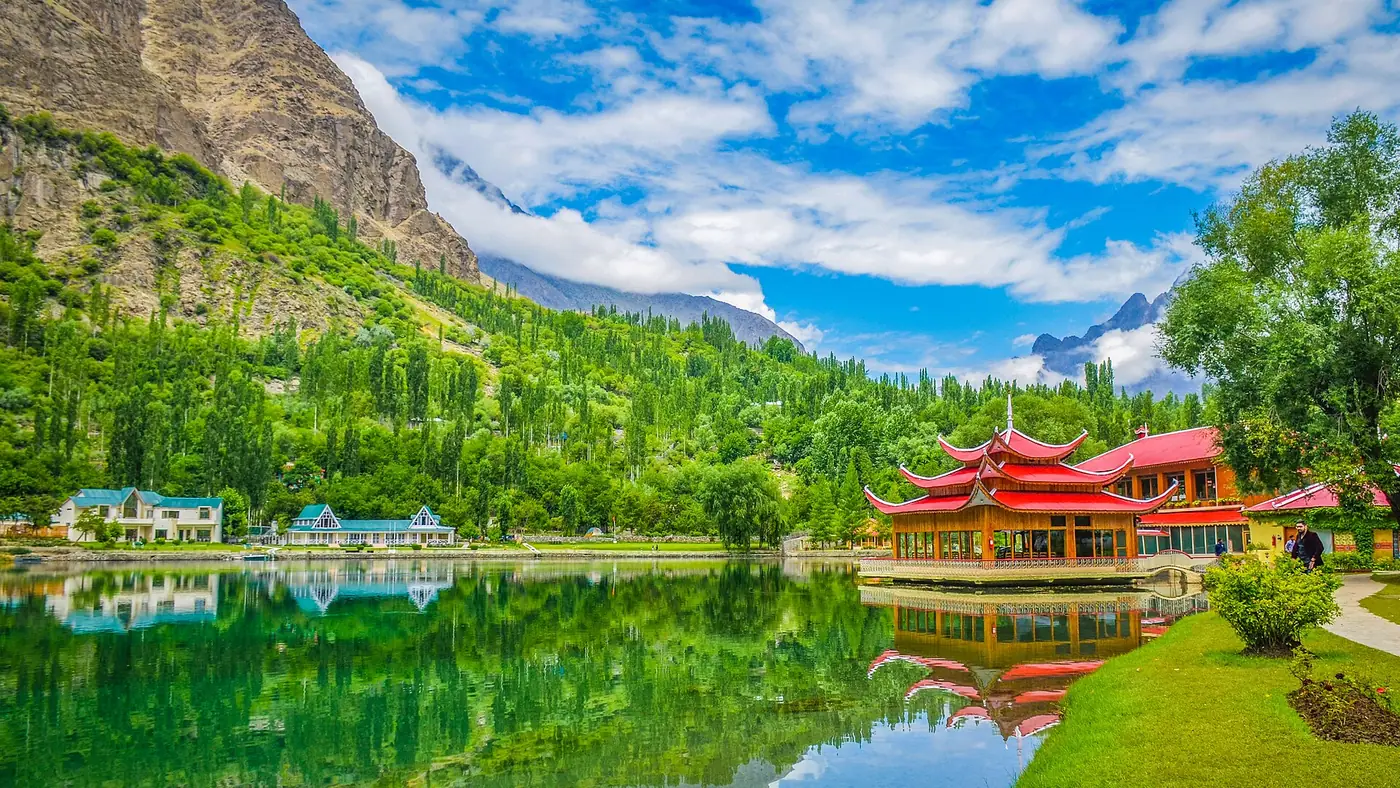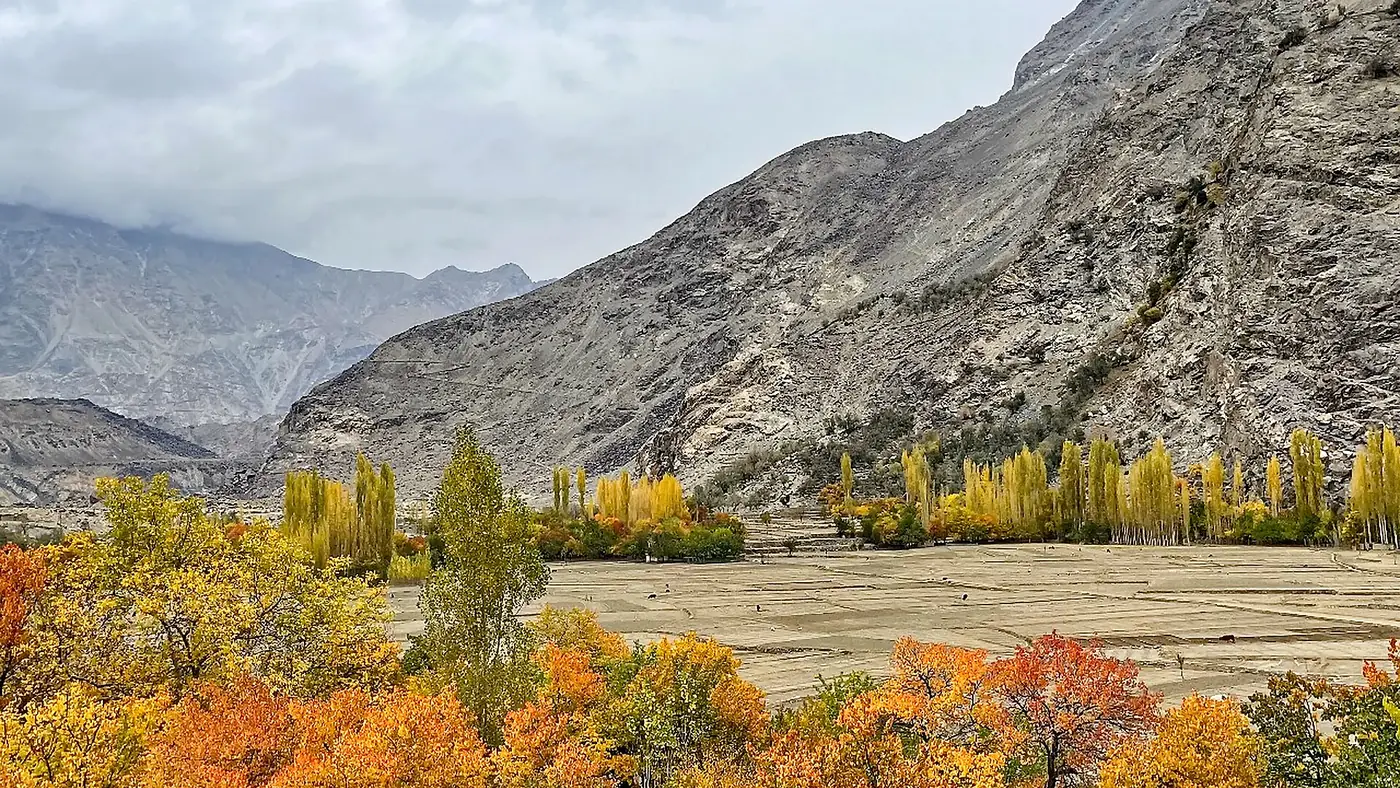
Chitral and Hunza are both mountain valleys reached from Islamabad by a long road or a short, weather-dependent flight, and both are built around a river and a highway rather than a single sight. Chitral is the more remote and culturally distinct of the two, home to the Kalash valleys and a landscape shaped by the Hindu Kush rather than the Karakoram. Hunza is better known, easier to reach in most seasons, and holds the forts, glaciers and high pass that most people picture when they think of northern Pakistan.
This guide compares access, culture, scenery, days needed and budget, and covers a route and safety difference between the two that is worth knowing before you book.
| At a glance | Chitral | Hunza |
|---|---|---|
| Where | Hindu Kush, Khyber Pakhtunkhwa | Karakoram Highway, Gilgit-Baltistan |
| From Islamabad by road | About 500 km via Chakdara and the Lowari Tunnel, 11 to 12 hours | 650 to 700 km, two days |
| By air | PIA flights, currently limited and weather-dependent | Flights to Gilgit, then a 2 to 3 hour drive |
| Base altitude | Chitral town, about 1,490 m | Karimabad, about 2,500 m |
| Days needed | 5 to 7 | 7 or more |
| Headline sights | The Kalash valleys, Chitral Fort, Shandur Pass | Baltit and Altit forts, Attabad Lake, Khunjerab Pass |
| Road access | Via the Lowari Tunnel, open all year | Karakoram Highway, open all year, weather permitting |
The short answer
Choose Chitral for a more distinct cultural trip: the Kalash valleys hold a community with their own language, religion and festivals found nowhere else in Pakistan, and the town itself sits under Tirich Mir in a landscape that feels apart from the rest of the north. Choose Hunza for the more complete and more accessible mountain trip: better roads, a longer stretch of the year when everything is open, and the forts, glacier valleys and Khunjerab Pass that make it the standard first trip to Gilgit-Baltistan. If you can only do one and access matters more than novelty, Hunza is the easier choice.
Getting there
Chitral is reached overland via the Swat Motorway to Chakdara, then the N-45 through Timergara and Dir town, and on through the Lowari Tunnel to Chitral, a route of roughly 500 km that commonly takes 11 to 12 hours. The tunnel, opened fully some years ago, made the route usable through winter, when the old Lowari Pass above it used to close with snow. PIA has also resumed flights on the Islamabad-Chitral route, a short hop of about an hour, though schedules are limited and, like all flights into mountain airports, subject to weather cancellation. Our Islamabad to Chitral by road and Islamabad to Chitral flight guides cover both in detail.
Hunza is roughly 650 to 700 km from Islamabad by the Karakoram Highway, 14 to 16 hours of driving typically split over two days with a night in Chilas, or a flight to Gilgit followed by a two to three hour drive up to Karimabad. Both routes are well established and used year-round by tour operators and independent travellers alike.
A route difference worth knowing
The overland route to Chitral passes through Lower Dir and Upper Dir. As of the UK government's Pakistan travel advice, updated in September 2026, it advises against all travel to both districts, as well as against all travel on the N-45 from Mardan to Chitral city, and against all travel to the Kalash valleys themselves. Chitral town is not separately listed, but reaching it overland from Islamabad currently means driving through districts that advisory covers. Flying avoids the road entirely, which is one reason to weigh a flight seriously for this particular trip, schedule and weather permitting.
Hunza's route up the Karakoram Highway is not on that list, and Gilgit-Baltistan as a whole is not among the areas the advisory covers. Pakistani visitors travel to Chitral and the Kalash valleys regularly, including by road, and the region's tourism industry is active. Anyone travelling from overseas should check their own government's current advice before booking, since it can affect travel insurance, and everyone should check recent local news and police guidance before setting out on either trip. Our is Chitral safe guide has more detail.
Culture: the Kalash valleys versus Hunza's forts and villages
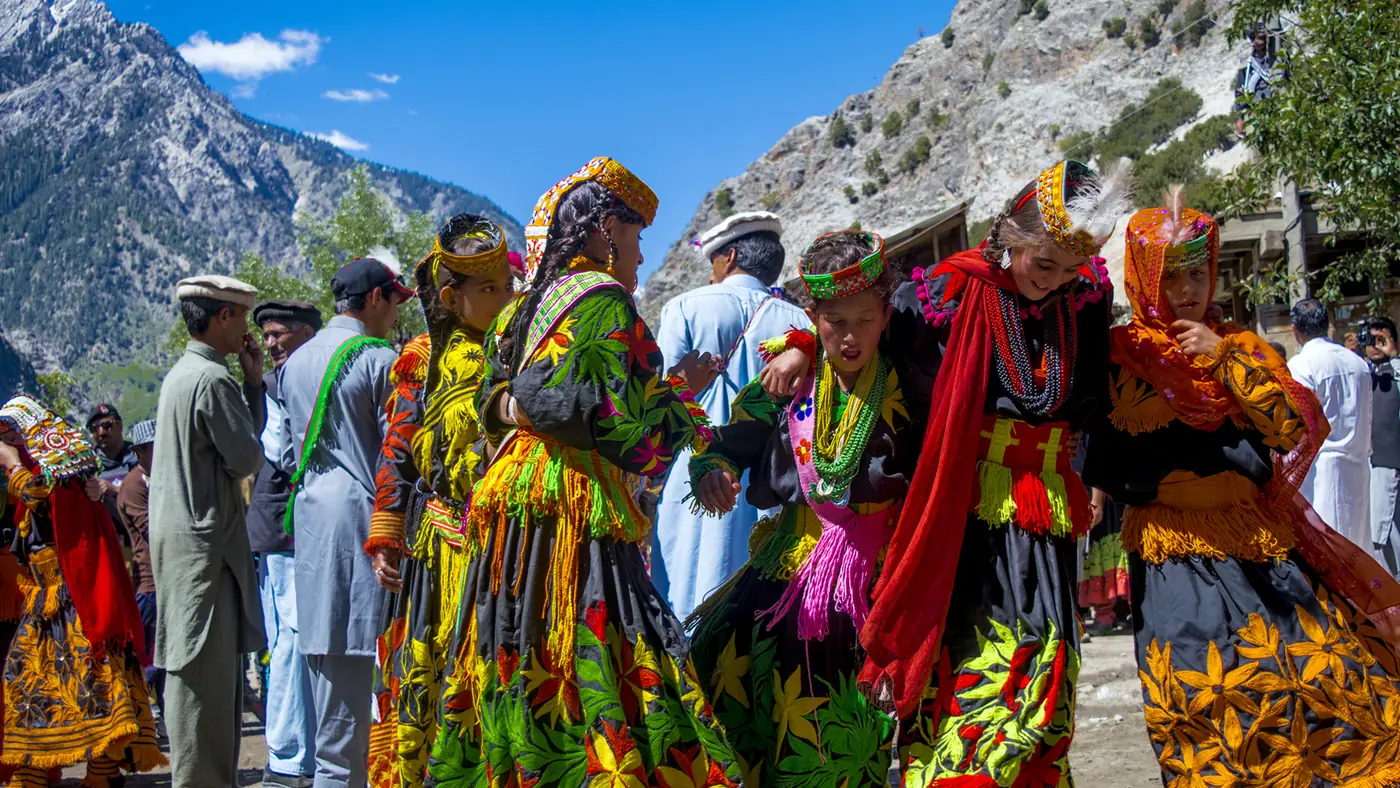
Chitral's defining feature is the Kalash valleys of Bumburet, Rumbur and Birir, reached by jeep from Chitral town, home to a small community with their own polytheistic religion, language and festival calendar, distinct from anywhere else in the country. Chitral town itself has its own fort and a mix of Khowar-speaking and Kho culture, and further afield the Shandur Pass hosts the annual polo festival at over 3,700 metres. See our Kalash Valley and how to reach Kalash Valley guides.
Hunza's culture is built around its forts and terraced villages. Baltit and Altit forts, both restored, sit above Karimabad and its irrigation channels and apricot orchards. Further north, the Wakhi villages of Gojal have their own language and a history tied to the old Silk Road trade that ran through the valley. It is a gentler, more visitable version of cultural distinctiveness than Chitral's, spread along a paved road rather than a jeep track.
Scenery
Chitral sits under Tirich Mir, at over 7,700 metres the highest peak in the Hindu Kush, and the valley around the town is broader and drier than Hunza's. Garam Chashma's hot springs and the drive over Shandur add variety for those with time. Hunza is narrower and more dramatic close to the road: Rakaposhi rises almost 6,000 metres straight from the highway near Ghulmet, and the Passu Cones and glaciers dominate the upper valley. Both are genuinely striking; Hunza's landscape is more visible from a car window, while Chitral's best scenery, including the Kalash valleys, needs a jeep and more time.
Days needed and cost
Chitral works well over five to seven days, allowing time for the long drive in, at least two days around the Kalash valleys, and a day or two in Chitral town and its surroundings. See our Chitral trip cost and Chitral itinerary guides for current figures.
Hunza needs at least a week to feel worthwhile once the two-day drive each way is accounted for, or five to six days if flying. See our Hunza trip cost guide for current figures. Both trips run to broadly similar nightly costs; the difference is mostly in fuel and the number of nights each itinerary needs.
Which should you pick?
- You want the most culturally distinct trip in the country: Chitral, for the Kalash valleys.
- You want the easier, more established mountain trip: Hunza.
- You're wary of the current road route through Dir: consider flying to Chitral, or choose Hunza.
- You want forts and glaciers within a short drive of your hotel: Hunza.
- You have a full week or more and want to combine both: possible via Shandur and Gilgit in summer, though it's a demanding route best planned well in advance.
- Budget and simplicity matter most: Hunza, for its shorter effective travel time by flight and its well-worn tourist infrastructure.
If Hunza is your pick, our nine-day Gilgit, Hunza and Khunjerab tour covers the valley from Gilgit to the Chinese border, and the Gilgit and Hunza destination guide has more on what to expect.
Frequently asked questions
Which is easier to reach, Chitral or Hunza?
Hunza, generally. Its road and flight routes are more established and not affected by the current travel advisory covering the districts the Chitral road passes through. Flying is the more comfortable option for Chitral if seats are available.
Is it safe to drive to Chitral right now?
The overland route passes through Lower and Upper Dir, districts the UK's current travel advice tells British nationals to avoid entirely, along with the Kalash valleys themselves. Pakistani visitors use this route regularly. Anyone travelling from overseas should check their own government's current advice and recent local news before deciding.
Can I fly to Chitral instead of driving?
Yes, PIA operates flights on the Islamabad-Chitral route, though schedules are limited and subject to weather cancellation, as with all mountain airports in Pakistan. Check current schedules before relying on it.
Which has better scenery, Chitral or Hunza?
Both are dramatic in different ways. Hunza's mountains and glaciers are visible from the main road; Chitral's best scenery, including the Kalash valleys, generally needs a jeep and more time to reach.
How many days do I need for Chitral?
Five to seven days is realistic once the long drive in and out is accounted for, allowing at least two days in the Kalash valleys and time in Chitral town itself.