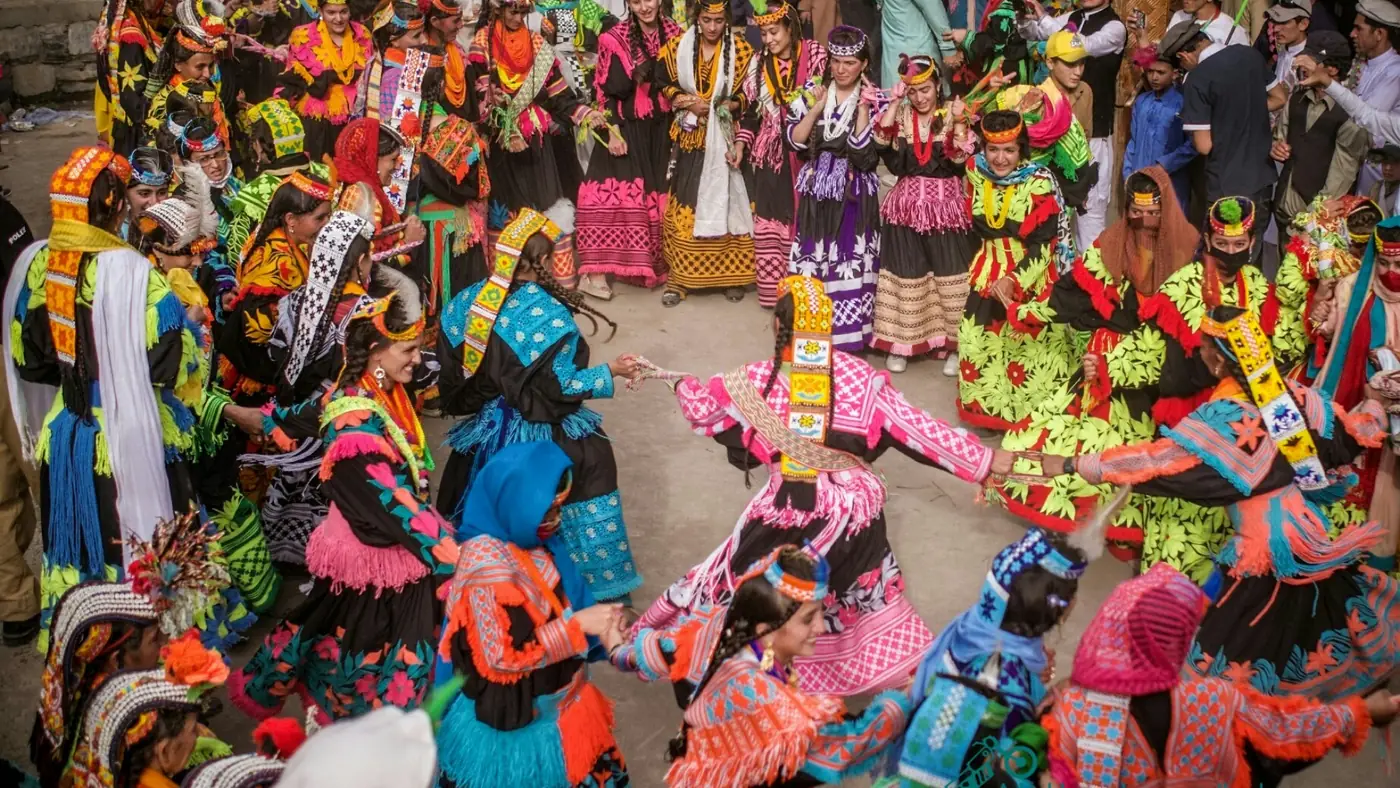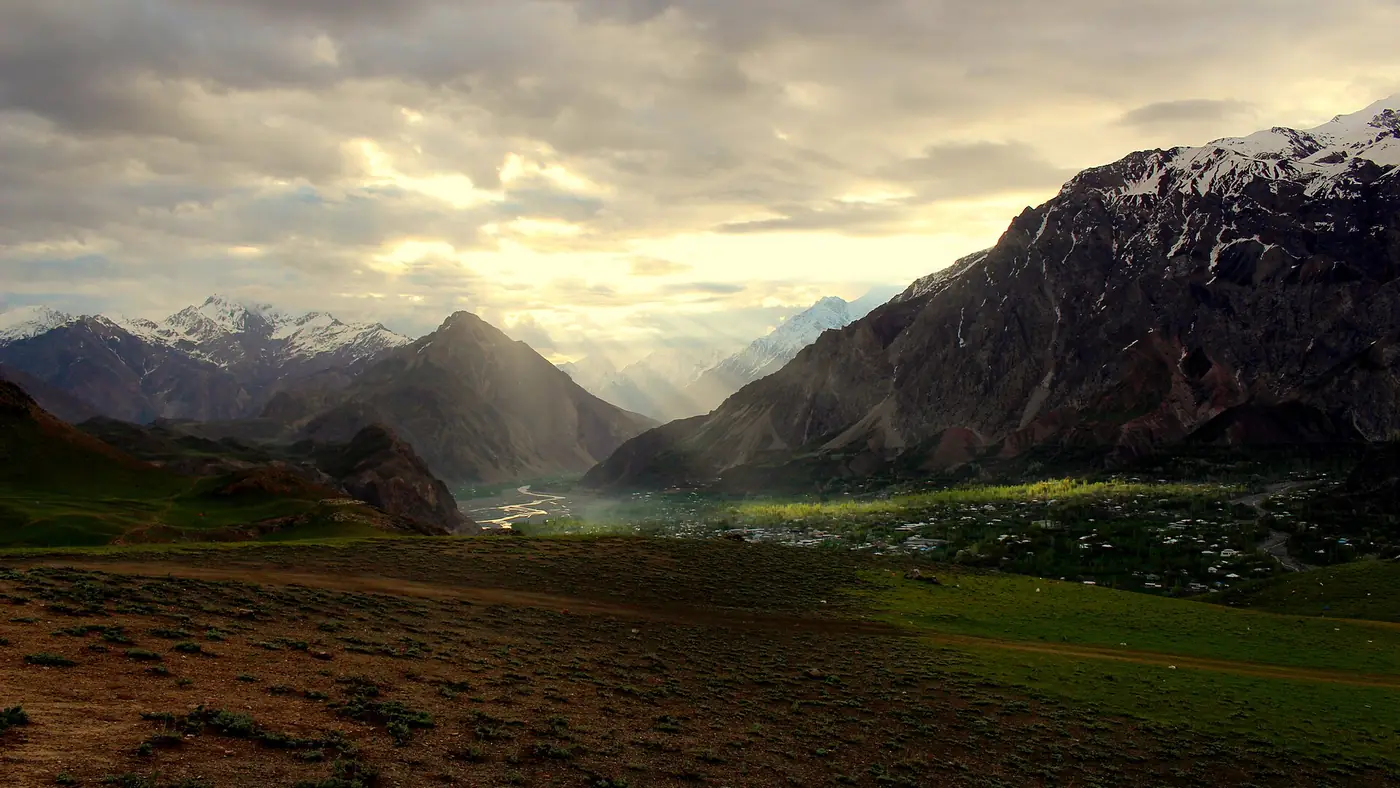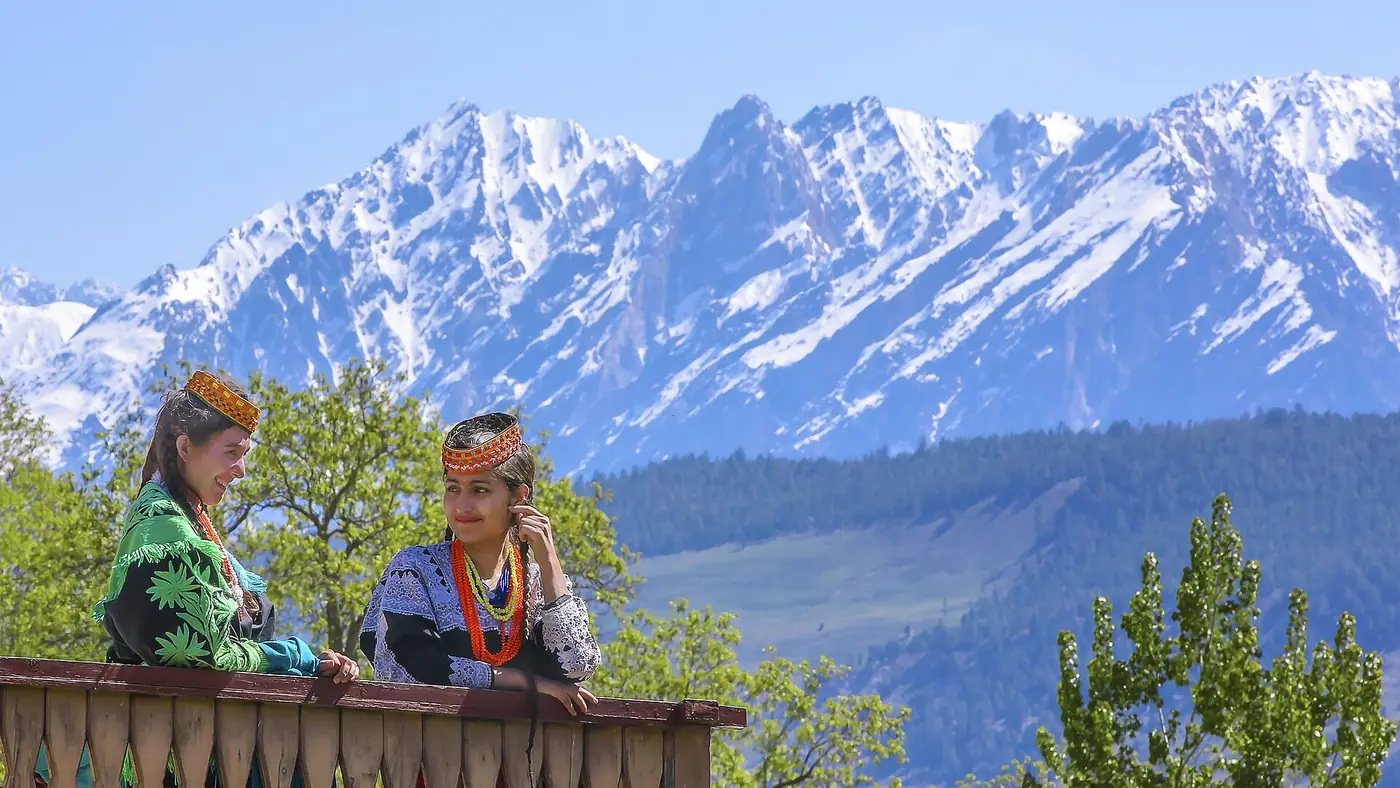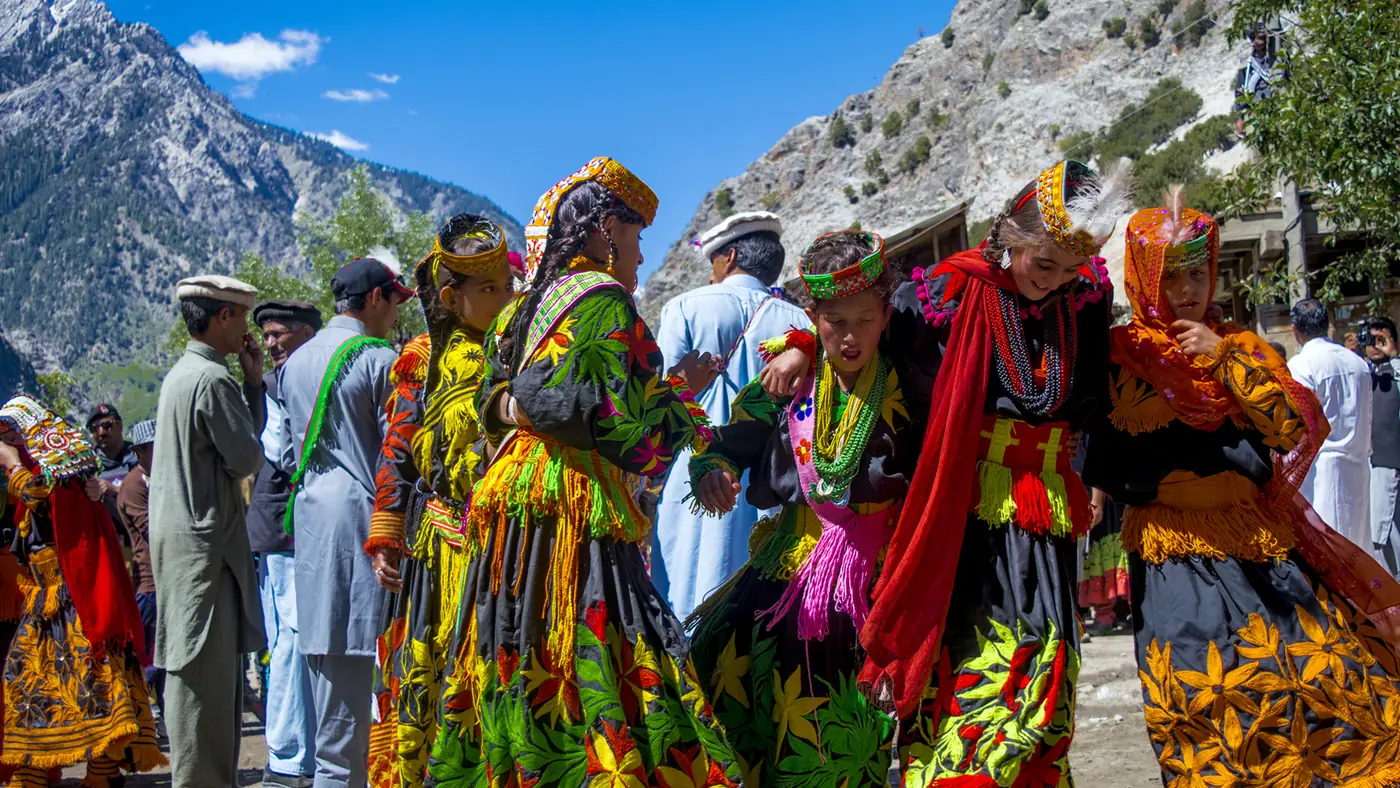
Chitral culture is, for most of the district, Kho culture: the Khowar language, a music built around the long-necked Chitrali sitar, and a form of polo played with almost no rules. The Kalash of Bumburet, Rumbur and Birir are the part of Chitral most visitors have heard of, but they are a small community inside a much larger Kho majority, and the two cultures are different in language, religion and daily life.
This guide covers the Kho people, their language and music, the local style of polo, and how to behave as a guest in a Chitrali home or village. For the Kalasha specifically, see our guide to Kalash culture.
Who are the Kho people?
The Kho, or Chitralis, are the majority community of Chitral, with roughly 800,000 people across the district and smaller numbers over the border in Gilgit-Baltistan and in Afghanistan's Chitral-facing valleys. Most are Hanafi Sunni Muslims, though Upper Chitral has a large Ismaili population, and both communities share the same Khowar language and much of the same everyday culture.
Chitral was a princely state until 1969, ruled by the Katore dynasty from the fort in Chitral town, and that history still shapes local pride: the fort, the Shahi Mosque built by a ruling mehtar, and family names that trace back to the old court. Our guide to places to visit in Chitral covers the fort and mosque in more detail.
The Khowar language
Khowar is the mother tongue of the Kho, an Indo-Aryan language in the Dardic family with a few hundred thousand speakers, most of them in Chitral. Linguists rate it as one of the more conservative languages of the region, keeping grammatical features that have disappeared from Urdu and Hindi. Most Chitralis also speak Urdu, and English is common in the town among younger people and those working in tourism, so a visitor needs neither.
You will hear Khowar in shops, on the radio and in the folk songs sung at weddings and gatherings, which draw on centuries of poetry about the mountains, love and loss.
Music and the Chitrali sitar
The instrument most associated with Chitral is the Chitrali sitar, a long-necked lute carved from mulberry wood, unrelated to the classical Indian sitar despite the shared name. It has five strings in three courses, with the melody fretted on the top two, and takes an experienced maker two to three weeks to build. It is usually played alongside the surnai (a reed instrument) and the dool, a pair of hand drums, and the style differs across the district: slower and more reflective in Upper Chitral, faster and livelier lower down.
Live music turns up at weddings, at the Hujra (the traditional men's guesthouse found in most villages) and increasingly at hotels in Chitral town and Bumburet that host an evening of music for guests. If you get the chance to hear a sitar player, take it; the instrument and the people who can still make and play it well are becoming rarer.
Freestyle polo
Polo is the sport Chitral shares with Gilgit-Baltistan, and it is not the polo played elsewhere. The local, "freestyle" version has no umpire, no fixed number of players and very few written rules; the aim is simply to get the ball between the posts, and horse-to-horse collisions are part of the game rather than a foul. It is one of only two places in the world where this form survives, the other being Gilgit-Baltistan.
The best-known match is the annual Shandur Polo Festival, held on the plateau between Chitral and Gilgit-Baltistan, but smaller matches are played through the summer at the polo ground in Chitral town and at village grounds across the district, usually announced locally rather than advertised online. Ask at your hotel if anything is on while you are there.
Dress and everyday customs
Shalwar kameez is standard dress for men and women, and the Chitrali cap, or pakol, the rolled woollen cap seen across the region, is worn by men of all ages. In the villages, life still runs around the Hujra for men and around household and farm work for women, and agriculture (wheat, maize, fruit orchards) sets the rhythm of the year alongside herding on the high pastures in summer.
Chitral has a strong tradition of hospitality toward guests, and a visitor who is polite and unhurried will generally be offered tea before anything else happens.
Etiquette for visitors
- Dress modestly. Loose, covering clothing is expected for both men and women, more so in villages than in Chitral town itself.
- Ask before photographing people, especially women, exactly as you would in the Kalash valleys.
- Greet with "Assalam-o-Alaikum" and expect it back; a little effort with basic Khowar greetings is noticed and appreciated.
- Remove your shoes when invited into a home, and accept tea if it is offered; it is part of how hospitality works here, not an imposition.
- Friday prayers slow down shops and offices in town for a couple of hours at midday; plan around it rather than against it.
- Alcohol is not sold locally and is not something to bring into villages or guesthouses.
Frequently asked questions
What language do people speak in Chitral?
Most people speak Khowar as a first language, with Urdu as a common second language and English understood in the town, particularly among people working in tourism.
Are the Kalash and the Kho the same people?
No. The Kalasha are a distinct, much smaller community with their own pre-Islamic religion, language and festivals, living in three valleys south-west of Chitral town. The Kho are the Muslim majority across the rest of the district, with their own separate language, Khowar, and customs.
Is Chitrali polo the same as normal polo?
No. Chitrali and Gilgit-Baltistani freestyle polo has no umpire and very few rules, played with unlimited substitutions and frequent physical contact between horses. It survives only in this region.
Can visitors watch a polo match outside the Shandur festival?
Yes, matches are played through summer at the ground in Chitral town and at village grounds, though not on a fixed published schedule. Ask locally when you arrive.
What should I wear when visiting a village in Chitral?
Loose, modest clothing that covers the arms and legs, for both men and women. A scarf is useful for women in more conservative villages.
Is Chitral safe for overseas visitors?
Pakistani tourists visit Chitral throughout the season, but as of September 2026 the UK government advises against all travel on the N45 from Mardan to Chitral city, which is the main road in through Dir and the Lowari Tunnel, and within 10 miles of the Afghan border. If you hold a foreign passport, check your own government's advice before you go, because travelling against it can void your insurance. Everyone should check local news and current police advice before setting out.