The Shandur Polo Festival is a three-day freestyle polo tournament between Chitral and Gilgit-Baltistan, played at about 3,700 metres on the Shandur Pass. It was held on 7 to 9 July for many years, but recent editions have been in June, on 20 to 22 June in 2025 and 11 to 13 June in 2026, so wait for the announced dates before you book anything. Getting there is a long day's drive from Chitral or Gilgit, and most visitors either camp at the ground or stay lower down in Mastuj and the Laspur valley.
It is one of the great sporting events in the country and one of the least comfortable to attend. This guide covers when it happens, how to get there, where to sleep, and what to expect when you arrive.
| At a glance | |
|---|---|
| Where | Shandur Pass, between Upper Chitral and Ghizer in Gilgit-Baltistan |
| Altitude | About 3,700 metres at the polo ground |
| Dates | Traditionally 7 to 9 July; 20 to 22 June in 2025; 11 to 13 June in 2026 |
| From Chitral | About 160 km via Booni and Mastuj, 6 to 8 hours |
| From Gilgit | About 210 km via Gupis and Phander, a full day |
| Where to stay | The tent village at Shandur, or Mastuj and the Laspur valley |
| Weather | Strong sun by day, cold nights, wind at any time |
| Organised by | The governments of Khyber Pakhtunkhwa and Gilgit-Baltistan |
When is the Shandur Polo Festival?
Polo has been played on Shandur since the 1930s, and the festival in its current form has run since the 1980s. For most of that time it was held on 7 to 9 July, and many websites still give those dates.
Recent editions have moved earlier, largely to avoid clashing with Muharram. The 2025 festival ran from 20 to 22 June, and the 2026 festival from 11 to 13 June. Because Muharram moves about 11 days earlier each year, the dates will keep shifting, and they are fixed each year by the two governments rather than by any standing rule.
Dates are usually confirmed a few weeks ahead. Watch the announcements from the Gilgit-Baltistan tourism department and the Khyber Pakhtunkhwa government from April onwards, and don't book non-refundable travel on the old July dates.
What happens over the three days
Teams from Chitral and Gilgit-Baltistan are picked through preliminary matches at home, and each side brings several teams to Shandur. The first two days are for the qualifying and local matches: in 2026 the opening day included Laspur against Ghizer and Yasin against Mastuj. The last day is the final between the leading teams from each side, and it draws the biggest crowd. In 2025 the final went to extra time, with Chitral beating Gilgit-Baltistan 9–8.
The polo itself is the old mountain game, not the version you see on television:
- Six players a side, with reserves.
- About an hour per match, in two halves with a short break.
- Freestyle rules, which means very few of them. Riders barge, hook and chase at full gallop.
- A narrow ground walled with low stone walls instead of boards, so the crowd is close to the action.
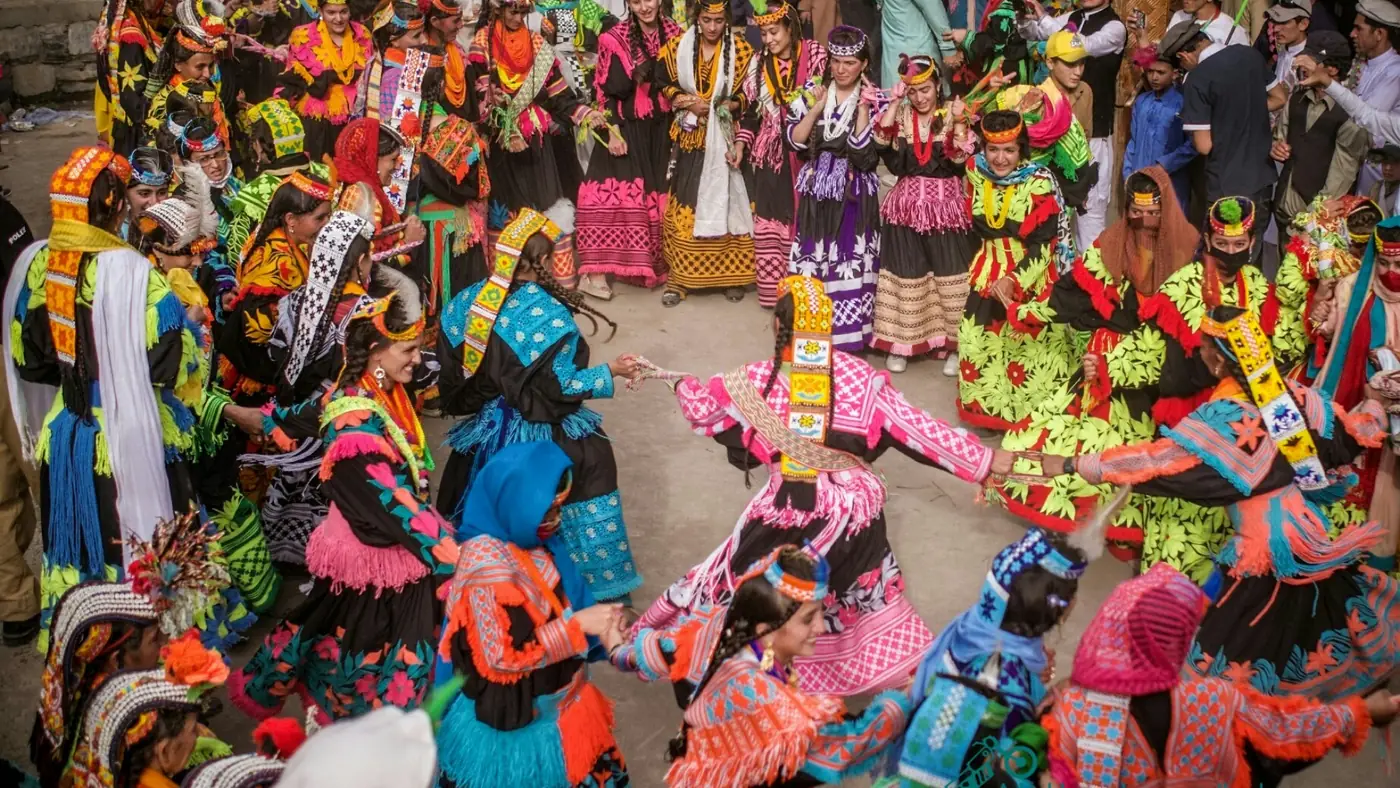
Between matches there is folk music, cultural shows and, in recent years, paragliding displays over the ground. The mood swings between a village fair and a cup final, and the rivalry between Chitral and Gilgit is real.
Getting to Shandur
From Chitral
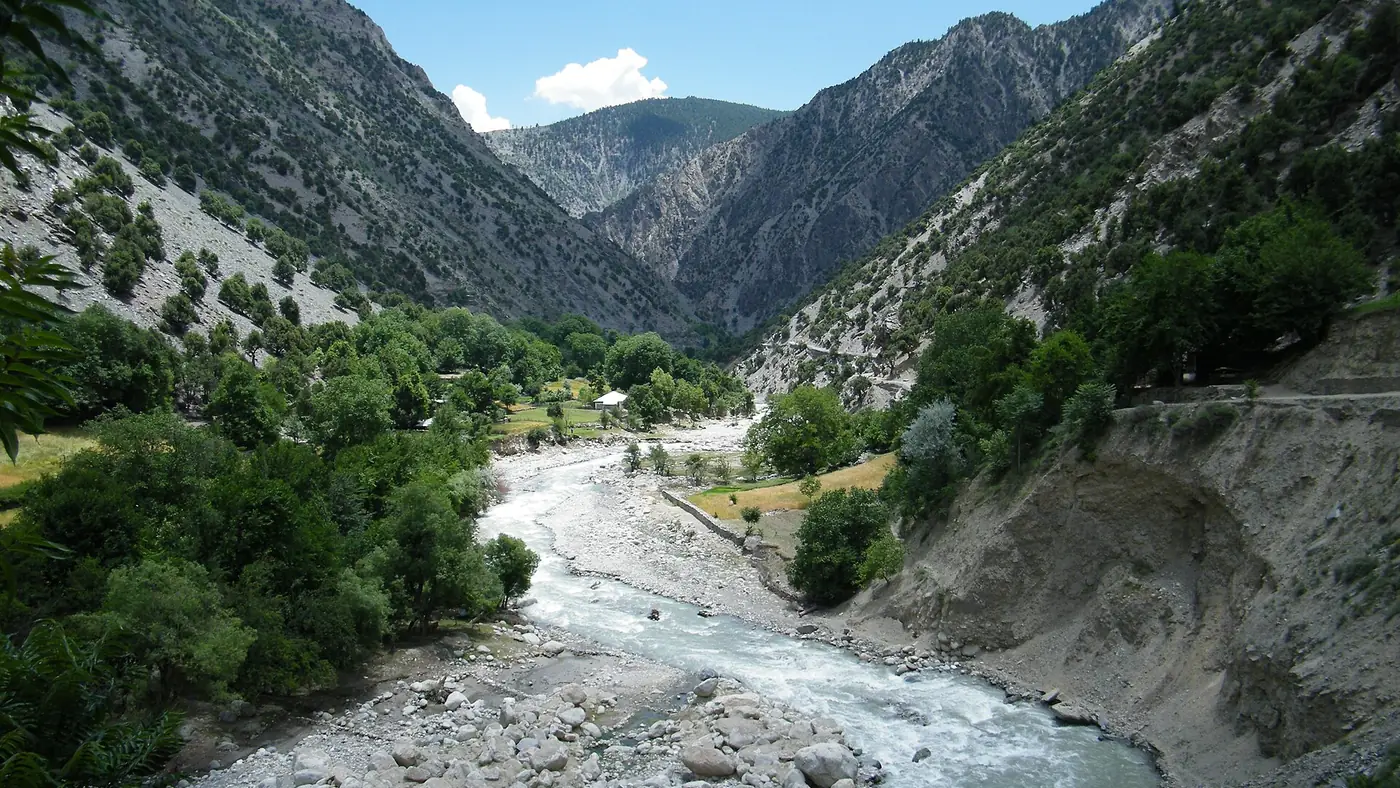
The road runs north from Chitral town up the Chitral river through Booni to Mastuj, then turns into the Laspur valley through Harchin and Sor Laspur and climbs to the pass. It is roughly 160 km, and six to eight hours is a fair allowance on a normal day. On festival days, with hundreds of vehicles on a single road, it can take longer.
The whole road is being rebuilt as a national highway, with completion targeted for December 2026. Before the 2026 festival, the Upper Chitral administration ordered emergency repairs on the Shandur road, which tells you something about its state. Expect roadworks, dust and rough sections, and use a local jeep or a high-clearance vehicle with a driver who knows the road beyond Mastuj.
If you are coming from Islamabad, it makes sense to spend a night in Chitral town first. Our guide to the drive from Islamabad to Chitral by road covers that leg.
From Gilgit
From Gilgit the road follows the Ghizer river west through Gupis and Phander to the pass, about 210 km. Phander alone is around five hours from Gilgit, so allow a full day, or break the journey with a night in the Phander valley. Our Gilgit and Hunza page covers the Gilgit end of the trip.
Some travellers make Shandur the middle of a crossing, arriving from one side and leaving by the other. That works well, but settle the vehicle and the night on the far side before you set off, because festival week is no time to be arranging either at the pass.
Where to stay
The tent village at Shandur
A tent village goes up on the pass for the festival, with camps run by the administration, tour operators and private groups. Staying on the ground puts you right at the matches and saves the drive every morning. The price is comfort: in 2026 local residents complained publicly about traffic jams, poor sanitation, a shortage of drinking water and seating, and tents pitched among grazing cattle.
If you camp independently, bring your own tent and a sleeping bag rated well below freezing, and pitch well away from the ground where it is quieter.
Mastuj and the Laspur valley
Mastuj, at about 2,360 metres, is the most comfortable base. Hindukush Heights runs glamping tents and chalets beside the old fort there, listed on its website in 2026 at about PKR 7,500 to 11,500 a night for a tent and PKR 19,500 to 27,500 for a chalet. There are also simpler hotels in Mastuj, Harchin and Sor Laspur. All of them fill for festival week, so book early, and expect a drive of two hours or more to the ground each morning.
Rooms are scarce enough that for the 2026 festival the administration offered government schools between Green Lasht and Sor Laspur as emergency lodging. If you can't find a room, don't drive up hoping to; arrange a camp or change your dates.
What it is really like on the ground
The altitude. Most people drive up from Chitral at about 1,500 metres to the pass at 3,700 in a single day, which is a big jump. Expect breathlessness and perhaps a headache. Drink water, move slowly, and if anyone develops a bad headache, nausea or confusion, take them down to Mastuj. Our travel guide has more on altitude in the north.
The weather. The sun is fierce in the middle of the day and the nights are cold, even in June. Wind can pick up at any time and it carries dust off the plateau.
The crowds. Thousands of people come, and on the final day the stands fill early. Arrive in the morning for a place along the ground, and keep your group together.
The facilities. Toilets, water and seating are limited, and have been criticised for years. Rescue 1122 and health teams are posted at the festival for emergencies.
Signal. Expect little or none. Agree meeting points and times in advance.
What to carry
- Warm layers, a windproof jacket, a hat and gloves
- A good sleeping bag and mat if you are camping
- Sunglasses, sunscreen and a hat for the day
- Drinking water and snacks, more than you think you need
- Cash for food, fuel and camps; don't rely on cards or ATMs beyond Chitral
- A torch, toilet paper and bags to carry your rubbish down
- Any regular medication, and something for headaches
- Your CNIC; foreign nationals, passport and visa with copies
Is the Shandur festival worth it?
For anyone who loves polo, horses or big occasions, yes. There is nothing else like three days of freestyle polo at 3,700 metres with the whole of Chitral and Gilgit watching, and the drive through the Laspur valley is superb.
It is a poor choice for young children, older parents or anyone who needs a proper bed and bathroom every night. The combination of altitude, cold, crowds and thin facilities is hard work. For them, Chitral town's own polo ground has matches through the season, especially from May to July, and the Kalash valleys make a gentler trip.
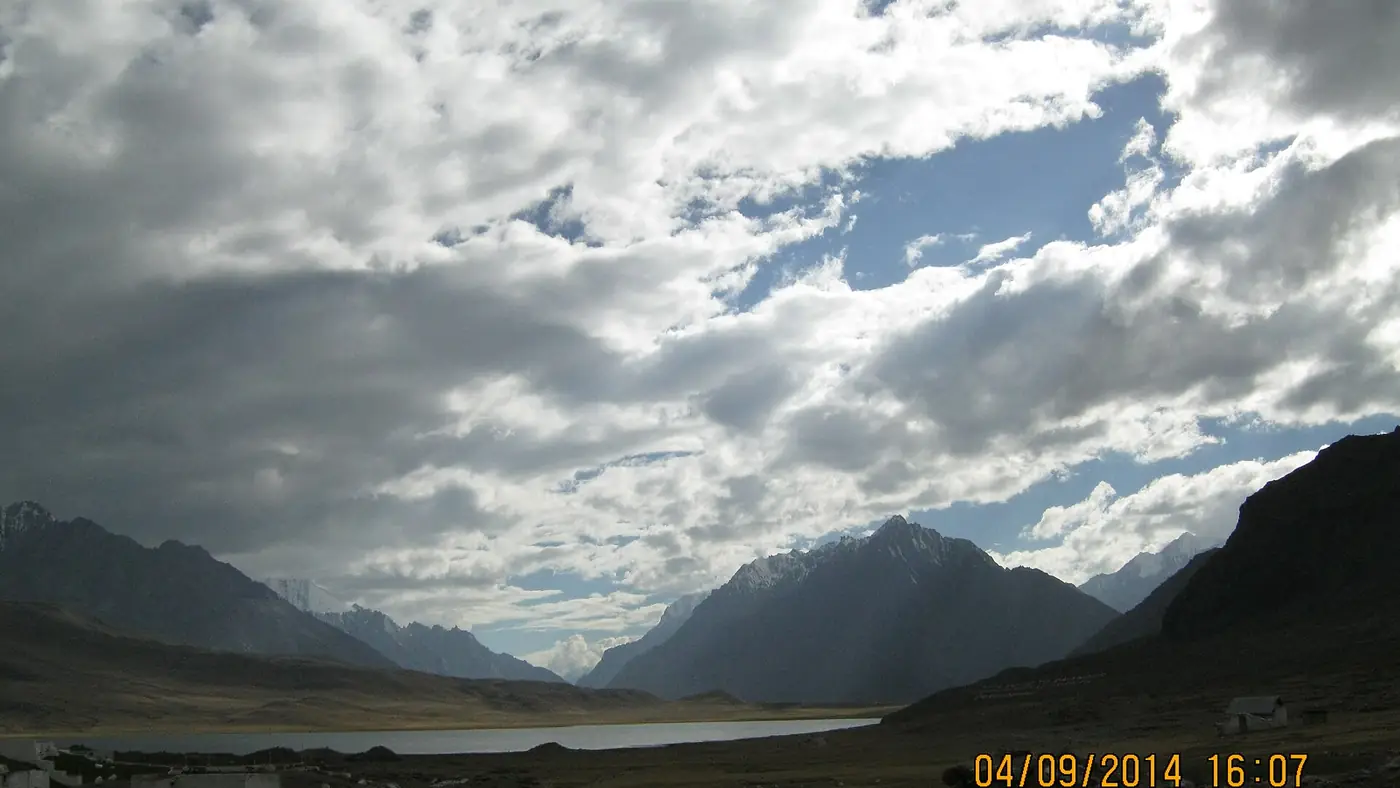
A good alternative is to see Shandur outside festival week. The pass is usually open from about June to October, and in July or September you will have the lake and the ground almost to yourself. Our list of places to visit in Chitral puts Shandur in the context of Upper Chitral, and our planning page explains how we build spare days into trips like this.
Frequently asked questions
When is the Shandur Polo Festival 2027?
Not announced yet. It was traditionally held on 7 to 9 July, but the last two editions were in June, so wait for the official dates from the KP and Gilgit-Baltistan governments, usually a few weeks ahead.
Where is Shandur?
On the pass between Upper Chitral in Khyber Pakhtunkhwa and the Ghizer valley in Gilgit-Baltistan. The polo ground is at about 3,700 metres, described as the highest in the world.
How do I get to Shandur from Chitral?
By road through Booni, Mastuj and the Laspur valley, about 160 km and six to eight hours. A jeep or high-clearance vehicle is the sensible choice while the road is being rebuilt.
Where do people stay during the Shandur festival?
In the tent village on the pass, or in hotels and camps in Mastuj and the Laspur valley. Everything fills for festival week, so book well ahead.
Is Shandur suitable for families?
For families with older children who are happy camping in the cold, yes. With toddlers or elderly parents, the altitude, crowds and basic facilities make it a hard trip.
How cold is Shandur in June and July?
Days can be warm in the sun, but nights are cold at 3,700 metres, and wind makes it feel colder. Pack as you would for winter in the plains.