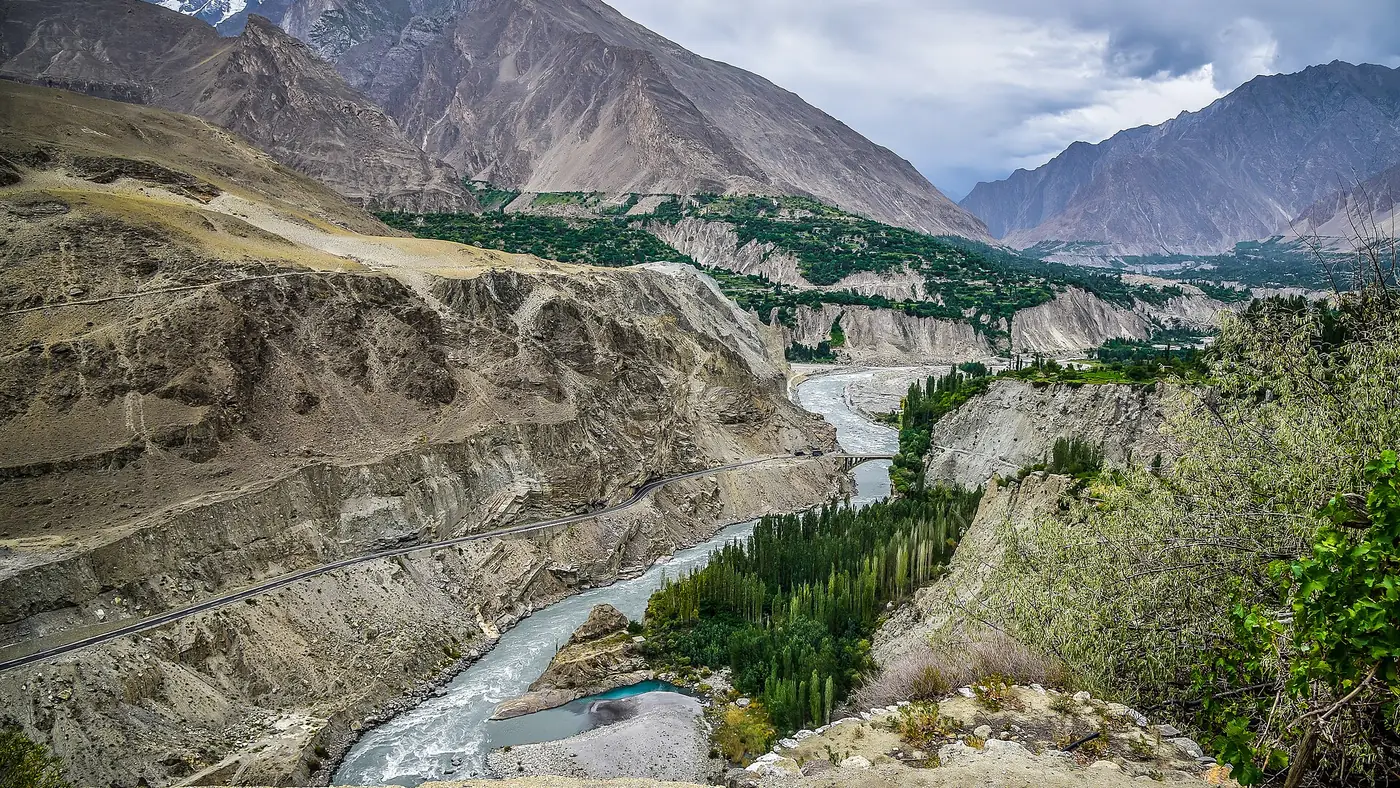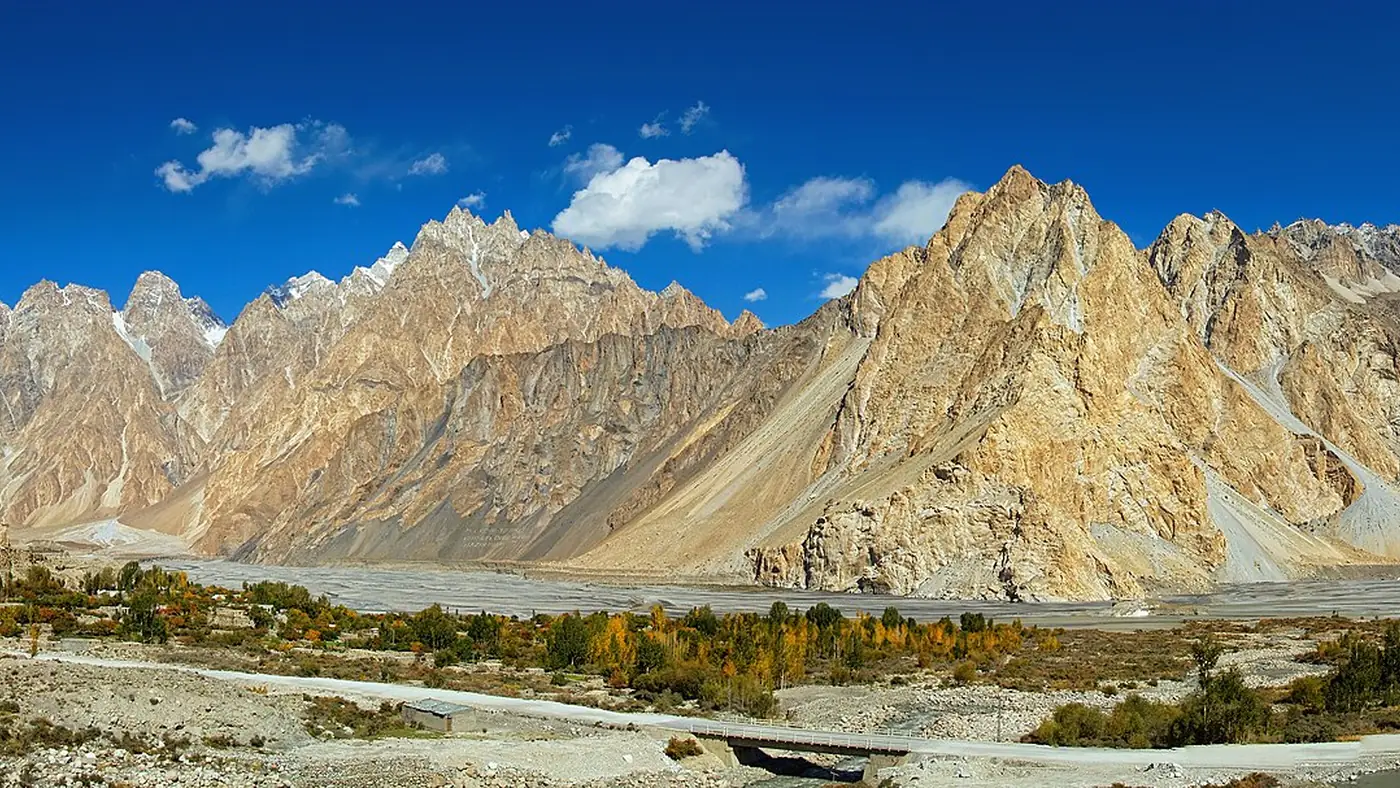
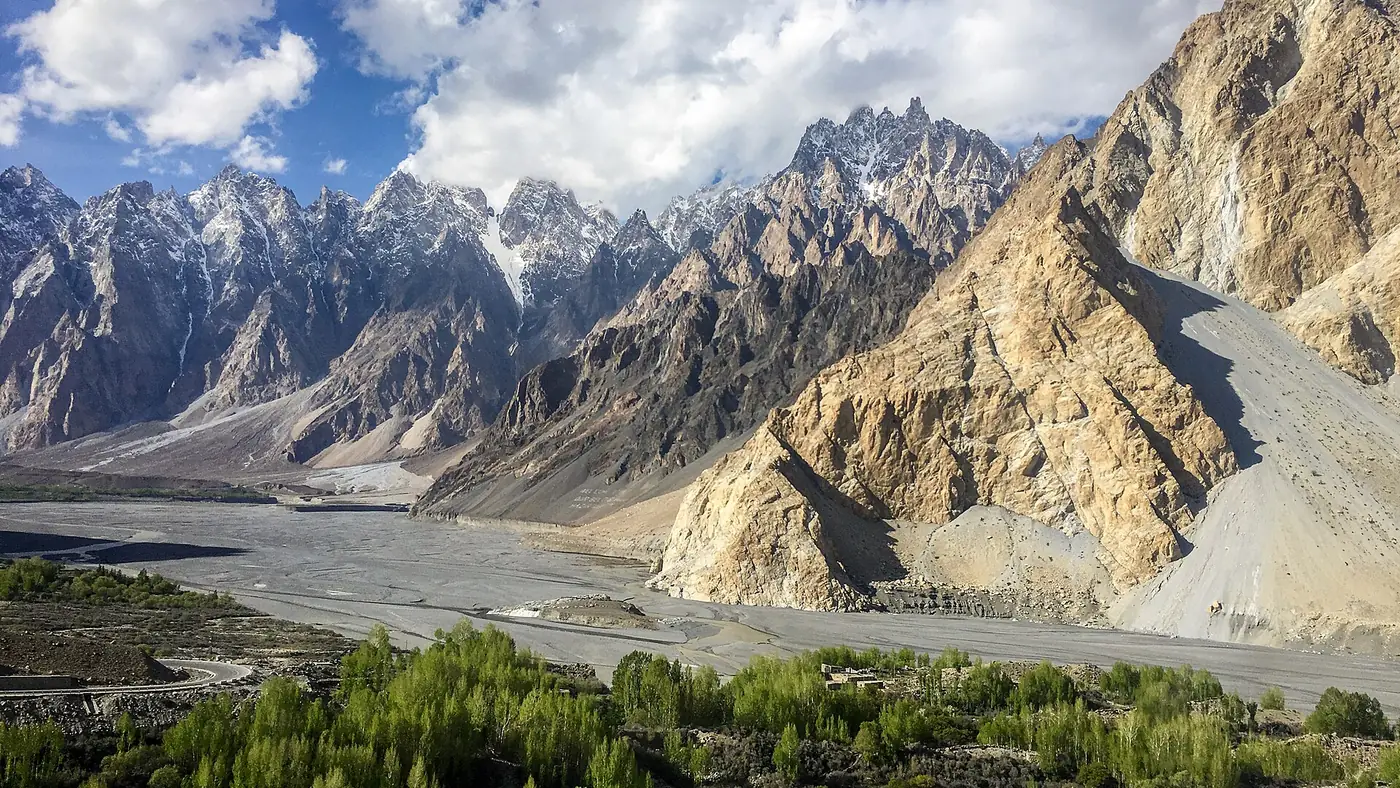
Camping across the northern areas is possible almost everywhere people go, but the rules and the practicalities differ by province, and open land rarely belongs to nobody. In Gilgit-Baltistan, camping is meant to be in designated areas with a permit from the tourism department; in Khyber Pakhtunkhwa's valleys such as Kalam, Kumrat and Naran, it runs mostly through hotels, forest checkpoints and local arrangement; in Azad Kashmir's Neelum valley, camping grounds around lakes such as Ratti Gali are organised locally, with kitchen camps and tent hire on site. In every region, a hotel, guesthouse or guide who knows the current local rules will save you turning up with a tent and nowhere to pitch it.
This guide compares the regions, points you to the detailed guide for each, and covers the weather, safety and leave-no-trace habits that apply wherever you camp.
| Region | Typical arrangement | Season | Detailed guide |
|---|---|---|---|
| Fairy Meadows, GB | Lodge camping grounds | June to September | Camping in Fairy Meadows |
| Hunza, GB | Village pasture, hotel tents, guides | June to September | Camping in Hunza |
| Deosai, GB | Day visits only; overnight camping banned since 2025 | July and August | Camping in Deosai |
| Gilgit-Baltistan generally | Tourism department permit, designated areas | June to September | Camping in Gilgit-Baltistan |
| Kalam, KP | Hotel grounds, local arrangement | May to September | Camping in Kalam |
| Kumrat valley, KP | Riverside camps, local arrangement | May to October | Camping in Kumrat |
| Naran and the Kaghan valley, KP | Hotel grounds, lakeside camps | June to September | Camping in Naran |
| Neelum valley, AJK | Lakeside camps, tent hire at Ratti Gali | June to September | Camping in the Neelum valley |
Why the rules differ by province
There is no single national camping law covering the northern areas, and that catches out visitors who assume one region's rules apply everywhere.
- Gilgit-Baltistan. The tourism department's guidance is that camping is allowed in designated camping areas, with a permit obtained beforehand, and that Leave No Trace principles are mandatory. In practice this is easiest to arrange through a hotel, guesthouse or guide, who already knows which pastures, lakesides and meadows are open and deals with the paperwork.
- Khyber Pakhtunkhwa. Forest land in valleys such as Kalam, Kumrat and Naran is managed by the provincial forest department, and much of the ground campers use belongs to villages or hotels rather than being open land. There is no single published permit process for casual tourist camping in the way Gilgit-Baltistan has one; the working arrangement is to camp through a hotel's grounds or a recognised riverside site, and to follow any forest checkpoint's instructions.
- Azad Kashmir. Around Neelum valley sites such as Ratti Gali, camping is organised locally: kitchen camps rent tents and serve food at the lake, and hotels in villages such as Kel and Sharda can arrange gear and permission further down the valley. Foreign nationals need an NOC from the AJK Home Department to enter the valley at all, arranged before travelling.
Whichever region you are in, ask locally before you pitch, rather than assume a patch of grass is free to use because nobody is standing on it.
Choosing where to camp
Each detailed guide above covers its region fully; broadly:
- For the biggest mountain view for the least effort, Fairy Meadows' lodge camping grounds put you under Nanga Parbat with a toilet and hot food a few steps away.
- For variety in one valley, Hunza has village pastures such as Ultar Meadow, lakeside tent rooms at Attabad, and trekking camps above Passu, each suited to a different kind of trip.
- For alpine meadows and rivers without the long drive north, Kalam, Kumrat and Naran in Khyber Pakhtunkhwa are within a day's drive of Islamabad and Lahore, with riverside and forest camping arranged through local hotels.
- For a high-altitude lake, Ratti Gali in the Neelum valley is reached by jeep and a short walk, with kitchen camps for those who would rather hire a tent than carry one.
- Deosai is now a day trip, not a campsite. Overnight camping on the plateau was banned in 2025, so plan it as a long day from Skardu rather than a night under canvas.
Weather to plan around
Camping season across the north runs roughly June to September everywhere, but the risks within that window differ by region. Gilgit-Baltistan's valleys sit in the rain shadow of the main Himalayan ranges and see relatively little monsoon rain, so the bigger risk there is cold, clear nights and glacier-fed streams that rise fast in the afternoon. Khyber Pakhtunkhwa's valleys, including Swat, Kalam and Kumrat, catch the monsoon fully from July to early September, which brings a real risk of flash flooding on rivers and streams; pitch well back from the water's edge and away from dry channels that could carry a sudden flow. On 27 June 2025, a family group on the bank of the Swat River near Mingora was swept away when the water rose suddenly, with at least nine people killed; it is a stark reminder that riverbanks and gravel bars are not safe places to camp or picnic in these valleys, whatever the weather looks like when you arrive.
Leave-no-trace basics for every site
A few habits matter wherever you pitch a tent in the north:
- Carry out every scrap of rubbish, including food waste. Litter along popular routes has become bad enough that local authorities have had to send clean-up teams to some trails in recent years.
- Don't cut wood or light open fires in forest areas; use a stove, or ask your lodge or campsite whether they can supply firewood.
- Keep soap and washing-up out of streams and lakes, and wash well back from the water.
- Use a toilet where one exists. Where there isn't one, go well away from water and paths.
- Don't feed or approach wildlife, and store food sealed rather than left outside a tent, since it draws animals and stray dogs.
- Pitch away from riverbanks, dry channels and steep slopes, for your own safety as much as the environment's.
Gear and hiring locally
You don't need to bring everything from home. Trekking and tour operators in Karimabad, Skardu, Kalam and along the Neelum valley rent tents, sleeping bags and mats, which is often lighter than flying gear up or driving it a full day. Whatever you hire, check the zips, poles and the sleeping bag's temperature rating before you leave town, since a bag rated for a city winter is not warm enough for a mountain night. If you're flying to Gilgit or Skardu, remember that gas canisters cannot go in checked luggage, so plan to buy fuel locally rather than pack it.
DIY camping, or a serviced site?
Camp with your own gear if you enjoy sleeping outside, have a sleeping bag and mat rated for near-freezing nights, and are comfortable arranging permission locally. It is the cheapest way to spend a night at altitude and, on a clear night under a place like Fairy Meadows or Ultar Meadow, hard to beat.
Book a serviced camp or a lodge tent if you are travelling with children or older relatives, are new to camping at altitude, or would simply rather not carry a tent up a jeep track. Lodge camping grounds at Fairy Meadows and kitchen camps at Ratti Gali both offer tents, bedding and food on site, which removes most of the planning above at a modest extra cost.
Our travel guide covers weather and altitude planning across the region in more depth, and if you'd like a trip that includes a night or two under canvas built in, tell us your dates and we'll suggest where it fits.
Frequently asked questions
Do I need a permit to camp in the northern areas?
It depends on the region. Gilgit-Baltistan's tourism department requires a permit for designated camping areas, usually arranged through a hotel or guide. Khyber Pakhtunkhwa and Azad Kashmir have no single published permit process for tourist camping; arrange it locally through a hotel, campsite or forest checkpoint instead.
Where is the easiest place to camp in the northern areas?
Fairy Meadows and the sites around Hunza in Gilgit-Baltistan have the most established lodge camping grounds, with toilets, food and gear hire on site. Ratti Gali in the Neelum valley is a similarly easy option for a high-altitude lake.
Can I still camp overnight on Deosai?
No. Overnight camping on the Deosai plateau was banned in 2025. Visit as a long day trip from Skardu instead.
Is it safe to camp beside a river in the northern areas?
Not on the riverbank itself. Glacier-fed rivers in Gilgit-Baltistan rise quickly in the afternoon, and monsoon rivers in Khyber Pakhtunkhwa can flood with little warning; pitch well back from the water and away from dry channels.
Can I hire camping gear once I arrive in the north?
Yes, in most of the main towns: Karimabad, Skardu, Kalam and along the Neelum valley all have operators who rent tents, sleeping bags and mats. Check the gear and the bag's temperature rating before you leave town.