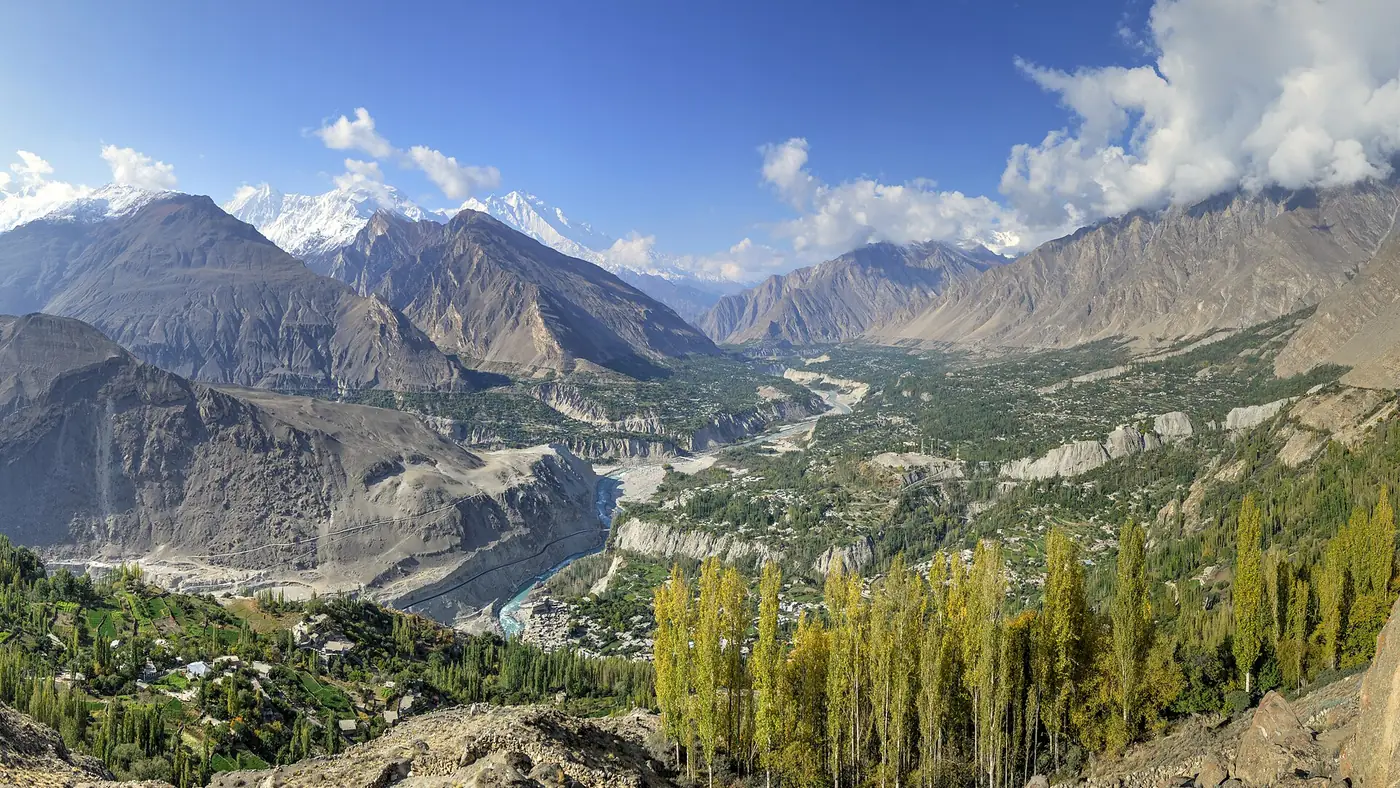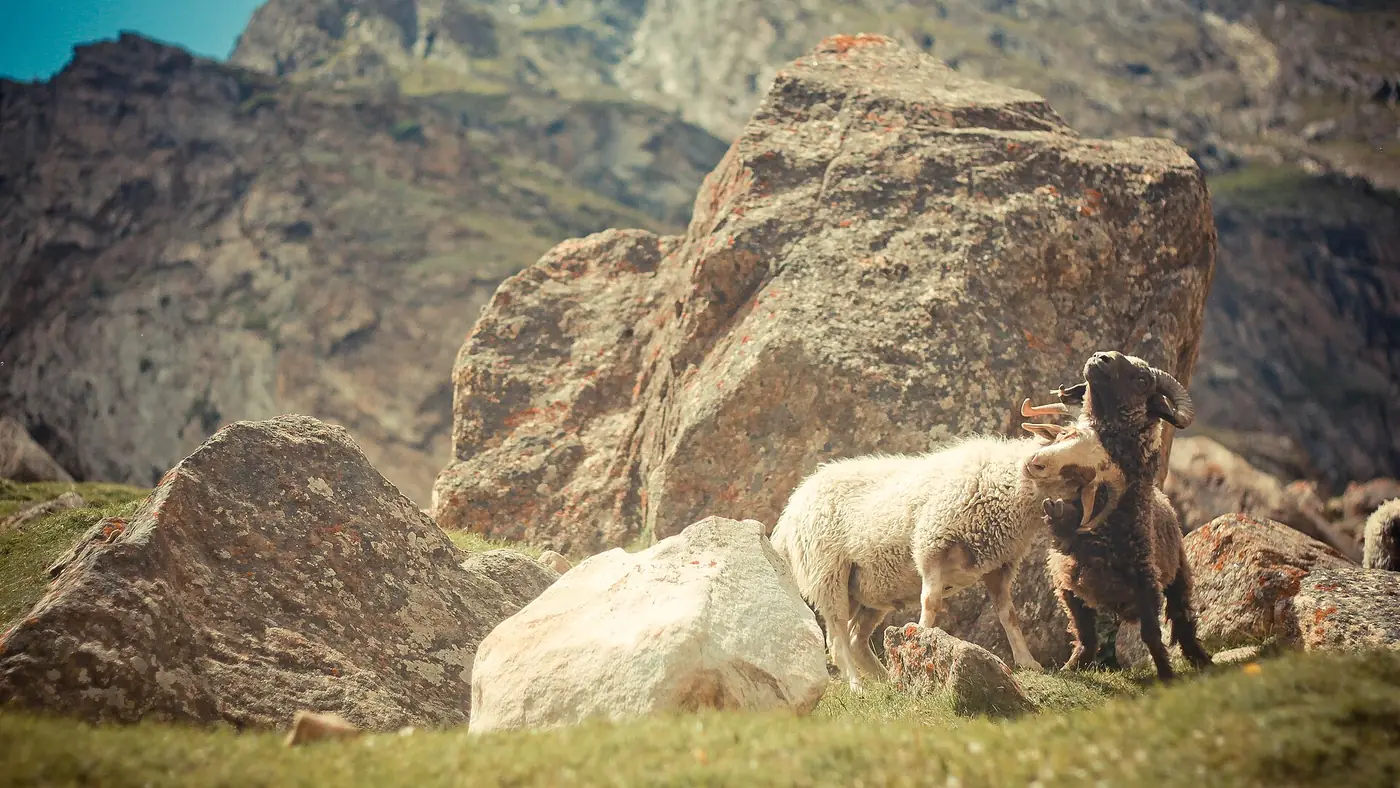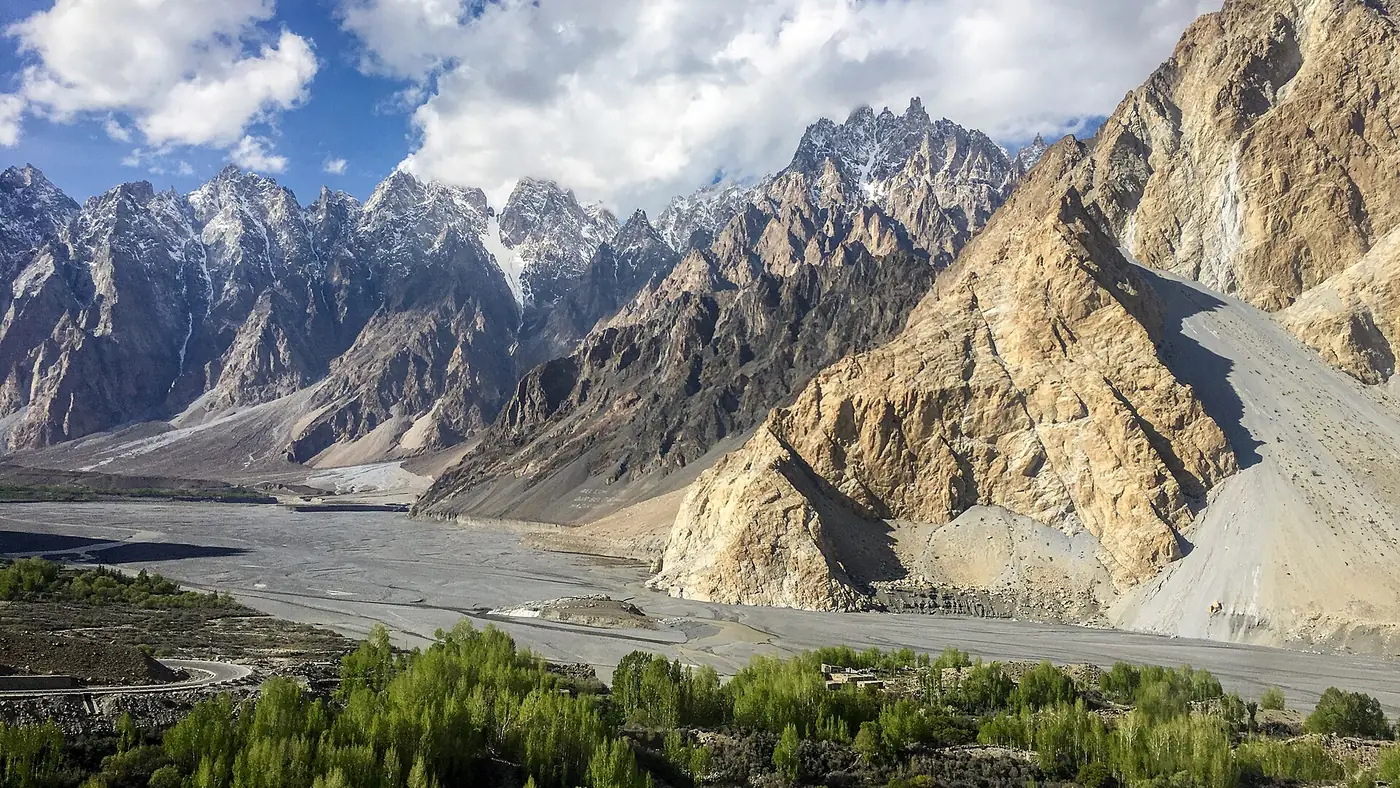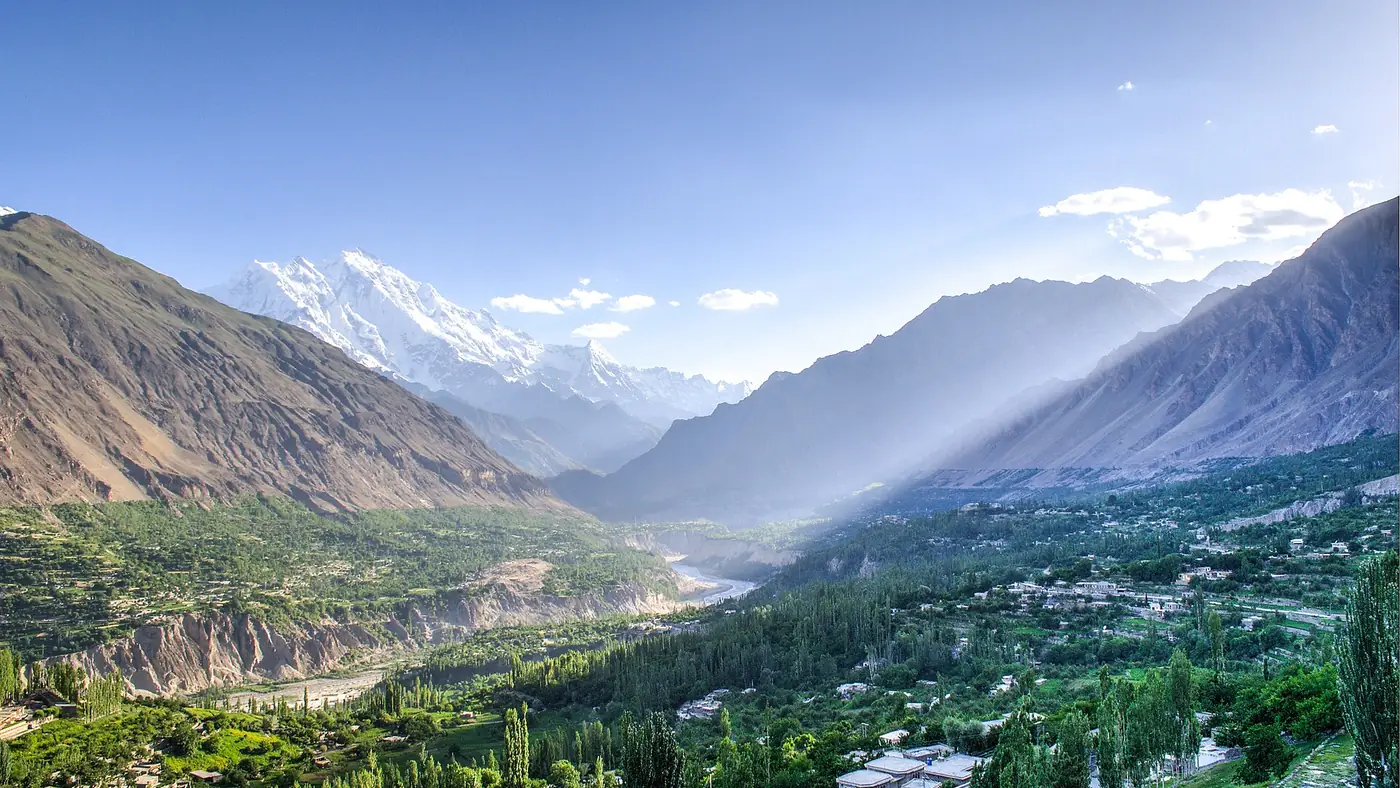
Camping in Hunza is possible, but it works best in a few places and with permission: the Ultar meadow above Karimabad, the ground around Borith Lake, the trekking pastures above Passu, and the Shimshal valley, plus tent rooms at a few hotels, including on Attabad Lake. The Gilgit-Baltistan tourism department allows camping only in designated areas with a permit, almost all open land in Hunza belongs to a village, and Attabad Lake is a drinking-water source. Ask before you pitch anywhere.
This guide takes each option in turn, explains the rules and how they work in practice, and covers the cold, the gear and how to camp without leaving a mark. For camping elsewhere in the north, from Fairy Meadows to Rama, see our guide to camping in Gilgit-Baltistan.
| Site | Altitude | Getting there | Notes |
|---|---|---|---|
| Attabad Lake | Valley floor | 30 to 40 minutes from Karimabad | Hotel tent rooms; not the open shore |
| Borith Lake | About 2,600 m | 2 km side road from Hussaini | Bird habitat; camp where your hosts say |
| Passu, Yunz and Patundas | Valley floor and above | On foot from Passu | Trekking camps; guide needed for Patundas |
| Ultar Meadow | About 3,270 m | 3 to 5 hours' walk from Baltit Fort | Village pasture; cold nights |
| Shimshal | About 3,100 m | 56 km jeep road from Passu | Guesthouse grounds; Pamir treks |
What are the rules for camping in Hunza?
The Gilgit-Baltistan tourism department's guidance is that camping is allowed in designated camping areas, that visitors must obtain a permit from the department before setting up their tents, and that Leave No Trace principles are mandatory. Commercial campsites and glamping sites need their own licence.
In Hunza, that works out as follows:
- Camping through a hotel, guesthouse or guide is the simplest route. They know where tents are allowed and deal with the paperwork.
- Everywhere else, ask first. Meadows, orchards and lakeshores belong to villages and families, and summer pastures are grazed. Ask in the nearest village before pitching, and move if a landowner, elder or official asks you to.
- Lakes are sensitive. Attabad Lake has been designated a drinking-water source, and in July 2025 the Gilgit-Baltistan Environmental Protection Agency described Borith Lake as crucial habitat for migratory birds. Both call for extra care.
- Stay away from the border. Don't camp in Khunjerab National Park near the pass or anywhere close to army posts, and ask at the Dih checkpoint what is allowed in the park.
If you are planning independently, contact the Gilgit-Baltistan tourism department before you travel.
Attabad Lake: book a tent, don't pitch one
Attabad is the lake everyone wants to wake up beside, and the practical way to do it is a hotel. Luxus Hunza, on the shore, sells tent rooms with breakfast and shared washrooms, and a few other places around the lake and in Karimabad sell fixed tents or glamping-style pods. You get the lake at dusk and dawn with a proper toilet and a restaurant.
We would not pitch your own tent on the open shore. The lake supplies drinking water to the valley, the shoreline is mostly steep and the water deep and very cold close in, and the Karakoram Highway runs along much of the eastern side. Since July 2025 the authorities have also frozen new building around the lake over pollution, a sign of how closely the shore is now watched.
Borith Lake: quiet, but a bird habitat
Borith, above Hussaini in Gojal, is the quietest lake in Hunza and a stopover for migrating ducks in spring and autumn. There is flat ground near the lake, and it has long been used by walkers before or after the Passu glacier walk.
The Environmental Protection Agency's 2025 report recommended making Borith a protected eco-tourism zone, and noted that human activity disturbs nesting birds. So camp only where the hotel or the village tells you to, well back from the water's edge. Keep noise down, keep lights off the water, and don't fly a drone over the lake. Our Borith Lake guide covers the road, the birds and the walks from the lake.
Passu: trekking camps above the glaciers
Passu sits between two glaciers and is the base for Hunza's best short treks. Nights out here are trekking camps rather than campsites:
- The Yunz valley, the high ground between the Passu and Batura glaciers, is usually done as a long day walk from Passu. If you want a night out up there, ask a guide in Passu whether and where tents are allowed.
- Patundas, a high pasture above the Passu glacier with views over the Batura glacier and the Passu Cones, is a trek of two to three days that crosses the glacier. It needs a guide, proper camping kit and time to acclimatise.
Hotels and guides in Passu and Gulmit arrange guides and porters. Wind off the glaciers makes Passu evenings cold even in summer, so pitch somewhere sheltered.
Ultar Meadow above Karimabad
The one camp you can walk to from a Karimabad hotel. The trail climbs the gorge behind Baltit Fort to a summer pasture at about 3,270 metres, beneath the Ultar glacier and Lady Finger. A night there splits a hard day in two and gives you the glacier at dusk and first light. It is village pasture, so camp where the herders or your guide say, and carry every scrap of rubbish down. Our Ultar Meadows hike guide covers the route and the night.
Further afield: Shimshal and Nagar
Shimshal, at the end of a 56 km jeep road from Passu, is the base for multi-day treks to the Shimshal Pamir, the high summer pastures around the Shimshal Pass, and at least one village guesthouse has offered space for tents. Our Shimshal valley guide explains the road and the stays.
Across the river in Nagar, the walk from Minapin to the Rakaposhi base camp has fixed campsites with water and is the classic overnight trek near Karimabad.
How cold are the nights, and what to bring?
Colder than the day suggests. Averages for Gulmit, at the height of Karimabad, give nights of about 12 °C in June and 15 °C in July and August, 10 °C in September and 4 °C in October. Every campsite above the valley floor is colder: Ultar is nearly 800 metres higher, and Shimshal freezes at night from October.
The essentials:
- A waterproof tent that stands up to wind
- A sleeping bag rated to around 0 °C for summer, colder for spring and autumn
- An insulated mat, because the ground takes more heat than the air
- Warm layers, a hat and gloves for the evening
- A head torch and a power bank
- A water filter or purification tablets
- Strong bags to carry out all your rubbish
If you are flying to Gilgit, gas canisters cannot go on the plane, so plan to buy fuel locally. Trekking and tour operators in Karimabad rent out tents and sleeping bags; check the poles, zips and the sleeping bag's temperature rating before you leave town.
Camping without leaving a mark
Hunza's fields and pastures are people's livelihoods, and its lakes are drinking water. A few habits matter more here than elsewhere:
- Carry out all rubbish, including food scraps. Don't bury or burn it.
- Keep soap, shampoo and washing-up out of lakes and streams, and wash well away from the water.
- Use toilets where they exist. Elsewhere, go well away from water and paths, and bury waste.
- Don't light fires or cut wood. Use a stove.
- Never block or dam a water channel. The fields below depend on it.
- Keep off crops and orchards, and don't pick fruit without asking.
Is camping in Hunza worth it?
For walkers and groups of friends, yes, in the right places: a night at Ultar or on a Passu trek, or a lakeside tent at Attabad, is a very different experience from a hotel room. For most families and first-time campers, a hotel tent room or a guesthouse with a view gives the same evenings with a warm bed, and a day walk covers the rest.
What doesn't work in Hunza is turning up with a tent and pitching wherever looks good. Arrange it through a hotel, a guesthouse or a guide. If you would like a Hunza trip with a night or two under canvas, send us your dates and we will suggest where it fits; our Gilgit and Hunza page covers the valley as a whole.
Frequently asked questions
Is camping allowed in Hunza?
Yes, in designated areas. The Gilgit-Baltistan tourism department requires a permit and Leave No Trace. In practice, camp through a hotel, guesthouse or guide, or ask the village before pitching.
Can you camp at Attabad Lake?
The practical way is a hotel tent room, such as those at Luxus Hunza. The lake is a drinking-water source with steep, deep shores, so we would not pitch a tent on the open shore.
Can you camp at Borith Lake?
Ask the hotel or the village where tents are allowed, and stay well back from the water. The lake is an important bird habitat, particularly in spring and autumn.
Do I need a permit to camp in Hunza?
The tourism department says campers need a permit. Hotels, guesthouses and guides usually arrange it; if you are camping independently, contact the department before you go.
Where can I hire camping gear in Hunza?
Trekking and tour operators in Karimabad rent tents and sleeping bags. Check the gear carefully before you leave, and ask what temperature the bag is rated for.
How cold is it camping in Hunza in summer?
In the valley, nights are around 12 to 15 °C from June to August. At Ultar Meadow, Shimshal and the trekking pastures above Passu it is much colder, so bring a sleeping bag rated to around freezing.