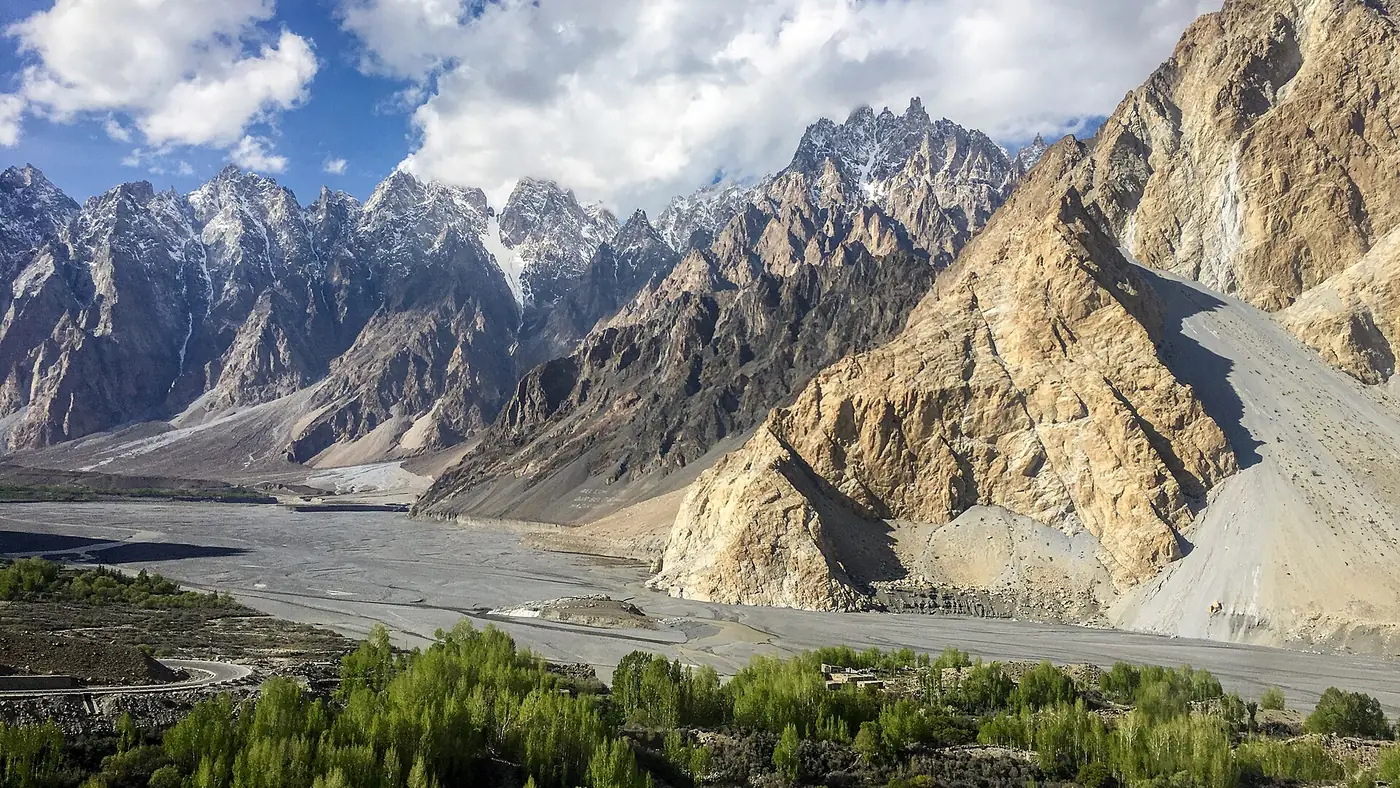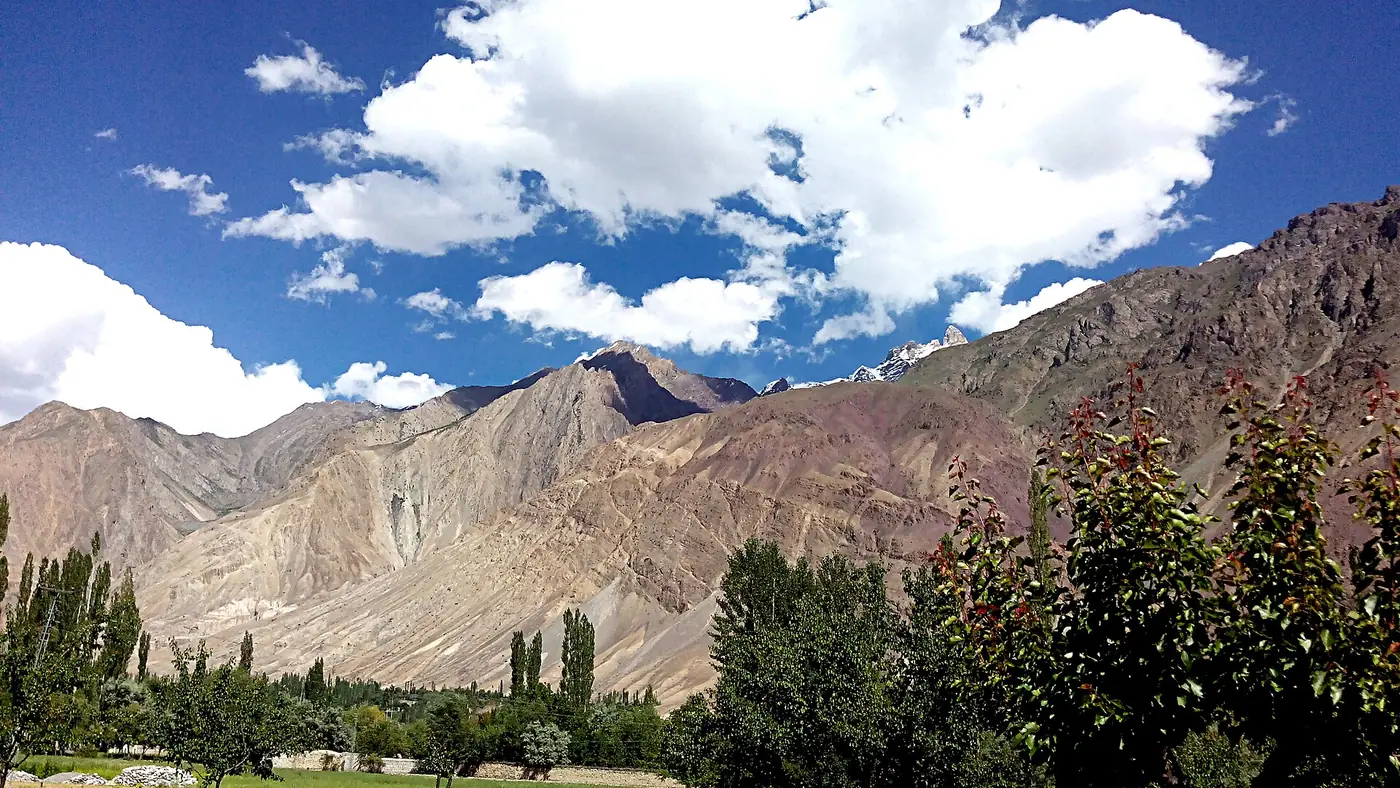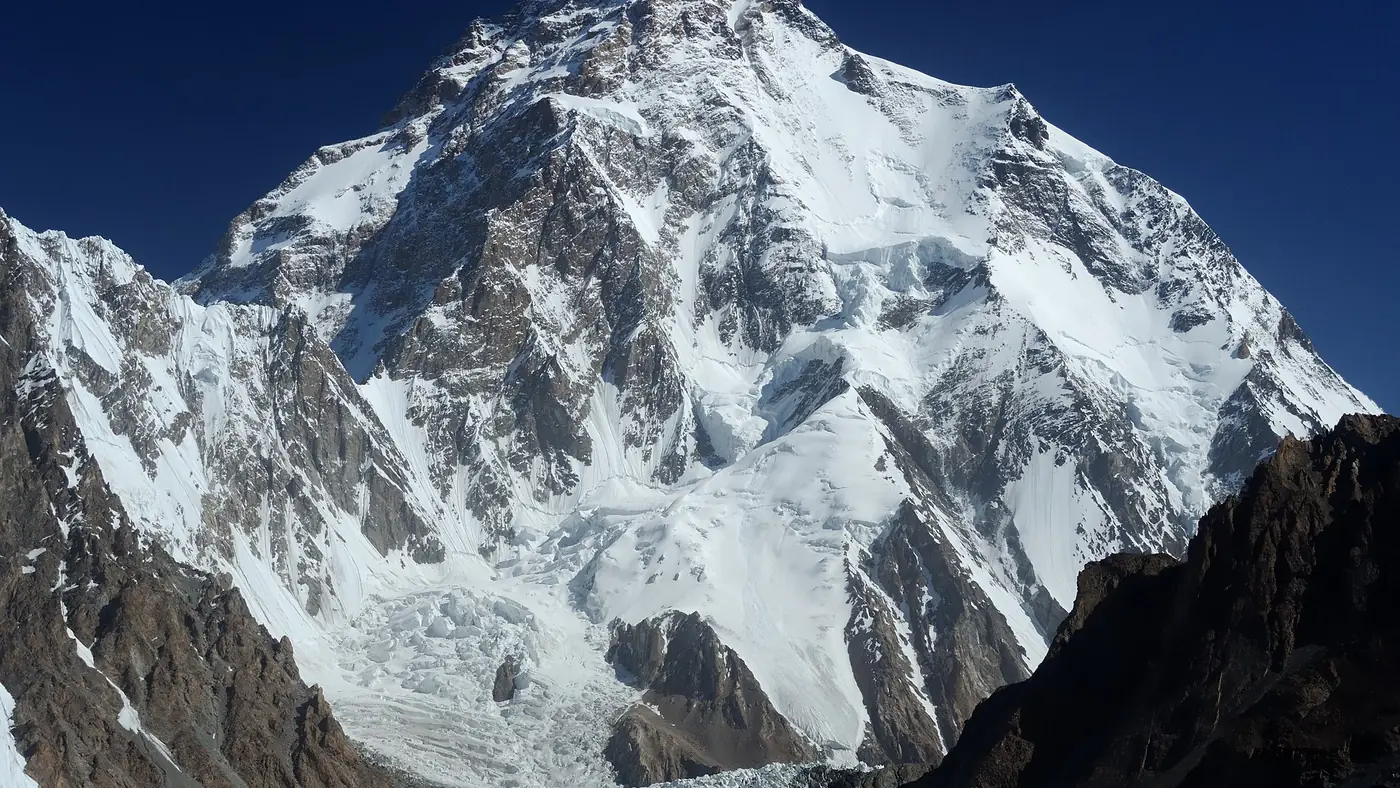
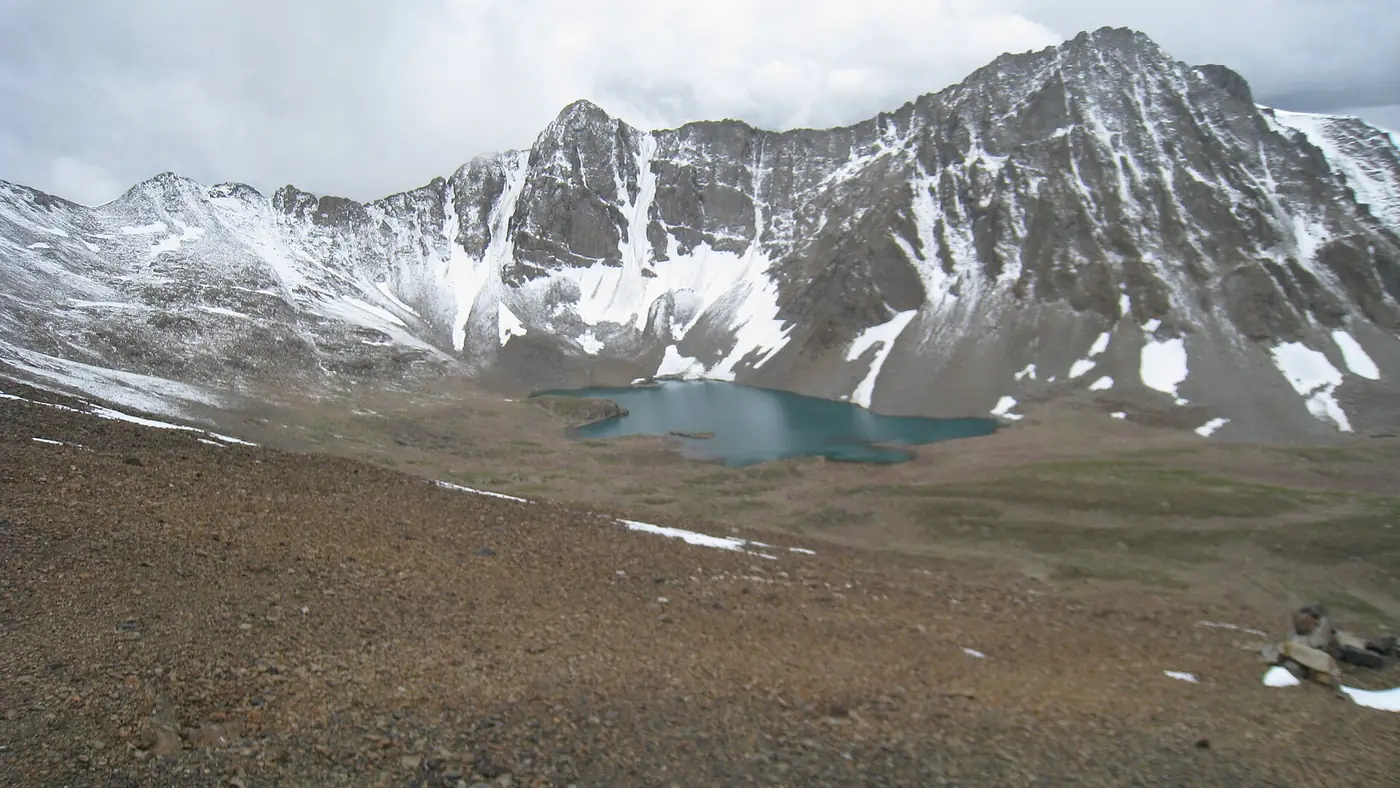
Burji La is a pass on the edge of the Deosai plateau, somewhere around 4,800 to 5,000 metres depending on the source, that offers one of the more accessible views of K2 in the region. The trek to the top and back is usually done over two to three days from a jeep-accessible point on Deosai, making it a realistic add-on for anyone already visiting Deosai or Skardu rather than a dedicated expedition.
It sits between two of Gilgit-Baltistan's best-known destinations, Deosai National Park and Skardu, which is part of what makes it appealing: you start from ground most Skardu visitors already reach by jeep.
| At a glance | |
|---|---|
| Pass altitude | About 4,800–5,000 m |
| Trek length | 2–3 days, typically |
| Starting point | Deosai plateau, reached by jeep from Skardu |
| Views from the pass | K2, Nanga Parbat, Masherbrum, Broad Peak, Gasherbrum peaks and more |
| Best months | June to September |
What is the route?
Most itineraries drive from Skardu onto the Deosai plateau by jeep, then set up a base camp within reach of the pass. From there, the push to Burji La itself is a climb of around five to six hours, gaining significant altitude over rough, open ground with little shelter.
The reward at the top is the panorama: on a clear day, K2 is visible along with Nanga Parbat, Masherbrum, Chogolisa, Laila Peak, the Golden Peak and several of the Gasherbrum peaks, strung along the Karakoram skyline. Most groups spend limited time at the pass itself, given the altitude and exposure, before descending the way they came.
How many days does it take?
A typical Burji La trek runs two to three days including the drive onto Deosai, a camp near the base of the climb, the push to the pass, and the return. Some operators extend this to a longer itinerary of a week or more by combining it with a fuller exploration of Deosai National Park or a different exit route, rather than a straight there-and-back.
Given the altitude gain in a short time, building in at least one night to acclimatise on the plateau before the push to the pass is worth doing rather than attempting the climb straight off the drive from Skardu.
When to go
June to September is the recommended window, matching the season when Deosai itself is open and accessible. Outside these months, snow closes both the approach road onto the plateau and the pass itself. Our Deosai National Park guide and guide to when Deosai is open cover the plateau's own season in more detail, which governs when this trek is possible at all.
Altitude and fitness
This is a genuine high-altitude push, with a same-day gain of well over a thousand metres to a pass approaching 5,000 metres. Anyone prone to altitude symptoms should treat the days on Deosai beforehand as acclimatisation, not simply transit, and be ready to turn back if headaches, nausea or breathlessness don't ease. A guide experienced with this specific route is standard, both for navigation on the open, often featureless plateau terrain and for judging conditions near the pass.
Getting there
The trek starts from Deosai, reached by jeep from Skardu; our Skardu to Deosai route guide covers that drive. Because it starts and largely ends on ground already covered by standard Skardu and Deosai travel, it fits naturally alongside a broader Baltistan trip, including our Skardu and Deosai tour, for travellers wanting to add a short trek to an otherwise road-based itinerary.
Is it worth it?
For anyone already in Skardu or Deosai with a couple of spare days and reasonable fitness, yes: it is one of the shortest routes anywhere in the region to a genuine K2 view, without the permits, porters and weeks of time the full base camp trek needs. It is not a casual walk, though, and the altitude gain in a short window rules it out for anyone unwilling to turn back if it doesn't agree with them. If you'd rather see K2 from a different, equally short route, our guide to K2 viewpoints covers the alternative at Machulu La, above Khaplu.
Frequently asked questions
How long does the Burji La trek take?
Most groups complete it in two to three days from Deosai, including the approach, the push to the pass, and the return.
How high is Burji La?
Sources put it at roughly 4,800 to 5,000 metres. Treat any single figure as approximate.
Can I see K2 from Burji La?
Yes, on a clear day, along with Nanga Parbat, Masherbrum, Broad Peak and several of the Gasherbrum peaks.
When is the best time for the Burji La trek?
June to September, matching the season when Deosai's approach road and the pass itself are clear of snow.
Do I need a permit for the Burji La trek?
It sits outside the Baltoro restricted zone, so it typically doesn't need the same permit as K2 base camp, though rules can change; confirm current requirements with a local trekking agency before you go.