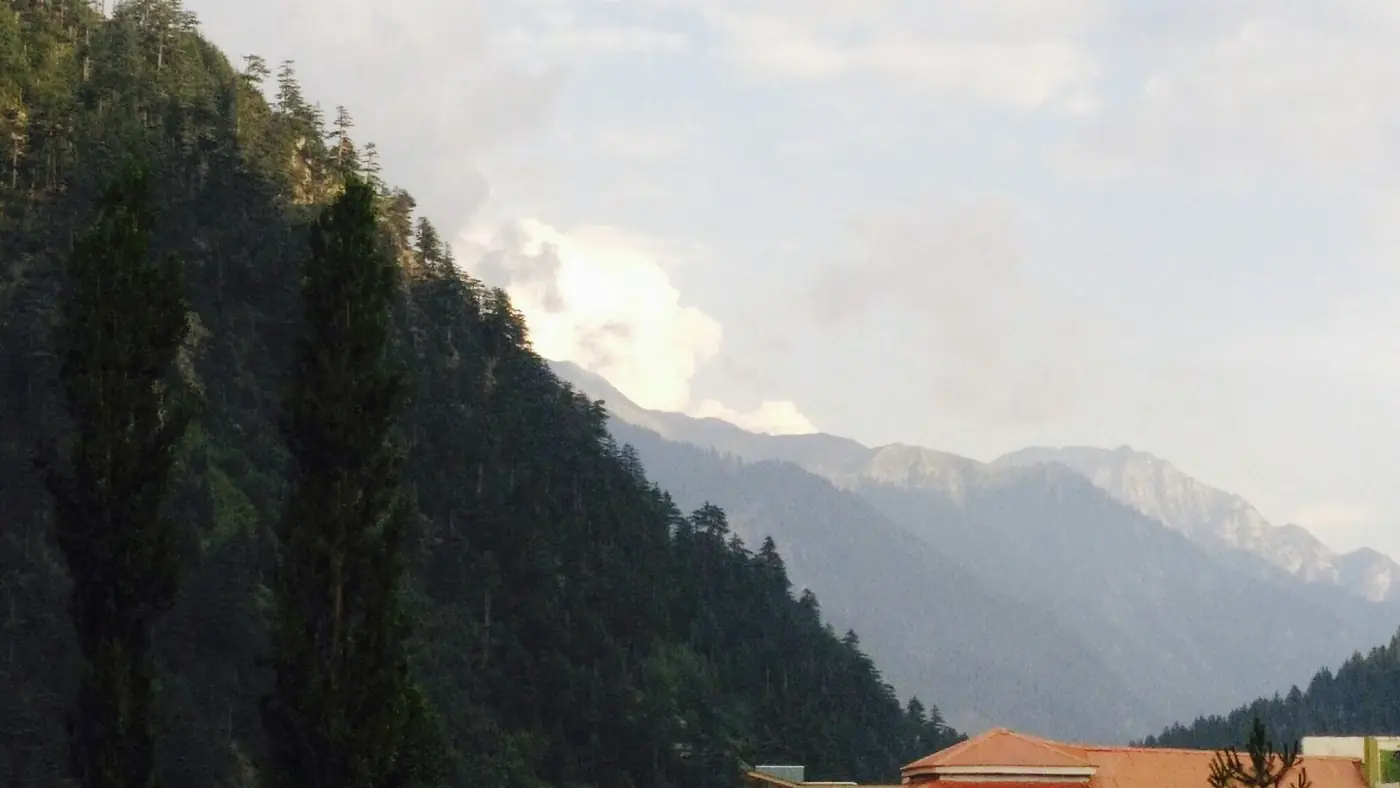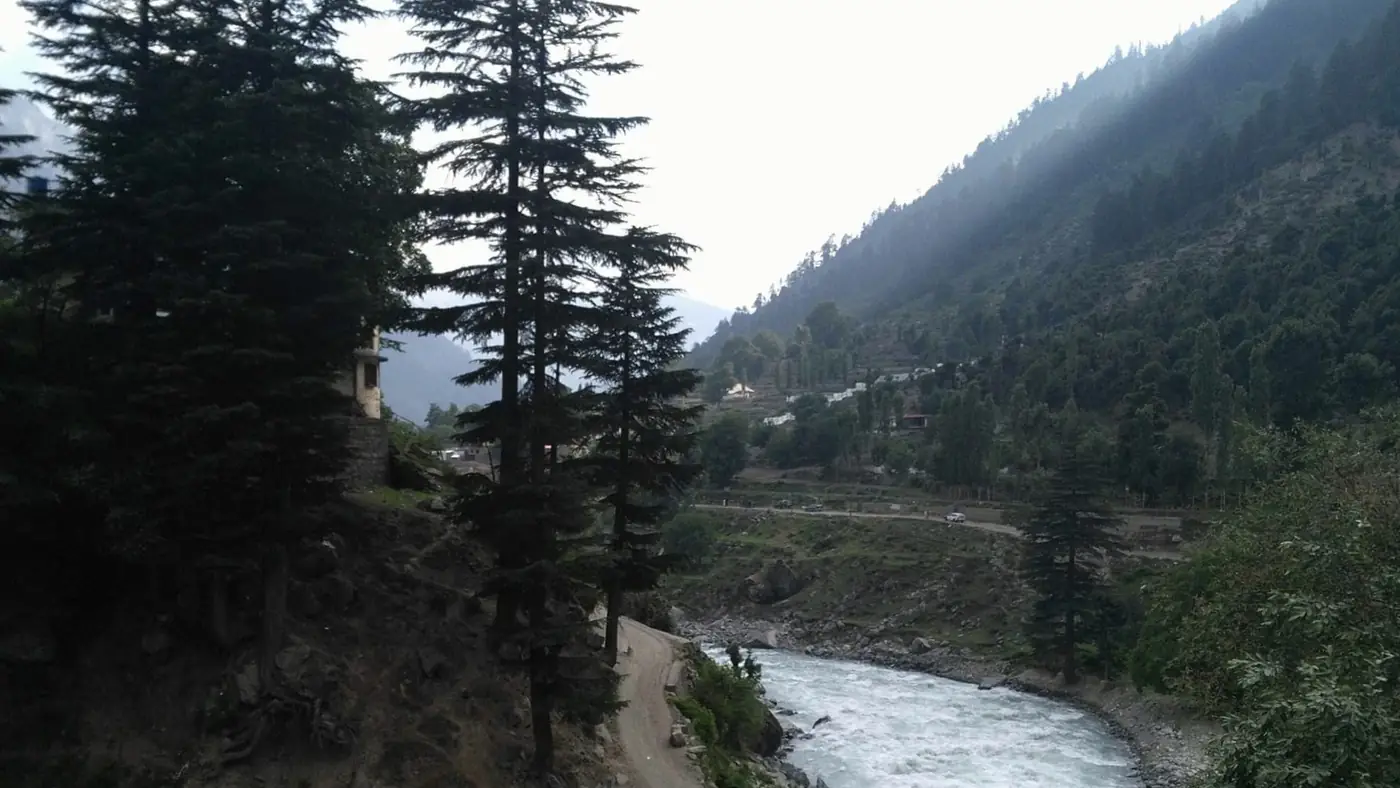
The best treks in KPK are all in the north of the province: Jahaz Banda and Katora Lake above Kumrat in Upper Dir, Dudipatsar and Ansoo lakes in the Kaghan valley, Daral and Kandol lakes in Swat, and the long route to Tirich Mir base camp in Chitral. Almost all are summer treks, from late June to September, once the snow has cleared. The easiest are a morning's walk from a hotel; the hardest cross glaciers above 4,000 metres and need a guide and a tent.
This guide groups the treks by difficulty, with the altitude, starting point and season for each, then covers permits, security and how to choose.
| Trek | Area | Highest point | Starts from | Walking time | Grade |
|---|---|---|---|---|---|
| Shogran to Siri Paye | Kaghan | Meadows above Shogran | Shogran | Half a day | Easy |
| Naran to Lake Saiful Muluk | Kaghan | 3,224 m | Naran | Most of a morning up | Easy to moderate |
| Jahaz Banda and Katora Lake | Upper Dir | About 3,500 m | Jandrai or Taki Top | 2 days | Moderate |
| Daral Lake | Swat | About 3,505 m | Bahrain or Gabin Jabba | 3 to 5 hours up | Moderate |
| Dudipatsar Lake | Kaghan | 3,800 m | Besal | 6 to 8 hours up | Moderate to hard |
| Makra Peak | Kaghan | 3,885 m | Siri Paye | About 4 hours up | Moderate to hard |
| Ansoo Lake | Kaghan | 4,126 m | Lake Saiful Muluk | A very long day, or 2 days | Hard |
| Tirich Mir base camp | Chitral | Below a 7,708 m peak | Shagrom | 6 to 8 days | Hard, guided |
How the grades work
Easy means a clear path, a few hours of walking and no night out. Moderate means a full day or an overnight camp above 3,000 metres, with boots, rain gear and some hill experience. Hard means long days, snow or glacier near the top, altitude near 4,000 metres or more, and a guide. Walking times exclude the jeep rides to the trailheads.
Easy treks: meadows, forest and a lake
Shogran to Siri Paye. Shogran sits on a forested shelf at 2,362 metres above Kiwai, and most visitors ride a jeep on to the Siri Paye meadows. Walking up instead is one of the best short hikes in the province, a steady climb through pine forest and open grass with the valley falling away behind you. Our Shogran guide covers the jeeps and where to stay.
Naran to Lake Saiful Muluk. The lake, at 3,224 metres, is about 9 km above Naran by jeep track. Walking it takes most of a morning and climbs around 800 metres, which makes it a sensible first day at altitude before anything harder. Start early, before the jeep traffic builds.
Kalam and the Kalash valleys. Above Kalam, the Ushu forest and the shore of Mahodand Lake, at 2,865 metres, suit gentle walking once a jeep has done the climbing. In Chitral, the village paths of Bumburet and Rumbur make easy half-day walks.
Moderate treks: high lakes and a meadow camp
Jahaz Banda and Katora Lake, Upper Dir
The classic trek above Kumrat. Jeeps take you up to the trailhead at Jandrai or Taki Top, and from there it is three to four hours on foot to Jahaz Banda, a huge meadow at about 3,100 metres where most people camp or sleep in a simple hut. Next morning Katora Lake, a glacial bowl at about 3,500 metres, is roughly three hours further. In 2026 the provincial government said it had built a jeep track from Thal towards Jahaz Banda, so ask in Thal how far vehicles now go. Our Kumrat Valley guide explains how the valley is laid out.
Daral Lake, Swat
Daral Lake lies at about 3,505 metres in Swat Kohistan, above Saidgai Lake. It is three to four hours up from the Bahrain side, or four to five from the end of the road at Gabin Jabba. A small old mosque near the lake gives shepherds shelter. Snow closes the trails in winter.
Kandol and Spin Khwar lakes, Utror
From Kalam a jeep takes about an hour to Utror, and the track continues towards Kandol Lake, at roughly 3,000 metres, with Spin Khwar a steeper couple of hours beyond. Floods have damaged the jeep track and its bridge in recent years, so the walk can be an hour or most of a day depending on how far jeeps currently reach. Ask in Kalam the evening before.
Dudipatsar Lake, Kaghan
Dudipatsar, at 3,800 metres in the Lulusar-Dudipatsar National Park, is reached from Besal, about 15 km away. A fit walker takes six to eight hours, with steep sections and several stream crossings, and many groups break the walk with a night at Mullah ki Basti, a herders' settlement on the way.
Makra Peak, above Shogran
Makra Peak, at 3,885 metres on the ridge between Kaghan and Azad Kashmir, is about four hours up from Siri Paye, with views over both valleys. Walkers have died here in thick fog and on the steeper sections, so turn back if cloud comes down, and go with someone who knows the route.
Hard treks: glaciers and multi-day routes
Ansoo Lake, Kaghan
The "teardrop lake" lies at 4,126 metres near Malika Parbat, the highest peak in the Kaghan valley. From Lake Saiful Muluk the route runs up to the Malika Parbat base camp, then climbs steeply over snow and glacier. Accounts of the time vary from five to eight hours up, so many groups camp below and go up at first light. Go only in July or the first half of August, with a local guide.
Musa ka Musalla
This 4,060-metre summit at the head of the Siran valley has a shrine on top and several routes, the most used from Shinkiari by way of Mandagucha. From the Balakot side the round trip takes 11 hours or more, so many split it with a camp.
Tirich Mir base camp, Chitral
Tirich Mir, at 7,708 metres, is the highest mountain in the Hindu Kush. The base camp trek starts at Shagrom, the last village in the Tirich valley of Upper Chitral, and takes six to eight days including the drive from Chitral town. Foreign nationals need a permit and a licensed guide. Further north, the route from Broghil to Karambar Lake is a remote expedition near the Afghan border; see our Broghil Valley guide.
When is the trekking season?
For most of these treks, late June to mid-September. The high lakes keep snow on the trail into June, and the first autumn snow closes them in late September or October.
The complication is the monsoon. From July to early September, heavy rain brings landslides, swollen streams and fog on the ridges in Kaghan and Swat. Chitral lies largely outside the monsoon, though glacial floods closed its main roads in August 2026.
Permits, security and staying safe
Permits. Pakistani trekkers need only a CNIC on most routes and may be asked to register at police or wildlife checkposts. Foreign nationals need permits for Tirich Mir and the Chitral border areas.
Security. This matters more in 2026 than for years. The UK government advises against all travel to Swat and to Upper and Lower Dir, which covers Kumrat, and on the N-45 road to Chitral. Police and militants clashed repeatedly in both Dir districts between June and August 2026, and a suicide bombing in Swat on 2 August killed 17 people. The Kaghan valley is not on that list. Pakistani trekkers still walk in Swat, Dir and Chitral, but read the local news the week you go; foreign trekkers should know that travelling against their government's advice can void insurance. Our guide to whether KPK is safe for tourists sets out the picture by region.
On the mountain:
- Hire a local guide for anything moderate or harder. Paths fork, cairns get buried, and fog has killed walkers on Makra.
- Respect the altitude. Above 3,000 metres, climb slowly and drink water. A bad headache, vomiting or unsteadiness means going down.
- Start early, because afternoon storms are common in summer, and cross streams in the morning, when snowmelt is lowest.
- Tell someone your plan. Most trails have no signal. The KP tourism helpline, 1422, runs around the clock for Hazara and Malakand, and Rescue 1122 covers the districts.
Which trek should you choose?
- First trek, or with children: Shogran to Siri Paye, or the walk to Lake Saiful Muluk.
- An overnight without technical ground: Jahaz Banda and Katora Lake, if the news from Dir is quiet.
- A hard day in Kaghan: Dudipatsar, ideally with a night at Mullah ki Basti.
- Experienced trekkers: Ansoo Lake in July, or Musa ka Musalla.
- Expedition-style: Tirich Mir base camp, with an operator.
If Swat, Dir and Chitral raise too many questions this year, Gilgit-Baltistan has more treks with fewer security concerns; see our best treks in Gilgit-Baltistan. If you would like a trip built around a trek, tell us what you have in mind.
Frequently asked questions
Which is the easiest trek in KPK?
The walk from Shogran to the Siri Paye meadows, or from Naran to Lake Saiful Muluk. Both follow clear paths, take a few hours, and need no camping or guide.
What is the best time for trekking in KPK?
Late June to mid-September for the high lakes. July and August bring monsoon rain to Kaghan and Swat, so late June and early September are often the most settled weeks.
Do I need a guide for Ansoo Lake?
In practice, yes. The last section crosses snow and glacier above 4,000 metres, the route is not obvious, and the weather changes fast. Guides can be found in Naran.
How long is the Katora Lake trek?
Two days for most people: a jeep to the trailhead, three to four hours to Jahaz Banda for the night, then about three hours on to the lake and back down the next day.
Is it safe to trek in Swat and Dir?
Pakistani trekkers still go, but both districts saw militant violence in 2026. Check local news before you set out and keep to well-used routes.