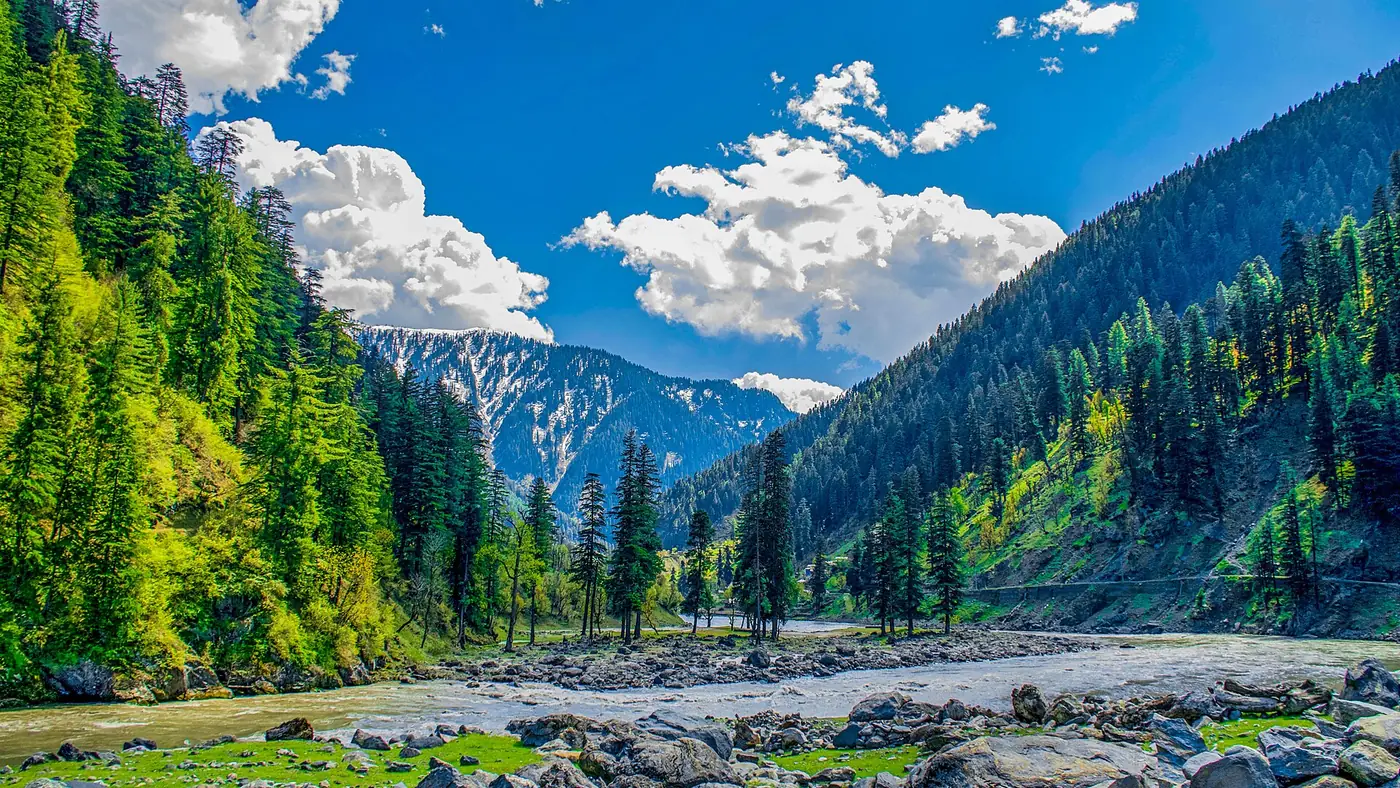
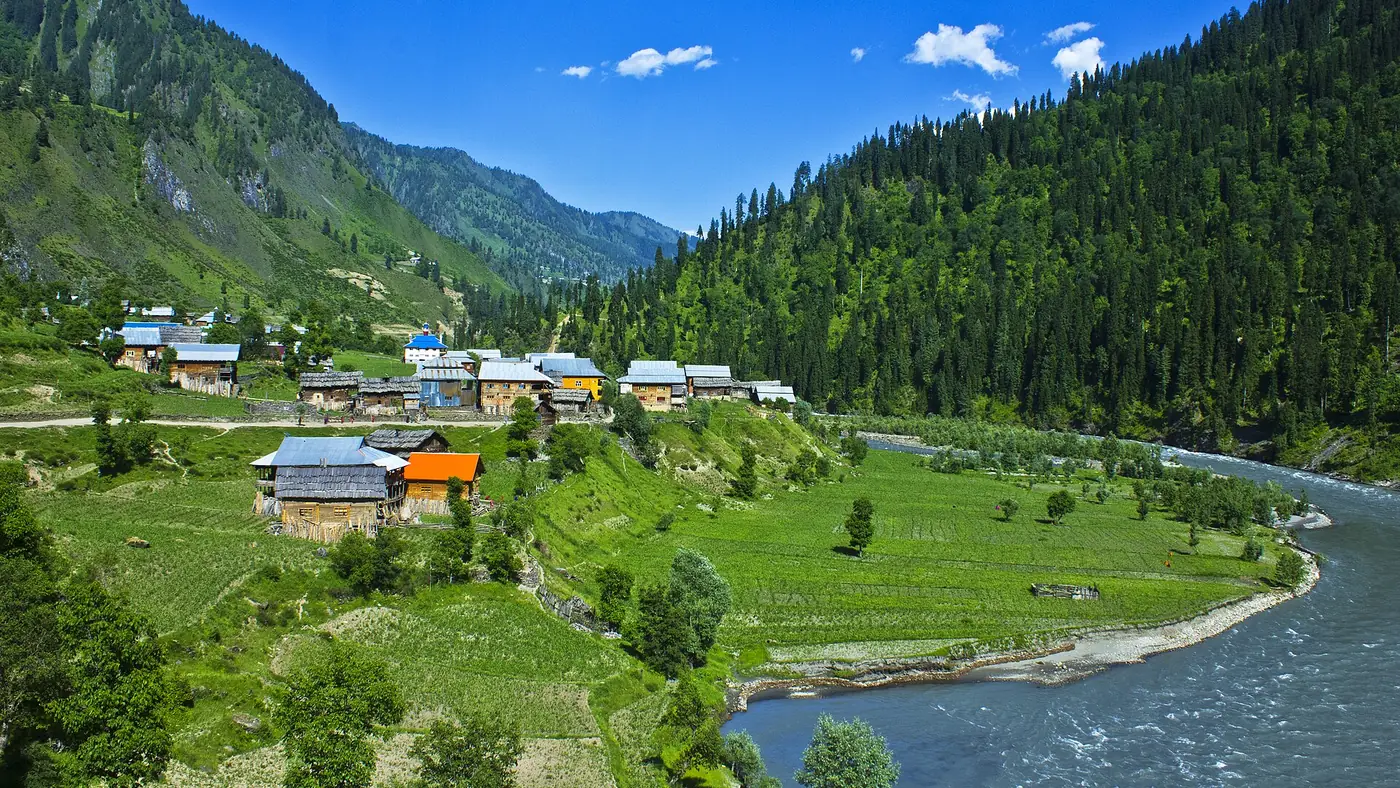
The best time to visit Azad Kashmir is late May to early October for the Neelum Valley, Leepa and the meadows, with the high lakes such as Ratti Gali open only from about July to September. The south, around Mirpur, Kotli and Bhimber, is the opposite: best from October to March and very hot in May and June. For snow, go to Pir Chinasi, Banjosa or Toli Pir between December and February.
Azad Kashmir runs from hot plains near Mirpur to snowbound valleys along the Line of Control, so there is no single season for all of it. This guide goes region by region and season by season, so you can match the month you have to the place that is at its best.
| At a glance | Best months | Open or accessible | Think twice |
|---|---|---|---|
| Lower Neelum (Keran, Sharda) | May to October | Most of the year, snow permitting | January and February |
| Upper Neelum (Kel, Arang Kel, Taobat) | June to September | Late spring to autumn | December to March |
| Ratti Gali and the high lakes | July to August | About July to September | Any other month |
| Leepa Valley | May to early November | About May to November | December to April |
| Muzaffarabad and Pir Chinasi | March to May, September to November | All year | July for rain; snow days at Pir Chinasi |
| Rawalakot, Banjosa, Toli Pir | May to October; December to February for snow | All year | Heavy snow days |
| Mirpur, Kotli, Bhimber | October to March | All year | May and June heat |
Which parts of Azad Kashmir are open when?
Altitude decides almost everything. Mirpur sits at about 460 metres and Muzaffarabad at about 740, so both are open and reachable all year. The Neelum Valley floor rises from about 1,500 metres at Keran to around 2,000 at Sharda and Kel, and the high lakes and passes are well above 3,000 metres.
That gives a simple pattern:
- The south (Mirpur, Kotli, Bhimber) is open all year and best in the cooler half of it.
- The middle hills (Muzaffarabad, Rawalakot, Banjosa, Bagh) are open all year, with snow on the higher ground in winter.
- The valleys along the LoC (Neelum and Leepa) are summer places. Lower Neelum stays reachable most of the year, but the upper valley and Leepa are cut off or close to it for much of the winter.
- The high lakes and passes have a season of only two or three months.
One more thing sits outside the calendar. The Neelum Valley and Leepa run along the Line of Control, and in May 2025, during a period of India–Pakistan tension, tourists were turned back from the Neelum Valley. Whatever month you choose, check the current situation before you set off.
Spring (March to May): lower valleys and the south
Spring is green and quiet, but it is also wet. In Muzaffarabad, February and March are among the rainier months of the year, and rain on the mountain roads means small landslides. In April 2024, rain blocked the Neelum road at several points and closed the Muzaffarabad to Mansehra road at Lohar Gali.
What works in spring:
- Muzaffarabad, Pir Chinasi and Rawalakot in April and May, before the heat builds in the lower towns.
- Lower Neelum as far as Keran and Sharda, usually open from April, with snow still on the peaks above.
- The south in March, before temperatures climb.
What does not: the upper Neelum beyond Kel is only just opening in May, the high lakes are still frozen, and Leepa is still reopening after winter. If you want to see the whole Neelum Valley, wait until June.
Summer (June to August): everything open, and the monsoon
Summer is peak season. By June the whole Neelum Valley is open, Arang Kel is green, and from about July the jeep tracks to Ratti Gali and the other high lakes are clear. Leepa's rice terraces, planted in May and June, stay green through the summer. The mountain valleys stay pleasant while the plains bake: summer days in Keran and Sharda are warm, and nights at Kel and Arang Kel are cool.
Two things to plan around:
- The monsoon. July is the wettest month in Muzaffarabad, with more than 300 mm of rain on average, and July and August bring the highest risk of landslides on the Neelum road and the Kohala road. Keep a spare day in case the road is blocked.
- Crowds. June and July, especially around Eid and the school holidays, are when the Neelum Valley is busiest and hotel rates are highest. Book ahead and start driving early.
The south is at its worst in summer. Mirpur's average daily high in June is about 41°C. Avoid it unless you have family there.
Autumn (September to November): the best season for most people
If you can choose any month for a first Neelum trip, choose September. The monsoon has ended, the roads are drier, the crowds have gone home and hotel rates fall. October is the driest month of the year in Muzaffarabad, with clear air and long views.
Autumn has its own attractions:
- Leepa's rice harvest. The rice is cut in September and October, when the terraces turn from green to gold. This is the best time to see Leepa.
- Autumn colour in the Neelum Valley through October, with cold nights at Kel and Arang Kel.
- The high lakes still open in early September, but snow can arrive at any time after that.
By November the upper Neelum is closing, Leepa's roads are getting risky, and the nights are cold everywhere above Muzaffarabad. November is still fine for Muzaffarabad, Rawalakot and the south.
Winter (December to February): snow and what closes
Where to see snow
The easiest snow in Azad Kashmir is at the hill stations near the main towns:
- Pir Chinasi, above Muzaffarabad at about 2,900 metres, usually has snow in December and January, with temperatures down to about -5°C. See our Pir Chinasi guide for the drive up.
- Banjosa Lake, near Rawalakot at about 1,980 metres, gets snow in December and January, and the lake freezes over in the coldest weeks.
- Toli Pir, above Rawalakot, is colder and snowier, with snow from late autumn.
- Sudhan Gali and Ganga Choti in Bagh district get heavy snow, and winter sports events have been held at Ganga Choti.
The roads to all of these can close for a day or more after heavy snowfall. Go when the weather has cleared rather than while it is still snowing, use chains or a 4x4 if you are driving above the snow line, and do not drive these roads after dark.
What closes
- Leepa Valley is effectively closed to visitors from December to April, when snow blocks the passes into the valley.
- The upper Neelum. In winter the main road is kept open as far as Kel when conditions allow, but heavy snow closes it for days at a time, beyond Kel only 4x4s get through to Taobat, and side valleys are shut. A January snowfall in 2025 closed roads across the valley.
- The high lakes and passes are under snow until early summer.
Winter trips to Kel and Arang Kel are possible in some years for experienced travellers with a 4x4 and flexible dates, but they are not a family holiday. For most people, winter in Azad Kashmir means the hill stations near Muzaffarabad and Rawalakot, or the south.
Southern Azad Kashmir: the reverse calendar
Mirpur, Kotli and Bhimber are low, warm and humid, and their best season is winter. From October to March the days are mild, and Mangla Lake, Ramkot Fort, the Tatta Pani hot springs near Kotli and Baghsar Fort near Samahni are all comfortable to visit. January nights in Mirpur are cool, about 4°C on average, but the days are pleasant.
From late April the heat builds quickly, and May and June are hot. July and August bring the monsoon, which is heavy here too. If you want a Kashmir trip in December that does not involve snow chains, the south is the answer.
So when should you go?
For a first trip, go to the Neelum Valley in September, or in June if you want everything green and do not mind crowds. Give yourself four or five days, keep one spare, and our Neelum Valley Escape runs on the same logic.
- You want the high lakes: late July or August, and accept the monsoon risk.
- You want Leepa at its best: September and October, for the harvest.
- You want snow: a day trip to Pir Chinasi or two nights at Banjosa in January, after a snowfall has cleared.
- You only have a winter weekend: Mirpur and Mangla Lake, or Rawalakot and Banjosa.
- You are travelling at Eid in summer: go anyway if you must, but book ahead, leave very early and avoid the upper valley on the busiest days.
For how Azad Kashmir fits with the rest of the north through the year, see our guide to when to go, and for a place-by-place shortlist, our list of the best places to visit in Azad Kashmir.
Frequently asked questions
Which month is best for Neelum Valley?
September is the best all-round month: the whole valley is open, the monsoon is over and it is less crowded than June and July. June is greener but busier.
Can I visit Azad Kashmir in winter?
Yes. Muzaffarabad, Rawalakot, Banjosa and the south are open all year, and Pir Chinasi and Banjosa usually have snow in December and January. The upper Neelum and Leepa are largely cut off by snow and are not suitable for a normal holiday.
When does snowfall start in Azad Kashmir?
Snow can reach the upper Neelum and the high passes from late autumn, which is why they start closing in November. The hill stations near Muzaffarabad and Rawalakot usually get snow from December to February, and it varies from year to year.
When is Ratti Gali Lake open?
Usually from about July to September, once the snow has cleared from the jeep track and the path to the lake. Late July and August are the most reliable.
Is it safe to travel to Azad Kashmir during the monsoon?
The main roads stay open most days, but July and August bring the most landslides. Keep a spare day, avoid driving in heavy rain or after dark, and ask locally about the road before heading up the valley.