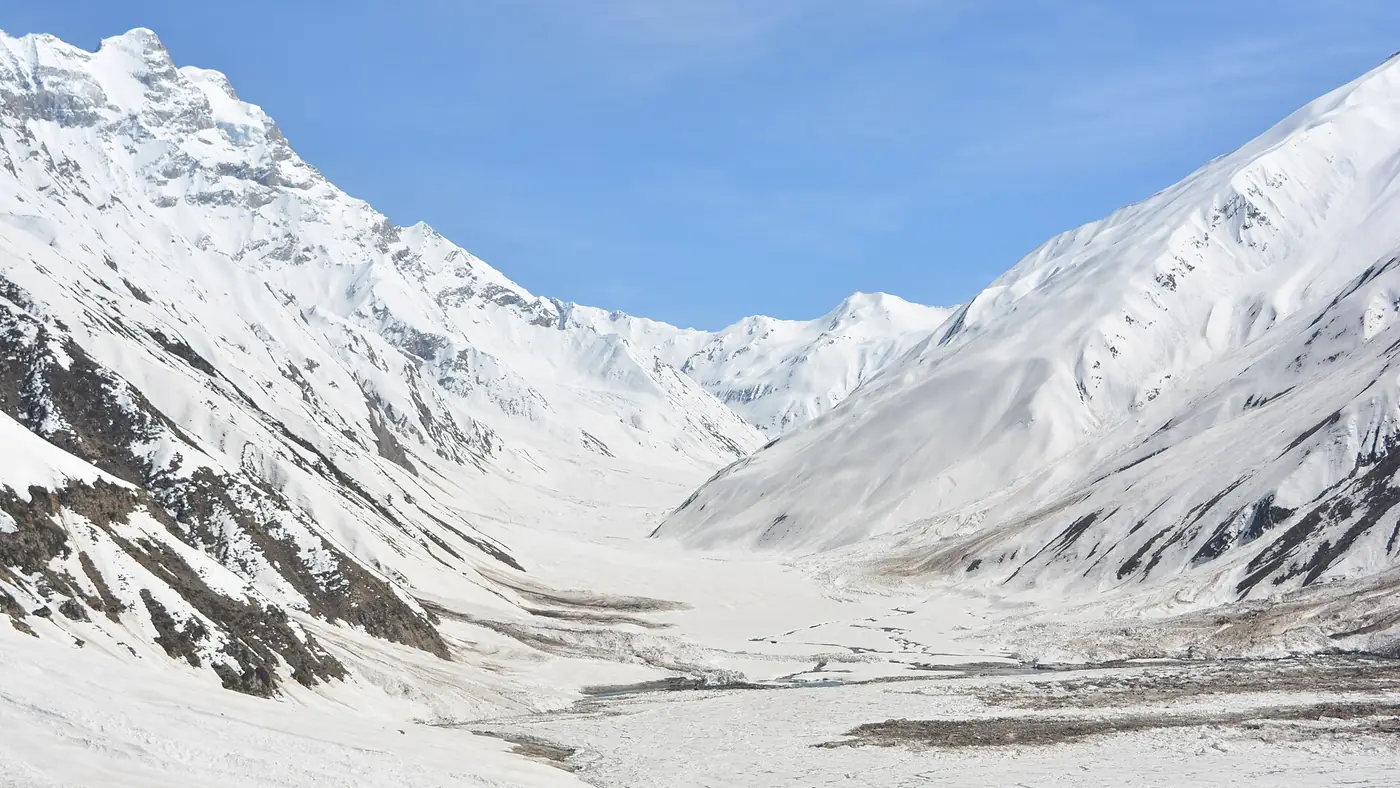
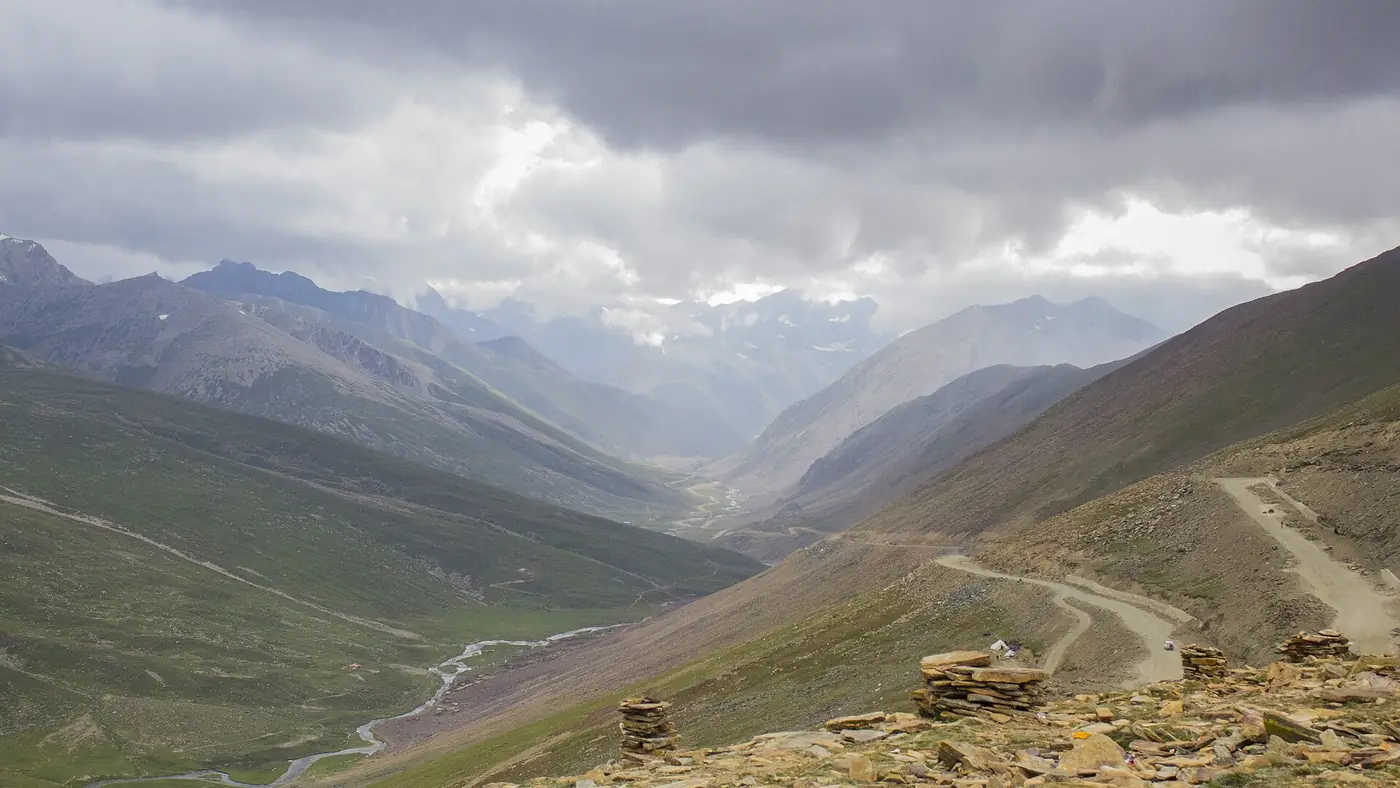
Babusar Top, at 4,173 metres, is cold enough to catch out visitors who packed for a summer day in Naran. Daytime temperatures at the top typically sit in the low teens Celsius or cooler even in the warmest months, dropping close to or below freezing at night, and a steady wind makes it feel colder still. This guide covers what the weather is actually like by month and what to pack for it.
| At a glance | |
|---|---|
| Altitude | 4,173 m |
| Open season | Roughly late May or June to October or November, weather permitting |
| Daytime temperature, peak summer | Roughly 10 to 15°C |
| Night temperature | Close to or below freezing, even in summer |
| Shoulder months | Colder, with snow possible on the ground into June and again from October |
| Wind | A steady, cold wind is normal; it makes the air feel colder than the temperature alone suggests |
How cold does it actually get?
Babusar Top sits more than 1,700 metres above Naran, and the temperature drops accordingly. In May, average daytime highs at the pass are around 11°C, with lows around 3°C, cold enough that a t-shirt weather day in Naran can mean jackets and gloves at the top. By high summer, July, daytime highs are typically in the low to mid teens Celsius, with overnight lows commonly close to or below freezing.
That pattern holds through the open season: warmest, and most reliable, from June to September, with May and the back end of the season, October into November, noticeably colder and more likely to bring snow underfoot.
Wind and how it changes things
Wind is a bigger factor at Babusar Top than the temperature reading alone suggests. The pass sits on an exposed, treeless saddle, and a steady wind is normal rather than occasional. It cuts through light clothing quickly, and many visitors describe the top as bitterly cold even on days when it was warm and sunny lower down in Naran or Batakundi.
Cloud can also build and clear quickly at this height, and rain or even snow flurries are possible in the middle of summer. Treat any forecast you check before setting out as a rough guide, not a guarantee, and be ready to turn back if the weather closes in.
Weather by season
June to September is the most reliable window: the road is generally clear, days are longest, and this is when most visitors go. Even so, expect the top itself to feel far colder than the drive up from Naran suggested, and to need real layers rather than a light jacket.
May often still has snow on the ground near the top, and temperatures are close to freezing overnight. The road may only recently have reopened for the season.
October and November bring the return of snow and a real chance the road closes without much warning as winter approaches. Our guide to whether Babusar Top is open or closed covers how to check current status before travelling.
Outside this roughly six-month window, the road is closed by snow and not something to plan a visit around.
What to wear
Pack as though you were visiting somewhere far colder than Naran, whatever month you go:
- A proper warm jacket, not just a light layer, plus a hat and gloves
- A windproof outer layer, since wind is what makes the cold at the top bite
- Warm layers for children, who feel the cold faster and tend to end up playing in any snow that is lying around
- Sunglasses and sunscreen, since the sun at this altitude burns quickly even when the air feels cold
- Something dry to change into if anyone gets wet in snow or rain
Planning around the weather
Because conditions change quickly and can vary a lot from one day to the next, keep the visit itself short, an hour or so at the top is normal, and build in flexibility rather than a fixed schedule if you are travelling in the shoulder months. Our guide to when to visit the north covers how Babusar's season fits into the broader picture of when different parts of Gilgit-Baltistan and Kaghan open up, and our Babusar Pass guide covers the drive itself in full.
Frequently asked questions
How cold is it at Babusar Top in summer?
Daytime temperatures are typically in the low to mid teens Celsius even in July and August, with nights close to or below freezing. Wind makes it feel colder than that.
Does it snow at Babusar Top in summer?
Occasional snow flurries are possible even in July and August, though rain is more common. Snow on the ground is more likely in May and from October onward.
What should I wear to Babusar Top?
A warm, windproof jacket, hat and gloves, whatever the month, plus sunglasses and sunscreen for the strong high-altitude sun.
Is Babusar Top colder than Naran?
Yes, significantly. It sits more than 1,700 metres higher than Naran, and the difference is easily 10°C or more, before wind chill is taken into account.
When is the weather at Babusar Top most reliable?
Roughly June to September. May and the later autumn months carry a higher chance of snow, cold winds and sudden closures.