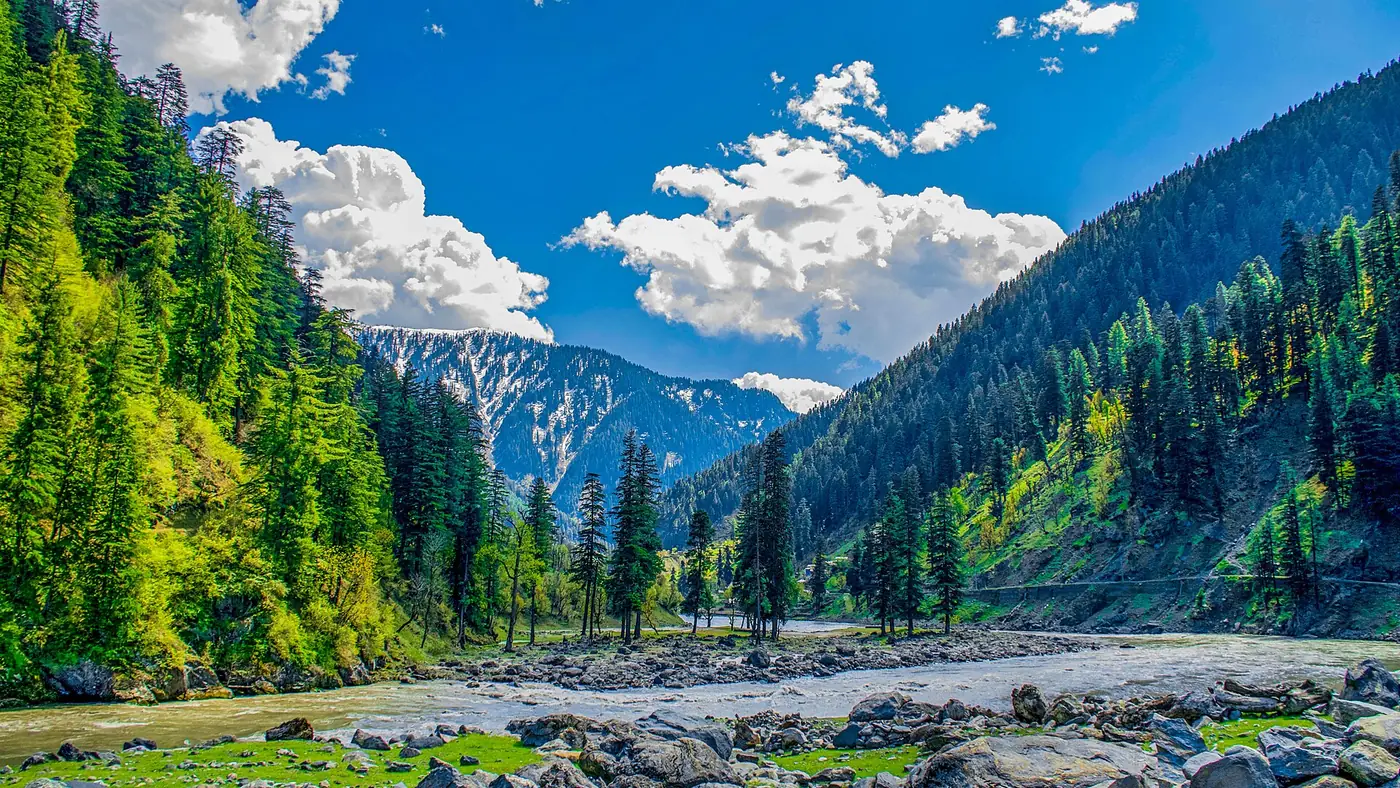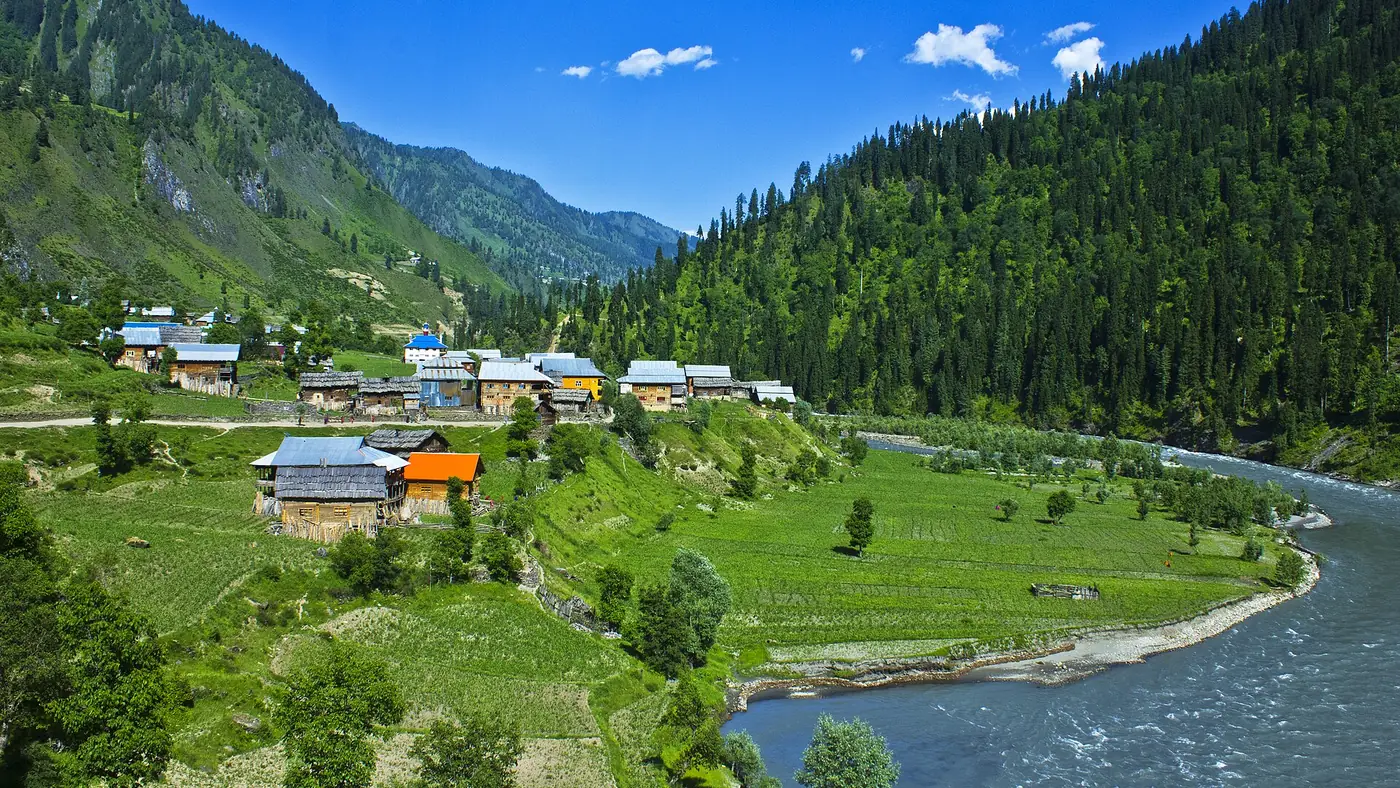
Azad Kashmir culture is shaped by its geography: Pahari-speaking farming villages across most of the territory, Kashmiri-speaking communities along the upper Neelum Valley, and Gujjar and Bakarwal herding families who move with their animals between the valleys and the high pastures each summer. For a visitor, what matters most day to day is straightforward: people are hospitable, family and elders are treated with real respect, and dressing and behaving modestly, especially outside the main towns, goes a long way.
This guide covers what a first-time visitor should know: who lives where, how hospitality works, and the etiquette that makes a trip go smoothly.
Who lives in Azad Kashmir
Azad Kashmir is not culturally uniform. In Muzaffarabad, Kotli and Bagh districts, Pahari is the main language spoken at home, close to but distinct from Punjabi. Mirpur district leans toward a dialect closer to the Pothohari of neighbouring Punjab, reflecting its ties to that region and its large diaspora in the UK. In the upper Neelum Valley, Kashmiri is still spoken in some villages, a link to the wider Kashmir Valley across the Line of Control. Gojri, spoken by Gujjar and Bakarwal communities, is heard wherever transhumant herding still happens, from lower valleys in winter to high summer pastures. Our guide to languages spoken in Azad Kashmir goes into where each one is used.
Hospitality: the constant across the region
Whatever language a household speaks, hospitality (mehman nawazi) is treated as a duty, not just a courtesy. Expect to be offered tea, usually with milk, and often something to eat, even on a short visit or a roadside stop. Turning down food outright can seem rude; taking a small amount and thanking your host is the easier path if you're not hungry.
Extended families commonly live together or nearby, and elders are given visible deference, in conversation, seating and who is served first. Visitors who show the same courtesy, greeting older people first and letting them lead a conversation, are treated warmly in return.
Everyday etiquette for visitors
- Greet with "Assalam-o-Alaikum." It's understood everywhere and is the standard opener with strangers and hosts alike.
- Dress modestly, especially outside Muzaffarabad, Mirpur and the main bazaars. Covered shoulders and knees are the norm for both men and women in rural villages; our guide to traditional dress in Azad Kashmir shows what locals actually wear.
- Remove your shoes before entering a home, and expect to sit on the floor or low seating in some village houses.
- Ask before photographing people, particularly women, and never photograph soldiers, checkpoints or military installations, which is taken seriously anywhere near the Line of Control.
- Use your right hand for eating and giving or receiving things, as is standard across Pakistan.
- Friday afternoons are quieter in smaller towns, as shops and businesses often close for prayers.
Weddings, festivals and everyday life
Weddings are large, multi-day family events, and if you're travelling through a village during one, you may see decorated vehicles, music and processions on the main road; give way rather than trying to push past. Baisakhi, marking the start of spring, and both Eids are widely celebrated, with markets busy and families travelling to be together. Our guide to festivals in Azad Kashmir lists the events worth planning a visit around, and Kashmiri crafts like walnut wood carving and embroidered shawls, covered in our handicrafts guide, are still made and sold in the region's bazaars.
What this means for your trip
None of this requires special preparation. Pack clothes that cover shoulders and knees, learn a greeting or two, and treat elders and hosts with visible respect, and you'll find doors open easily. In more conservative or rural areas, and anywhere near the Line of Control, err on the side of caution with dress, photography and where you walk. Our Kashmir destination guide has more on planning a trip across the region.
Frequently asked questions
Do I need to dress conservatively in Azad Kashmir?
In towns like Muzaffarabad and Mirpur, ordinary modest clothing is fine. In villages and more rural valleys, covering shoulders and knees is expected for both men and women, and it's worth packing accordingly.
Is Azad Kashmir culturally the same as Indian-administered Kashmir?
Related but not identical. The upper Neelum Valley keeps Kashmiri-language and cultural links to the wider Kashmir Valley, while most of Azad Kashmir is culturally closer to Punjab and the wider Pothohar region, with its own Pahari language and customs.
What language should I expect people to speak?
Pahari is the most widely spoken language across Azad Kashmir. Urdu is understood everywhere as the national language, and English is common in towns, especially with a younger or educated audience.
Is it rude to refuse food when offered?
Refusing outright can come across as impolite. Accepting a small amount, or clearly and politely explaining you've just eaten, is the better approach with a host who has offered tea or a meal.
Can I take photos of people and villages?
Landscapes and villages are fine. Ask before photographing individuals, particularly women, and never photograph military posts, checkpoints or soldiers, which applies across Azad Kashmir and is enforced strictly near the Line of Control.
Is Azad Kashmir safe for overseas visitors?
Pakistani tourists visit every year, but as of September 2026 the UK government advises against all travel within 10 miles of the Line of Control and against all but essential travel to the rest of Azad Kashmir. The 2026 protests there also brought road blockades and long internet shutdowns. If you hold a foreign passport, check your own government's advice before you go, because travelling against it can void your insurance. Everyone should check local news and current police advice before setting out.