Azad Kashmir's shrines draw both pilgrims and sightseers, and the two often mix at the same site. Pir Chinasi, the hilltop shrine above Muzaffarabad, is the best known, but Kotli, Mirpur and Bhimber each have their own darbars with a strong local following. This guide covers the main shrines, when their annual Urs falls, and what to wear and do when you visit.
| At a glance | |
|---|---|
| Best known shrine | Pir Chinasi, above Muzaffarabad |
| Altitude at Pir Chinasi | About 2,900 metres |
| Urs season | Varies by shrine; several fall in June and September |
| Dress | Modest, covered shoulders and legs; a headscarf is expected for women at most shrines |
| Access | Pir Chinasi by jeep track; city shrines by road |
Pir Chinasi
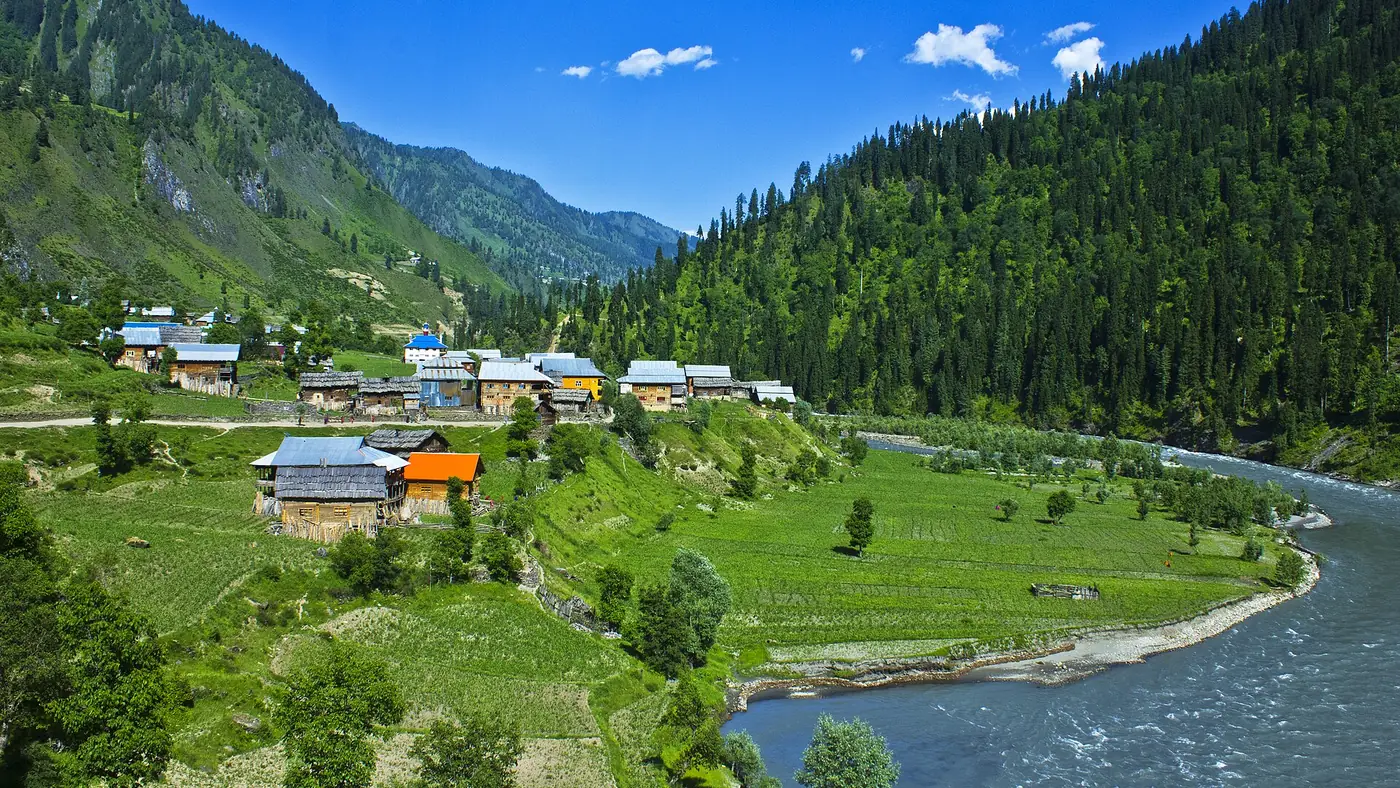
Pir Chinasi sits on a ridge about 30 kilometres east of Muzaffarabad, at roughly 2,900 metres, and is the shrine of the Sufi saint Sayed Hussain Shah Bukhari. It is as much a viewpoint as a place of pilgrimage: on a clear day you can see the Neelum and Jhelum valleys meet below the hill, with the mountains of Indian-administered Kashmir on the horizon.
The Urs, the annual commemoration marking the saint's death anniversary, is held here in June and September, and draws large crowds from across Azad Kashmir on both occasions. Outside those dates it is a quieter walk up to the shrine building and the tea stalls around it.
The road up is a mix of paved sections and a rougher jeep track for the final stretch, and is best done in a 4x4 or with a local driver. Our Kashmir guide covers Muzaffarabad and the routes into the wider region.
Sain Saheli Sarkar, Muzaffarabad
Inside Muzaffarabad city, next to the district headquarters, is the shrine of Sain Saheli Sarkar (Syed Zulfiqar), a saint who arrived in the city from Gurdaspur around 1890 and became known locally as "Sakhi" and "Saheli" for his generosity. The Azad Kashmir government took over the site in 1978 and built the mausoleum and an adjoining mosque, formally opened that November.
The 2005 earthquake caused only minor damage to the shrine itself, though the mosque next to it was rebuilt to an earthquake-resistant design and reopened in 2011. It is one of the most visited religious sites in the capital, with a substantial Urs held annually and no separate journey out of the city required to see it.
Darbar Mai Toti Sahiba, Kotli
At Pandli Sharif, a few kilometres from Khuiratta in Kotli district, is the shrine of Mai Toti Sahiba. It is smaller and more local in character than Pir Chinasi or Sain Saheli Sarkar, and draws visitors mainly from Kotli district and the surrounding towns rather than from across AJK. If your route runs through Kotli, it is a short detour rather than a destination in its own right.
Khari Shareef, Mirpur
South of Mirpur city on Darbar Road, about 8 kilometres out, is the shrine complex known locally as Khari Shareef. It is one of the older religious sites in the Mirpur district and is visited by families from Mirpur and the wider division, particularly around its Urs.
Baba Shadi Shaheed, Bhimber
In Jandi Chontra near Bhimber is the Darbar of Baba Shadi Shaheed, another shrine with a strong district-level following. Bhimber sits close to the Punjab border on the route many Lahore and Islamabad travellers use to enter Azad Kashmir, so it can be worked into a first or last day on the road rather than a dedicated trip.
Etiquette at a Kashmiri shrine
Shrine visits in Azad Kashmir follow the same general etiquette as elsewhere in Pakistan, with a few practical points worth knowing before you go:
- Dress modestly. Cover shoulders and legs. Women should carry a scarf or dupatta to cover the head inside the shrine building, even if it is not required everywhere.
- Remove your shoes before entering the inner shrine area; there is usually a place to leave them at the entrance.
- Keep your voice down and your phone on silent near the grave itself. Photography is often fine in the courtyard but not always welcomed right at the tomb, so watch what others are doing or ask.
- Expect crowds on Urs days. If you specifically want a quiet visit, go outside the Urs dates; if you want to see the atmosphere, an Urs is the time to go, but plan for traffic and limited parking near the site.
- A small donation (langar or the shrine's collection box) is customary but never obligatory for a visitor who is simply looking around.
Is it worth building a trip around shrines?
For most visitors, shrines work best as a stop along a route rather than the reason for the trip. Pir Chinasi is the exception: the drive and the view make it worth the half-day on its own, Urs or not. The city shrines in Muzaffarabad, Kotli, Mirpur and Bhimber are easy additions if you are already passing through, especially for travellers with a personal or family connection to a particular saint.
Frequently asked questions
When is the Urs at Pir Chinasi?
Pir Chinasi's Urs is held twice a year, in June and September. Exact dates move with the Islamic calendar and local arrangements, so confirm locally before you travel if the date matters to your plans.
Do I need a permit to visit these shrines?
No permit is needed for any of the shrines covered here. Ordinary CNIC checks may apply on the roads into parts of Azad Kashmir, as they do across the region.
What should women wear to visit a shrine in Azad Kashmir?
Modest dress covering the shoulders and legs, with a headscarf carried for the inner shrine area. This is expected rather than strictly enforced, but it is the respectful norm at every shrine in this guide.
Is Azad Kashmir safe to visit?
Most of Azad Kashmir, including Muzaffarabad, Kotli, Mirpur and Bhimber, sees regular domestic tourist traffic. Areas close to the Line of Control carry government advisories against travel, and there was significant unrest in parts of AJK in 2026. Check current local news and our dedicated guide on is Azad Kashmir safe to travel before setting out, and if you hold a foreign passport, check your own government's advice, since it can affect your travel insurance.