The Ansoo Lake trek starts at Lake Saif-ul-Malook and climbs to a small, tear-shaped lake above 4,100 metres, below Malika Parbat. It is a hard day: most fit walkers take four to six hours up and the round trip runs to seven hours or more, with snow and steep, loose ground near the top. The window is narrow. Go between about mid-July and mid-August, start from Saif-ul-Malook at first light, and take a local guide.
This is not an add-on to a jeep visit to Saif-ul-Malook but a separate, serious day. This guide covers the route, how long it really takes, horses and guides, and when you can expect to see the shape that gives the lake its name.
| At a glance | |
|---|---|
| Start | Lake Saif-ul-Malook, 3,224 m, reached by jeep from Naran |
| Ansoo Lake | Above 4,100 m, below Malika Parbat |
| Height gain | Roughly 900 to 1,000 m from Saif-ul-Malook |
| Time | 4 to 6 hours up for most; 7 hours or more for the round trip |
| Best window | About 10 July to 15 August |
| Start time | Around 6 am from Saif-ul-Malook |
| Horses | For part of the way; the steep upper section is on foot |
| Guide | Strongly advised; hire at Saif-ul-Malook |
Where is Ansoo Lake?
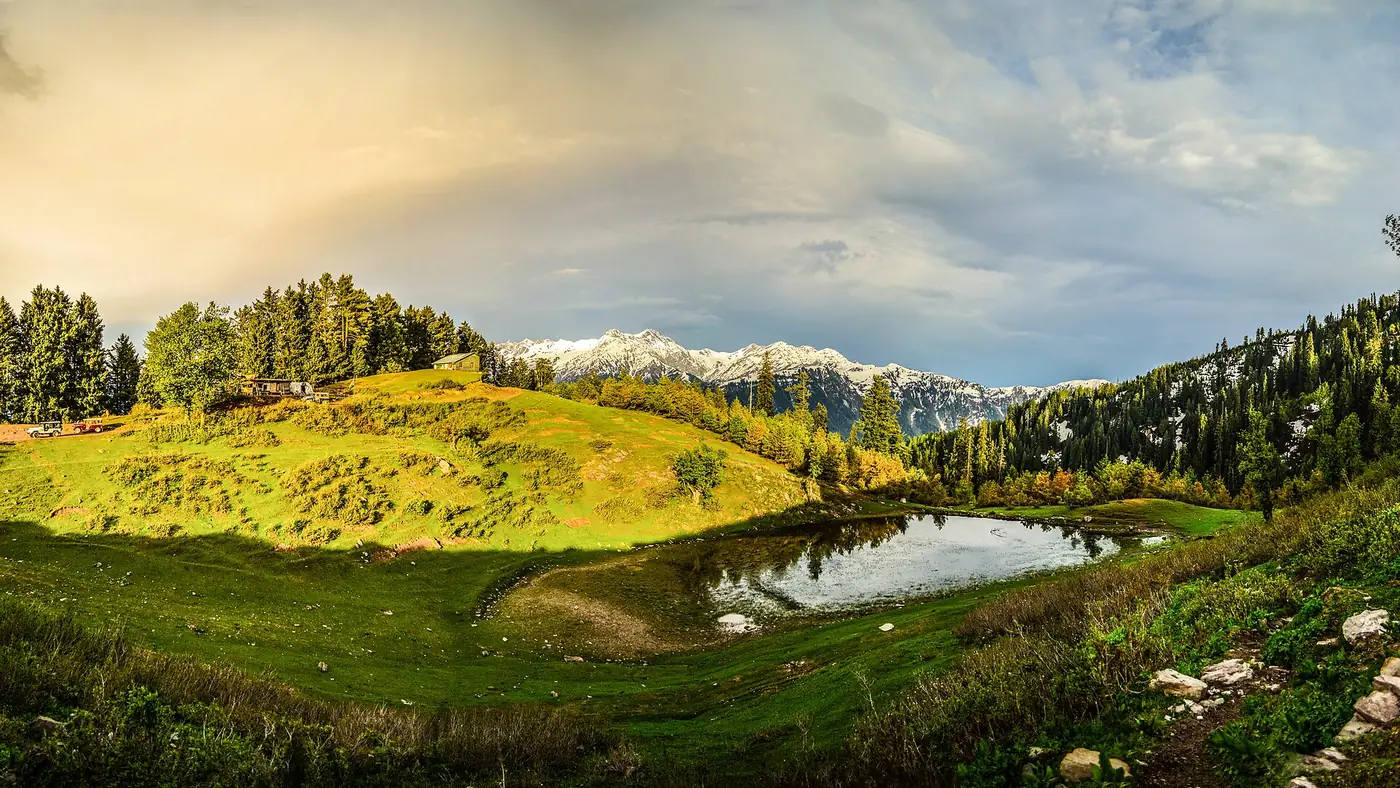
Ansoo Lake lies in the mountains above Saif-ul-Malook, close to Malika Parbat, the highest peak in the Kaghan Valley at about 5,290 metres. It is small, high and hidden in a bowl below a ridge, which is why it was only brought to wider attention in 1993, when Pakistan Air Force pilots flying low over the area spotted it.
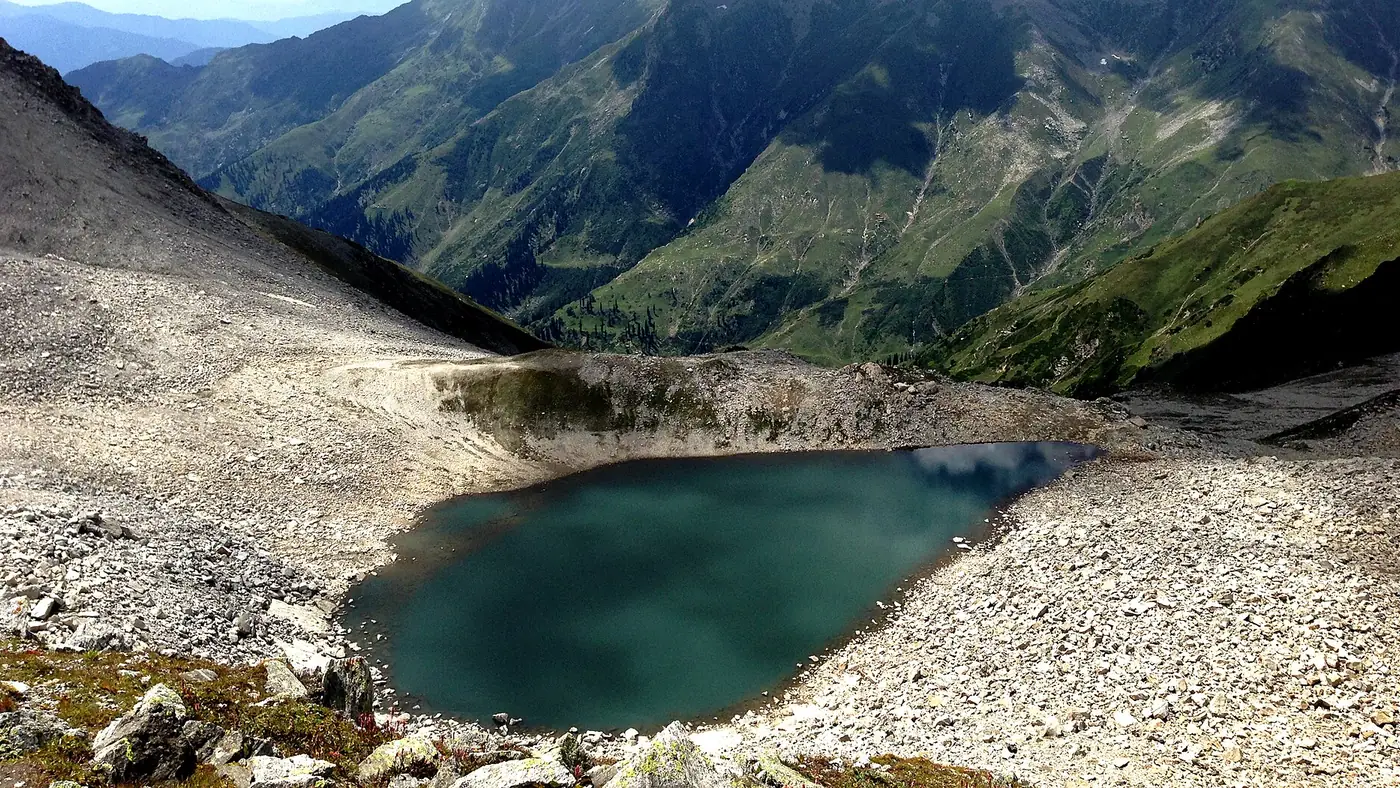
Ansoo is Urdu for a tear, and from the ridge above it the lake's outline looks like a teardrop or, to many people, like an eye: the water as the eye, a patch of ice or snow in the middle as the iris, and the curve of the ridge above as the eyebrow.
The route from Saif-ul-Malook
The trek has two distinct halves.
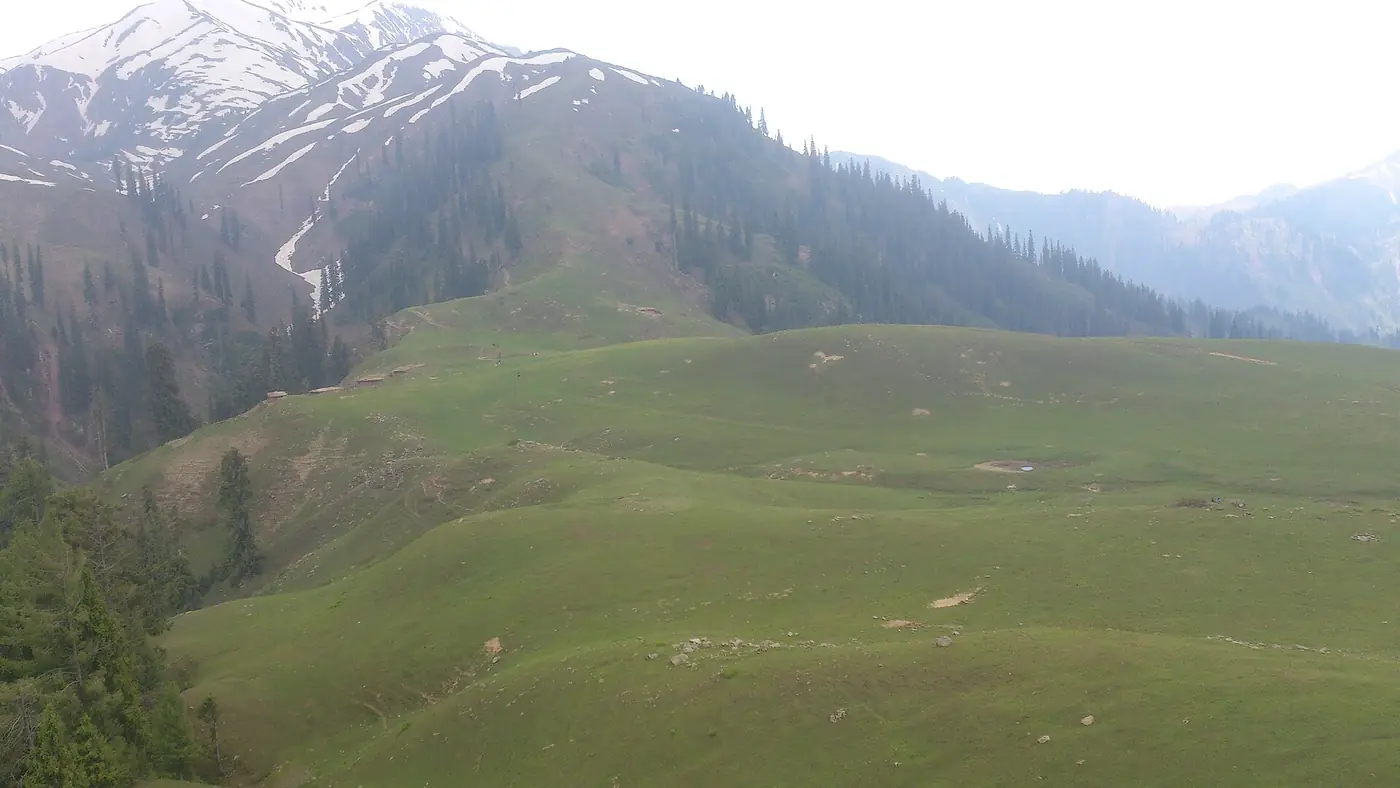
- Up the valley towards Malika Parbat. From the lake the path heads up the valley beyond it, along the stream, towards the base of Malika Parbat. This half is the gentler one: meadow, boulders and stream crossings, gaining height steadily. Early in the season it crosses old snow.
- The climb to the rim. From the base of Malika Parbat the route turns steeply uphill on rock, scree and snowfields towards the ridge. It is narrow, slow and tiring at this height, and it is the part that turns people back.
- The view from the top. You come over the ridge and the lake is below you. The best view is from the ridge itself, well above the water, with the lake on one side and Malika Parbat and the surrounding snow peaks on the other.
Come down the same way. The descent is quicker but hard on the knees on the loose upper section.
Snow cover changes the ground from one season to the next, and in cloud the upper slopes are easy to get lost on. That is the main reason to go with someone who knows the route.
How long it takes, and when to start
Estimates vary a great deal with fitness and snow. Published accounts range from seven to nine hours for the round trip to twelve or more for slower groups. Most fit walkers take four to six hours to reach the rim.
That means an early start from the lake, around 6 am, so that you are on the ridge before cloud builds and back down before dark. To do that you need to be at Saif-ul-Malook at dawn, which means arranging a jeep from Naran the evening before. In 2026 the official return fare from Naran to Saif-ul-Malook was PKR 5,500 per jeep; for a dawn start and a long wait, agree the price and the pick-up time separately with the driver.
Our Saif-ul-Malook guide covers the jeep, the track and the lake itself.
Horses and guides
Horses can be hired at Saif-ul-Malook, and they take much of the effort out of the first half. They cannot manage the steep upper climb to the rim, so everyone walks the last part. Agree the price, how far the horse will go and how long the handler will wait, before you set off.
A guide from the lake is the most useful thing you can pay for on this trek. Guides know where the route runs through that year's snow, where the ground is loose, and when to turn round because the weather is closing in. Agree the fee in advance, and make sure the guide is happy to turn back if anyone in the group is struggling.
When does the tear shape show?
The shape depends on the snow. For most of the year the lake is frozen and buried, and there is nothing to see but a white hollow. As the ice melts back in high summer, the water and its outline appear, and the curve of the ridge above it becomes clearer. That is why trekking accounts agree on a window of roughly 10 July to 15 August, with the shape at its clearest towards August.
Even in the window, weather decides it. Fog and cloud regularly fill the bowl, and many people reach the ridge to find the lake hidden. Your best chance is:
- Early in the day, before cloud builds over Malika Parbat
- After a spell of settled weather, rather than the morning after rain
- With time to wait a little on the ridge if cloud is drifting, as long as the weather is not turning
In June the route is still deep in snow and far harder, and the lake is usually frozen. By September the first snow can return to the upper ground.
How hard is the Ansoo Lake trek?
It is the hardest of the popular walks from Naran. The difficulty is the steep, loose upper half at more than 4,000 metres, not the distance. Specific hazards:
- Snow and ice on the upper slopes, even in summer, where a slip can mean a long slide
- Loose rock and scree on the climb to the rim, especially with other groups above you
- Fast-changing weather, with fog, rain and cold wind coming in within an hour
- Altitude. You climb close to 1,000 metres above Saif-ul-Malook, having already come up from Naran. Headache and breathlessness are common; severe headache, vomiting or confusion mean going down at once.
- No phone signal once you leave the lake
Wikipedia's account of the lake also notes that growing numbers of visitors have worn the path and strained its surroundings. Carry out everything you take up.
What to carry
- Proper walking boots with grip, not trainers
- Warm and waterproof layers, a hat and gloves, whatever the forecast in Naran
- At least two litres of water per person, and food for the whole day
- Sunglasses and sunscreen; snow at this height reflects strong sun
- A torch, in case the descent runs late
- Cash for the jeep, guide and horses
The route from the Manoor valley
There is a second, longer approach from the Manoor valley, which turns off the main road at Mahandri below Kaghan town. It passes a meadow called Dher on the way and is usually done as a multi-day trek with camping. It is far less used than the Saif-ul-Malook route, and only makes sense with a local guide who knows it.
Is the Ansoo Lake trek worth it?
For fit, experienced walkers with a spare day in Naran and the right weather window, yes. It is the most rewarding day walk in the valley, and on a clear August morning the view from the rim, with the lake below and Malika Parbat above, is one very few visitors to Naran ever see.
It is the wrong choice for families with children, first-time trekkers, anyone who has just driven up from the plains, or anyone travelling in June. If you want a trek with less risk and a camp on the way, the Dudipatsar Lake trek from Besal is longer but gentler. For planning a Naran trip around a trek, start with our trip planning page or our list of places to visit in Naran.
Frequently asked questions
How long is the trek to Ansoo Lake?
Most fit walkers take four to six hours from Saif-ul-Malook to the rim above the lake, and seven hours or more for the round trip. Slower groups can take twelve.
What is the best time for the Ansoo Lake trek?
Roughly 10 July to 15 August, when enough snow and ice have melted for the lake and its outline to show. Start at dawn for the best chance of clear weather.
Can you ride a horse to Ansoo Lake?
Only part of the way. Horses can be hired at Saif-ul-Malook for the first half of the route, but the steep climb to the rim has to be done on foot.
Do I need a guide for Ansoo Lake?
Yes, in practice. The route crosses snow and loose ground, and cloud often hides the way on the upper slopes. Hire a local guide at Saif-ul-Malook.
Why is it called Ansoo Lake?
Ansoo means tear in Urdu. Seen from the ridge above, the lake is shaped like a teardrop, or like an eye with an island of ice as the iris.
How high is Ansoo Lake?
Above 4,100 metres. Figures differ between sources, but all put it roughly 900 to 1,000 metres higher than Saif-ul-Malook.