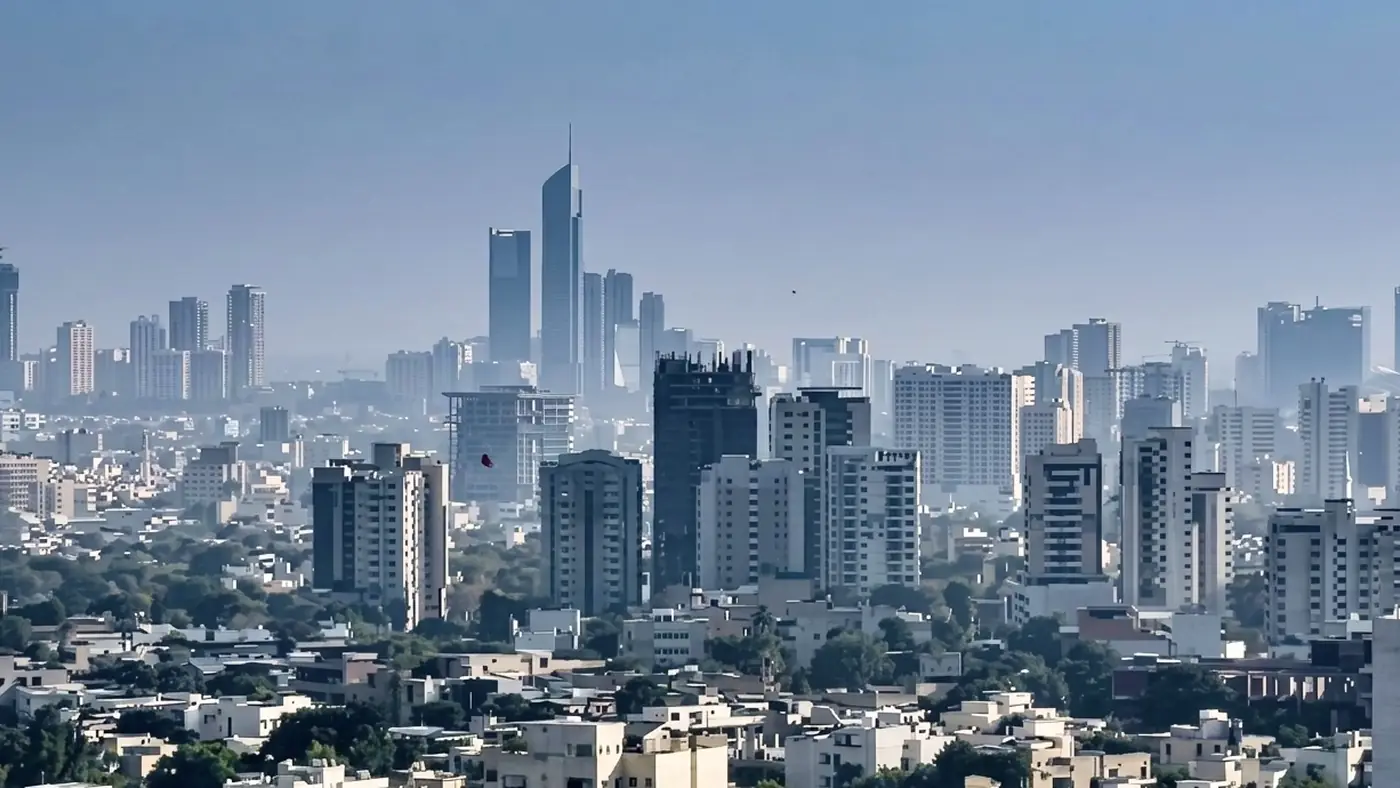
Where to go from Karachi in summer comes down to three real options: Gorakh Hill in Sindh, reachable by road in a long day, Ziarat in Balochistan, reached by flying to Quetta, or the northern areas around Hunza, Skardu, Naran or Swat, reached by flying to Islamabad or direct to the north. Karachi's summer heat and humidity, with daytime highs regularly in the low 40s °C and a feels-like temperature that can push past that, makes late May through September the months most people look to get away from the city.
This guide compares the three options on distance, how far in advance to book, and roughly what each costs to reach.
| Option | Distance/route from Karachi | How to get there | Book ahead by |
|---|---|---|---|
| Gorakh Hill | About 400 km, Sindh | Road, about 9–10 hours with the jeep stage | A few days to a week for rest houses |
| Ziarat | About 815 km by road, or fly to Quetta | Flight (about 1h20) plus 2–3 hours by road | 1–2 weeks for flights and hotels in peak weeks |
| Flying north (Hunza, Skardu, Naran, Swat) | 600–1,000+ km depending on destination | Flight to Islamabad, Gilgit or Skardu, or direct where available | 3–6 weeks ahead for June–August dates |
Why Karachi empties out in summer
From around May, Karachi's daytime highs regularly reach 40 to 44°C, and humidity pushes the feels-like temperature well above the actual reading; June 2026 saw a recorded temperature of 37°C feel like 49°C. The heat is at its worst from May into July, before the monsoon brings some relief along with its own flooding and travel disruption in July and August. It is this combination of heat and humidity, more than any single heatwave, that sends Karachi families looking for cooler air each summer.
Option 1: Gorakh Hill, the nearest real escape
Gorakh Hill Station, a plateau at about 1,734 metres in the Kirthar range of Dadu district, is the closest place to Karachi that offers a genuine change of temperature: low 30s °C by day at the top, against well over 40°C on the plains below, and cool nights.
Getting there is a full day's drive: about 350 km by road via the M-9 and the Indus Highway to Wahi Pandhi, then roughly 50 km of steep 4x4 track that takes another two and a half to three and a half hours. Facilities at the top are basic, rest houses and huts rather than hotels, and July and August bring the year's heaviest rain, which makes the jeep track slippery.
Budget and timing: this is a road trip cost, mainly fuel, the hired jeep for the final climb, and a room or camping gear, rather than a flight cost. Book a rest house or hut a few days to a week ahead for a summer weekend, since space is limited. Our Karachi to Gorakh Hill route guide and Gorakh Hill Station guide cover the drive and what to expect at the top in full.
Option 2: Ziarat, cooler air in Balochistan
Ziarat, a hill town in Balochistan known for its juniper forest, sits far further from Karachi: about 815 km by road via Quetta, which makes driving impractical for most visitors. The realistic route is to fly to Quetta, about an hour and twenty minutes on a direct flight, then drive roughly two to three hours on to Ziarat.
Budget and timing: book flights to Quetta one to two weeks ahead for summer travel, since seats on this route are limited and fill up around long weekends. Add a hotel or rest house night in Ziarat if you are not doing it as a long day trip from Quetta.
Security note. Ziarat sits in Balochistan, and the UK government's Pakistan travel advice advises against all travel to the whole province. Pakistani families do still travel to Ziarat, but check current local news and security advice before you set out, and know that travelling against your own government's advice can affect your travel insurance if you are visiting from abroad. Our Ziarat snowfall guide covers the winter season and the current security picture there in more detail; in summer, the road and weather risks are far lower than in winter, but the same security checks apply.
Option 3: flying north to the mountains
For a proper break from the heat, most Karachi families who can afford the flights head north, to Hunza, Skardu, Naran or Swat, where summer days are mild and evenings genuinely cool. There is no direct flight from Karachi to most of these destinations. The usual routes are:
- Via Islamabad, connecting to PIA's short flight to Gilgit for Hunza, a route that depends on clear weather at the Gilgit end and can be disrupted, most often outside summer but still worth planning around.
- Direct or via Islamabad to Skardu, which has a bigger airport with more scheduled flights, for Skardu and Deosai.
- Via Islamabad by road for Naran, Swat or Hunza, if you would rather not risk a weather-dependent flight, though this adds one to two days of driving each way.
Budget and timing: this is the most expensive of the three options once flights are included, but also the coolest and most comfortable. June, July and August are Karachi's school-holiday season as well as the peak northern season, so flights and hotel rooms in Hunza, Skardu, Naran and Swat sell out early. Book flights three to six weeks ahead for summer dates if you can, and keep at least one spare day in your itinerary in case a mountain flight is delayed by weather. Our Karachi to Hunza by air guide and Karachi to Skardu flight guide compare the routes and connections in detail, and our trip cost guide from Karachi sets out what a northern trip from Karachi typically involves.
Which should you choose?
- A weekend or two nights, and a willingness to drive: Gorakh Hill. It is the only one of the three you can reach and return from within a long weekend without flying.
- A short break with cooler air and some history and forest walking: Ziarat, if you can fly to Quetta and are comfortable checking the current security picture for Balochistan before you go.
- A week or more, and the coolest possible break: flying north. It costs more and takes more planning, but Hunza, Skardu and Swat offer a completely different climate and scenery from anywhere reachable by road from Karachi in a weekend.
Families with young children or older parents generally find flying north the least tiring option, since it avoids the long drive to Gorakh and the security checks that come with Balochistan. Groups of friends with more flexibility and a taste for a rough road often prefer Gorakh, simply because it needs the least advance planning.
If you are narrowing down a northern trip, our trip planning page and when to go guide can help you weigh the options against your dates and budget.
Frequently asked questions
Where do people from Karachi go to escape the summer heat?
The nearest option is Gorakh Hill in Sindh, reachable by road in a long day. Ziarat in Balochistan and the northern areas around Hunza, Skardu, Naran and Swat both require a flight and offer a bigger change in climate.
Is Gorakh Hill cooler than Karachi in summer?
Yes. Daytime temperatures on the plateau are typically in the low 30s °C in summer, against well over 40°C on the plains, though it is still warm by day; the real relief is in the cooler nights.
Is it safe to travel to Ziarat from Karachi?
Ziarat is in Balochistan, where the UK government advises against all travel. Pakistani visitors do still travel there, but check current local news and security advice before setting out, and be aware overseas visitors' government advice may say not to go.
How far in advance should I book a summer trip to the north from Karachi?
Three to six weeks ahead for June to August flights and hotels, since this is both Karachi's school-holiday season and the northern areas' peak season.
Can you drive from Karachi to the northern areas in summer?
Yes, but it is a long journey of two or more days each way via Islamabad. Most Karachi families flying to escape the heat prefer to fly at least one way to save time.
What is the cheapest summer escape from Karachi?
Gorakh Hill, since it avoids flight costs, though it still involves fuel, a hired jeep for the final climb, and basic accommodation. It is also the most physically demanding of the three options.