
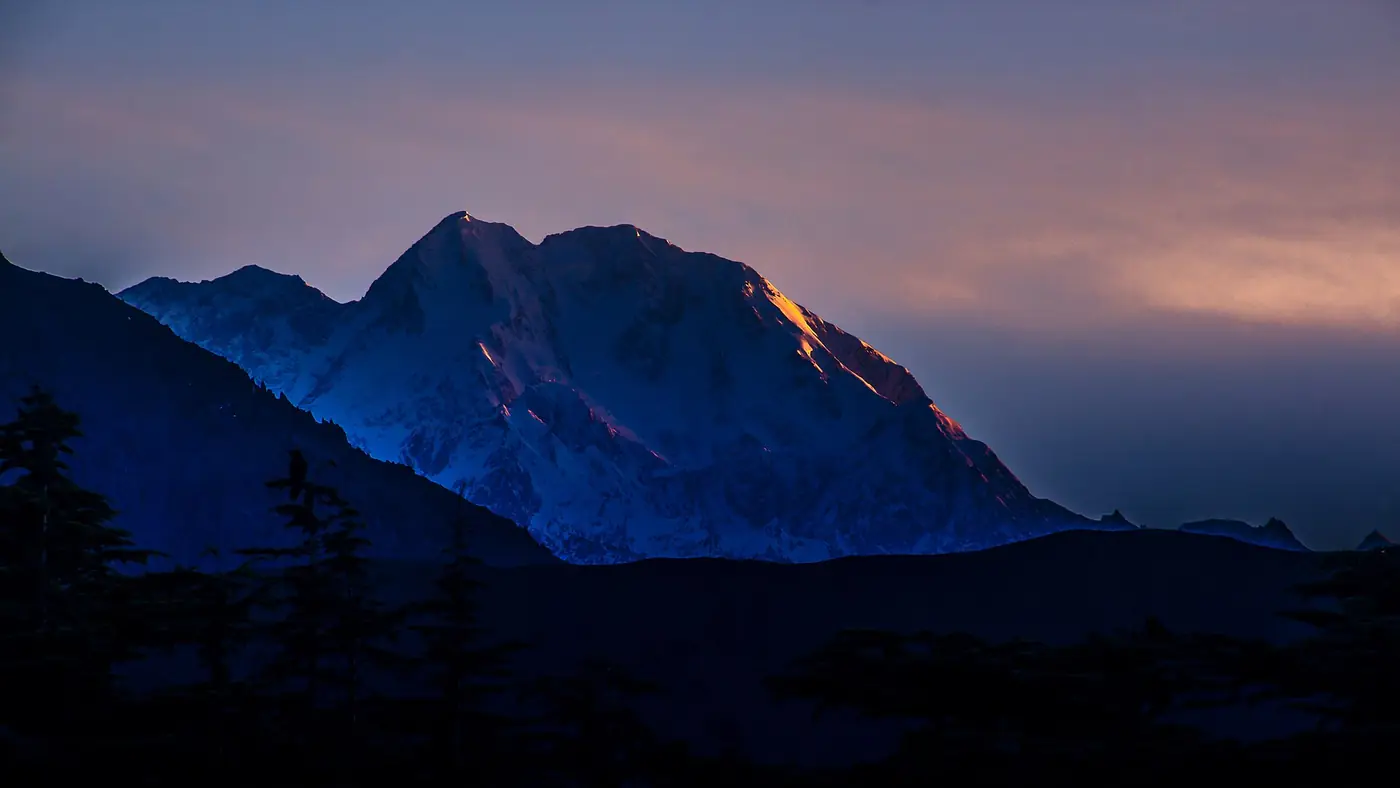
The Tirich Mir base camp trek is a six-to-eight-day route into the Hindu Kush from Chitral, ending below the highest peak in the range at 7,708 metres. It is a serious trek rather than a walk, reaching a base camp at several thousand metres, and it needs a guide and proper trekking fitness. This guide covers the route, when to go, and what to expect.
| At a glance | |
|---|---|
| Peak | Tirich Mir, 7,708 m, highest in the Hindu Kush |
| Trek length | About 6 to 8 days, including travel from Chitral |
| Approach | Via Barum glacier or the Tirich valley from Shagram |
| Best season | Mid-June to mid-September |
| Guide | Needed; this is not a route to attempt alone |
About Tirich Mir
Tirich Mir dominates the skyline above Chitral town on a clear day and is the highest peak in the Hindu Kush range, at 7,708 metres. It was first climbed in 1950 by a Norwegian expedition, and it remains a serious mountaineering objective rather than a trekking peak. The base camp trek does not attempt the summit; it takes trekkers as close as a walking route allows, to see the mountain and its glaciers at close range.
The approach
There are two main ways in, both starting from villages reached by road from Chitral town:
- Via the Barum glacier, a shorter approach that can reach base camp territory in around two days from the roadhead.
- Via the Tirich valley from Shagram, a longer approach of around three days that follows the valley more gradually before climbing to the glacier.
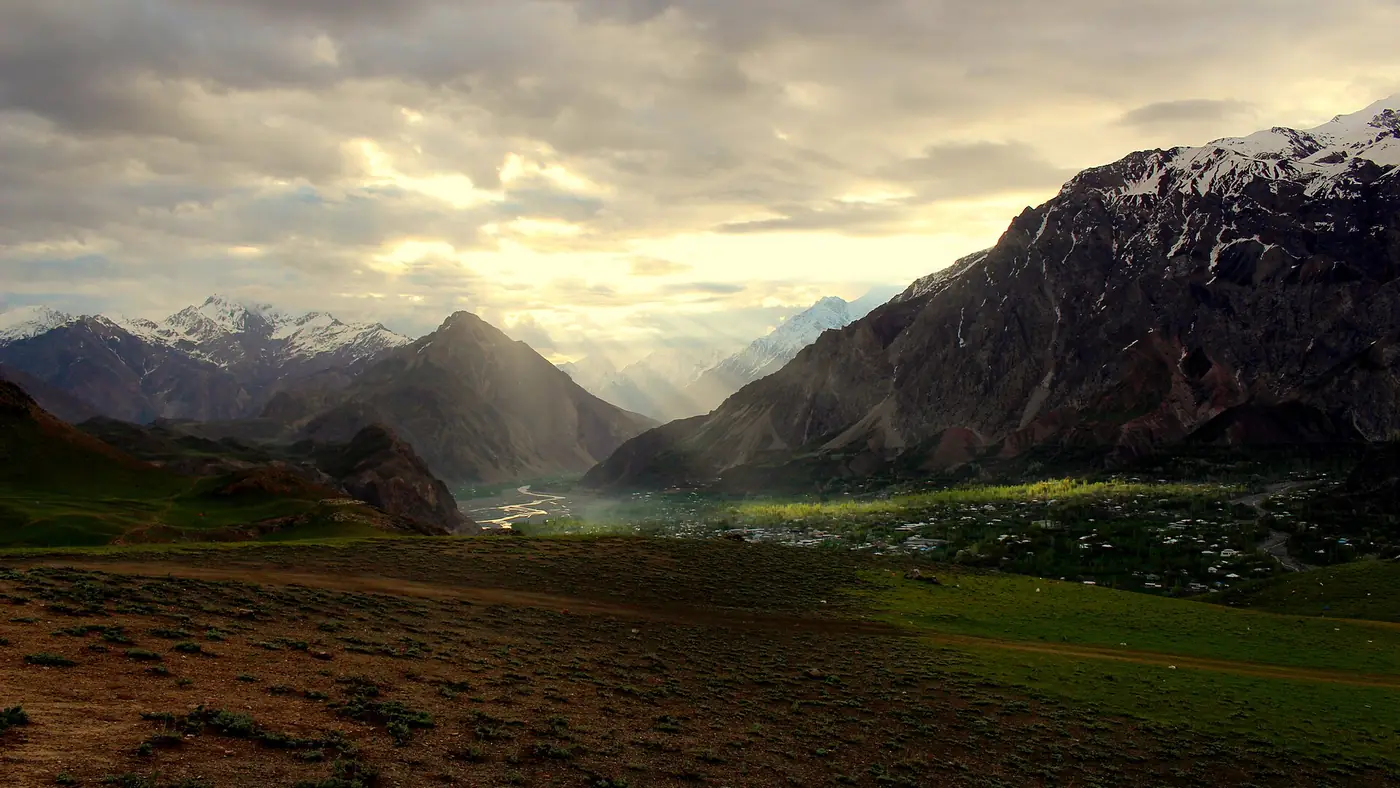
Both routes converge on the high ground below the mountain's southern glaciers, with camps along the way at herding pastures used by local shepherds in summer. Exact day counts vary by operator and by how much acclimatisation time is built in, so treat the figures here as a guide rather than a fixed itinerary.
Best time to go
Mid-June to mid-September is the trekking season. Before this the lower valleys can still be under snow and river crossings running high with meltwater; after it the weather turns quickly at altitude. July and August give the most stable conditions, though afternoon cloud and occasional rain are normal in a range this high. Our guide to the best time to visit Chitral covers the wider district's seasons if you are combining this trek with other stops.
Do you need a guide?
Yes. This is not a marked trail, and the approach crosses glacial terrain, moraine and unbridged streams that change from year to year. A local guide who knows the current state of the route, arranges porters and pack animals, and can read the weather is standard practice for this trek, and most trekkers arrange one through a Chitral-based trekking operator rather than attempting it independently.
What to expect on the trek
Days involve steady, often steep walking on rough ground rather than technical climbing, with camps set up by porters at pastures and moraine sites along the way. Altitude is a real factor even though the trek stops short of the summit; base camp itself sits at several thousand metres, high enough that altitude headaches and breathlessness are common if the pace is too fast.
The reward is close, uninterrupted views of Tirich Mir's glaciers and rock faces from angles you cannot get from the road or from Chitral town, along with a landscape of high pasture, wildflowers in season, and very few other people. This is a wilderness trek, not a scenic day out.
What to pack
Standard high-altitude trekking kit applies: layered clothing for large swings between sun and shade, a good sleeping bag rated well below freezing, sturdy boots broken in before the trip, sun protection, and a water treatment method rather than relying on bottled water. Anything specific to glacier travel, such as gaiters or trekking poles for moraine, is worth confirming with your guide or operator in advance, since needs vary by route and by conditions that year.
Who this trek suits
This suits experienced trekkers who are comfortable with multi-day treks at altitude, rough terrain and basic camping, and who have arranged a knowledgeable local guide. It does not suit first-time trekkers, families with children, or anyone looking for a shorter, easier route to mountain views; for that, our guide to places to visit in Chitral has gentler options closer to town and the road, and our Chitral trip planning notes cover the basics of putting a trip together.
Frequently asked questions
How high is Tirich Mir?
7,708 metres, the highest peak in the Hindu Kush range.
How many days does the Tirich Mir base camp trek take?
Around six to eight days including travel from Chitral, depending on the approach route and pace, though exact itineraries vary by operator.
Do I need mountaineering experience for this trek?
No technical climbing skill is required to reach base camp, but you need solid trekking fitness, experience with multi-day treks at altitude, and a guide who knows the route.
When is the best time to trek to Tirich Mir base camp?
Mid-June to mid-September, when the trails are clear of heavy snow and river crossings are more manageable, with July and August the most stable months.
Can I do this trek without a guide?
It is not advisable. The route crosses glacial and moraine terrain that changes year to year, and a local guide is standard practice for anyone attempting it.
Is Chitral safe for overseas visitors?
Pakistani tourists visit Chitral throughout the season, but as of September 2026 the UK government advises against all travel on the N45 from Mardan to Chitral city, which is the main road in through Dir and the Lowari Tunnel, and within 10 miles of the Afghan border. If you hold a foreign passport, check your own government's advice before you go, because travelling against it can void your insurance. Everyone should check local news and current police advice before setting out.
.jpg)